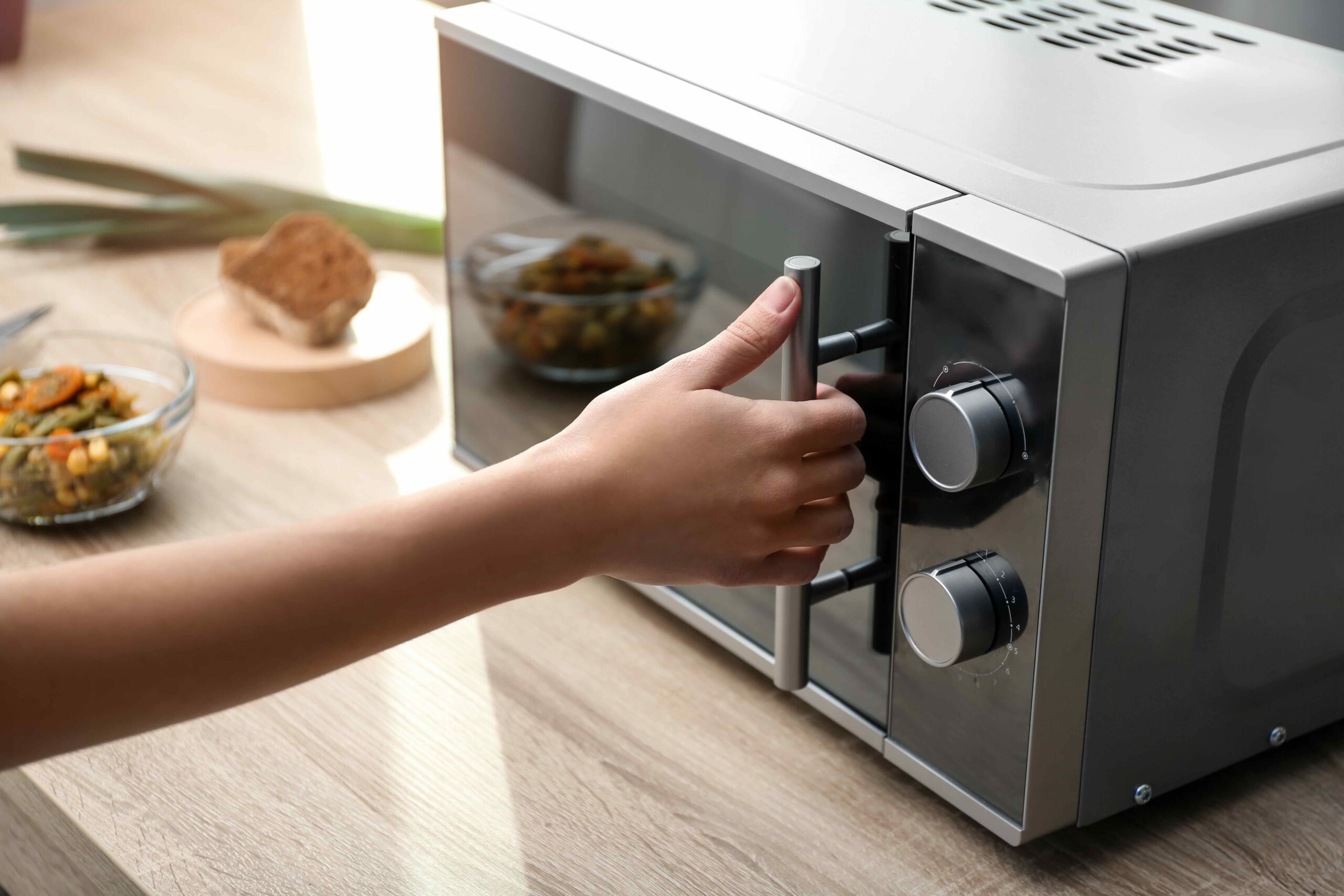
Can You Microwave a Tinfoil Bowl? What Every Homeowner Should Know About Kitchen Appliance Safety
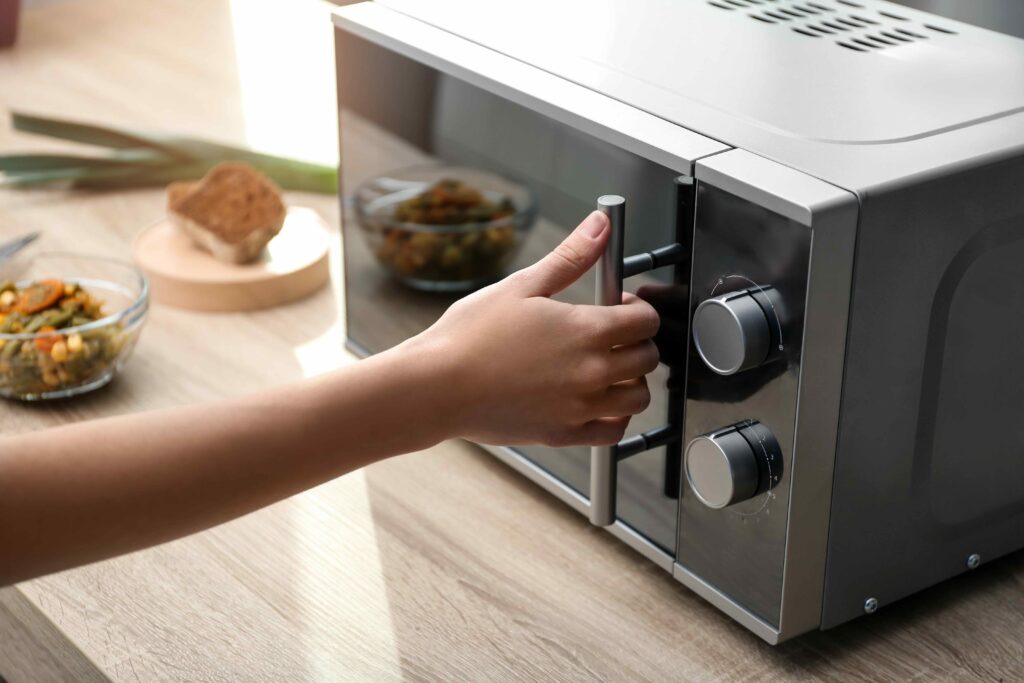
It happens to just about everyone at some point. You are reheating leftovers, the regular containers are all dirty, and someone used a tinfoil bowl from a catered event or takeout order. You pause, stare at the microwave, and think — wait, can I actually put this in there? The answer matters more than you might expect, and understanding why connects directly to how you care for one of the most-used appliances in your home. Kitchen appliance safety is one of those topics that sounds basic until something goes wrong, and that is when homeowners start wishing they had paid closer attention.
What Actually Happens When You Put Metal in a Microwave
Microwaves work by emitting electromagnetic radiation at a specific frequency that causes water molecules in food to vibrate rapidly, generating heat. Metal, including aluminum foil and tinfoil bowls, does not behave the same way. Instead of absorbing those waves, metal reflects them. When that reflected energy has nowhere to go, it arcs — meaning you get those dramatic sparks and flashes that look alarming because they genuinely are. The risk ranges from damaging your microwave’s interior magnetron to starting an actual fire inside the appliance. Neither outcome is something you want to deal with on a Tuesday night.
Is There Any Safe Way to Microwave a Tinfoil Bowl
Here is where things get slightly more nuanced. The FDA has acknowledged that small, smooth pieces of aluminum foil can sometimes be used in microwaves under very specific, controlled conditions — but this is not a green light for your average takeout tinfoil bowl. Those containers have irregular edges, creased sides, and varying thicknesses, all of which increase the likelihood of arcing. Some newer microwave models include metal-safe modes or specific rack systems designed to handle certain metal trays, but those are engineered exceptions, not a general rule. Unless your microwave’s manual explicitly states it can handle metal containers, the answer is no — do not do it.

Signs Your Microwave May Have Already Taken Damage
If a tinfoil bowl made it into your microwave before you knew better, you might be wondering whether any harm was done. There are some indicators worth watching for. A microwave that sparks even with safe containers, produces unusual burning smells, heats unevenly, or makes strange buzzing or humming sounds may have sustained internal damage. The magnetron — the component responsible for generating microwave energy — is particularly vulnerable and also one of the more expensive parts to replace. If you notice any of these signs, stop using the appliance and have it evaluated by a qualified technician.
Key Microwave Safety Practices Every Homeowner Should Follow
Beyond the tinfoil question, there are several microwave habits that protect both the appliance and everyone in your home. Following these consistently extends the life of your unit and reduces the risk of accidents or fire hazards in your kitchen.
- Always transfer food from metal containers to microwave-safe glass or ceramic dishes before heating
- Avoid microwaving foods with sealed skins like whole eggs or grapes without scoring them first
- Never run a microwave while empty — this can burn out the magnetron quickly
- Keep the interior clean and free of grease buildup, which can ignite under high heat
- Check that the door seal is intact and closes fully before every use
- Use microwave-safe lids or covers loosely — never sealed — to allow steam to escape
How Microwave Damage Can Affect Your Home Warranty Coverage
This is where the conversation shifts from kitchen safety to financial protection. Most homeowners do not think about their home warranty until something breaks, and by then they are already frustrated and looking at repair or replacement costs. If a microwave breaks down due to normal mechanical failure, a home warranty can be a genuinely useful tool. However, damage caused by user error — such as arcing from a tinfoil bowl — is typically excluded from coverage because it falls under the category of improper use or misuse. Understanding the distinction matters when you are filing a claim and expecting coverage that may not apply.
What a Home Warranty Does and Does Not Cover for Kitchen Appliances
A home warranty is a service contract that covers the repair or replacement of major home systems and appliances when they fail due to normal wear and tear. For kitchen appliances specifically, coverage often includes built-in microwaves, dishwashers, ranges, and refrigerators. What it generally does not cover includes physical damage, cosmetic issues, or failures resulting from misuse — which is why that tinfoil bowl scenario could leave you without a claim. Policies vary by provider, so reading the fine print on what qualifies as a covered breakdown versus a user-caused failure is essential before you need to use that coverage.
Common Microwave Problems That Are Covered Under Home Warranties
When a microwave fails due to normal use over time, that is precisely the scenario a home warranty is designed to address. Understanding which breakdowns typically qualify for coverage helps set realistic expectations and helps you get the most value from your plan.
- Magnetron failure due to age or wear — this is one of the most common and costly microwave repairs
- Control panel or touchpad malfunctions unrelated to physical damage
- Turntable motor failure causing the plate to stop rotating
- Door latch or interlock switch problems that prevent the unit from starting
- Electrical failures within the internal components due to normal deterioration
Tips for Extending the Life of Your Microwave
Appliance longevity is something homeowners can actually influence with some straightforward habits. A well-maintained microwave can last anywhere from nine to twelve years, and some units push well beyond that range. Clean the interior regularly with a damp cloth and mild detergent to prevent grease accumulation. Avoid slamming the door, which can damage the interlock switches over time. Use appropriate power levels for different foods rather than running everything at full power. If the microwave is over a range, ensure the ventilation filters are cleaned periodically since built-up grease there can become a fire risk. These are small investments of time that pay off significantly over the appliance’s lifespan.
Why Armadillo Is the Right Home Warranty for Kitchen Appliance Protection
When your microwave or any other kitchen appliance breaks down from normal wear and tear, having a home warranty in place means you are not scrambling to cover an unexpected repair bill. Armadillo offers straightforward, homeowner-friendly coverage that actually makes sense — no confusing exclusions buried in pages of fine print, no runaround when you need help most. If you want to understand exactly what a modern home warranty covers and how it can protect your most-used appliances, explore Armadillo’s kitchen appliance and home system warranty plans to see what transparent, reliable coverage looks like. And if you are ready to stop leaving your home to chance, you can get a free home warranty quote for microwave and appliance coverage in just a few minutes. Armadillo was built for homeowners who want real protection without the complexity — and that is exactly what you get.
Frequently Asked Questions
Can you microwave a tinfoil bowl safely?
In most cases, no. Tinfoil bowls have irregular edges and creased surfaces that cause electrical arcing inside a microwave. Unless your specific microwave model is rated for metal containers, you should always transfer food to a microwave-safe dish before heating.
What happens if you accidentally microwave aluminum foil?
Microwaving aluminum foil can cause visible sparking, interior damage to the appliance, and in some cases a fire. If arcing occurs, stop the microwave immediately, remove the foil carefully, and inspect the interior for scorch marks or damage before using the unit again.
Will my home warranty cover a microwave damaged by tinfoil?
Generally, no. Home warranties cover mechanical breakdowns caused by normal wear and tear. Damage resulting from improper use, including placing metal containers in a microwave, is typically classified as user-caused damage and excluded from coverage.
What types of microwave failures does a home warranty cover?
Most home warranty plans cover magnetron failure, control panel malfunctions, turntable motor issues, door latch problems, and internal electrical component failures — all when caused by normal use and aging rather than physical damage or misuse.
How long do microwaves typically last?
A well-maintained microwave generally lasts between nine and twelve years. Over-the-range models may have slightly shorter lifespans due to additional ventilation components, while countertop models often last longer with proper care.
What containers are safe to use in a microwave?
Microwave-safe glass, ceramic dishes without metallic glazing, and containers labeled as microwave-safe are the appropriate choices. Avoid metal, foil, most plastic bags, Styrofoam unless labeled safe, and any container with metallic trim or paint.
Can a microwave be repaired after arcing damage?
Sometimes, yes. Minor arcing that scorched the interior wall can sometimes be addressed with light cleaning and a coat of microwave-safe interior paint. However, if the magnetron or control board was damaged, repair costs can approach or exceed replacement value, especially in older units.
Does a home warranty cover built-in microwaves differently than countertop models?
Coverage varies by provider. Many plans cover built-in microwaves as part of a kitchen appliance package, while countertop models may require an add-on or may not be included. Always review your specific plan details to confirm which microwave types are covered.
Is it worth getting a home warranty just for kitchen appliances?
It depends on the age and condition of your appliances. If your microwave, refrigerator, and dishwasher are all in their middle years and past the manufacturer warranty period, a home warranty plan covering kitchen appliances can offer meaningful financial protection against unexpected repair costs.
How do I know if my microwave is damaged and needs professional evaluation?
Signs that warrant professional inspection include sparking with safe containers, unusual smells during operation, uneven heating, failure to start, loud or unfamiliar sounds, and visible scorching or burn marks on the interior walls or door seal.