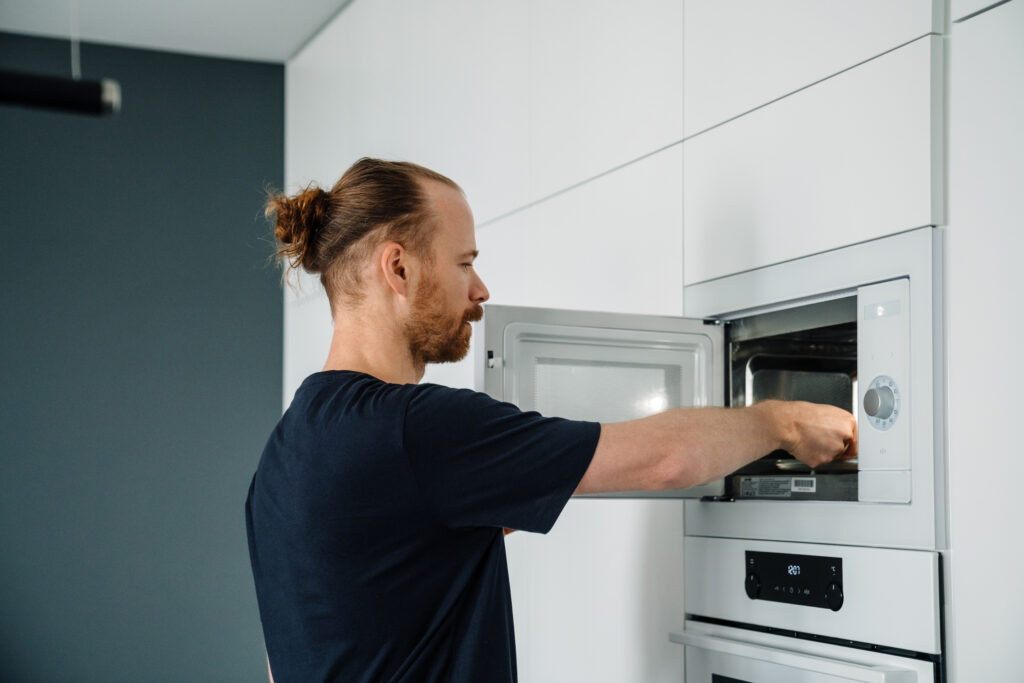
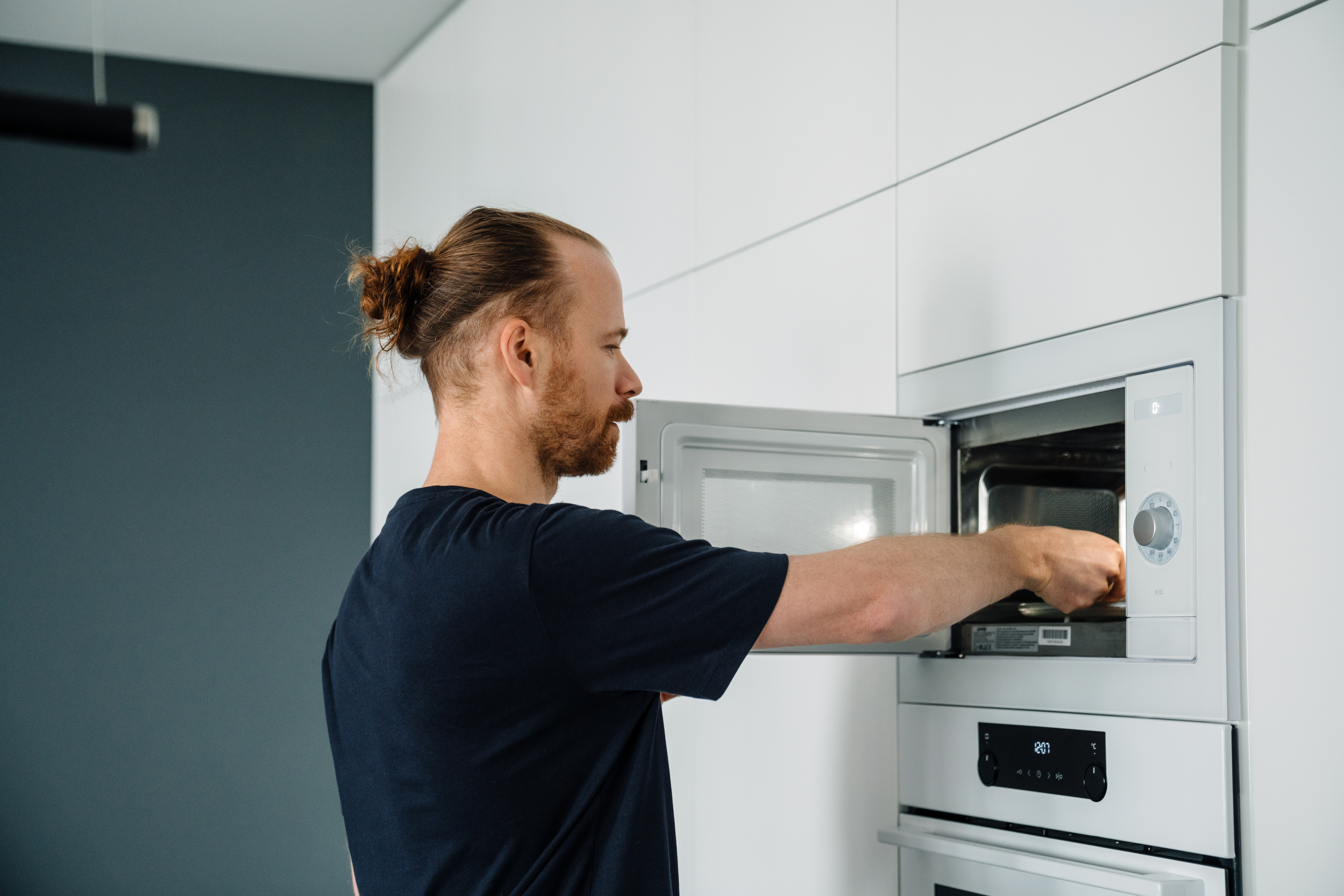
Can You Put Foil in the Microwave? Understanding the Risks and Realities for Homeowners
There’s a persistent question that continues to spark concern in kitchens across the country: can you put foil in the microwave? Whether you’re attempting to reheat leftovers, cover food for protection, or just curious about that crinkled piece you forgot on your plate—this is a topic worth unpacking, especially if you care about the longevity of your appliances. Homeowners need clear, concise answers about how these decisions tie into appliance care, safety, and even home warranties. Let’s explore what happens when foil goes head-to-head with your microwave and what this means for the integrity of your home systems.
What Is a Microwave Oven and How Does It Work?
Before diving into the heart of the foil debate, it helps to understand what exactly a microwave does. Unlike conventional ovens, microwaves use electromagnetic waves to excite water molecules in food, generating heat from the inside out. This efficient system means food cooks quickly and evenly—most of the time. The appliance contains a magnetron, which converts electricity into microwaves that bounce around the oven cavity, targeting your food in the process. It’s a brilliant application of physics packed into a compact box. But here’s the catch: the way microwaves interact with metal is where problems arise.
What Happens When You Put Foil in the Microwave?
Microwave ovens and metal tend to have a strained relationship. When metal—especially crinkled foil—enters a microwave, it can reflect the microwaves instead of absorbing them. Smooth metal surfaces may not pose an immediate threat, but when that metal is uneven, sharp-edged, or loosely placed, it can cause electrical arcing. That’s when sparks jump between the foil and another surface, like the wall of the microwave or another piece of metal. In some cases, this arcing can damage the interior walls, ruin the magnetron, or worse—start a fire. It’s not an exaggeration. The flames, the popping sounds, that sudden loss of appliance functionality—it’s all rooted in a simple act that’s misunderstood far too often.
Are There Safe Ways to Use Foil in a Microwave?
Surprisingly, yes, but it comes with caveats that need strict adherence. Some microwave manufacturers allow limited use of foil to shield delicate food parts—like covering wing tips or the edges of a pie crust—so they don’t overcook. However, the foil must be applied smoothly and should never touch the microwave walls. Equally important, you shouldn’t use foil in older or damaged microwaves where the internal coating or turntable functionality is compromised. Always read your microwave’s instruction manual. If it says “no foil,” don’t second-guess it. A minor misstep can lead to major appliance failure, which, depending on your home warranty, may or may not be covered.
How Microwaves Fit into Your Home Warranty
Now that we understand the scientific and practical implications, let’s talk protection. When a microwave is part of a built-in system—like over-the-range units—it often falls under the umbrella of a home warranty plan. A warranty helps cover the cost of repair or replacement for major appliances that fail due to normal wear and tear. However, it’s essential to note that misuse, such as putting prohibited materials like foil into the microwave and causing a breakdown, could void your warranty coverage. That’s the line between unexpected repair coverage and being left with the full bill for replacement. Understanding what actions can limit or nullify your protection should be part of every homeowner’s routine knowledge.
Common Misconceptions About Foil and Microwaves
There’s a persistent myth that any metal will instantly destroy a microwave. While it’s true that misuse can be dangerous, not all metals are deadly to your appliance. Some microwave-safe containers have foil liners or thin metal elements designed to withstand microwave energy safely. However, these components are engineered under specific standards. The distinction lies in design. Your kitchen foil isn’t built with microwave protection in mind. Just because you saw it done once without consequence doesn’t mean it’s a risk worth repeating. Over time, micro-damages accumulate, and a perfectly functioning microwave could turn into an expensive liability.
Signs of Microwave Damage From Metal Use
If you’ve accidentally microwaved foil—perhaps even more than once—there are a few signs of potential damage to watch for. A weakened magnetron could result in uneven heating. Interior burn marks or discolored walls are physical evidence of arcing. Loud buzzing, popping sounds, or burning smells during operation are immediate red flags. If you notice any of these, discontinue use and consult your appliance technician. And here’s another layer—you’ll want to verify whether your home warranty covers the microwave and if those kinds of user-inflicted damages are excluded. Often, misuse results in a denied claim, and understanding this before the issue arises can save you time, effort, and capital.
What Homeowners Should Do Instead
In situations where food needs protection during reheating or defrosting, choose alternatives approved for microwave use. Wax paper, parchment paper, and microwave-safe plastic are far safer options. Invest in microwave-safe dishware and covers to reduce mess and facilitate even heating. Keeping your microwave clean and used as intended not only protects your appliance but helps ensure ongoing warranty coverage remains intact. More importantly, it supports the longevity of a tool that many households depend on daily. Kitchen functionality is rarely appreciated until an appliance goes dark in the middle of a meal prep routine.
Protecting Your Appliances with Armadillo
Ultimately, knowing what your appliances can and can’t handle separates reactive maintenance from informed ownership. Avoiding common mistakes—like microwaving foil—can spare your home systems from irreversible damage. That’s where a dependable, transparent home warranty like Armadillo becomes essential. We protect built-in appliances such as microwaves when they malfunction through typical wear, giving you one less thing to worry about. No complex jargon. No ambiguous terms. Just straightforward protection that’s designed with homeowners in mind. Ready to make a smarter move for your home? Learn more at Armadillo or get started today by building your plan at Plan Builder.