Can You Plunge a Sink? What Homeowners Need to Know
Somewhere between a slow drain and a full-on backup, most homeowners find themselves standing in the bathroom or kitchen wondering if the plunger in the closet is actually going to do anything useful. Short answer: yes. Long answer: it depends on how you use it, what kind of sink you are dealing with, and whether the clog is even the type that responds to plunging. This guide breaks down everything you need to know about plunging a sink — the right way — so you are not making a bigger mess than the one you started with.
How a Sink Drain Actually Works
Before diving into technique, it helps to understand what is happening beneath that drain cover. Every sink in your home connects to a P-trap, which is that curved pipe section visible under most bathroom sinks. The P-trap holds a small amount of water at all times, and that water creates a seal that prevents sewer gases from coming back up into your home. Beyond the trap, the pipe connects to your home’s main drain line. Clogs typically form in one of three places: right at the drain opening, inside the P-trap, or further down the line. A plunger works best on clogs that are close to the surface. If the blockage is deep in the pipe or inside the P-trap itself, you may need a different approach entirely.
Types of Plungers and Which One Actually Belongs at a Sink
This is where a lot of homeowners get tripped up. Not all plungers are designed for the same purpose, and using the wrong one means you are fighting an uphill battle. There are three main types worth knowing about.
- Cup plunger: The classic red rubber plunger with a flat bottom. This is the correct tool for sinks, tubs, and shower drains. The flat cup creates a strong seal against a flat drain surface.
- Flange plunger: Designed specifically for toilets. It has an extended rubber flap that fits into the toilet drain opening. Using this on a flat sink drain will not give you a good seal.
- Accordion plunger: Generates a lot of force but is difficult to control and rarely needed for a standard sink clog.
Stick with the cup plunger for any sink. It is the right tool, and it makes the job significantly easier.
Step-by-Step: How to Plunge a Sink the Right Way
Technique matters more than force here. A lot of homeowners make the mistake of plunging as hard as possible, which can actually push the clog deeper rather than dislodging it. Start by removing any standing water if the sink is completely backed up — enough that you can work without it splashing everywhere. Next, block the overflow drain. Most bathroom sinks have a small overflow opening near the top of the basin. If you do not seal this, air pressure will escape through it instead of going down toward the clog. Use a damp cloth or duct tape to cover it. Position the cup plunger directly over the drain opening, making sure the rubber rim creates a complete seal with the basin floor. Add a small amount of water to the sink if it is dry — the plunger works on water pressure, not air. Push down slowly to release the air, then use quick, firm up-and-down strokes. After several pumps, pull the plunger up sharply to break the seal. Run water to check if the drain is clear. Repeat as needed.

Common Reasons a Sink Gets Clogged
Understanding what caused the clog helps you decide whether plunging is even the right first move. Bathroom sinks almost always clog from a buildup of hair, soap scum, and toothpaste residue accumulating near the stopper or inside the P-trap. Kitchen sinks are a different story — grease, food particles, and soap combine over time to create dense blockages that a plunger may only partially break up. If you are dealing with a kitchen sink that has been draining slowly for weeks, the clog is likely further down the line and may require a drain snake or professional attention.
When Plunging Is Not Going to Fix the Problem
A plunger is a first-response tool, not a universal solution. There are several situations where plunging will not resolve the issue and could actually cause damage if you push too hard. If multiple drains in your home are slow or backed up at the same time, that is a sign of a main line clog — plunging individual sinks will not touch it. If water backs up into another fixture when you run the sink, same issue. Older homes with galvanized steel or cast iron pipes can have significant buildup along the pipe walls that no amount of plunging will clear. And if you have recently poured chemical drain cleaner into the sink, stop — do not plunge. Those caustic chemicals can splash back and cause serious burns.
DIY Alternatives When the Plunger Falls Short
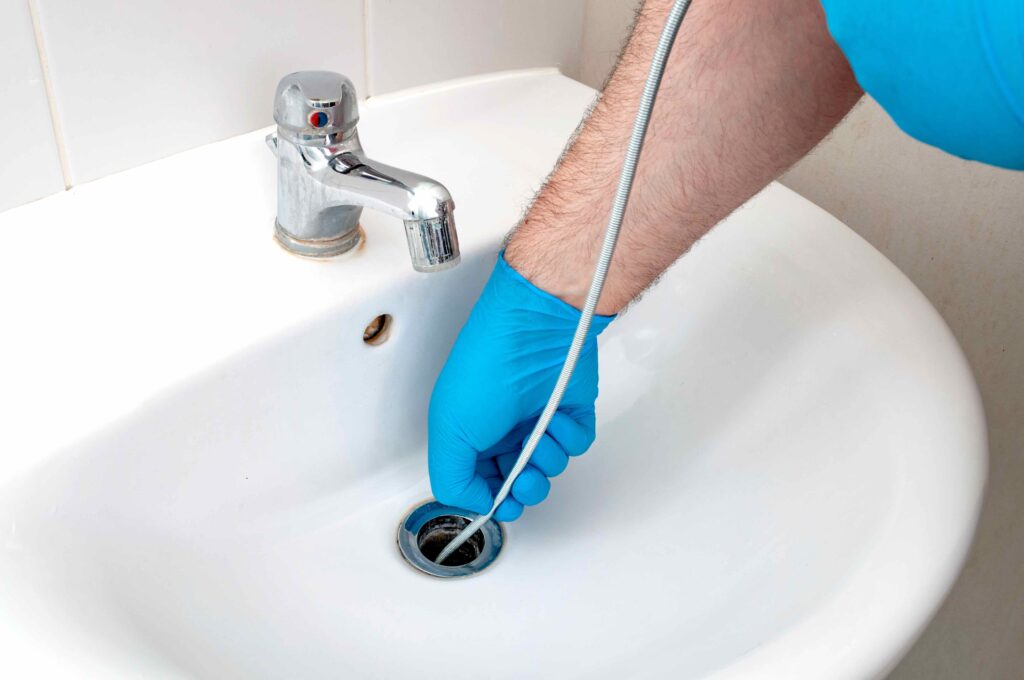
If plunging did not fully clear the drain, a few additional steps are worth trying before calling a plumber. Removing and cleaning the P-trap is surprisingly straightforward for most bathroom sinks — place a bucket underneath, unscrew the slip-joint nuts by hand or with pliers, and clear out whatever has accumulated inside. A manual drain snake, also called a hand auger, can reach several feet into the pipe and physically break up or retrieve a clog. For slower drains that are not fully blocked, a mixture of baking soda followed by white vinegar can help dissolve light soap and grease buildup over time, though this method is more maintenance than repair.
Preventive Habits That Keep Sink Drains Clear
The best drain clog is the one that never forms. A few consistent habits go a long way toward keeping your sink drains running freely throughout the year.
- Install a hair catcher over bathroom sink drains to intercept debris before it reaches the pipe.
- Run hot water down the drain after each use to help flush soap and residue through the line.
- Never pour cooking grease or oil down the kitchen sink — even with hot water running, grease solidifies and clings to pipe walls.
- Clean sink stoppers and drain covers monthly to remove buildup before it becomes a blockage.
- Have a professional plumber inspect your drain lines every few years, particularly in older homes.
What Home Warranties Cover When It Comes to Plumbing
This is a question that comes up often, and the answer is worth understanding clearly. Home warranties typically cover the repair or replacement of plumbing components that fail due to normal wear and tear. That generally includes interior supply lines, drain lines within the home’s structure, and plumbing fixtures. However, most standard home warranty plans do not cover drain clearing for stoppages — that tends to fall into a maintenance category rather than a mechanical failure. Some plans do offer drain line stoppages as an add-on or include it within more comprehensive coverage tiers. Knowing exactly what your plan covers before a plumbing issue arises is the kind of preparation that saves both time and money when something goes wrong.
Why Armadillo Is the Smart Choice for Homeowners Who Want Real Plumbing Protection
Plumbing issues have a way of showing up without any warning, and a slow drain today can turn into a full backup tomorrow. That is exactly the kind of uncertainty that a good home warranty is designed to address. Armadillo home warranty coverage for plumbing systems and appliances is built around transparency and straightforward service — no confusing exclusions buried in the fine print, no runaround when you need a repair. Armadillo focuses on the systems homeowners actually rely on every day, with coverage that reflects how homes really work. If you have been thinking about adding a layer of protection to your plumbing and home systems, now is a practical time to explore your options. Get a free home warranty quote to protect your sink and plumbing system in just a few minutes and see what a plan that actually makes sense looks like for your home.

Frequently Asked Questions About Plunging a Sink
These are the questions homeowners ask most often when dealing with a clogged or slow-draining sink.
Can you use a toilet plunger on a sink?
Technically yes, but it is not ideal. A toilet plunger has a flange designed for curved toilet drains and will not create a proper seal on a flat sink basin. A cup plunger is the correct and more effective tool for sink drains.
How long should you plunge a sink before giving up?
If after three to four rounds of ten to fifteen plunging strokes the drain has not improved, the clog is likely beyond where a plunger can reach. At that point, a drain snake or professional service is the next appropriate step.
Is it safe to plunge a sink after using drain cleaner?
No. If chemical drain cleaner is still present in the drain, plunging can force those caustic chemicals back up and out of the drain, creating a serious risk of chemical burns to skin and eyes. Always wait and flush thoroughly with water before attempting any mechanical clearing.
Why does water come up in the other sink when I plunge?
When water backs up into an adjacent fixture, it signals that the clog is located in a shared drain line rather than in the individual sink’s pipe. Plunging one sink will not resolve this — the shared section of drain line needs to be cleared, which typically requires a plumber.
Can plunging damage sink pipes?
In most homes with modern PVC pipes, moderate plunging will not cause damage. However, aggressive plunging in older homes with corroded or brittle pipes can stress joints and connections. Always use controlled, firm strokes rather than excessive force.
What is the overflow drain on a bathroom sink and why does it matter when plunging?
The overflow drain is a small opening near the top of the sink basin that prevents water from spilling over the edge. When plunging, air escapes through this opening instead of traveling toward the clog. Sealing it with a damp cloth before plunging directs pressure where it is needed most.
Does a home warranty cover sink clogs?
Coverage varies by plan. Many standard home warranty plans cover plumbing system components but exclude drain clearing for stoppages, treating it as a maintenance issue. Some plans offer stoppage coverage as part of a more comprehensive tier or as an add-on. Review your plan terms carefully.
How often should sink drains be professionally cleaned?
For most homes, having a plumber inspect and clean drain lines every two to three years is a reasonable maintenance interval. Homes with older pipes, large households, or recurring slow drains may benefit from more frequent attention.
Can a slow sink drain fix itself over time?
A slow drain will not resolve on its own. Partial clogs tend to accumulate additional debris and worsen gradually until the drain becomes completely blocked. Addressing a slow drain early with plunging or a drain snake is far easier than dealing with a full backup later.
What is the most common cause of a bathroom sink clog?
Hair is the leading cause of bathroom sink clogs. It combines with soap residue and toothpaste buildup near the stopper and drain opening, eventually restricting water flow. Installing a hair catcher and cleaning the stopper regularly are the most effective preventive measures.