Can You Pour Vinegar Down the Drain? What Every Homeowner Should Know
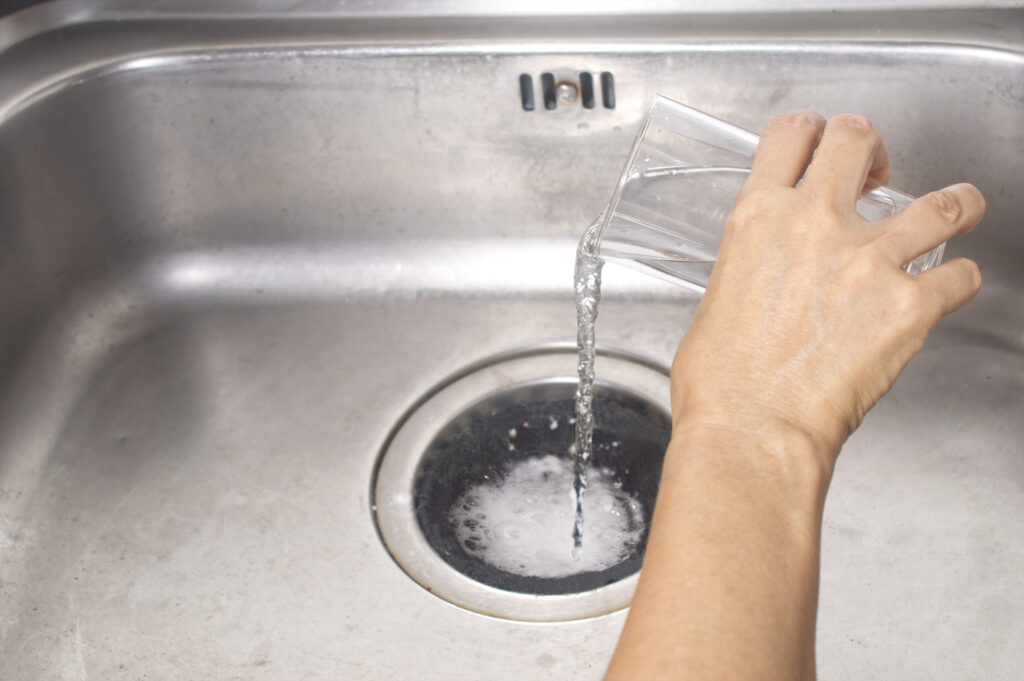
Vinegar is one of those household staples that ends up in almost every DIY cleaning guide on the internet. It cuts grease, neutralizes odors, and dissolves mineral deposits. So it makes sense that people reach for it when their drains start running slow or smelling like something crawled in and gave up. But before you pour a whole bottle down your kitchen sink, it is worth understanding what actually happens when vinegar meets your plumbing — and whether it helps or quietly causes problems over time.
What Vinegar Actually Does Inside Your Plumbing
White distilled vinegar is a diluted acetic acid, typically sitting around five percent concentration. When it enters your drain, it interacts with whatever is coating the inside of your pipes — soap scum, hard water deposits, grease buildup, and general grime. The acid works by breaking down alkaline substances, which is why it is so effective at dissolving limescale and mineral deposits left behind by hard water. In the short term, it can loosen debris and help restore water flow in mildly slow drains. The issue is that vinegar does not discriminate. It reacts with whatever it touches, and that includes your pipes and the mechanical components of your plumbing system.
Is It Safe for All Types of Pipes
This is where things get a little more nuanced. For most modern homes with PVC or CPVC plastic pipes, small and occasional amounts of vinegar are generally considered safe. The acidity level is low enough that it will not cause immediate damage. However, older homes with metal pipes — specifically galvanized steel or copper — are a different story. Repeated exposure to acidic solutions can accelerate corrosion in metal piping over time. The keyword there is repeated. Using vinegar once in a while is unlikely to cause noticeable harm. Using it as your go-to weekly drain treatment is a different habit entirely, and one that plumbers tend to push back on when homeowners describe their routines.
The Baking Soda and Vinegar Combo — Does It Actually Work
Practically every natural cleaning guide recommends combining baking soda and vinegar for a satisfying fizzing reaction that supposedly blasts through clogs. It is visually convincing. The problem is that the reaction between baking soda, which is a base, and vinegar, which is an acid, produces water and carbon dioxide. That fizzing mostly cancels out both ingredients before they have a real chance to do anything useful deep in the drain. The foam might agitate surface-level residue, but it is not going to dislodge a serious clog or break down a grease buildup sitting twelve inches down in the pipe. It is more theatrical than therapeutic, honestly.

When Vinegar Is Actually a Useful Drain Solution
There are legitimate use cases for vinegar in drain maintenance, and it is worth knowing what they are so you can apply it strategically rather than habitually. Vinegar performs best in the following situations:
- Removing hard water mineral buildup around drain fixtures and drain covers
- Neutralizing mild odors caused by organic residue sitting near the drain opening
- Cleaning the removable drain stopper or strainer as a separate component outside the pipe
- Maintaining a freshly cleaned drain after professional servicing
Used intentionally and infrequently, vinegar can be a practical part of a broader home maintenance routine. The issue arises when homeowners use it as a substitute for real plumbing maintenance or as a repeated treatment for persistent clogs.
What Happens When Vinegar Reaches the P-Trap and Beyond
Most drains have a P-trap, that curved section of pipe visible under your sink. It holds a small amount of water to block sewer gases from entering your home. When you pour vinegar down the drain, it passes through this curve and continues into the main drain line. The concern for plumbers is that the vinegar that lingers in the P-trap, especially in higher concentrations, can wear at rubber seals and gaskets over time. These seals are what keep connections watertight. A slow deterioration of that rubber means slow leaks, and slow leaks mean water damage — the kind that shows up quietly behind your cabinet doors before becoming a genuinely expensive problem.
Better Alternatives for Regular Drain Maintenance
If vinegar is not the ideal solution, what actually works for keeping drains clean and flowing properly? There are a few approaches worth keeping in your rotation:
- Flush drains weekly with hot water to move grease and soap residue along before it solidifies
- Use enzymatic drain cleaners, which use natural bacteria to break down organic buildup without damaging pipe materials
- Install a drain strainer to catch hair and debris before it ever enters the pipe
- Schedule periodic professional drain cleaning, especially for older homes or homes with frequent clog issues
These habits address the root causes of drain problems rather than temporarily masking symptoms. They are also far less likely to contribute to premature wear on your plumbing system.
When a Slow Drain Signals a Bigger Plumbing Problem
Here is the thing about slow drains — sometimes they are just slow because of buildup, and sometimes they are slow because something more significant is happening deeper in your plumbing system. Tree root intrusion, collapsed sections of pipe, and venting issues can all produce symptoms that look exactly like a routine clog. Pouring vinegar down the drain repeatedly while assuming it is just buildup can delay identification of a real problem. If a drain is consistently slow despite regular cleaning efforts, that is a plumber conversation, not a pantry solution. The sooner that distinction gets made, the smaller the repair bill tends to be.
Protecting Your Plumbing System as a Whole
Your home’s plumbing system is one of the most used and least visible systems in the entire structure. It runs behind walls, under floors, and through spaces most homeowners never see until something goes wrong. Treating it well means understanding not just what is safe to pour down the drain, but also recognizing that the pipes, fittings, water heater, and related components all have finite lifespans. Consistent maintenance extends those lifespans. Neglect or well-intentioned but misguided home remedies can shorten them. Thinking of your plumbing as a system worth protecting — rather than a series of individual problems to solve as they appear — is one of the more valuable mindset shifts a homeowner can make.
How Armadillo Helps Protect Your Plumbing and Home Systems
Maintaining your plumbing is one thing. Being financially prepared when something breaks despite your best efforts is another. That is where a home warranty earns its value. Armadillo home warranty plans for plumbing systems and major home appliances are built around the reality that homeownership comes with unpredictable repair costs, and that even well-maintained systems eventually fail. Whether it is a leaking P-trap gasket, a failing water heater, or a drain line issue that goes beyond what any amount of vinegar could fix, having coverage in place means you are not starting from zero when the bill arrives. If you want to know what protection looks like for your specific home, you can get a personalized home warranty quote for your plumbing and systems coverage in just a few minutes. Armadillo keeps it straightforward — no confusing tiers, no runaround, just honest coverage for the home you actually live in.

Frequently Asked Questions About Pouring Vinegar Down the Drain
Is it safe to pour vinegar down the kitchen sink drain?
Yes, in small and infrequent amounts, vinegar is generally safe for kitchen sink drains, especially those with PVC pipes. Avoid making it a regular habit, as repeated exposure can affect rubber seals and, in older homes, metal pipe integrity over time.
Can vinegar damage PVC pipes?
Diluted white vinegar at typical household concentrations is unlikely to damage PVC pipes from occasional use. However, high concentrations or very frequent applications over an extended period can degrade the material and surrounding gaskets.
Will vinegar unclog a slow drain?
Vinegar may help with minor buildup near the drain opening, but it is not effective at clearing actual clogs deeper in the pipe. For persistent slow drains, enzymatic cleaners or professional drain cleaning are more reliable options.
Does the baking soda and vinegar method actually clear drains?
The fizzing reaction between baking soda and vinegar largely neutralizes both substances before they can do meaningful work in the pipe. It may dislodge minor surface residue but is not a reliable solution for clogs or significant buildup.
How often can I safely use vinegar to clean my drains?
Using vinegar on drains once a month at most is a reasonable guideline for homes with modern plastic plumbing. For older homes with metal pipes, it is better to avoid regular vinegar use altogether and opt for gentler enzymatic cleaners.
Can vinegar damage a garbage disposal?
Vinegar is sometimes recommended for deodorizing garbage disposals, and short exposure is generally harmless. Soaking or prolonged contact is not recommended, as it can corrode the metal components inside the disposal over time.
What is the best natural alternative to vinegar for cleaning drains?
Enzymatic drain cleaners are the most effective natural alternative. They use beneficial bacteria to digest organic matter inside pipes without introducing acidity or risking damage to pipe materials or seals.
Does vinegar kill drain flies or eliminate drain odors?
Vinegar can help reduce mild odors caused by surface-level organic residue near the drain opening. It is less effective against deeper odor sources or drain fly infestations, which typically require more thorough cleaning or professional attention.
When should I call a plumber instead of trying home remedies?
If a drain is consistently slow despite regular maintenance, if multiple drains are slow simultaneously, or if you notice gurgling sounds or sewer odors, those are signs of a deeper plumbing issue that warrants a professional inspection rather than home remedies.
Does a home warranty cover plumbing drain issues?
Coverage varies by plan and provider. Many home warranty plans cover plumbing system components including drain lines and pipe leaks caused by normal wear and tear. Reviewing your specific plan details will clarify what is and is not included under your coverage.