Can You Put Shoes in the Dryer? What Every Homeowner Should Know
It happens to the best of us. A pair of sneakers comes out of the wash soaking wet, and the instinct is to just toss them in the dryer and move on. It seems harmless enough, right? But before you do that, it is worth understanding what actually happens inside your dryer when shoes go in, what it can mean for your appliance over time, and how those small decisions add up to bigger maintenance concerns. This is not about making laundry complicated. It is about giving you the information to make smarter choices about the machines that run your home every single day.
How Your Dryer Actually Works
Your dryer is doing something fairly straightforward on the inside. A drum rotates while heated air circulates through it, pulling moisture away from fabrics and pushing it out through a vent. The heating element, the motor, the drum belt, and the thermostat all work together in a pretty coordinated way. Most residential dryers are built to handle soft, flexible fabrics that tumble freely and absorb heat evenly. Shoes, especially hard-soled ones, introduce a different kind of stress into that system. They do not tumble the same way clothing does. They bang around. They are dense. They hold heat differently. And depending on the material, they may not respond well to sustained high temperatures at all.
The Real Risks of Putting Shoes in the Dryer
There are a few things that can go wrong, and some of them are more serious than others. On the shoe side, heat can warp soles, break down adhesives, and shrink certain materials. Leather and suede should never go near a dryer. Canvas and mesh sneakers have more tolerance, but even they can suffer. On the appliance side, the bigger concern is mechanical wear. Shoes repeatedly striking the drum interior can cause dents, scratches, or damage to the drum baffles. The consistent thudding also puts strain on the drum bearings and the drive belt over time. This is the kind of slow, cumulative damage that does not announce itself until something actually fails.
What Types of Shoes Can Tolerate the Dryer
Not all shoes carry the same level of risk. Some handle the heat and tumbling better than others.
- Canvas sneakers and athletic shoes made from synthetic mesh are generally the most dryer-tolerant, though low heat settings are still recommended.
- Rubber-soled shoes can often handle short dryer cycles without major damage, but prolonged exposure can still cause sole separation.
- Leather, suede, and dress shoes should always air dry. Heat and these materials are simply incompatible.
- Shoes with memory foam insoles may lose their shape and cushioning if exposed to dryer heat regularly.
- Any shoe with decorative embellishments, glued components, or delicate hardware should stay out of the dryer entirely.
How to Dry Shoes Without Damaging Your Dryer
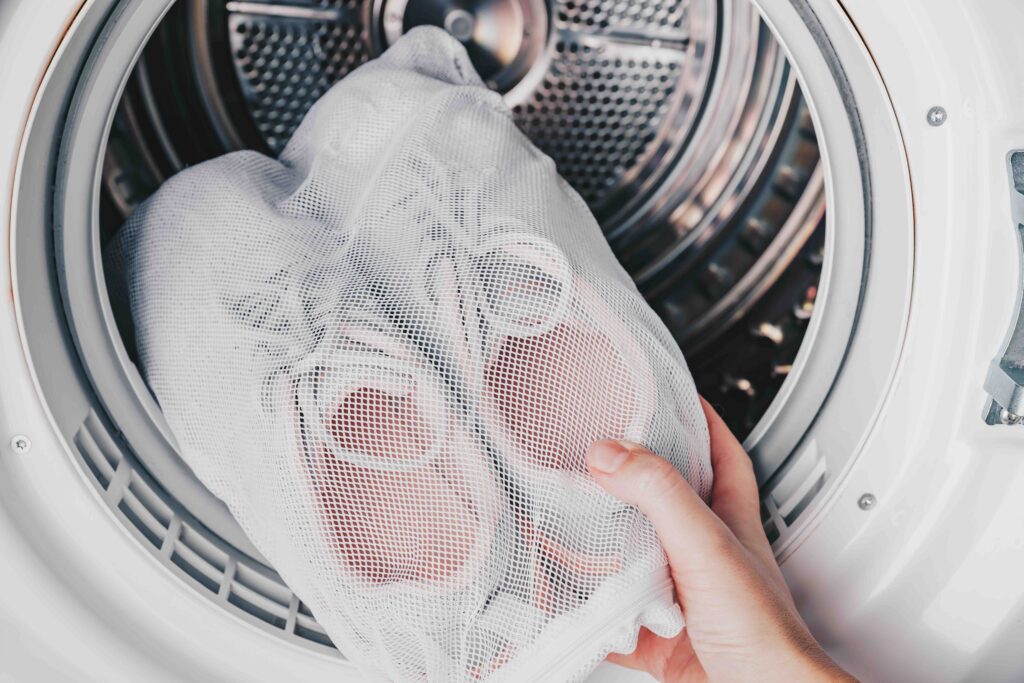
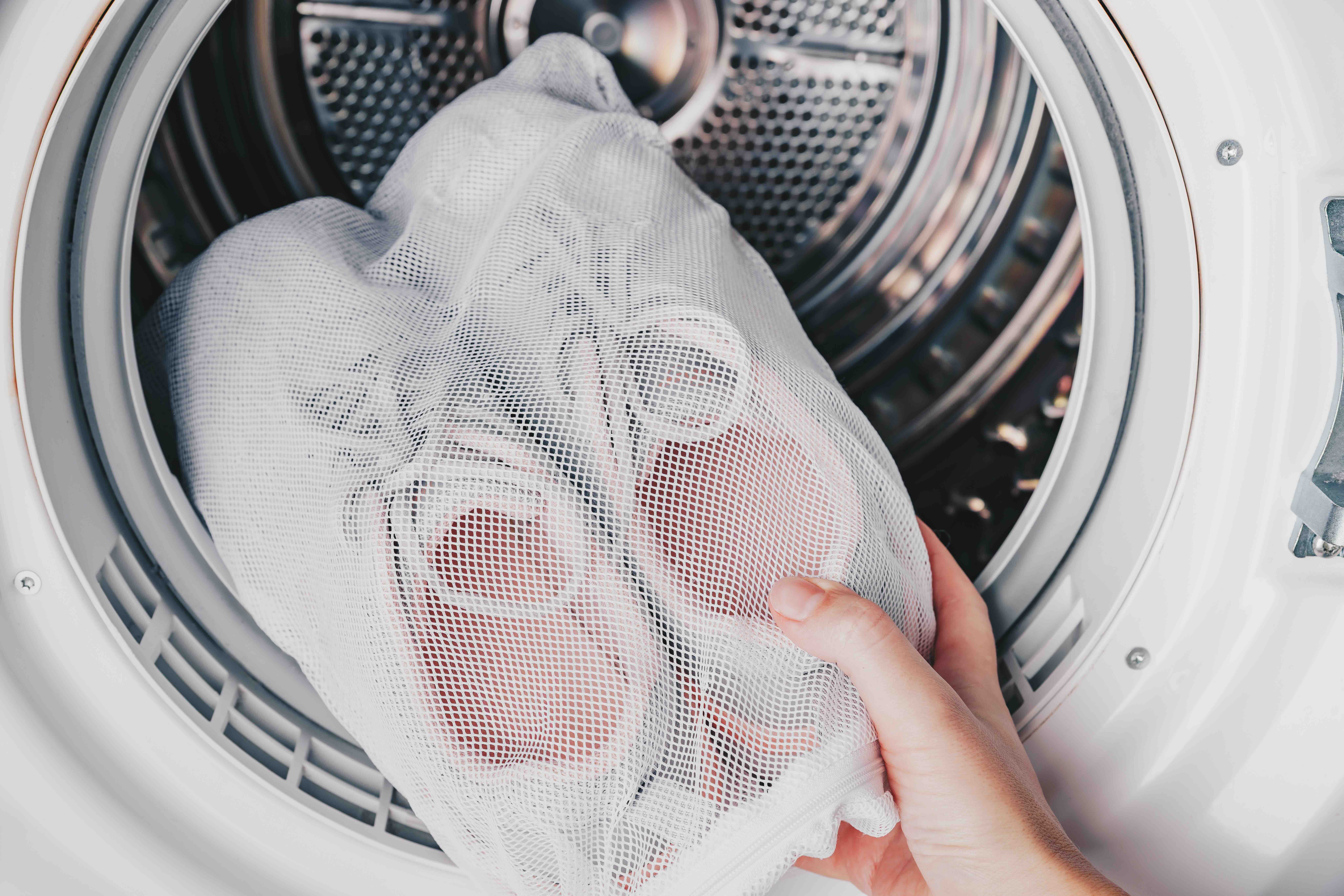
If you do decide to put sneakers in the dryer, there is a technique that reduces the mechanical stress significantly. Many people hang their shoes by their laces from the dryer door so the shoes are suspended and do not tumble freely inside the drum. This eliminates most of the banging while still allowing warm air to circulate around them. Using a mesh laundry bag is another option that limits how forcefully the shoes can strike the drum walls. Running the dryer on a low heat or air-only setting also reduces the risk of material damage to both the shoes and the machine. These are small adjustments, but they make a meaningful difference.

Signs Your Dryer May Already Be Showing Wear
Whether it was shoes, overloading, or just years of regular use, dryers give off some fairly recognizable signals when something is starting to go wrong. If you are hearing squealing, grinding, or thumping sounds during a normal cycle, those sounds often point to worn drum bearings, a failing drive belt, or damaged drum glides. If your dryer is taking longer than usual to dry a standard load, the heating element may be struggling or the vent could be partially blocked. A burning smell is always worth investigating immediately. These are not issues to ignore, and they tend to get more expensive the longer they go unaddressed.
The Real Cost of Dryer Repairs
Appliance repairs have a way of showing up at the worst possible time. A dryer drum bearing replacement can run anywhere from one hundred fifty to three hundred dollars depending on the model and the labor involved. A heating element repair sits in a similar range. Drive belt replacements are generally on the lower end but still require a technician visit. And if the motor itself fails, you are looking at a cost that may make replacement a more practical option than repair. The point here is not to alarm anyone. It is to illustrate that dryers are not inexpensive appliances to fix, and the habits that lead to mechanical wear are worth taking seriously.
Dryer Maintenance Tips That Actually Make a Difference
Most dryer maintenance is not complicated. It just tends to get overlooked in the day-to-day flow of a busy household.
- Clean the lint trap after every single load. This is the most impactful thing you can do for dryer efficiency and fire prevention.
- Have the dryer vent professionally cleaned at least once a year. Lint buildup in the ductwork is a leading cause of dryer fires and performance issues.
- Avoid overloading the drum. Oversized loads strain the motor and prevent proper airflow, which means longer drying times and more wear.
- Check the exterior vent periodically to make sure it opens and closes freely and is not obstructed by debris or pests.
- Keep the area around the dryer clear and ensure there is adequate space for the appliance to ventilate properly.
When a Home Warranty Enters the Picture
Here is where things get practical from a homeowner standpoint. Your dryer is one of the appliances you depend on daily, and when it breaks down, the disruption is immediate. A home warranty plan that covers major appliances can take a significant amount of financial pressure off situations exactly like this. Rather than facing a repair bill that was not in the budget, you have a plan in place that handles the diagnosis and the fix. For homeowners who are already thinking carefully about appliance care, having warranty coverage is a natural extension of that mindset. It closes the gap between what good maintenance can prevent and what simply happens over time.
Why Armadillo Is the Right Coverage Partner for Your Home Appliances
When your dryer starts making noises it should not be making or stops heating the way it used to, the last thing you want is to navigate a repair situation without any support. That is exactly the kind of coverage gap that Armadillo home warranty plans for major appliances and home systems are designed to close. Armadillo keeps things simple and transparent, which is genuinely rare in this industry. There are no confusing exclusion lists buried in fine print and no runaround when you file a claim. Coverage is straightforward, the service network is reliable, and the whole process is built around making your life easier. If you have been thinking about protecting your dryer and the other appliances your household depends on, now is a good time to get a free home warranty quote that covers your dryer and laundry appliances and see exactly what a plan would look like for your home. It takes about sixty seconds and the clarity it gives you is worth every bit of that.

Frequently Asked Questions About Putting Shoes in the Dryer
These are the questions homeowners ask most often when it comes to shoes, dryers, and appliance care.
Can putting shoes in the dryer damage the appliance?
Yes, over time it can. Hard-soled shoes that tumble freely inside the drum can damage drum baffles, strain the drive belt, and wear down drum bearings. The cumulative effect of repeated impacts adds mechanical stress that shortens the appliance’s lifespan.
What is the safest way to dry shoes in a dryer?
Hang the shoes by their laces from the dryer door so they are suspended and do not strike the drum. Use the lowest heat setting available or an air-only cycle. A mesh laundry bag also helps reduce the force of impact.
Can I put sneakers in the dryer?
Canvas and mesh athletic sneakers are generally the most dryer-compatible shoe types, but low heat is always recommended. Avoid high heat settings, which can warp soles and break down the adhesive that holds shoes together.
How long does it take to air dry shoes?
Most shoes air dry fully within six to twelve hours depending on the material and the level of moisture. Placing them near a fan or in a well-ventilated area speeds up the process considerably.
What shoes should never go in the dryer?
Leather, suede, and dress shoes should never be placed in a dryer. Shoes with memory foam insoles, decorative hardware, or glued embellishments are also poor candidates for dryer use regardless of heat setting.
Does a home warranty cover dryer repairs?
Many home warranty plans do cover dryer repairs, including mechanical and electrical failures. Coverage specifics vary by provider, so it is worth reviewing the appliance coverage details of any plan you are considering.
How often should a dryer vent be cleaned?
A dryer vent should be professionally cleaned at least once per year. Households that do large volumes of laundry or have longer vent runs may benefit from cleaning every six months. Lint buildup in the ductwork is a fire hazard and a leading cause of dryer inefficiency.
What are the signs that a dryer needs repair?
Common warning signs include unusual sounds during operation such as squealing or grinding, longer-than-normal drying times, a burning smell, excessive heat on the exterior of the machine, or the dryer shutting off before a cycle completes.
Is it better to repair or replace a failing dryer?
If the repair cost exceeds fifty percent of the appliance’s current replacement value and the unit is more than eight to ten years old, replacement is often the more cost-effective choice. A home warranty can make this decision easier by covering repair costs that would otherwise tip the scale toward replacement.
How does shoe material affect dryer safety?
Shoe material is one of the most important factors to consider. Natural materials like leather and suede are highly heat-sensitive and will degrade quickly. Synthetic materials like polyester mesh have more tolerance but are still vulnerable to adhesive breakdown under sustained heat. Understanding what your shoes are made of before putting them in the dryer is a practical first step.