Can You Really Wash Sneakers in a Washing Machine? What Every Homeowner Should Know
At some point, most homeowners have stood at the washing machine door holding a pair of grimy sneakers and wondered — can I just throw these in? It is a fair question. The answer is nuanced, and it connects to something bigger than clean shoes. Your washing machine is one of the hardest-working appliances in your home, and understanding how to use it properly — including what it can and cannot handle — is part of being a smart homeowner. This guide walks through the sneakers-in-the-washer debate, what it means for your machine’s health, and how home warranty coverage fits into the picture.
How Your Washing Machine Actually Works
Before tossing anything unconventional into the drum, it helps to understand what is happening inside that appliance. A washing machine operates through a combination of water intake, drum rotation, agitation, draining, and spin cycles. The motor drives the drum, the pump manages water flow, and sensors regulate temperature and load balance. Each of these components is engineered for fabric loads — soft, flexible, and relatively uniform in weight. When something heavy, rigid, or unevenly shaped enters the drum, it disrupts that balance. The machine compensates by working harder, which places stress on bearings, the drum itself, and the motor over time.
What Happens When Sneakers Go in the Wash
Here is where things get interesting. Sneakers — especially heavier ones like running shoes or boots with thick rubber soles — create a thumping, uneven load inside the drum. Every rotation sends them knocking against the drum walls. That repeated impact is not just noisy. It accelerates wear on the drum bearings and suspension rods that keep everything balanced and quiet. On top of that, the rubber and glue components in certain shoes can degrade under heat, leaving residue inside the drum or clogging drain components. Canvas sneakers and lightweight athletic shoes generally hold up better than leather or heavily structured footwear, but the machine still bears the brunt of the effort.
Tips for Washing Sneakers Safely Without Damaging Your Appliance
If you are going to wash sneakers in your machine — and plenty of people do — there are ways to reduce the risk to your appliance significantly. Following a few straightforward practices can make a real difference in how your washer handles the load.
- Remove laces and insoles before washing to reduce tangling and allow for more even cleaning
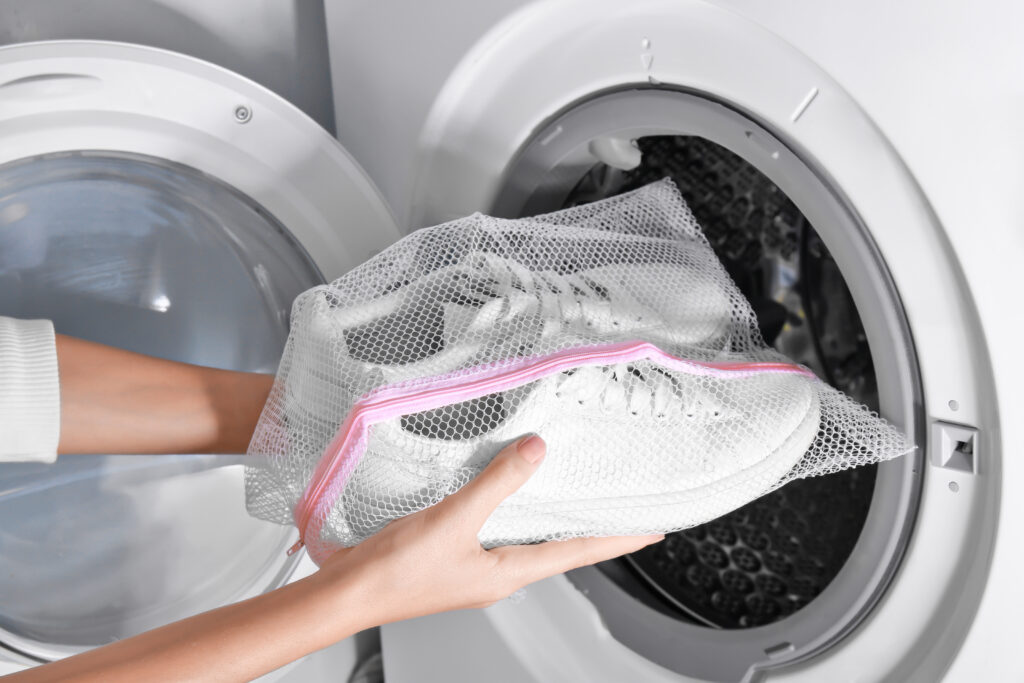
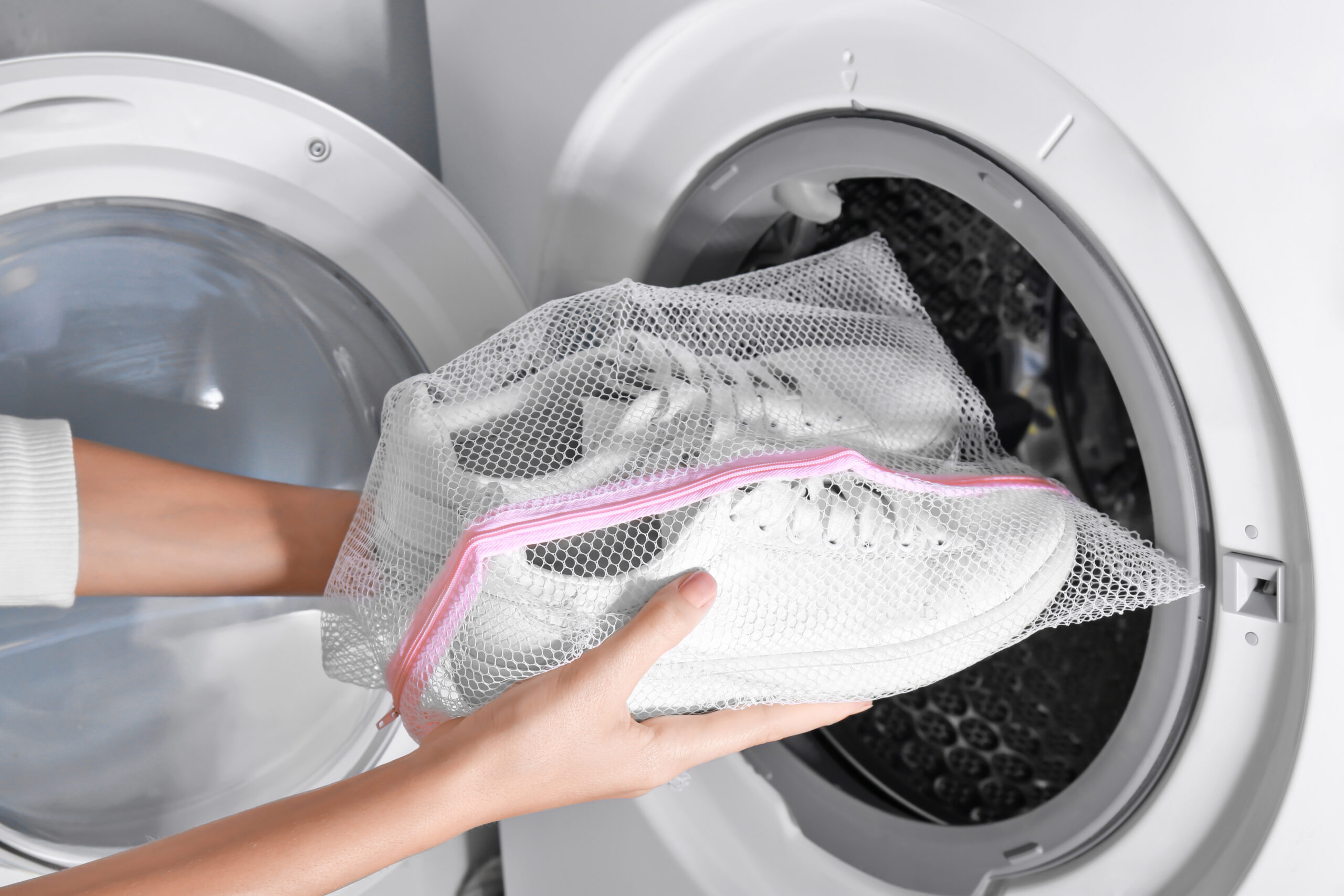
- Place sneakers in a mesh laundry bag or pillowcase to cushion impact against the drum
- Add towels or other soft items to balance the load and dampen noise and vibration
- Use a cold, gentle cycle — heat can warp soles and weaken adhesives
- Skip the spin cycle or use the lowest setting to avoid high-impact rotation with heavy shoes
- Never wash more than two pairs at once, especially if they are heavy
These steps will not eliminate all risk, but they reduce the mechanical strain on your machine considerably. Think of it as defensive appliance use — you get the result you need while protecting the equipment doing the work.
Signs Your Washing Machine May Be Struggling
Sometimes the damage from years of hard use — sneakers or otherwise — shows up gradually. Washing machines give off signals when something is not quite right, and catching those early can save a homeowner a significant amount of money. A drum that vibrates excessively during spin cycles may have worn bearings or a failing suspension system. Water pooling at the bottom after a cycle often points to a drain pump issue. Error codes on digital displays are worth looking up rather than ignoring. Loud banging during agitation, a machine that walks across the floor during a spin, or cycles that take unusually long are all worth investigating. None of these symptoms fix themselves, and all of them get worse with continued use.

The Real Cost of Washing Machine Repairs
Washing machine repairs are not always cheap, and the cost varies widely depending on the component involved. A simple lid switch replacement might run under a hundred dollars. Replacing drum bearings, however, can cost several hundred dollars in parts and labor — and that is assuming the technician does not find secondary damage once they are inside the machine. A failed pump or motor can push repair costs into the range where homeowners have to decide whether fixing the unit or replacing it makes more financial sense. For a machine that sees heavy use, those decisions come up more often than most people expect. That is exactly where a home warranty becomes a practical financial tool rather than just a line item on a budget.
What a Home Warranty Covers When It Comes to Laundry Appliances
A home warranty is a service contract that covers the repair or replacement of major home systems and appliances when they break down due to normal wear and tear. Most standard home warranty plans include washer and dryer coverage, which means if your washing machine motor fails, the pump stops working, or the drum develops a mechanical fault, the warranty provider arranges a service call and covers the repair cost — minus whatever service fee applies to your plan. This is distinctly different from homeowners insurance, which covers damage from events like fires or flooding, not mechanical failure. For homeowners with older appliances or machines that see heavy daily use, a warranty can prevent a single repair bill from becoming a serious financial disruption.
What Home Warranties Typically Do Not Cover
Understanding the limitations of a home warranty is just as important as knowing its benefits. Most warranty contracts exclude damage caused by misuse or abuse — and this is where the sneaker conversation comes full circle. If a homeowner regularly washes heavy, unbalanced loads that accelerate mechanical wear and the machine fails, the warranty provider may investigate the cause before approving a claim. Coverage generally applies to mechanical and electrical breakdowns from normal use. Cosmetic damage, pre-existing conditions, and damage caused by improper installation are also commonly excluded. Reading the contract carefully before purchasing — and understanding what qualifies as normal use — helps homeowners avoid surprises when it is time to file a claim.
Extending the Life of Your Washing Machine
Outside of the sneaker debate, there are consistent habits that help washing machines last longer and perform better. Running full loads rather than frequent small ones improves efficiency and reduces motor strain. Using the correct type and amount of detergent — particularly in high-efficiency machines — prevents buildup that can damage internal components over time. Leaving the door open after a cycle allows moisture to escape, reducing the risk of mold and seal deterioration. Periodically cleaning the drum with a machine cleaner removes residue that accumulates and affects performance. And periodically checking hoses for cracks or bulging is a simple way to prevent a slow failure from becoming a sudden flood. Small habits add up.
Why Armadillo Is Worth Considering for Washing Machine and Appliance Protection
If your washing machine — or any major appliance in your home — broke down tomorrow, would you be financially prepared to handle it? That is the honest question every homeowner should sit with. Armadillo is a home warranty provider built for modern homeowners who want real appliance and system protection without confusing fine print or a frustrating claims process. The platform is transparent about what is covered, straightforward to navigate, and designed to actually help when something goes wrong — not find reasons to avoid it. Whether your washer is dealing with the aftermath of too many sneaker cycles or simply the wear that comes from years of reliable service, having coverage in place means one phone call gets the process moving. You can get a free home warranty quote for washing machine and appliance coverage in just a few minutes and see exactly what a plan would look like for your home. That kind of peace of mind — especially around the appliances you use every single day — is genuinely worth it.
Frequently Asked Questions About Washing Machines, Sneakers, and Home Warranty Coverage
Is it safe to put sneakers in the washing machine?
It depends on the shoe type and how you prepare them. Lightweight canvas or mesh sneakers generally tolerate machine washing when placed in a mesh bag with a balanced load on a gentle, cold cycle. Heavy or structured shoes with thick rubber soles pose more risk to the drum and bearings and are better cleaned by hand.
Can washing sneakers in a washing machine void a home warranty?
Not directly, but if a warranty provider determines that repeated misuse or unbalanced loading contributed to a mechanical breakdown, they may classify the damage as resulting from abuse rather than normal wear and tear, which could affect your claim. Always review your warranty contract’s terms around appliance use.
What washing machine components are most commonly covered by a home warranty?
Most home warranty plans cover the motor, pump, drum, transmission, electrical components, and control boards. Coverage specifics vary by provider and plan tier, so reviewing the contract details before purchasing is essential.
How long does a washing machine typically last?
The average washing machine lasts between 10 and 13 years with regular maintenance and normal use. Front-load machines and high-efficiency top-loaders may have slightly different longevity curves depending on the brand and usage frequency.
What should I do if my washing machine starts making loud banging noises?
Stop the cycle and check for an unbalanced load first — this is the most common cause. If redistributing the load does not resolve the noise, the issue may involve worn drum bearings, damaged suspension rods, or a failing shock absorber, all of which require a professional technician to assess.
Does homeowners insurance cover washing machine breakdowns?
No. Homeowners insurance covers damage caused by specific events like fire, flooding, or theft. It does not cover mechanical or electrical failures from normal wear and tear. A home warranty is the product designed to address that type of breakdown.
How often should I clean my washing machine?
Running a cleaning cycle once a month is generally recommended for machines used frequently. Using a drum cleaner tablet or a machine-specific cleaning product helps remove soap residue, mineral deposits, and bacteria that accumulate over time and affect performance.
Can I wash all types of sneakers in the washing machine?
No. Leather, suede, and heavily structured athletic or work shoes should not go in the washing machine. These materials can be permanently damaged by water and agitation. Stick to canvas, mesh, or synthetic lightweight sneakers when machine washing is necessary.
What is the difference between a home warranty and an appliance extended warranty?
An appliance extended warranty typically covers a single appliance and is often sold at the point of purchase. A home warranty covers multiple appliances and home systems under one plan, usually on an annual subscription basis, making it a broader and often more cost-effective solution for homeowners.
When is the best time to purchase a home warranty for appliance coverage?
The best time is before something breaks. Purchasing a home warranty when your appliances are still functional ensures that normal wear and tear breakdowns are covered from the start of the policy. Many providers have a short waiting period after purchase before coverage activates, so planning ahead matters.