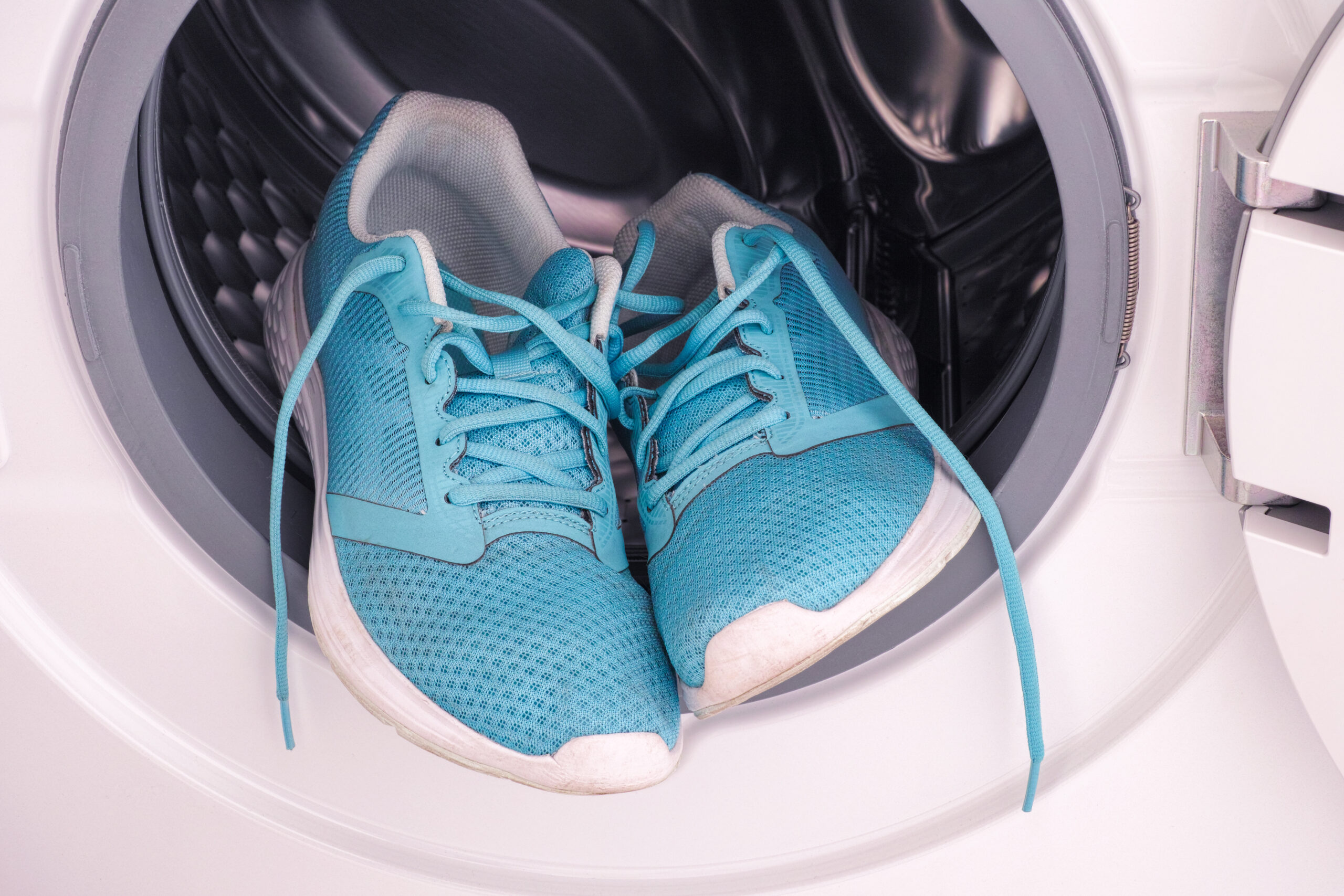
Can You Wash Running Shoes? What Every Homeowner Should Know About Appliance Care
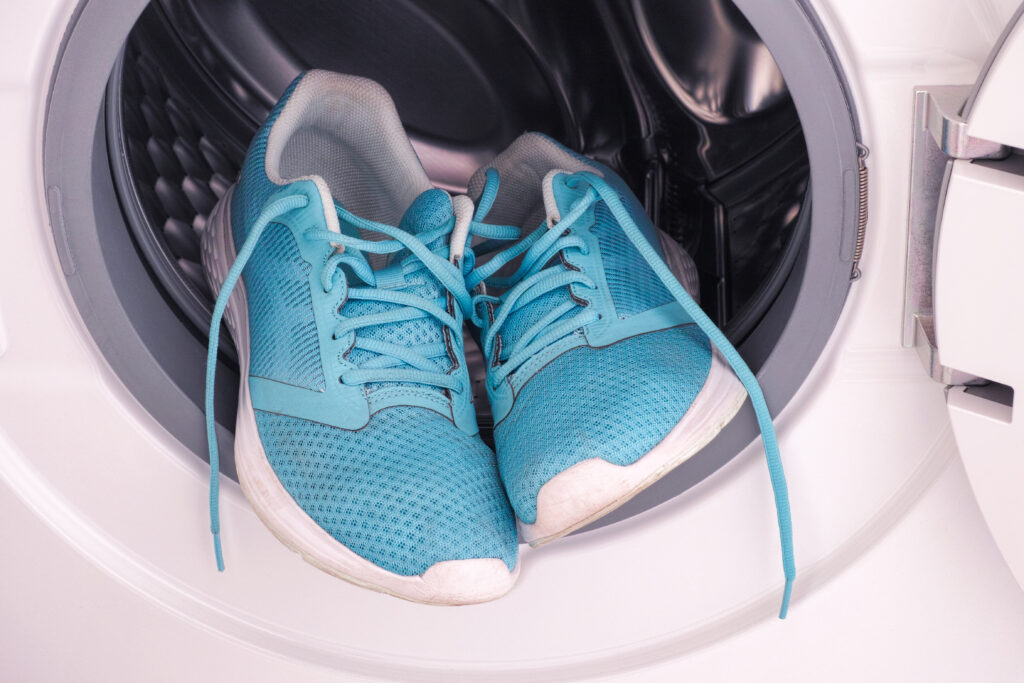
It starts innocently enough. You finish a muddy trail run, kick off your shoes at the back door, and think — can I just throw these in the washing machine? The short answer is: sometimes. But that simple question opens up a much bigger conversation about how we use our home appliances, what we put them through, and what happens when something goes wrong because of it. For homeowners especially, knowing the limits of your appliances is not just about keeping gear intact. It is about protecting the machines that keep your household running.
Understanding Your Washing Machine and What It Was Designed to Handle
Washing machines are workhorses. Front-loaders, top-loaders, high-efficiency models — they are built to handle a serious volume of laundry over years of regular use. But they were designed primarily for clothing and soft textiles. Running shoes, depending on their construction, can present a few challenges. Shoes with thick rubber soles, metal hardware, or dense foam midsoles can create uneven loads that throw the drum off balance during spin cycles. That imbalance puts mechanical stress on the drum bearings, suspension rods, and shock absorbers — components that are not exactly cheap or simple to replace.
The Right Way to Wash Running Shoes at Home
If you are going to wash your running shoes in the machine — and plenty of people do it without issue — there is a right way to go about it. Preparation matters more than most people expect.
- Remove the laces and insoles before washing and clean them separately by hand
- Place shoes inside a mesh laundry bag or pillowcase to protect the drum from direct impact
- Add a few old towels to the load to balance the weight and cushion the tumbling
- Use a gentle or delicate cycle with cold water to prevent glue breakdown and material warping
- Skip the dryer entirely — air dry your shoes away from direct heat sources
Skipping any one of these steps increases the chance of damaging both the shoes and the appliance. It seems like a small thing, but a repeated habit of tossing unprotected shoes into an unbalanced drum adds up over time.
Why the Dryer Is the Real Danger Zone
Most people know not to put leather or structured shoes in the dryer, but running shoes often get a pass because they feel more casual. Do not let that fool you. The heat inside a dryer drum can reach temperatures that degrade the adhesive bonding a shoe’s sole to its upper. That same heat warps foam midsoles, shrinks mesh uppers, and shortens the overall lifespan of the shoe significantly. But here is the part that affects your home more directly — shoes banging around inside a dryer drum at high speed create vibration and noise stress that wears down drum belts, drum support rollers, and door hinges. These are real repair costs, and they tend to show up gradually rather than all at once, which makes them easy to overlook until something finally breaks.

What Appliance Damage Actually Looks Like Over Time
Appliance wear from misuse rarely announces itself with a dramatic failure. More often, it is a slow degradation — a washer that starts making a low hum during spin, a dryer that takes longer than it used to, a drum that wobbles slightly on high speed. These are early indicators that internal components are under stress. Drum bearings, for example, are not designed to absorb repeated lateral impact. When they begin to fail, the repair can run anywhere from a couple hundred dollars to well over five hundred depending on the make and model of the appliance. That is a meaningful expense for what often started as a convenience habit.
How Homeowners Can Protect Their Appliances
Beyond being careful about what goes into the washer and dryer, there are straightforward practices that extend appliance life across the board.
- Never overload the drum — distribute weight evenly on every cycle
- Clean the lint trap after every dryer load without exception
- Inspect washing machine hoses annually for bulging or cracking
- Leave the washer door open between cycles to prevent mold buildup
- Schedule a professional cleaning of the dryer vent duct at least once per year
These are not complicated habits. But they are the kind of thing that separates homeowners who get a full decade out of an appliance from those who are replacing it in five years wondering what went wrong.
The Financial Reality of Appliance Repairs
Appliance repair costs have increased steadily over the last several years. Labor rates have climbed, parts availability has become more unpredictable, and the complexity of modern appliances means that diagnosing a problem sometimes costs almost as much as fixing it. A washing machine drum bearing replacement can cost three hundred to six hundred dollars. A dryer motor replacement can run two hundred to five hundred dollars depending on the unit. And these are just two components in appliances that most households use nearly every day. The financial exposure is real, and it tends to catch homeowners off guard because appliances do not come with obvious warning signs before they fail.
When Shoe Care Becomes a Home Maintenance Conversation
This might seem like an odd place for that conversation to land, but it makes sense when you think about it. Every appliance in your home has a design envelope — a range of use it was built to handle. The moment you push outside that envelope repeatedly, whether it is shoes in the dryer, oversized loads in the washer, or the wrong detergents in a high-efficiency machine, you are shortening the life of an expensive asset. Homeowners who think about their appliances as systems rather than conveniences tend to take better care of them. And appliances that are properly cared for are far less likely to create an unexpected financial emergency.
What a Home Warranty Actually Covers in This Scenario
A home warranty is not the same as homeowner’s insurance. Insurance covers sudden damage from external events — think fire, flood, or theft. A home warranty covers the mechanical failure of covered systems and appliances due to normal wear and tear. So if your washing machine drum bearings fail after years of regular use, a home warranty plan may cover the cost of repair or replacement depending on your coverage terms. If the failure is traced directly to misuse — like consistent overloading or foreign object damage — that is a different story and typically falls outside coverage. Understanding what your plan does and does not cover is essential, and reading the fine print before you need it is always the smarter approach.
Why Armadillo Is the Home Warranty Partner Built for How Real Homeowners Live
Home warranties are only valuable when they work the way you expect them to. Armadillo was built around that idea specifically. No confusing exclusions buried in pages of terms. No runaround when you file a claim. Just clear, honest coverage for the appliances and systems you rely on every day — including your washer and dryer. If you have been reconsidering how you treat your home appliances and want real protection behind that effort, explore Armadillo’s home warranty plans for appliance and system coverage and see how straightforward this kind of protection can actually be. When a covered appliance breaks down — whether it is from age, wear, or the kind of gradual stress that builds up over time — having a plan in place changes the entire experience. Take two minutes and get a free home warranty quote for your washer, dryer, and other essential home appliances to find out what coverage looks like for your specific home. It costs nothing to look, and the peace of mind is worth knowing about.

Frequently Asked Questions About Washing Running Shoes and Appliance Care
Here are answers to the questions homeowners ask most often on this topic.
Can you wash running shoes in the washing machine?
Yes, most running shoes made with mesh or synthetic materials can be machine washed on a gentle, cold cycle. Remove laces and insoles first, place the shoes in a mesh laundry bag, and add towels to balance the load. Avoid washing shoes with leather, suede, or metal embellishments in the machine.
Will washing shoes damage my washing machine?
Done incorrectly, yes. Unsecured shoes banging against the drum can stress bearings and suspension components over time. Using a laundry bag and balancing the load with towels significantly reduces that risk.
Can you put running shoes in the dryer?
It is not recommended. Dryer heat degrades adhesives and foam, shortening shoe life. The mechanical impact of shoes tumbling in the drum also puts stress on drum rollers and belts. Air drying is always the safer option for both the shoes and the appliance.
How long does it take running shoes to air dry?
Most running shoes dry completely within 24 hours when placed in a well-ventilated area at room temperature. Stuffing them loosely with newspaper or a dry towel can help absorb moisture and speed up the process without heat damage.
Does a home warranty cover washing machine repairs?
Many home warranty plans do cover washing machine repairs resulting from mechanical failure due to normal wear and tear. Coverage specifics vary by provider and plan, so reviewing your contract terms before filing a claim is important.
What washing machine parts are most likely to wear out?
Drum bearings, lid switches, water inlet valves, door latches, and drain pumps are among the most commonly repaired components. Misuse — such as overloading or washing inappropriate items — can accelerate wear on all of these parts.
How often should I clean my dryer vent?
At minimum once per year, and more frequently if you run multiple loads per day or have a longer vent duct run. A clogged dryer vent is one of the leading causes of dryer fires and also causes the appliance to work harder, shortening its lifespan.
What is the average lifespan of a washing machine?
A washing machine that is properly maintained typically lasts between 10 and 14 years. High-efficiency models can last longer with consistent care, but misuse and neglected maintenance can cut that lifespan significantly.
Are appliance repairs covered under homeowner’s insurance?
Standard homeowner’s insurance does not cover appliance breakdown from normal wear and tear. It covers sudden, accidental damage from covered perils like fire or burst pipes. A home warranty plan is the product designed specifically for mechanical appliance failures.
What is the difference between a home warranty and homeowner’s insurance?
Homeowner’s insurance covers structural damage and losses from external events such as fire, theft, or weather. A home warranty covers the repair or replacement of major systems and appliances that fail due to normal use and age. The two products serve different purposes and work best together.