Can You Wash Shoes in the Washer? What Every Homeowner Should Know
It starts innocently enough. You glance down at a pair of muddy sneakers sitting by the back door, and the washing machine is right there. The question crosses your mind — can you actually throw those in? It is a surprisingly common household debate, and the answer is more nuanced than a simple yes or no. Understanding what your washing machine can and cannot handle is part of being a responsible homeowner, and it matters more than most people realize when it comes to appliance care and longevity.
How a Washing Machine Actually Works
Before diving into the shoes question, it helps to understand what is happening inside that drum. A standard washing machine works by agitating water, detergent, and laundry together to loosen and remove dirt. Front-loaders tumble clothes in a rotating drum, while top-loaders use an agitator or impeller to create friction and movement. The mechanical action is surprisingly forceful, which is why delicate items need special care cycles. That same force is exactly what raises concerns when you start loading in hard, rigid objects like shoes.
The Short Answer: Yes, But With Conditions
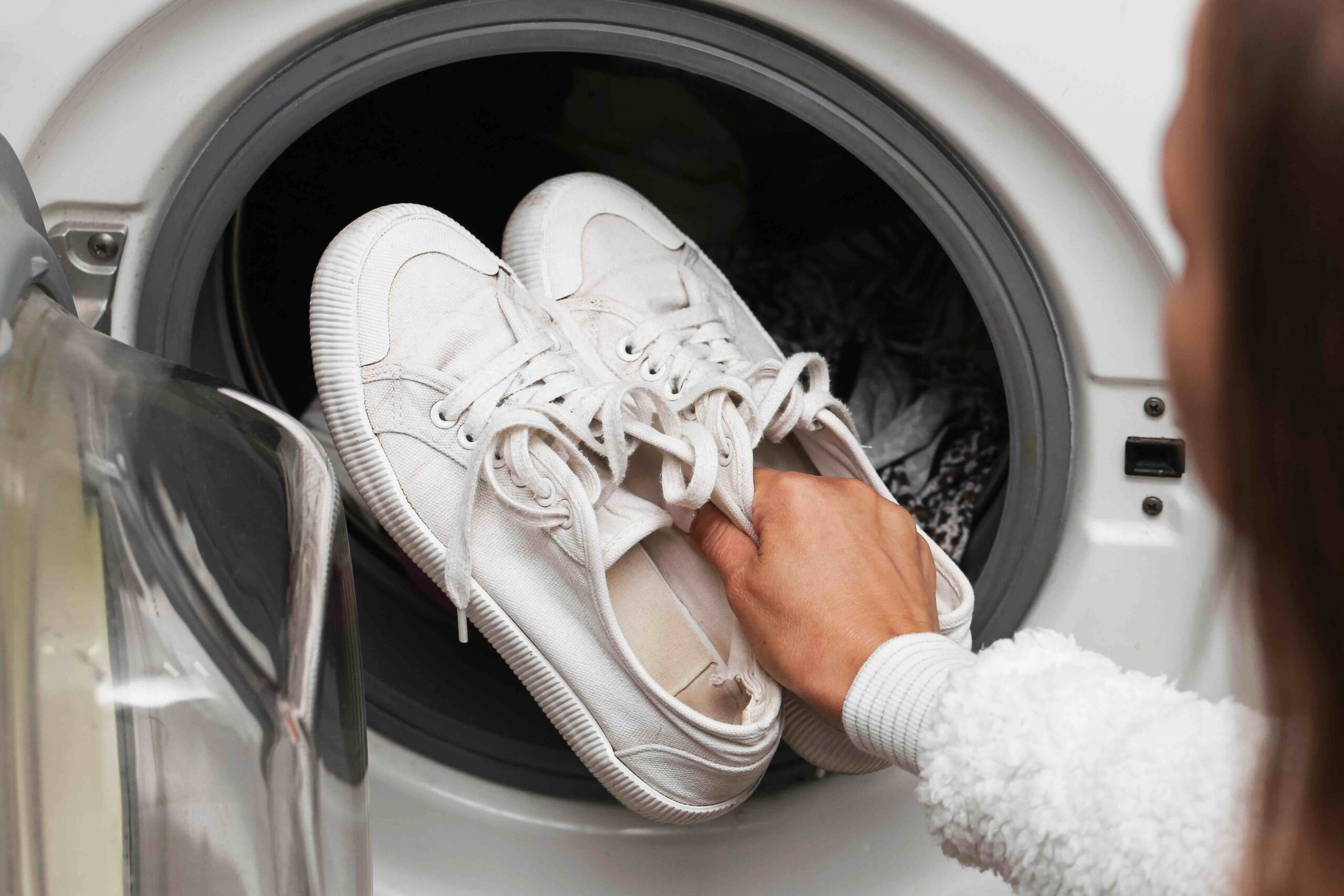
Most canvas sneakers, athletic shoes, and fabric-based footwear can technically survive a washing machine cycle. That said, not all shoes should go anywhere near the drum. Leather shoes, suede, heels, dress shoes, boots, and anything with heavy embellishments or glued components should stay far away from your washer. The combination of water, heat, and mechanical agitation can warp materials, dissolve adhesives, and permanently damage structural elements. Sticking to machine-washable shoes — typically athletic or casual fabric sneakers — gives you the best outcome without risking the shoes or your machine.

Best Practices for Washing Shoes Safely
If you have determined your shoes are machine-safe, the process still requires a little preparation. Cutting corners here is where things go sideways — both for the shoes and the machine itself.
- Remove laces and insoles and wash them separately by hand
- Brush off any loose dirt or debris before loading
- Place shoes inside a mesh laundry bag to reduce impact on the drum
- Add a few old towels to cushion the load and reduce noise and vibration
- Use a gentle or delicate cycle with cold water
- Skip the spin cycle or use the lowest spin speed available
- Use a small amount of mild liquid detergent — avoid powder detergents and fabric softeners
These steps significantly reduce the risk of damage to both the footwear and your appliance. The towels in particular are doing real work here — they prevent the shoes from banging relentlessly against the drum walls, which can cause premature wear on the drum bearings and interior drum padding over time.
What Happens When You Skip the Precautions
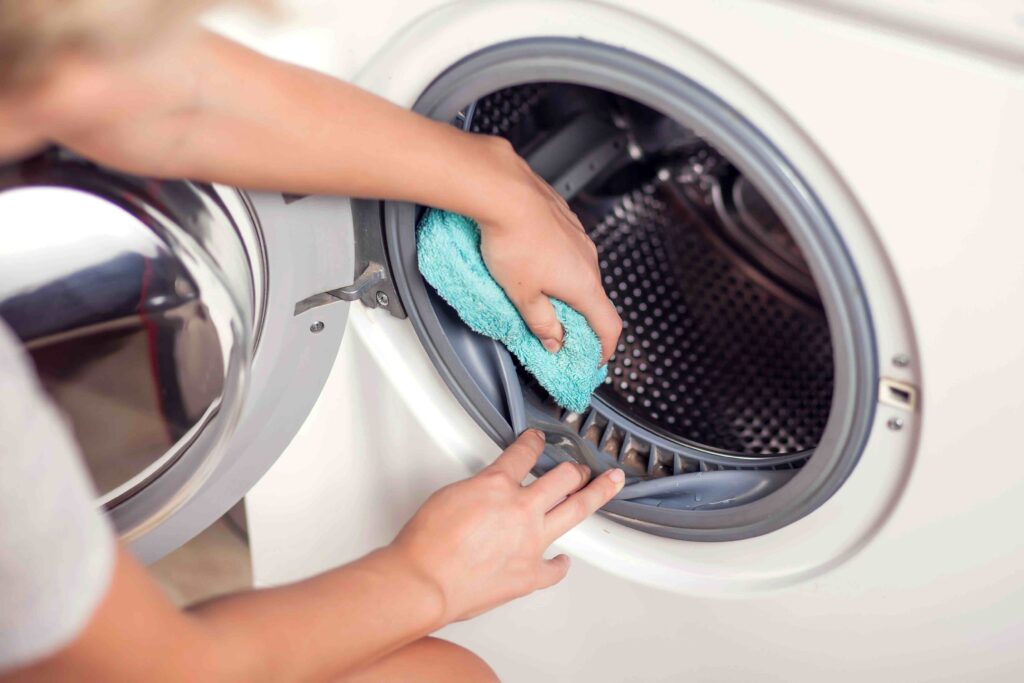
Here is where homeowners tend to learn the hard way. Tossing shoes in loose, without a bag, on a high-speed cycle can cause a surprising amount of mechanical stress. The repeated impact of a rigid shoe against the drum interior can chip drum enamel, damage the door seal on front-load machines, and accelerate bearing wear. Over time, this kind of repeated misuse contributes to vibration issues, unusual noises during cycles, and eventually more serious mechanical failures. It is the kind of cumulative damage that is frustratingly easy to prevent but costly to repair.
Drying Shoes After Washing: The Overlooked Step
Getting shoes clean is only half the battle. How you dry them matters just as much — maybe more. The dryer is largely off-limits for shoes unless the manufacturer specifically states otherwise. High heat can melt adhesives, shrink fabric, and warp soles in ways that cannot be undone. Air drying is the right call here. Stuff the shoes with dry paper towels or old newspaper to help them hold their shape and absorb interior moisture. Set them in a well-ventilated area away from direct sunlight or heat sources. Drying time varies, but plan for at least 24 hours for thicker, cushioned athletic shoes.
Signs Your Washing Machine May Need Attention
Even without washing shoes, washing machines are hardworking appliances that accumulate wear over time. Knowing the warning signs of a struggling machine helps you catch problems early before they become expensive repairs.
- Unusual banging, grinding, or squealing during cycles
- Excessive vibration or the machine moving across the floor
- Water leaking from the door or bottom of the unit
- Clothes or shoes coming out still soaking wet after the spin cycle
- A persistent mildew smell that does not resolve with cleaning
- The machine failing to complete or start a cycle
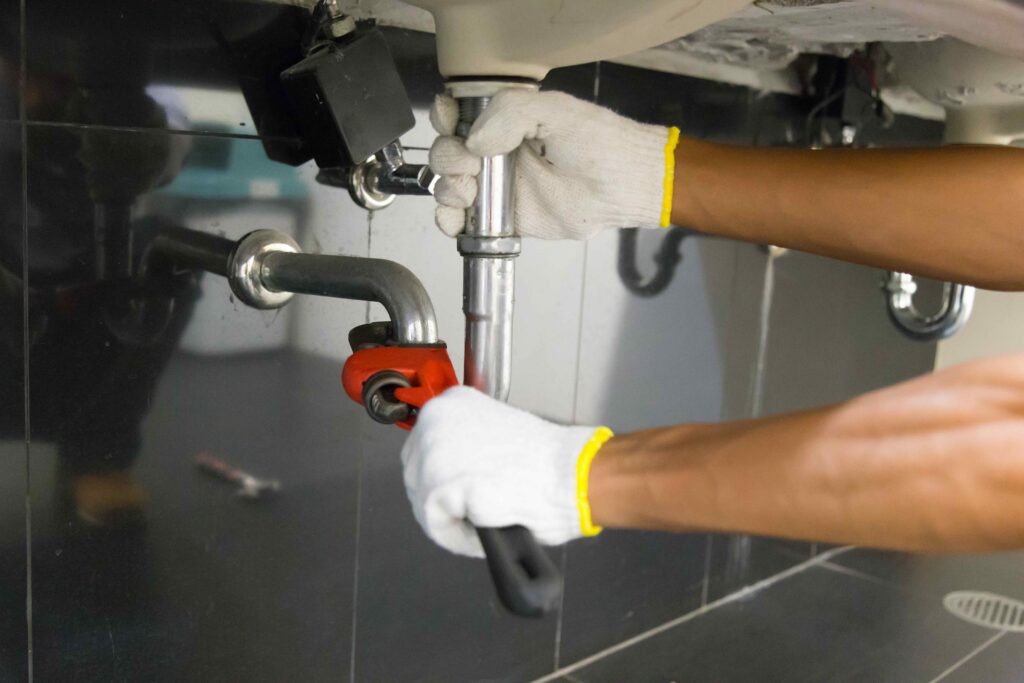
Any of these symptoms warrant a closer look. Some issues, like an unbalanced load or a clogged filter, are simple homeowner fixes. Others, like a failing pump or worn drum bearings, require professional service and can carry significant repair costs.
How Home Warranties Relate to Appliance Wear
Here is something worth thinking about as a homeowner: your washing machine is a covered appliance under most home warranty plans. When mechanical components fail due to normal wear and use, a home warranty can step in to cover the cost of repair or replacement. This is distinct from homeowners insurance, which covers sudden and accidental damage like a flood or fire, not the gradual breakdown of appliances. A home warranty fills that gap, and for an appliance as heavily used as a washing machine, that coverage can save a meaningful amount of money over time.
Why Armadillo Is Worth Considering for Your Home Warranty Needs
Your washing machine works hard, and so does every other system and appliance under your roof. When something breaks down — whether it is from normal wear, a mechanical failure, or the cumulative effects of years of use — having a reliable home warranty in place makes all the difference. Armadillo home warranty coverage for appliances and home systems is built around simplicity, transparency, and actually showing up when something goes wrong. No runaround, no confusing fine print. If you want to understand exactly what is covered before you commit, you can get a free home warranty quote to protect your washer and home appliances in just a few minutes. Taking care of your appliances is smart homeownership — having a plan when they still fail anyway is smarter.

Frequently Asked Questions About Washing Shoes in the Washer
Homeowners tend to have a lot of follow-up questions once they start thinking carefully about this topic. Here are the most common ones, answered directly.
Can you put any type of shoe in the washing machine?
No. Only shoes made primarily of canvas, mesh, or fabric materials are generally safe for the washing machine. Leather, suede, rubber-soled dress shoes, heels, and boots should always be cleaned by hand or taken to a professional cleaner.
Will washing shoes damage my washing machine?
If done improperly — without a laundry bag, on a high-speed cycle, or repeatedly over time — washing shoes can contribute to drum wear, bearing damage, and seal deterioration. Using proper precautions significantly reduces this risk.
What cycle should I use to wash sneakers?
Use a gentle or delicate cycle with cold water. Avoid high-speed spin cycles, as the centrifugal force combined with the rigidity of shoes can stress the drum and internal components.
Can I put shoes in the dryer after washing them?
In most cases, no. High heat from a dryer can warp soles, melt adhesives, and shrink fabric. Air drying at room temperature is the safest method for most machine-washable shoes.
How long does it take for shoes to air dry after washing?
Most shoes need at least 24 hours to dry completely, though thicker athletic shoes may need up to 48 hours. Stuffing them with paper towels helps absorb moisture and speeds up the process.
Is it safe to wash shoes with regular laundry?
It is not recommended. Shoes can damage clothing during the wash cycle, and the detergent requirements may differ. Wash shoes separately, ideally with a few old towels to cushion the load.
Does washing shoes void a home warranty on my washer?
Home warranties typically cover mechanical breakdowns from normal wear and use. Repeated misuse that causes documented damage could complicate a claim, which is why following manufacturer guidelines for your machine matters.
What is the difference between a home warranty and homeowners insurance when it comes to appliance repair?
Homeowners insurance covers sudden, accidental damage like fire or flooding. A home warranty covers the mechanical breakdown of appliances and systems due to normal wear and use — something homeowners insurance does not address.
How often do washing machines need professional servicing?
With normal use and basic maintenance, a washing machine can go years without needing professional attention. However, prompt attention to warning signs like unusual noises, leaks, or incomplete cycles can prevent minor issues from becoming major repairs.
Can washing shoes cause a washing machine to go off balance?
Yes. Shoes are heavy and rigid, which makes them prone to throwing off the drum balance during a cycle. Adding towels to even out the load weight is a practical way to reduce this issue and protect the machine’s internal components.