Can You Really Wash Suede Shoes in a Washing Machine? What Homeowners Need to Know
It happens to the best of us. You look down at your favorite pair of suede shoes and realize they have seen better days. There is mud on the toe, a mysterious scuff along the side, and something that might be a coffee stain near the heel. Your first instinct? Toss them in the washing machine and hope for the best. Before you do that, let us talk about why that impulse, however understandable, could turn a fixable situation into a permanent loss. Understanding how your washing machine actually works, and what it does to delicate materials like suede, is the first step toward making smarter decisions at home.
How Your Washing Machine Actually Works
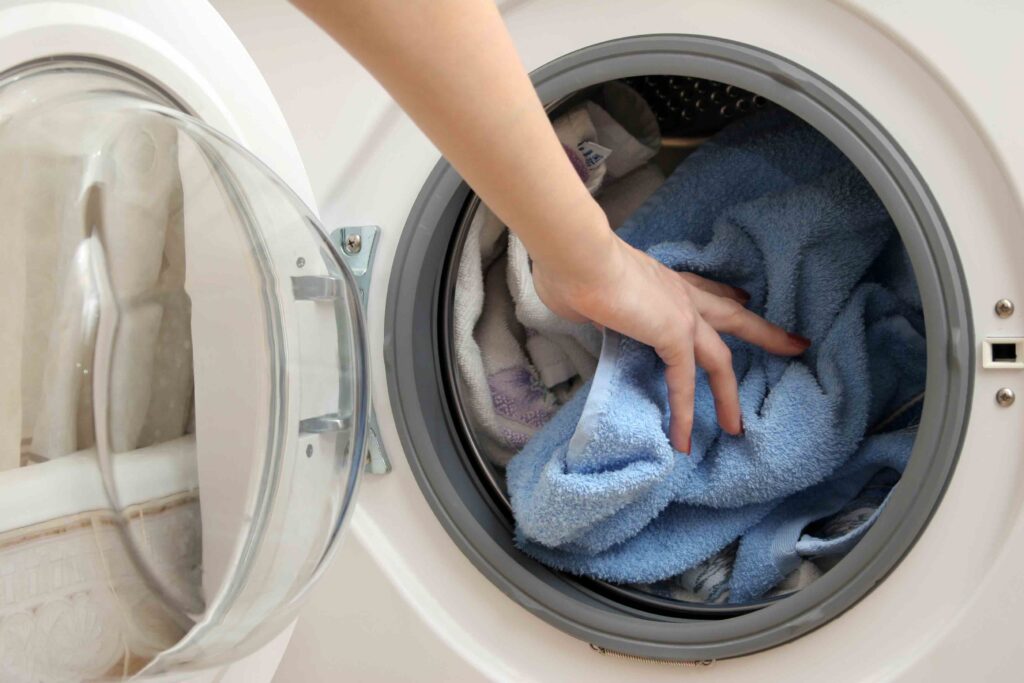
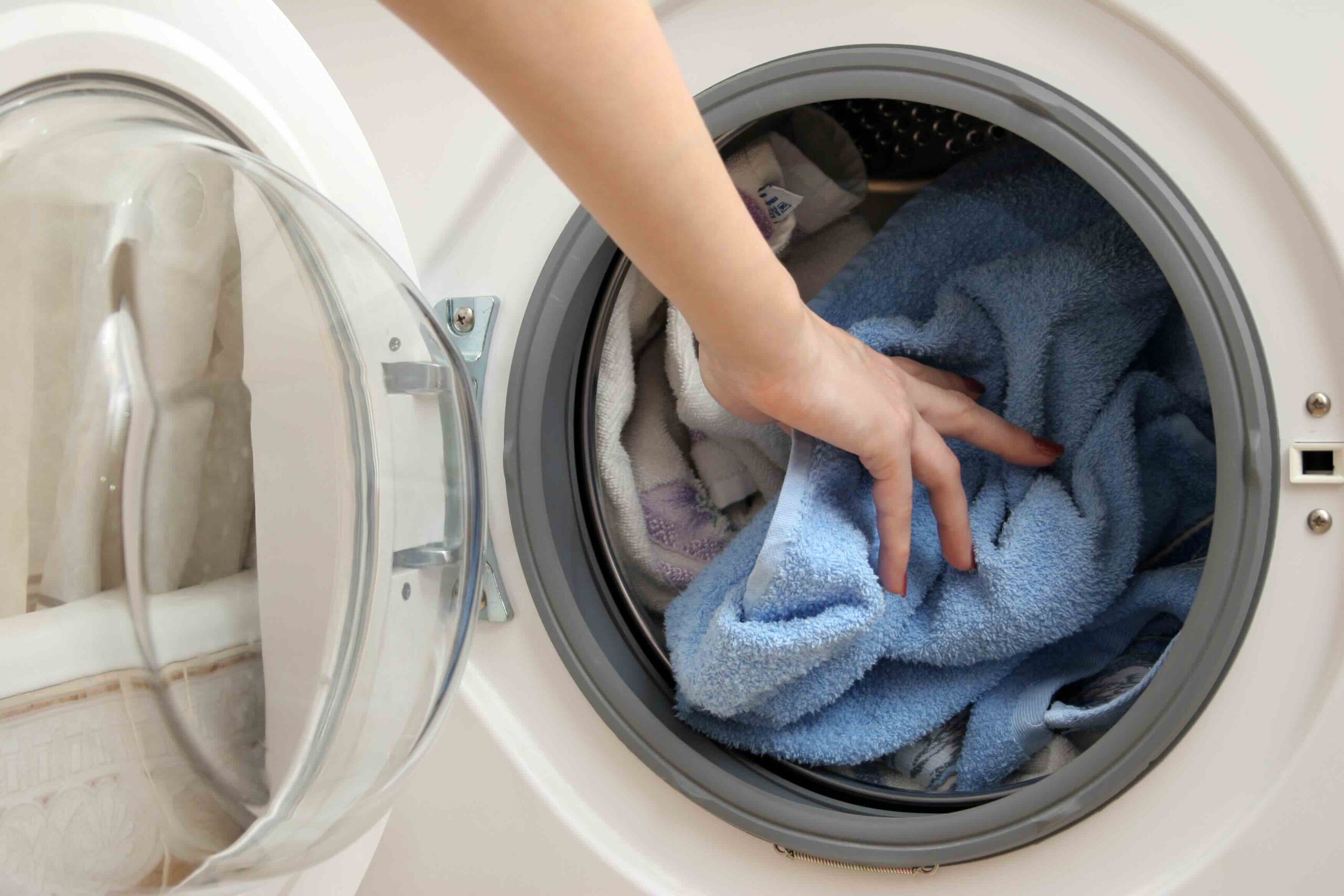
Modern washing machines, whether top-load or front-load, operate on a combination of mechanical agitation, water saturation, and spin cycles to remove dirt and debris from fabric. The drum rotates, water fills the basin, detergent breaks down oils and particles, and the spin cycle wrings out excess moisture at high speed. For cotton, synthetic blends, and most everyday fabrics, this process is efficient and gentle enough. For suede, it is essentially a disaster waiting to happen. Suede is a form of split leather, meaning it has an extremely porous, napped surface that absorbs water rapidly and loses its structure when saturated. The mechanical action of a washing machine does not distinguish between a cotton t-shirt and a delicate suede upper. It treats everything the same.
What Happens to Suede in the Wash
When suede gets fully saturated in a washing machine, several things happen in quick succession. The nap, that soft, velvety texture that makes suede so appealing, flattens and mats almost immediately. The natural fibers lose their shape. The dye can bleed or fade unevenly. The glue bonding the sole to the upper can dissolve. And when the spin cycle kicks in, the centrifugal force warps the shoe’s structure entirely. By the time the cycle is done, what comes out is often a shrunken, misshapen, discolored version of what went in. Suede shoes that go into a washing machine almost never come out wearable.

The Right Way to Clean Suede Shoes at Home
The good news is that suede shoes do not require a washing machine to get clean. In fact, they require almost no water at all. Here is what actually works when it comes to maintaining and cleaning suede at home:
- Use a suede brush or soft-bristle toothbrush to lift dirt and restore the nap after each wear
- Apply a suede eraser or crepe rubber block to scuffs and dry stains before they set
- For deeper stains, use a small amount of white vinegar applied with a clean cloth, then allow the shoe to dry naturally away from heat
- Stuff shoes with newspaper or cedar shoe trees during drying to preserve their shape
- Apply a suede protector spray regularly to repel water and prevent future staining
These methods are far more effective than machine washing and will extend the life of your shoes considerably. The key principle with suede care is always dry cleaning over wet cleaning whenever possible.
When Your Washing Machine Causes More Problems Than It Solves
Washing machines are genuinely remarkable appliances. They save hours of manual labor and handle enormous laundry loads with minimal effort from homeowners. But they are not infallible, and understanding their limitations matters just as much as knowing their capabilities. Using a washing machine incorrectly, whether that means overloading it, washing incompatible materials, or running cycles on items that require dry cleaning, puts stress on the machine itself. Over time, unbalanced loads, foreign objects like shoe soles or metal grommets, and improper use contribute to wear on the drum bearing, motor, and pump. What starts as a simple laundry mistake can eventually become a repair call.
Common Washing Machine Issues Homeowners Face
Beyond misuse, washing machines encounter mechanical failures that have nothing to do with what you put inside them. These are some of the most common issues homeowners report:
- Drum bearing failure, which creates a loud grinding or rumbling noise during the spin cycle
- Pump clogs from lint, debris, or small objects that slip through pockets
- Door gasket deterioration on front-load machines, leading to leaks and mold buildup
- Control board malfunctions that cause cycles to stop mid-run or settings to become unresponsive
- Lid switch failure on top-load machines, preventing the spin cycle from engaging
Most of these failures are not preventable through careful use alone. Components wear down over time regardless of how diligently a homeowner maintains their machine. When that happens, repair costs can climb fast.
What Does Washing Machine Repair Actually Cost
This is where homeowners often get caught off guard. A washing machine drum bearing replacement can run anywhere from three hundred to five hundred dollars including labor. A control board replacement can exceed four hundred dollars depending on the brand and model. Even something as seemingly minor as a door gasket replacement on a front-load washer can cost upwards of two hundred dollars when a technician is involved. These are not trivial expenses, and they tend to arrive without warning, often during the least convenient moments. A machine that ran perfectly on a Tuesday can fail completely by Thursday, leaving a household without a critical appliance.
How Home Warranties Factor Into Appliance Repair Costs
A home warranty is a service contract that covers the repair or replacement of major home systems and appliances when they break down due to normal wear and tear. Unlike homeowners insurance, which covers damage from sudden events like fires or floods, a home warranty addresses the mechanical failures that happen simply because things get old and break. For appliances like washing machines, this distinction matters enormously. When a bearing fails or a control board gives out, a home warranty steps in to cover the cost of the repair, subject to the terms of the contract. For homeowners who rely on their washing machine daily, having that financial backstop in place is not a luxury. It is practical risk management.
Tips for Protecting Your Washing Machine Long-Term
Extending the life of your washing machine does not require complicated maintenance routines. A few consistent habits make a significant difference over time. Clean the drum monthly with a washing machine cleaner or a hot water and white vinegar cycle. Leave the door open between loads to prevent moisture buildup and mold. Check pockets before loading clothing to catch coins, keys, and other items that can damage the pump. Avoid overloading the drum, which strains the motor and causes premature bearing wear. Use the recommended amount of detergent, since excess suds can coat internal components and reduce efficiency. And whatever you do, do not put suede shoes in there.
Why Armadillo Is the Smart Choice for Washing Machine Coverage
When your washing machine breaks down unexpectedly, the last thing you want to do is spend time researching repair companies, negotiating quotes, and managing the logistics of a fix while your laundry piles up. That is exactly the kind of situation Armadillo home warranty coverage for major home appliances is built to handle. Armadillo offers straightforward, transparent protection for the appliances homeowners depend on most, with no confusing fine print and no runaround when it is time to file a claim. If you want to stop worrying about what an unexpected washer repair might do to your monthly budget, you can get a free home warranty quote for appliance and system protection in just a few minutes. Armadillo makes the process simple because that is how it should be.

Frequently Asked Questions About Washing Machines and Suede Shoe Care
Answers to the questions homeowners ask most often about washing machine use, suede shoe care, and home warranty coverage for appliances.
Can you put suede shoes in the washing machine?
No. Suede shoes should never be placed in a washing machine. The water saturation, mechanical agitation, and high-speed spin cycle will damage the nap, warp the structure, cause dye bleeding, and likely dissolve the adhesive bonding the sole to the upper.
What is the safest way to clean suede shoes at home?
Use a suede brush to remove surface dirt and restore the nap. Apply a suede eraser to scuffs. For stains, use a small amount of white vinegar on a clean cloth and allow the shoe to air dry naturally away from direct heat. Avoid any method that saturates the material with water.
Does putting shoes in the washing machine damage the machine?
It can, particularly when shoes have hard soles, metal eyelets, or thick rubber components. These can strike the interior drum during the spin cycle, causing damage to the drum coating, bearings, or pump over time.
What types of shoes can be washed in a washing machine?
Canvas sneakers and fabric athletic shoes are generally the safest candidates for machine washing, placed inside a mesh laundry bag on a gentle cycle with cold water. Leather, suede, satin, and shoes with embellishments should always be cleaned by hand or taken to a professional.
How long do washing machines typically last?
Most washing machines have an expected lifespan of ten to fifteen years with proper maintenance. Front-load models tend to require more maintenance than top-load models due to the complexity of their drum seals and door gaskets.
What does a home warranty cover when it comes to washing machines?
A home warranty typically covers the cost of repairing or replacing a washing machine when it fails due to normal mechanical wear and tear. Covered components often include the motor, drum, pump, and electrical components, though coverage specifics vary by plan and provider.
Is a home warranty different from homeowners insurance for appliance coverage?
Yes. Homeowners insurance covers sudden, accidental damage such as fire or flood. A home warranty covers mechanical and electrical failures that occur through normal use over time, which is the category most appliance breakdowns fall into.
How can I prevent my washing machine from breaking down prematurely?
Clean the drum monthly, avoid overloading, use the correct amount of detergent, check pockets before loading, leave the door open between uses to prevent mold, and never wash items that are not machine-safe, including suede shoes.
Is suede waterproof spray worth using?
Yes. A quality suede protector spray creates a barrier against water and staining, significantly reducing how often deep cleaning is necessary. It should be applied to new suede shoes before their first wear and reapplied seasonally.
When should I replace a washing machine instead of repairing it?
A common rule of thumb is to compare the repair cost against fifty percent of the machine’s replacement value. If the repair exceeds that threshold and the machine is over eight years old, replacement is often the more cost-effective choice. A home warranty can help offset both repair and replacement costs depending on the plan.