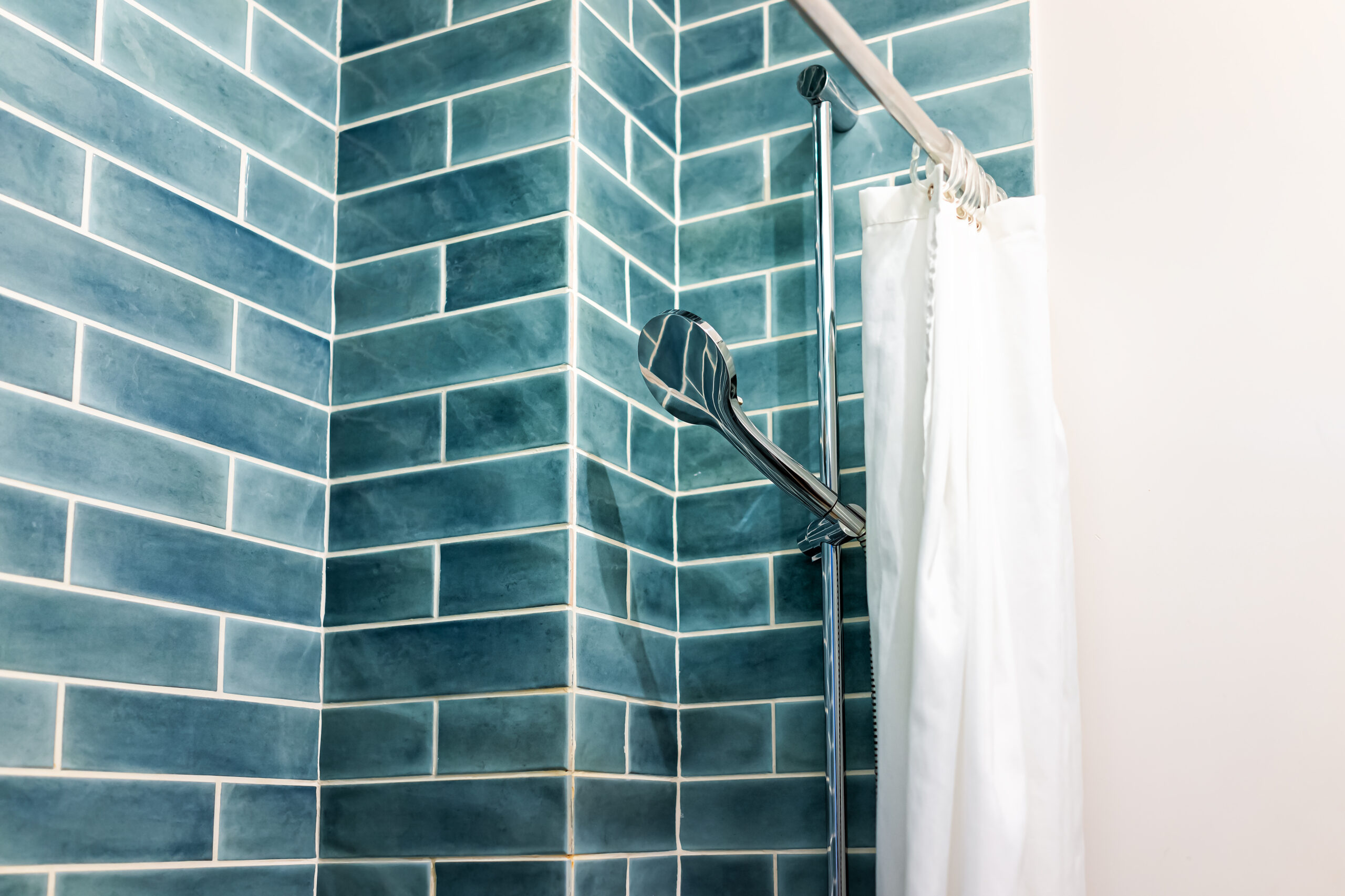
What Is Caulk Grout in a Shower and Why Does It Matter?
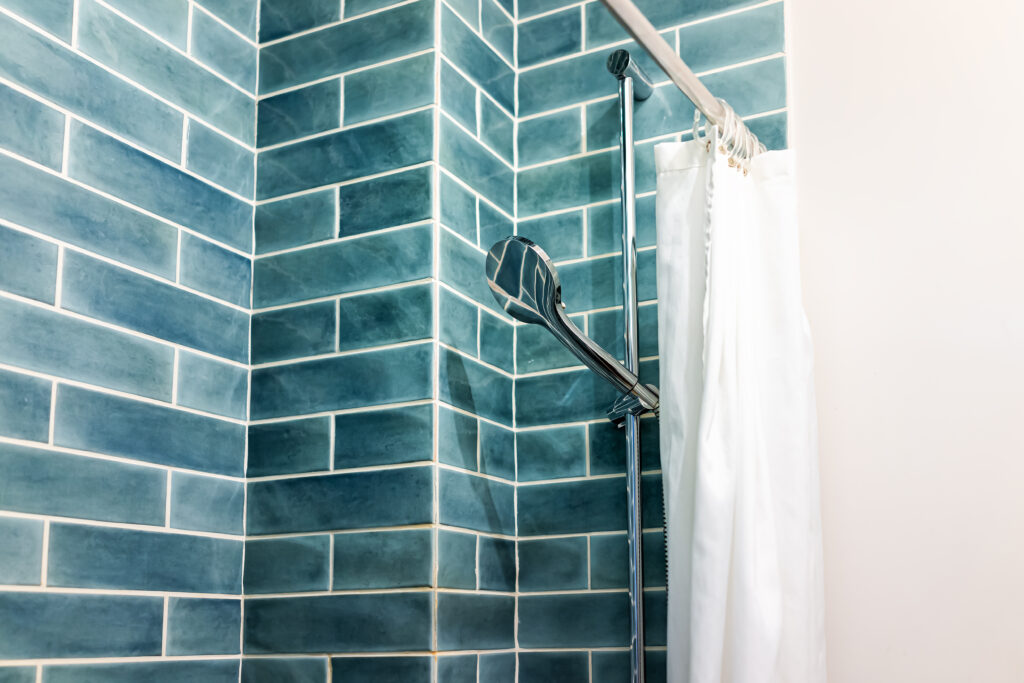
If you have ever looked at the corners of your shower and noticed a flexible, slightly rubbery line of material where two walls meet, that is caulk. If you have noticed the rigid, sand-like filler running between your tiles, that is grout. They look similar at a glance, but they serve very different purposes — and knowing which is which could save you from a costly water damage situation. Caulk grout in a shower is one of those topics that sounds overly technical until you realize it directly affects your bathroom’s waterproofing, structural integrity, and long-term maintenance needs. This guide breaks it all down in plain terms so you can make smart, informed decisions about your home.
Grout vs. Caulk: Understanding the Difference
Grout is a cement-based filler used to fill the joints between tiles. It is rigid once it cures, which makes it excellent for resisting pressure and holding tiles in alignment. Caulk, on the other hand, is a flexible sealant — typically silicone or latex-based — that is designed to accommodate movement. Showers experience a surprising amount of structural movement due to temperature fluctuations, humidity changes, and the natural settling of a home. That flexibility is exactly why caulk belongs in certain spots where grout simply does not belong. Using one where the other is called for is one of the most common and preventable shower mistakes homeowners make.
Where Caulk and Grout Each Belong in a Shower
The general rule is straightforward: grout fills the joints between tiles on flat, stable surfaces, while caulk fills the transitions between surfaces that meet at angles or are subject to movement. Here is a practical breakdown of where each material belongs:
- Grout: Tile-to-tile joints across walls, floors, and horizontal field tile runs
- Caulk: Inside corners where two tiled walls meet, the joint between the tile wall and the tub or shower floor, around fixtures like the showerhead and faucet handles, and along the base of a shower curb
If grout is applied in a corner or at the wall-to-floor transition, it will crack under movement because it has no flexibility. Once it cracks, water infiltrates behind the tile, and that is when real damage begins. Caulk in those same spots stretches and compresses with the structure, maintaining a continuous seal.
How Shower Caulk Works and What It Protects Against
Shower caulk functions as a waterproof barrier. When properly applied, it prevents water from seeping into the substrate behind your tile — the backer board, cement board, or wall framing beneath the surface. Water intrusion in a shower is not just a cosmetic issue. Over time, it leads to mold growth, rot in wood framing, deterioration of backer materials, and eventually structural damage that can cost thousands of dollars to repair. Silicone caulk, in particular, is highly resistant to mold and mildew, extremely water-resistant, and built to last in wet environments. Latex or sanded caulk can also be used in showers but tends to require more frequent replacement.
Key Advantages of Proper Caulk Application in Showers
Getting your shower caulk right is one of the most cost-effective ways to protect your bathroom. The benefits extend well beyond just preventing leaks. Done correctly, a properly caulked shower offers a range of advantages that homeowners often underestimate until something goes wrong.
- Waterproofing: Prevents moisture penetration at every vulnerable joint and transition point
- Mold resistance: High-quality silicone caulk resists mildew growth when maintained properly
- Structural protection: Shields framing, subflooring, and backer materials from chronic moisture exposure
- Aesthetic appeal: Clean, fresh caulk lines give a shower a finished, well-maintained appearance
- Cost savings: Routine caulk maintenance is far less expensive than water damage restoration
Common Problems and Drawbacks to Know About
Caulk is not a permanent solution. That is one of the most important things to understand about shower maintenance. Even premium silicone caulk will eventually shrink, crack, peel, or discolor — typically within five to ten years, though high-traffic showers may see deterioration sooner. Mold can develop on or beneath old caulk, especially if ventilation in the bathroom is poor. And if caulk is applied over an existing layer without properly stripping the old material first, adhesion fails quickly. One of the biggest mistakes homeowners make is applying new caulk over deteriorated caulk. The surface looks fine initially, but within months it peels and allows water to bypass both layers. Proper prep work — removing old caulk completely, cleaning the surface, and allowing it to dry thoroughly before applying fresh caulk — is non-negotiable.

How to Recaulk a Shower the Right Way
Recaulking a shower is a manageable DIY project for most homeowners if approached methodically. Start by using a caulk removal tool or utility knife to cut away all existing caulk. Once removed, clean the joint thoroughly with a mildew-removing cleaner and allow it to dry completely — at least 24 hours is ideal. Apply painter’s tape on both sides of the joint for clean lines. Load your silicone caulk into a caulk gun, apply steady pressure as you run a consistent bead along the joint, and immediately smooth it with a wet fingertip or caulk finishing tool. Remove the tape before the caulk skins over, and allow the full cure time — typically 24 to 48 hours — before exposing the area to water.
Signs Your Shower Caulk Needs Attention Now
Your shower communicates with you if you know what to look for. Discoloration or dark spotting along caulk lines often signals mold growth. Visible gaps, shrinkage, or cracking mean the seal is already compromised. If the caulk feels soft, pulls away from the wall easily, or looks sunken, it has likely absorbed moisture and lost its adhesion. Any of these signs warrant immediate attention. Ignoring deteriorated caulk is one of those small maintenance oversights that quietly becomes an expensive repair. Water does not announce itself — it just keeps moving until it finds somewhere to cause damage.
Caulk Grout and Your Home Warranty Coverage
Here is a question that comes up often: does a home warranty cover shower caulk or grout? Generally speaking, standard home warranty plans focus on major systems and appliances — HVAC, plumbing, electrical, and similar components. Routine cosmetic maintenance like recaulking is typically categorized as homeowner maintenance and falls outside warranty coverage. However, if a plumbing issue within your shower system causes water damage that then leads to grout failure or related structural concerns, that is a different conversation. Understanding the boundaries of your coverage helps you plan accordingly and avoid surprises when you file a claim.
Why Armadillo Is Worth Considering for Bathroom and Plumbing Protection
Your shower is connected to one of your home’s most essential and complex systems: the plumbing. While keeping up with caulk maintenance is a homeowner responsibility, the pipes, valves, and fixtures behind your shower walls are a different matter entirely. When a shower valve fails, a supply line leaks behind the wall, or a drain line causes a backup, repair costs can escalate quickly. That is exactly where a reliable home warranty earns its value. Armadillo home warranty plans for plumbing and bathroom systems are built with transparency and straightforward coverage so you are never left guessing. If you want to understand exactly what is covered before a problem develops, you can get a free home warranty quote for shower plumbing and home system protection in just a few minutes. Armadillo keeps the process simple so protecting your home feels manageable rather than overwhelming.

Frequently Asked Questions About Shower Caulk and Grout
Homeowners tend to have a lot of questions once they start looking closely at their shower. Here are the most common ones, answered directly.
What is the difference between caulk and grout in a shower?
Grout is a rigid, cement-based filler used between tiles on flat surfaces. Caulk is a flexible sealant used at corners, transitions, and joints that experience movement. Each has a specific role and should not be substituted for the other.
Can I use grout instead of caulk in shower corners?
No. Grout is not flexible and will crack in corners due to structural movement. Cracked grout in corners allows water infiltration and leads to mold, rot, and tile damage over time.
How often should shower caulk be replaced?
Most shower caulk lasts five to ten years, though heavily used showers may require replacement sooner. Inspect caulk lines annually and replace at the first sign of cracking, shrinkage, or mold growth.
What type of caulk is best for showers?
100 percent silicone caulk is generally the best choice for showers. It is highly water-resistant, mold-resistant, and durable in wet environments. Color-matched sanded caulk is also available for a closer match to grout lines.
Can I apply new caulk over old caulk in the shower?
No. New caulk applied over old caulk will not bond properly and will fail quickly. Always remove all existing caulk, clean the surface thoroughly, and allow it to dry completely before applying fresh caulk.
How do I remove mold from shower caulk?
Surface mold on caulk can sometimes be treated with a bleach-based mold remover. However, if mold has penetrated beneath the caulk surface, the affected caulk should be removed entirely and replaced with fresh, mold-resistant silicone caulk.
Does a home warranty cover shower caulk or grout repairs?
Typically, no. Caulking and grouting are considered routine homeowner maintenance and are generally excluded from standard home warranty coverage. However, plumbing systems connected to the shower may be covered depending on your plan.
How long should I wait before using the shower after recaulking?
Most silicone caulks require 24 to 48 hours to fully cure before water exposure. Check the manufacturer’s instructions on your specific product, as cure times can vary based on the formulation and humidity levels.
What causes shower grout to crack or deteriorate?
Grout cracks due to structural movement, improper installation, using the wrong grout type for the tile size, heavy impact, or applying grout in a location where caulk should have been used instead, particularly at corners and transitions.
Is recaulking a shower a DIY project or does it require a professional?
Recaulking a shower is a manageable DIY project for most homeowners when approached carefully. However, if there is evidence of water damage, mold behind the tile, or structural concerns, a licensed contractor or tile professional should assess the situation before any surface work is done.