Caulk vs. Grout in Your Shower: What Homeowners Need to Know
In the world of home improvement, it’s often the smallest components that carry the biggest weight. When it comes to maintaining your shower, understanding the difference between caulk and grout isn’t just useful—it’s essential to preventing costly repairs. These sealing solutions both serve unique roles in your bathroom, and knowing how they function, where to use them, and how they behave over time can help you safeguard your investment. Whether you’re deep in a remodel or simply replacing worn lines in your shower, using the correct material the correct way can make all the difference. And when you consider how these interventions tie into home warranties and long-term care strategies, the decision carries even more weight.
What Are Caulk and Grout?
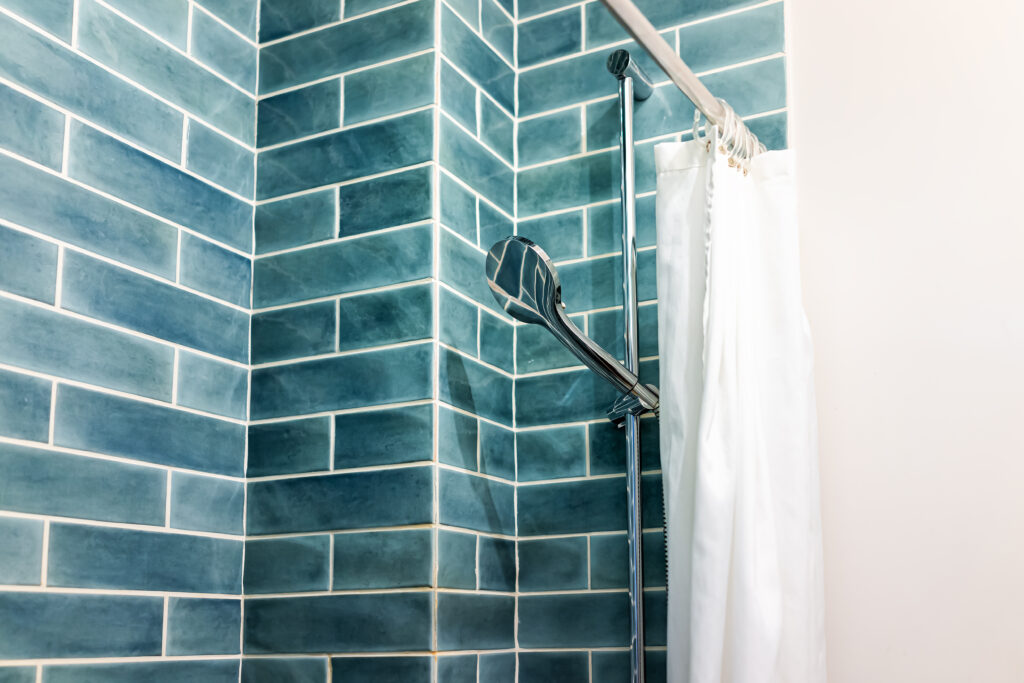
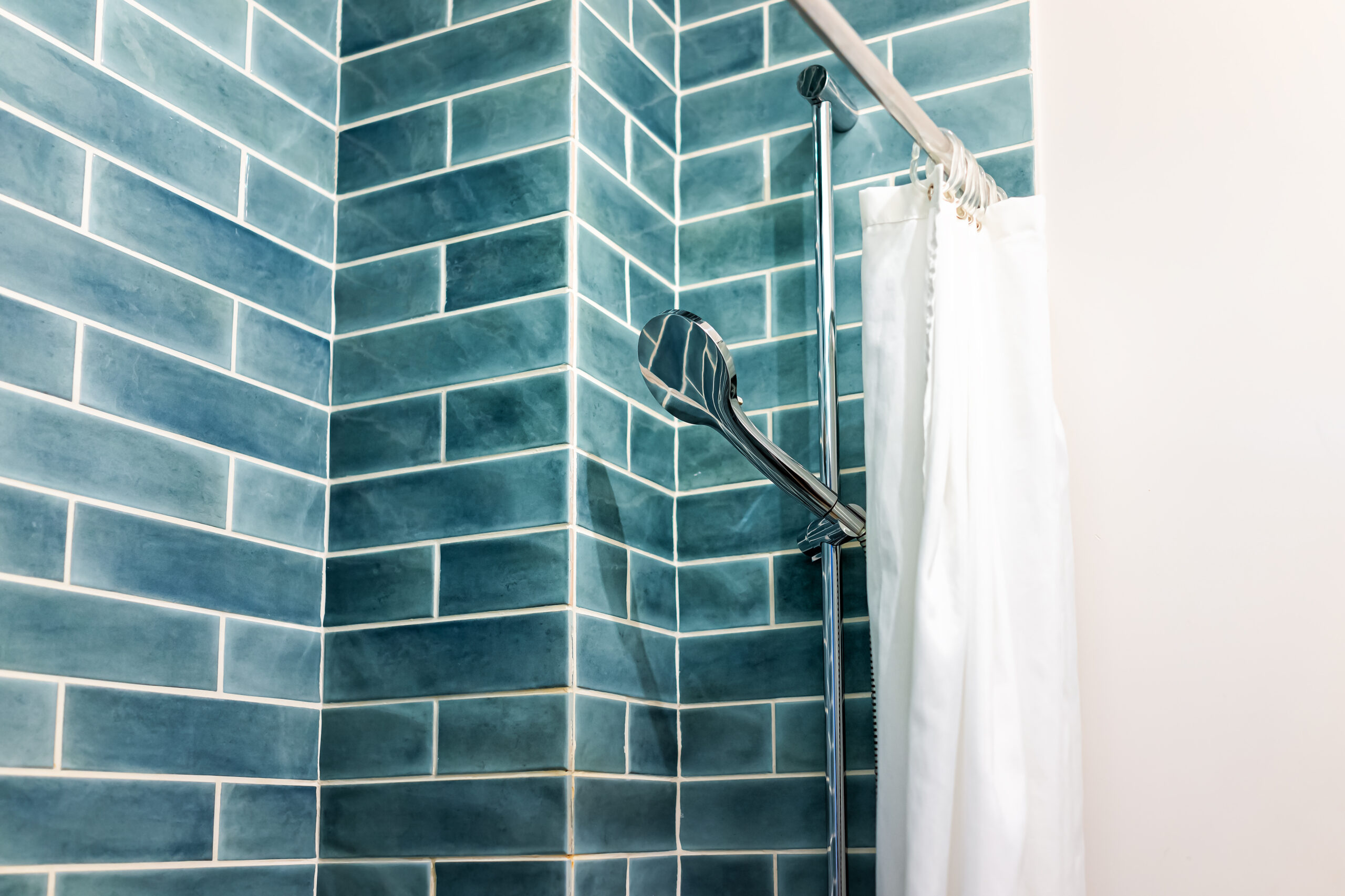
At first glance, caulk and grout can look interchangeable. They seal gaps. They’re available in similar colors. They’re used between tiles. But beyond that superficial resemblance, their properties and purposes begin to diverge quite clearly. Grout is a stiff, porous, cement-based compound designed to fill the spaces between tiles. It hardens as it cures, providing structural integrity, particularly on horizontal tiled surfaces like floors. Caulk, generally a silicone or acrylic material, is flexible and waterproof. It is designed for sealing joints where flexibility and water resistance are critical—like the corners and edges of your shower or sink.
Where Should You Use Grout?
Grout is the hero between the tiles—literally. It fills the narrow spaces, called joints, between wall or floor tiles. Once applied and dried, it helps prevent moisture from penetrating beneath the tiles, which can cause unseen yet severe water damage. Grout is ideal in places where vertical or horizontal surfaces meet in uniform, rigid patterns. In other words, it’s perfect for shower walls or bathroom floors, but not for movement-prone areas. It adds strength and helps tie all the tiles together into a solid, unified surface. However, grout is inherently porous unless sealed, which means it can absorb water and mildew over time if left untreated.
Where Should You Use Caulk?
Caulk is for movement—small but significant. It shines in the transition zones where two different surfaces meet, like where the shower wall joins the tub or floor. Because these junctions shift and expand due to temperature and humidity, a brittle material like grout would crack and deteriorate. Caulk’s flexibility allows it to hold up in those tough-to-manage conditions. It resists water, adapts to movement, and keeps mold-prone crevices sealed. Silicone caulk, in particular, is mold-resistant and best suited for high-moisture areas. But even caulk has a shelf life. It eventually peels, hardens, or discolors, requiring reapplication to maintain its protective benefits.
Advantages of Using the Right Material
When used appropriately, both caulk and grout offer targeted benefits that enhance the structural integrity and longevity of your bathroom. Grout reinforces tiled surfaces and creates a visually appealing finish, particularly in high-traffic wet zones. Caulk’s water-sealing and flexibility play a different yet equally critical role in protecting against moisture penetration in moving joints. This synergistic relationship reduces the risk of expensive future repairs by preventing leaks, mold, and rot. From a home warranty perspective, proper use not only prolongs the life of fixtures but also improves your eligibility for certain types of coverage by demonstrating maintenance diligence.
Common Mistakes and How to Avoid Them
One of the most common—and expensive—mistakes homeowners make is using grout where caulk belongs, and vice versa. Filling corner seams with grout may work for a few months but will inevitably crack as your house expands and shifts. On the flip side, overusing caulk between tiles can compromise aesthetics and long-term durability. Another frequent issue is neglecting to inspect or replace aging material. Caulk that has peeled or grout that has crumbled is no longer doing its job. Scheduling periodic reviews of your shower joints can catch deterioration before it becomes a deeper issue. Lastly, many homeowners skip sealing grout. Unsealed grout is vulnerable to staining, mold, and absorption, reducing its lifespan significantly.
Signs It’s Time to Re-Caulk or Re-Grout
There’s no built-in alarm system to let you know your shower needs attention. However, visual clues are usually reliable. Discoloration in grout, shrinking or cracking lines, or peeling caulk indicate loss of function. Feeling dampness or noticing a musty smell without visible water could be a sign that compromised sealing has allowed moisture into wall or floor cavities. Chips or loose tiles also point to failing grout. If you’re noticing these signs, it’s time to act. Allowing damaged grout or caulk to remain increases the risk of moisture breach, which can turn what was a simple maintenance chore into a larger repair involving rot, mildew, or structural damage.
The Role of Caulk and Grout in Home Warranty Coverage
It may not be obvious, but your approach to caulking and grouting plays a direct role in how you maintain eligibility for certain home warranty protections. While caulk and grout themselves are typically considered homeowner maintenance responsibilities, incorrect or incomplete sealing can lead to water damage. If that damage results in appliance or system failure, your warranty provider may decline coverage due to neglect. Documenting when you last re-caulked or re-grouted and confirming the appropriate material was used provides a clear maintenance record. This proactive protection serves as a partner to your home warranty coverage, preserving the home systems that make your daily life more comfortable.
Why Choosing Armadillo Means Investing in Peace of Mind
Understanding the difference between caulk and grout—and using each correctly—helps protect your home from water damage, mold growth, and structural deterioration. But even when maintenance is done properly, unexpected issues can still arise. That’s where Armadillo steps in. As a modern home warranty provider, Armadillo covers your home’s key systems and appliances, helping you manage costs when the unexpected occurs. When you pair solid maintenance with strong warranty protection, you build a defense that’s both smart and secure. Learn more at armadillo.one or begin protecting your home today by customizing your plan at our plan builder tool. Peace of mind is just a few clicks away.