
Ceiling Fan Direction for Summer: What Homeowners Need to Know
Understanding how to properly use a ceiling fan can make a surprising difference in your home’s comfort and energy efficiency—especially during summer. As utility costs rise and homeowners look for smart, manageable ways to beat the heat, optimizing your ceiling fan’s performance becomes a simple yet effective solution that’s often overlooked. If you’ve ever wondered whether the fan should spin left or right in the summer—or what “left” and “right” even mean in this context—you’re not alone. Let’s walk through how ceiling fans work, why their direction matters, how they integrate into your larger home system, and what you need to keep in mind as a homeowner to keep things running smoothly.
Understanding Ceiling Fan Functionality
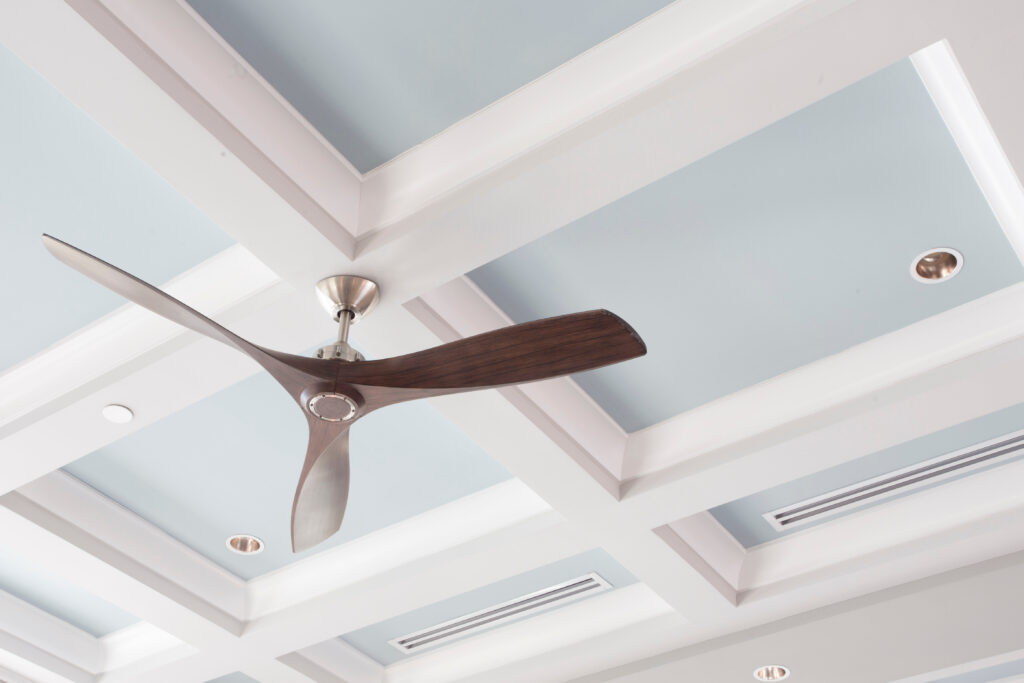
At its core, a ceiling fan doesn’t lower the temperature in a room—it circulates air to create a wind-chill effect. This helps people in the room feel up to 4 degrees cooler than the actual measured temperature. That effect provides relief during hot months and reduces the reliance on air conditioning. Fans can rotate in either clockwise or counterclockwise directions, and that direction influences airflow. It’s this controlled circulation that allows your ceiling fan to support seasonal shifts, particularly during summer.
Which Way Should the Fan Spin in the Summer?
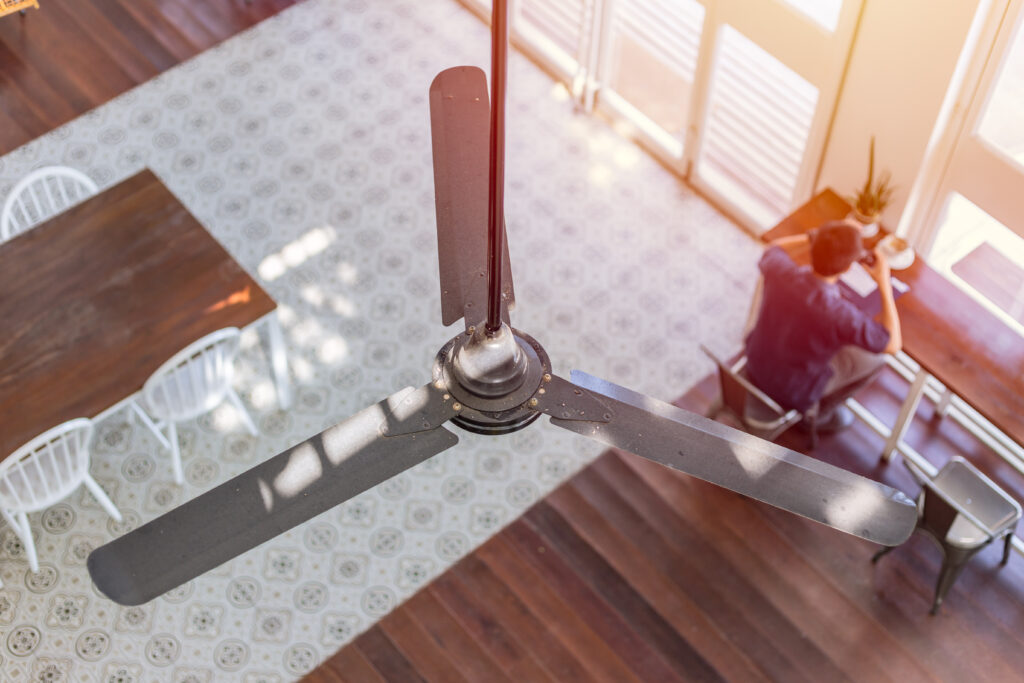
During summer, your ceiling fan should rotate counterclockwise when viewed from directly beneath. In this direction, the blades push air downward, creating a cooling breeze across your skin. Most modern ceiling fans come with a simple switch on the motor housing to change rotation direction. When set correctly, this enhances room comfort while letting you raise your thermostat by several degrees—an energy-efficient win. However, if the fan is rotating clockwise in the summer, it will pull air upward and distribute it across the ceiling, which is specifically effective during colder months to redistribute warm air, but not what you want in June or July.
Advantages of Using Ceiling Fan Direction Strategically
Adjusting the fan direction seasonally offers several key benefits. First, it supports indoor temperature regulation without increased HVAC activity. Second, it reduces energy costs by enabling higher thermostat settings without compromising comfort. Additionally, effective fan usage can help reduce wear on your HVAC system. Less runtime on your AC means longer lifespan for that equipment—something home warranties watch closely. Finally, ceiling fans are a low-tech, low-maintenance solution that contributes to a layered climate control strategy. You won’t get the same zone control or programmable features as advanced thermostats, but when used correctly, they add considerable efficiency.
Common Drawbacks and Missteps to Avoid
The most common mistake homeowners make is not changing the fan’s rotation based on the season. This simple oversight can leave your cooling system working harder than necessary and create uneven temperatures. Another issue is improperly sized or installed fans. If a fan is too small for a room, it won’t move enough air to be effective. Installation at the wrong height also impacts performance—your fan should sit about 8 to 9 feet off the floor. Dirty fan blades create drag and reduce airflow capability, another often neglected detail. Lastly, relying on a ceiling fan with no air conditioning in extremely hot regions might not be sufficient. It’s a supplemental feature, not a primary solution.
Fan Integration with Whole-Home Cooling Systems
Ceiling fans don’t operate in isolation—they’re part of your broader home environment. When paired with a central AC system, the correct fan direction helps maintain consistent temperatures across zones. In multi-story homes, warm air tends to collect upstairs. Used correctly, fans can circulate that air to avoid major differences between floors. Some advanced fans even integrate with smart home systems, allowing programmed operation based on interior temperature fluctuations. For homes protected under a home warranty plan, it’s worth noting that improper ceiling fan use that contributes to HVAC overuse could complicate warranty claims. Ensuring all systems work harmoniously promotes longevity and coverage compliance.
Tips for Optimal Fan Use This Summer
First and foremost, flip that directional switch at the start of each season—counterclockwise in summer, clockwise in winter. Use a ladder safely and ensure the fan is off before adjusting. Clean the blades regularly to ensure smooth operation and airflow. Check the direction visually: when standing beneath the fan, blades should move counterclockwise and you should feel air pushing directly down on you. Run your ceiling fans only in occupied rooms; fans cool people, not spaces. Leaving them on in empty rooms wastes energy. Finally, don’t rely on fans alone in heat waves—use them to supplement your thermostat, not replace it.
Why Armadillo Home Warranty Simplifies Summer Maintenance
Understanding how your ceiling fan contributes to home comfort is one thing—ensuring it connects effectively to your full HVAC and electrical systems is another. At Armadillo, our home warranty approach emphasizes practical coverage for the interconnected systems that keep your home functional. Whether it’s your ceiling fan’s wiring, switch, or how it correlates with your cooling system’s workload, we have your back so repair and replacement costs don’t catch you off guard. If your home systems are working together, they last longer. If something goes wrong, we’re on it. Learn more about protecting your systems at www.armadillo.one or start building a custom plan tailored to your ZIP code and needs at this link. Comfort should be simple. We help make it that way.