
Which Way Should a Ceiling Fan Turn in the Summer? Here’s What Homeowners Need to Know
Ceiling fans are a staple in many homes—easy to install, cost-effective, and incredibly helpful in keeping temperatures comfortable year-round. But many homeowners are surprised to discover how crucial it is to adjust the fan’s direction once the seasons change. Running your ceiling fan in the wrong direction during the summer months can affect efficiency, strain your cooling system, and even increase your energy bills subtly over time. In this guide, we’ll break down how ceiling fans work, why their rotation matters, and how optimizing their function supports broader home systems, especially when considering the value of a home warranty like Armadillo’s for long-term protection and peace of mind.
How Do Ceiling Fans Work?
Fundamentally, ceiling fans don’t actually cool the air—they circulate it. When a ceiling fan spins, it disrupts the stagnant layers of air around the room, creating airflow that evaporates sweat from your skin and makes you feel cooler. That’s the key: sensation. While the thermostat may not register a change, your perception of the room becomes dramatically more comfortable.
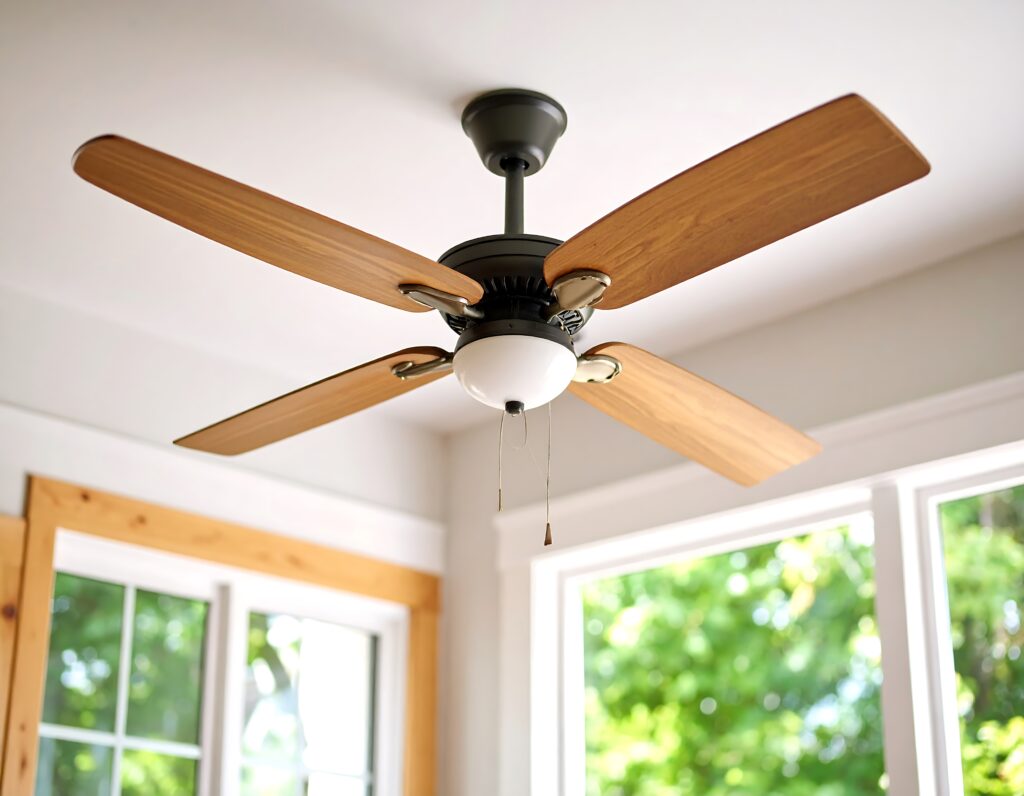
Modern fans typically operate using a small motor mounted in the center that turns the blades. By repositioning a small directional switch on the motor housing—often on the base of the fan itself—you can reverse the motor’s spin. This directional change impacts how air is moved, which brings us directly to the importance of choosing the right direction depending on the season.
The Right Direction for Ceiling Fans in the Summer
During the warmer months, ceiling fans should rotate in a counterclockwise direction. This direction pushes cooler air downward, creating a breeze that travels directly beneath the fan and circulates outward. This wind-chill effect helps your skin feel cooler, which means you can often raise the thermostat setting several degrees without compromising comfort.
The counterclockwise rotation is designed to enhance overall airflow. Ideally, when you stand directly beneath your ceiling fan in summer mode, you should feel a noticeable breeze. If not, the fan is likely rotating in the wrong direction or operating at too low a speed to be effective. Ceiling fans are most effective at higher speeds during summer and should be used only when people are present in the room, since they only affect comfort levels—not the room’s temperature.
Why Fan Direction Matters for Energy Efficiency
Running a ceiling fan in the correct direction is more than just a matter of comfort—it directly contributes to energy efficiency. When used properly, a ceiling fan can reduce your reliance on air conditioning by making it more bearable to keep the thermostat set a bit higher. This relieves stress on your HVAC system, ultimately extending the life of mechanical components and minimizing unnecessary wear—an important factor when considering future repair or replacement costs.
Turning a fan in the wrong direction during summer, on the other hand, could actually pull warm air down from the ceiling and circulate it, working against your cooling efforts. That inefficiency may not be immediately obvious, but sustained misuse over the course of several months can indirectly lead to higher energy bills and faster deterioration of cooling systems. Correct orientation, therefore, is a simple but powerful tactic in household energy management.
Recognizing Your Fan’s Direction
If you’re unsure about your fan’s current direction, the easiest method is observational. Turn on the fan and stand underneath it. In summer mode—counterclockwise—the blades should move from the top left to the bottom right and create a noticeable downward breeze. If you feel air being pulled upward or no direct airflow at all, it’s time to switch the setting.
Most ceiling fans come with a small toggle switch on the motor housing to reverse the rotation. Be sure to turn the fan off completely before adjusting the switch. Some newer smart fans allow digital control through a mobile app or wall control panel. In some cases, the fan’s design may obscure the switch, prompting a quick review of the owner’s manual or a visit to the manufacturer’s website.
Impact on Other Home Systems and Appliances
The benefits of running your ceiling fan properly extend beyond temperature control. A fan in optimal condition and used efficiently reduces wear and tear on other key home systems—especially your HVAC unit. Air conditioning systems work harder when there’s high demand to rapidly drop indoor temperatures. But a ceiling fan provides continuous circulation that lets your AC pause intermittently while still maintaining a sense of comfort.
This dynamic also contributes to improved indoor air quality by encouraging better airflow throughout enclosed rooms. Consistent air movement can help prevent hotspots, humid patches, and even the conditions that allow mold or allergens to settle. While no ceiling fan will replace a dedicated air purification system, these indirect contributions underline how small optimizations add up within an integrated home maintenance strategy.
Common Drawbacks and Limitations
Ceiling fans, while efficient and accessible, do come with limitations. Their effectiveness is typically limited to individual rooms—an entire home cannot rely solely on strategically placed fans for adequate cooling. Ceiling height and blade size also influence their reach. Higher ceilings or vaulted spaces often require downrods or specialty fans to ensure airflow reaches occupants below. Likewise, if the blades are too short or incorrectly angled, the fan may circulate air poorly even in the ideal direction.
Additionally, while fans can help in managing how cool a room feels, they do not lower the actual temperature. Forgetting to turn fans off when leaving rooms wastes electricity without providing a comfort benefit—essentially counteracting some of their intended energy savings. Lastly, if used incorrectly over time without proper maintenance, fans can become dusty, noisy, or unbalanced, posing issues in both performance and appearance.
Maintenance and Longevity Tips
Prolonging the life of your ceiling fan and ensuring it operates efficiently requires only modest but regular upkeep. Dust the blades monthly to prevent weight imbalance, which can cause wobbling and strain on the motor over time. Check mounting brackets annually to ensure the fan remains securely anchored to prevent friction or vibration issues. Most importantly, reassess the directional switch seasonally—typically in early summer and again heading into colder months.
If your fan begins to make noise or shows signs of decreased performance, address the issue promptly. Sometimes the noise is a sign of motor fatigue or imbalance in the blade assembly. For smart investments in your home systems, bundling fan maintenance with HVAC servicing can streamline overall household upkeep and create a dependable pattern of care that reduces emergency repairs over time.
Protecting Your Cooling Systems Year-Round with Armadillo
Running your ceiling fan in the correct direction during summer months is one of the simplest and most effective ways to protect your home’s energy efficiency and preserve the durability of your HVAC system. But fans, air conditioners, and other critical appliances naturally wear down, and when they do, repairs can be expensive and disruptive without the right coverage in place.
That’s where Armadillo steps in. With a customizable home warranty plan that includes options for cooling systems, electrical systems, and more, Armadillo helps homeowners reduce the stress of unexpected breakdowns. Check out our full range of covered appliances and create a plan tailored to your home at armadillo.one. Ready to get started now? Begin building your personalized home warranty plan today at our plan builder.