Does Ceiling Fan Direction Really Matter? A Homeowner’s Guide to Year-Round Comfort
Ceiling fans are a seemingly simple fixture in many homes, hanging quietly above kitchens, bedrooms, or patios. But behind their steady spin lies a bit of a secret: the direction your ceiling fan rotates significantly impacts your comfort and utility bills throughout the year. Many homeowners don’t realize that reversing the fan’s direction with the changing seasons can play a crucial role in controlling indoor temperature and enhancing HVAC efficiency. Whether you’re aiming to stay cool in the summer or circulate warmth in the winter, this knowledge can influence your home’s comfort and your system’s workload. So yes, ceiling fan direction absolutely matters—and understanding how and why is key to making informed decisions about your home.
Understanding How Ceiling Fans Work
Ceiling fans don’t cool or heat air the way HVAC systems do. Instead, they manipulate airflow to change how the room feels. In essence, ceiling fans create wind chill in summer and redistribute warm air toward occupants in the winter, all without altering the actual room temperature. The effectiveness comes from blade rotation and angle. The direction a fan spins alters which way air is moved—downward or upward—and that determines its seasonal role.
Summer Mode: Counterclockwise Rotation
In warmer months, your ceiling fan should run in a counterclockwise direction. This pushes air downward, creating a breeze across the skin. That breeze accelerates the evaporation of perspiration, which is what makes you feel cooler. The temperature doesn’t drop, but your perception shifts enough to potentially raise your thermostat by a few degrees without sacrificing comfort. This ultimately leads to lower energy usage by the air conditioning system. Notably, most ceiling fans include a small switch on the motor housing, usually labeled with directions for reversing the spin. Make sure you turn off the fan before flipping it.
Winter Mode: Clockwise Rotation
Come winter, the same fixture does an entirely different job. When reversed to clockwise rotation and operated at a low speed, ceiling fans pull cool air upward. This movement forces warm air (which naturally rises) down along the walls and back toward the floor, redistributing heat trapped near the ceiling. This gentle mixing reduces cold spots and helps maintain a more stable, comfortable indoor temperature—especially helpful in rooms with high or vaulted ceilings. While you might not physically feel airflow, your heating system won’t have to work quite as hard to maintain your preferred climate.
Why Ceiling Fan Direction Impacts Energy Efficiency
Every homeowner is familiar with the struggle to balance comfort and energy costs. This is where fan direction becomes a practical advantage. Used correctly, ceiling fans reduce the strain on HVAC systems. In summer, ceiling fans can allow you to increase your air conditioner’s setpoint by roughly four degrees without sacrificing comfort. In winter, by redistributing air, fans lessen the demand on heaters to produce more warmth. That translates to lower utility bills. Ceiling fans use relatively little electricity on their own, so the energy they conserve far exceeds the energy they consume—provided they’re spinning the right way at the right time.
How to Adjust Your Ceiling Fan’s Direction
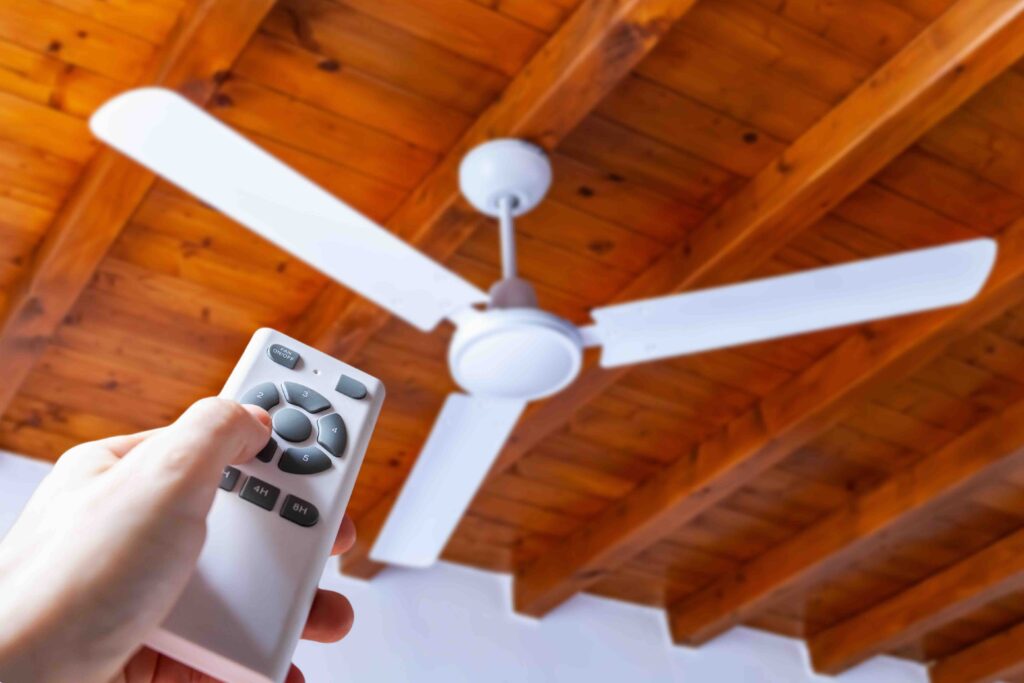
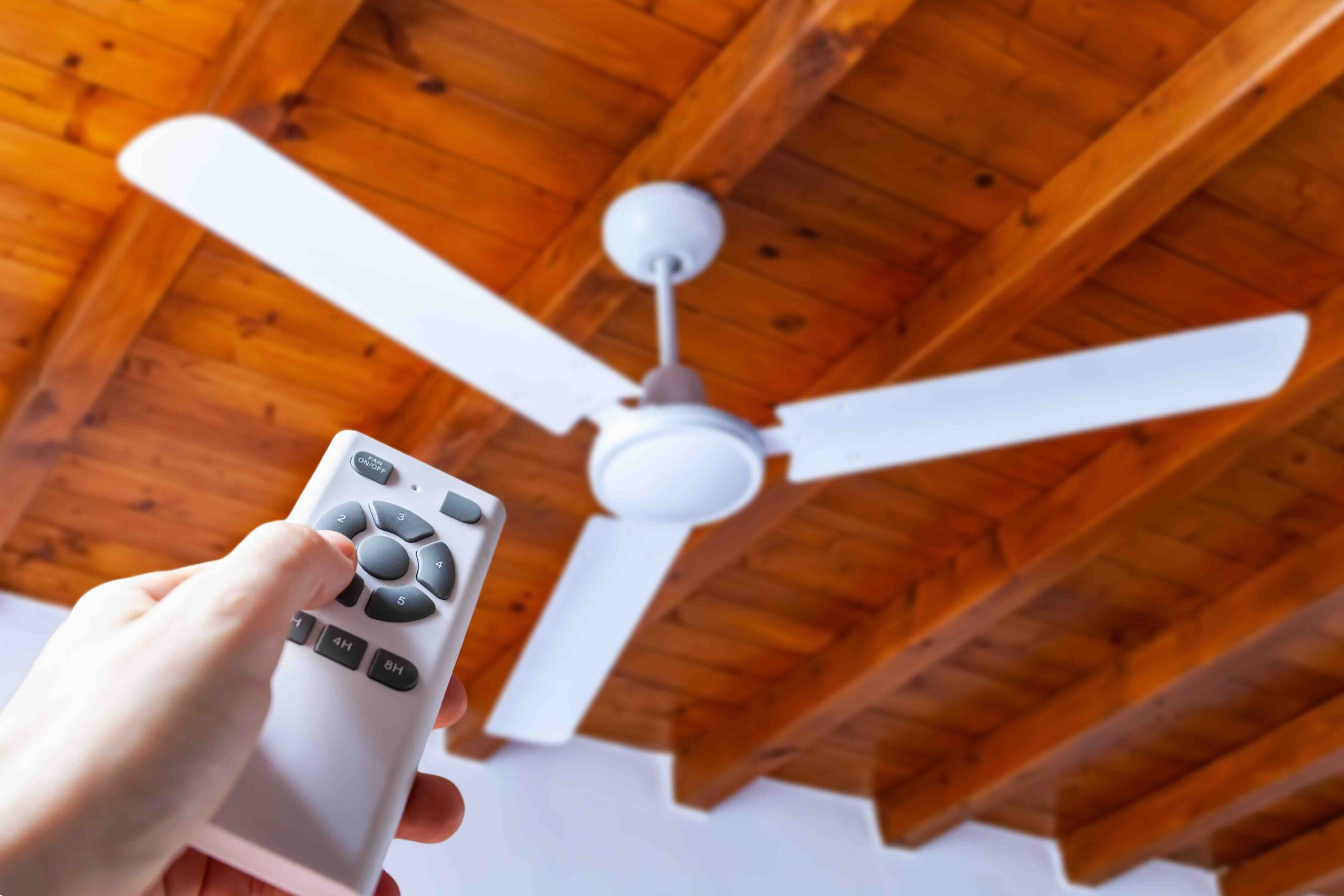
Switching your ceiling fan’s direction is simple but often overlooked. Most fans have a small switch located on the motor casing. Horizontal switches typically indicate up-down orientation, corresponding to rotation. Digital or smart fans might have controls via remote or app. To confirm the direction, stand directly under the fan. If the blades move counterclockwise and you feel air pushing down, it’s in summer mode. If they move clockwise and airflow is barely noticeable, it’s set for winter. Always set the fan speed appropriately before testing—high for summer, low for winter.
Common Mistakes and Oversights
One of the most frequent homeowner oversights is leaving ceiling fans running year-round in a single mode. When fans operate counterclockwise in winter—or clockwise in summer—they can reduce comfort rather than enhance it, causing HVAC systems to overcompensate. Another mistake involves fan usage in empty rooms. Unlike temperature-regulating appliances, fans benefit occupants—not spaces—so leaving them on in empty rooms serves no purpose and wastes electricity. Always match fan direction and speed to the season, and only use them when rooms are occupied. It’s a small detail, but one with measurable home efficiency implications.
What Ceiling Fan Direction Means for Home Warranty Planning
Proper ceiling fan usage doesn’t just affect comfort; it ties into broader maintenance and system longevity considerations covered under most home warranty plans. HVAC systems, especially, benefit when ceiling fans are used efficiently. Reducing runtime on air conditioners or furnaces means fewer breakdowns and service calls—issues that commonly fall under warranty claims. By controlling factors like airflow distribution and heating load, fan direction plays an indirect but critical role in how frequently these large systems need repair or replacement. Savvy homeowners who optimize their ceiling fans can often extend the lifespan of costly mechanical systems, reducing reliance on warranty usage and potential service delays. It’s one of those quietly impactful practices that shapes the broader maintenance picture.
Protecting Your Systems with a Warranty That Works Smarter
Your ceiling fan might be a simple fixture, but its role in supporting energy efficiency and HVAC performance is anything but minor. By understanding and adjusting the fan’s rotation based on the seasons, you help alleviate strain on critical home systems. That’s where a modern home warranty can help connect the dots between comfort and protection. A plan from Armadillo provides coverage that anticipates real-life homeowner needs—including HVAC system repairs and service requests common in both cold winters and humid summers. While ceiling fan adjustments can reduce breakdowns, no system is immune over time. Armadillo offers flexible, transparent home warranty plans that work seamlessly with your lifestyle. Take the first step toward smarter home protection at the Armadillo homepage (https://www.armadillo.one) or start customizing your plan today at (https://app.armadillo.one/plan-builder?current=zip).