Which Way Should a Ceiling Fan Turn in Summer? A Homeowner’s Guide
Seasonal adjustments to your home systems may seem small, but they have a domino effect on comfort, energy efficiency, and even appliance longevity. One common but often overlooked example: the direction of your ceiling fan. Yes, fans spin both ways — and yes, it matters. Knowing which way to turn a fan in summer, and why, is a simple home improvement choice that can boost comfort and shave dollars off your cooling bill. This article will explore how ceiling fans work, why fan direction matters, and how making small adjustments aligns with larger goals of energy efficiency and smart homeownership. We’ll also address some of the most common issues homeowners face with their fans, plus how a home warranty provider like Armadillo can help you protect and maintain your home systems with less stress.
How Ceiling Fans Work: Moving Air, Not Changing Temperature
Contrary to popular belief, ceiling fans do not lower the temperature of a room. Instead, they move air in a circular pattern that influences how we perceive temperature through a process called evaporative cooling. When air moves across your skin, it accelerates the evaporation of moisture (or sweat), making you feel cooler even though the actual air temperature remains unchanged. This is why sitting under a fan feels refreshing — it’s all about airflow, not air temperature. Because of this, fans are most effective when people are in the room to feel that airflow. Leaving ceiling fans running in unoccupied rooms during summer is a common energy-wasting mistake. Understanding the dynamics behind airflow patterns is the key to optimizing your ceiling fan usage for each season.
Summer Fan Direction Explained: Counterclockwise for Cooling
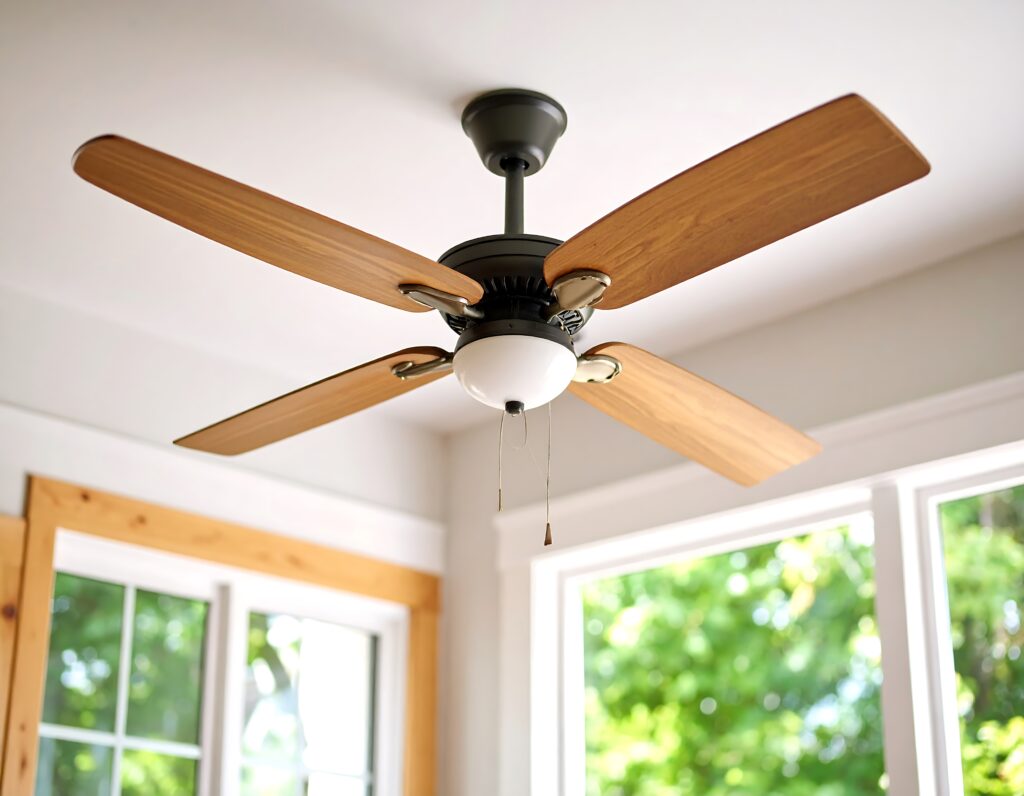
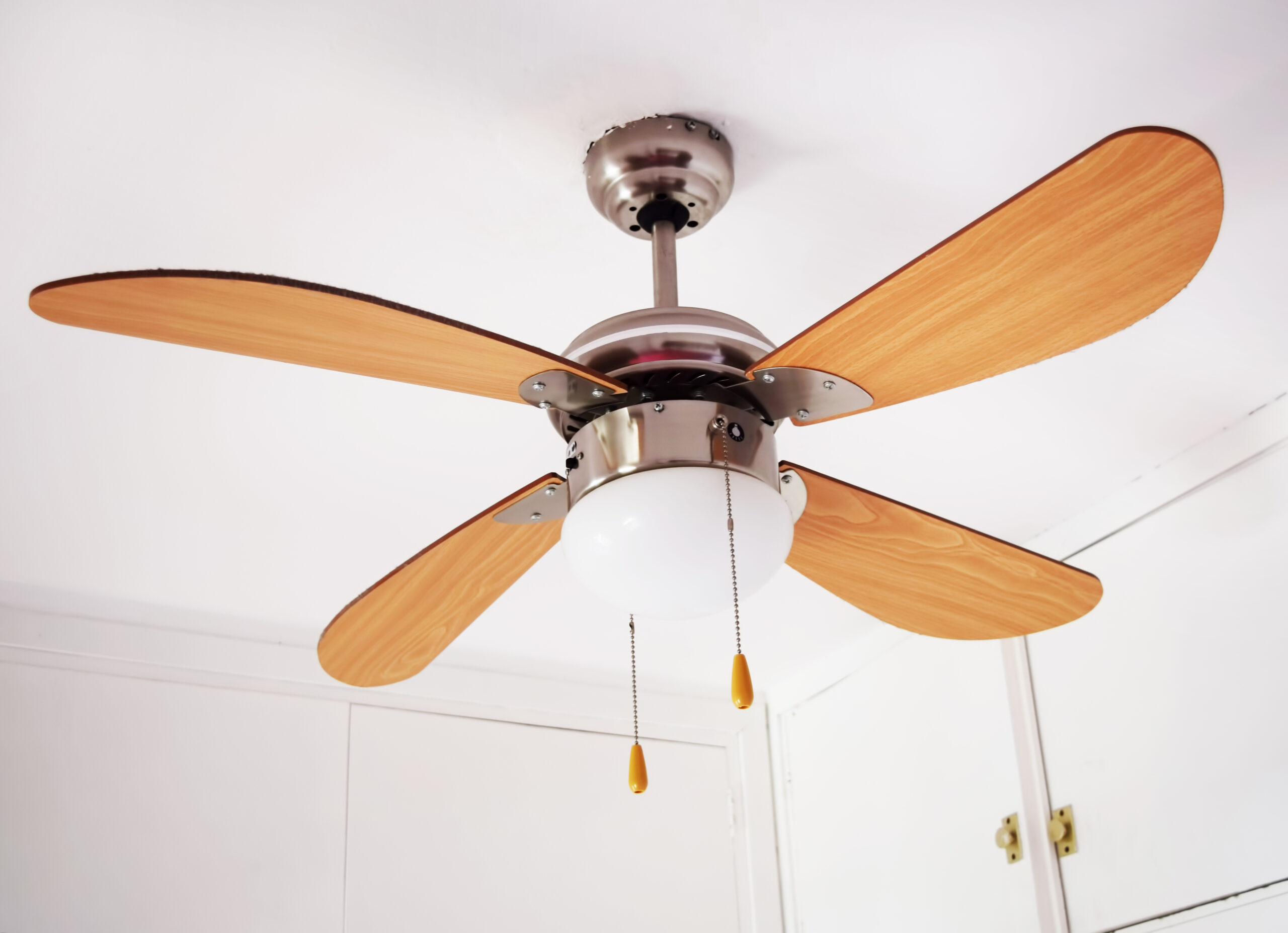
So, which direction should your fan rotate in the summer? The answer: counterclockwise. When spinning this way, a ceiling fan pushes air downward, creating a wind-chill effect. It circulates air in a way that moves cooler air toward the floor and generates movement that enhances your body’s natural cooling system. Most ceiling fans have a seasonal toggle switch located on the motor housing (often near where the blades connect to the base). Switching it to the counterclockwise setting during warmer months maximizes the cooling effect. Stand directly under your fan — you should feel a consistent downward draft. If you don’t, the direction is likely incorrect. Making this small change can reduce reliance on air conditioning and contribute to overall energy savings during peak summer heat.
Energy Efficiency and Cost Savings Benefits
Utilizing ceiling fans strategically can have measurable impacts on your energy consumption. When used correctly, a ceiling fan in summer allows you to raise your thermostat setting by about 4 degrees Fahrenheit without a perceived loss in comfort. That’s significant during peak cooling season when HVAC systems are operating nonstop. Consider a household of four using fans in main living areas rather than adjusting the central air system multiple times a day. Now factor in utility rates trending upward. Effective fan use serves as a budget-friendly complement to your cooling system. Additionally, proper circulation reduces strain on your HVAC unit, potentially extending its working life. It’s a domino effect — efficient fans reduce HVAC workload, prolong system lifespan, and prevent overuse-related breakdowns. This ties directly into the broader need for maintaining your systems with long-term savings in mind.
What If the Fan Is Spinning the Wrong Way?
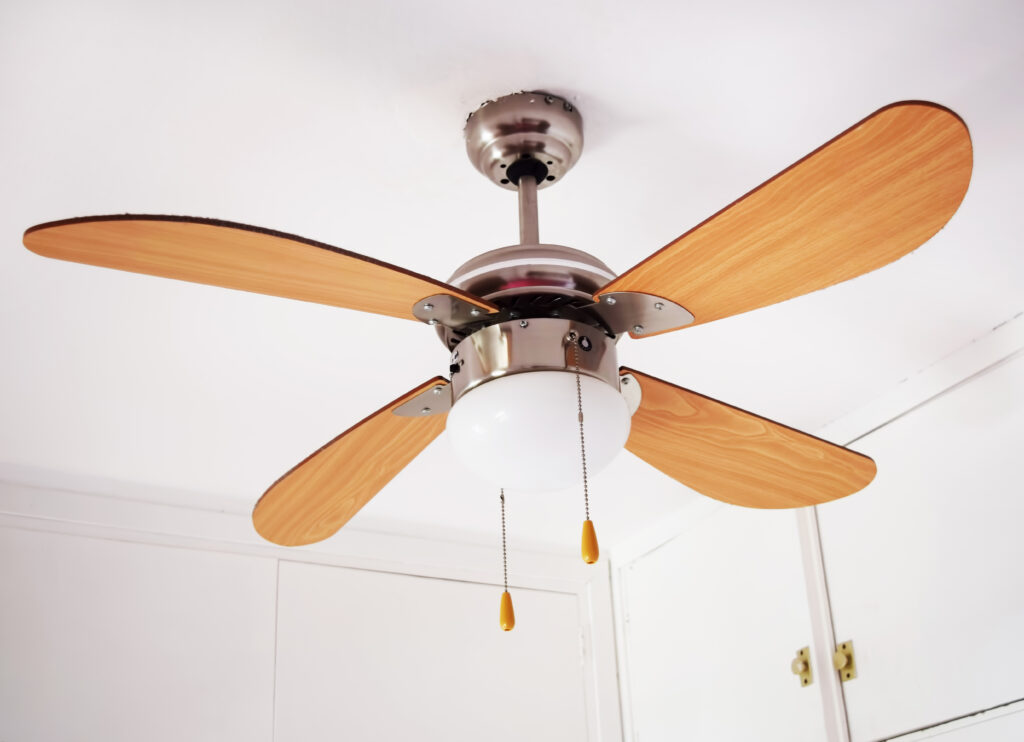
If your ceiling fan is spinning clockwise during the summer, it’s actually working against your cooling efforts. Clockwise rotation pulls air upward, creating a mild updraft. That’s appropriate for winter months when you’re looking to redistribute warm air trapped near the ceiling. But during summer, that same updraft can make a room feel stagnant or trap warm air below. To adjust it, first turn off the fan and wait for it to stop completely. Locate the directional switch — this is usually a small slider or toggle switch on the fan’s base. Switch it to the opposite setting and restart the fan. Stand below it again to confirm you feel the gentle downdraft indicative of counterclockwise movement. For modern remote-controlled fans, the process may involve adjusting settings through the remote or a smartphone app. Always refer to the manufacturer’s specifications if the directional switch isn’t readily apparent.
Common Ceiling Fan Issues and Maintenance Tips
Ceiling fans are relatively low-maintenance, but they do benefit from occasional upkeep. Over time, dust accumulates on the motor and blades, which can reduce performance and air quality. Wobbly blades or strange noises may indicate loose connections or aging bearings. Reduced airflow efficiency can result from unbalanced blades, worn motors, or improper blade angle. Regular cleaning with a microfiber cloth and periodic tightening of screws can dramatically extend the fan’s reliable operation. For multi-speed units, make sure that all speed settings function properly — sluggish performance at any setting might signal an emerging motor issue. Poor wiring or failed capacitors are rare but not unheard of. In these scenarios, repairs can be both inconvenient and costly, especially without warranty protection. Problems often emerge after years of deferred maintenance, so investing time in simple checks can preempt bigger fixes later.
Integrating Ceiling Fan Usage with Other Cooling Strategies
Maximizing energy efficiency during summer involves more than just adjusting your ceiling fan’s direction. Use ceiling fans in tandem with smart thermostat settings to reduce reliance on constantly cycling central air systems. During daylight hours, reduce solar gain by keeping blinds or curtains closed. At night, when temperatures drop, open windows strategically and use fans to keep air circulating. Aim to keep air moving in a consistent pattern throughout the house. Layering these energy-conscious strategies — from sealing drafty windows to carefully zoning your cooling efforts — can yield significant results. A ceiling fan is only one piece of the larger thermal puzzle, but it plays a critical role. When every degree on your thermostat equates to an uptick in utility costs, the way you circulate air becomes more important. Making thoughtful changes to airflow and usage patterns positions homeowners for lower costs and a more comfortable interior year-round.
When to Replace or Upgrade Your Ceiling Fan
Many homeowners inherit ceiling fans with their homes — often decades old and inefficient by today’s standards. If your fan only has a single speed, lacks remote control, or runs noisily, it may be time to consider an upgrade. Modern ceiling fans offer a variety of useful features, such as DC motors (which consume less power), integrated lighting, and smart-home compatibility for seamless adjustments through an app or voice command. Professional installation may be advisable, especially if your home lacks the wiring infrastructure for newer models. Upgrading is also a good opportunity to check for proper ceiling reinforcement — heavy or oversized fans require support beyond a basic electrical box. If you’re planning a remodel or energy-efficiency upgrade, replacing old fans with Energy Star-rated models is a small but effective enhancement. The upfront cost is relatively minimal, especially in high-use rooms where the fan supports daily climate management.
One Small Switch, One Smart Step: How Armadillo Helps Protect What Moves Your Air
Knowing which way to turn your fan in summer — counterclockwise for a cooling downdraft — is one of those deceptively simple tasks that homeowners often overlook. But it highlights a larger reality: your home is full of interconnected systems, and even the smallest adjustments can enhance comfort, efficiency, and longevity. Ceiling fans work best when you pair smart usage with proactive maintenance. And the same applies to the rest of your home systems. That’s where a home warranty provider like Armadillo steps in. Armadillo helps cover major systems and appliances, giving you the confidence that when the unexpected happens — from motor failures to wonky fan wiring to air conditioning issues — you’re not stuck navigating expensive repairs alone. Learn more at www.armadillo.one, or get protection started today by customizing your plan at our plan builder. You’re making smart moves around comfort; now pair it with smart coverage that supports every season.