Which Way Should a Ceiling Fan Spin in Winter? Understanding Seasonal Efficiency
Ceiling fans are often overlooked when we think of home heating, but their role in maximizing energy efficiency—especially in winter—can be surprisingly impactful. Many homeowners don’t realize that ceiling fans aren’t just for cooling. In fact, when used correctly in colder months, ceiling fans can significantly improve the performance of your home’s heating system. The direction of spin is key—and knowing how to set it is a simple, often underutilized improvement that can lead to increased comfort and lower utility bills. Understanding which way your ceiling fan should spin in the winter is not only practical, it’s essential to optimizing home energy use.
How Ceiling Fans Work: More Than Just a Breeze
Ceiling fans don’t actually cool or heat the air. What they do is move air around the room, which in turn influences how warm or cool a room feels to your body. The magic lies in air circulation. During warmer months, ceiling fans typically spin counterclockwise, pushing air downward to create a wind-chill effect. But in winter, the goal is entirely different—you’re not looking to cool anyone down, you’re trying to keep warm air from escaping too quickly upwards. That’s where fan direction becomes critical.
The Physics Behind Fan Direction
Warm air naturally rises—a basic principle of physics. In the winter, your home’s heating system works to warm the air, but much of that warmth ends up collecting at ceiling level where it does little to help you feel comfortable. When a ceiling fan spins clockwise at a low speed, it gently pulls cooler air upward. This upward movement displaces the rising warm air and pushes it back down the walls and into the occupied areas of the room. Done correctly, this creates a circulation loop that redistributes heat without generating a noticeable breeze—a key necessity in colder seasons when drafts are unwelcome.
How to Check and Change the Fan Direction
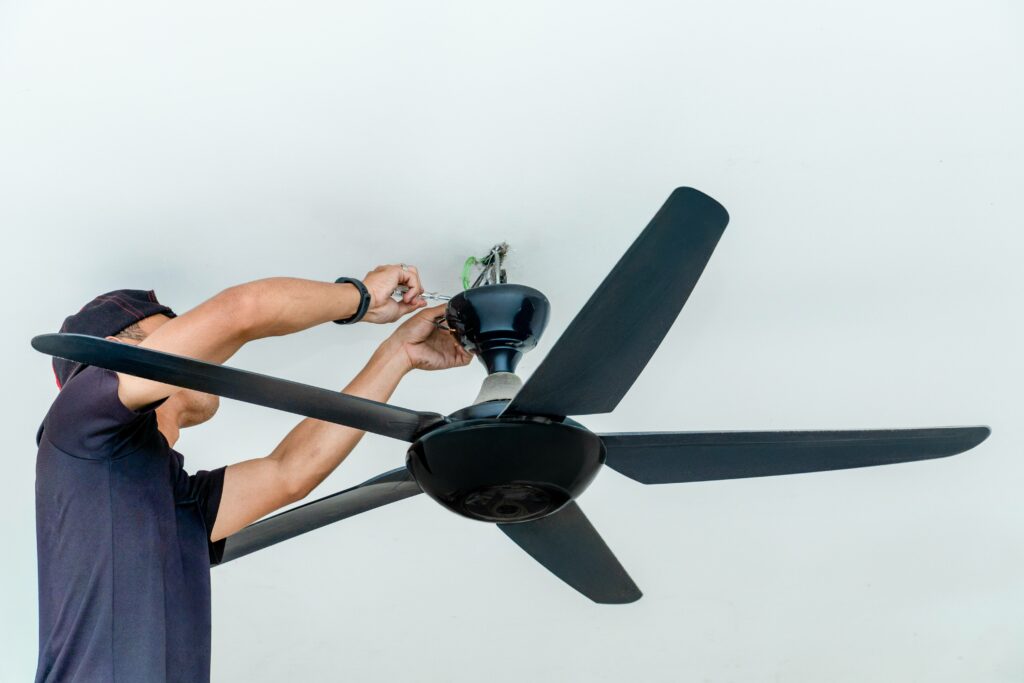
Most modern ceiling fans come equipped with a small switch on the motor housing that changes the direction of the blades. This directional switch is typically located just above the blades. First, turn the fan off and let it come to a complete stop. Flip the switch, and then turn the fan back on at a low speed. Stand underneath it. If you don’t feel air blowing directly down on you, it’s likely rotating in the winter-appropriate direction—clockwise. If you do feel air breeze, toggle the switch again. Many newer fans also include remote controls or smart integrations that allow direction changes with a click or voice command, which makes adjusting for the seasons even simpler.
Benefits of Proper Fan Use in Winter
When used correctly in cooler months, ceiling fans can enhance your home’s overall energy performance. Since redistributed warm air reduces the amount of work your heating system has to do, you can often lower your thermostat by a few degrees without sacrificing comfort. That results in direct energy savings and less strain on your HVAC unit. Ceiling fan use can also help eliminate cold spots and improve balance throughout a home. Especially in rooms with vaulted ceilings or uneven heating, a properly used fan can help maintain consistent temperatures. Longer-term, this means less energy waste and potentially longer HVAC system lifespan.
Drawbacks and Considerations
Despite the efficiency wins, a few caveats are worth noting. If your fan doesn’t have a reversible motor or the direction switch is broken, you lose the seasonal benefits. In older fan models, fixing or modifying directionality may require a full replacement. Additionally, improper use—such as running the fan at high speed in winter—can lead to discomfort and negate energy savings. Another concern is electricity consumption. Although ceiling fans use relatively little energy compared to other appliances, keeping them running in empty rooms adds unnecessary usage. Effective use depends on mindfulness. Fans should only run in occupied rooms and should be turned off when not in use.
Tips for Maximizing Efficiency Year-Round
A ceiling fan is most effective when thoughtfully paired with your home’s heating and cooling habits. In the winter, run your fan clockwise on the lowest speed setting and keep room doors open to let air circulate naturally. In high-ceiling rooms, this makes the most noticeable difference, as warm air doesn’t linger uselessly at the top. If you use a programmable thermostat, syncing temperature adjustments with times when you are home can further enhance performance. You should also maintain your fan regularly. Dust accumulation on blades can reduce efficiency and even shorten the life span of your unit. A quick monthly wipe can keep things running smoothly and ensure air quality isn’t compromised.
How a Home Warranty Can Protect the Systems That Support Seasonal Comfort
Ceiling fans themselves are just one component of a broader home ecosystem. While they help distribute warm air, it’s your HVAC system, electrical wiring, thermostat, and outlets that keep everything functioning. If any of these systems fail—especially during the colder months—seasonal energy efficiency quickly becomes secondary to essential repairs. That’s where a home warranty, like the kind offered by Armadillo, proves its value. Armadillo offers customized protection plans that cover essential systems, including electrical and HVAC, ensuring your home remains functional regardless of the season. If something goes wrong, you’re not on your own. Repair costs are managed more predictably, and your warranty provides professional fixes so you can get back to living comfortably. Ready to safeguard your home systems? You can start building your personalized plan here.