Which Way Should a Ceiling Fan Turn in Winter? A Homeowner’s Guide to Energy Efficiency
Ceiling fans are a staple in homes across the country, primarily known for their cooling effects during the sweltering months. However, many homeowners are surprised to learn that ceiling fans also play an important role in winter heating efficiency—if used correctly. The direction in which your fan blades rotate can significantly impact energy usage and indoor comfort. Understanding how and why to reverse your ceiling fan in winter can translate into real savings, reduced strain on your heating system, and more consistent room temperatures. Let’s explore what this means for you and how to get the most out of this often-overlooked home fixture, especially when thinking through your broader home maintenance strategies and home warranty coverage.
Understanding Ceiling Fan Mechanics: How Do Fans Actually Work Year-Round?
Ceiling fans don’t actually cool or heat a room. Their purpose is to circulate air. In summer, fans create a wind-chill effect by pushing air downward, making skin feel cooler. This allows homeowners to set the thermostat a few degrees higher without sacrificing comfort. In winter, however, things work a bit differently. Warm air naturally rises and collects around the ceiling. If left undisturbed, this heat stratifies and leaves the lower portion of the room cooler than it needs to be, making your heating system work harder to maintain a comfortable temperature. By reversing the direction of the fan, you redistribute that trapped warm air downward, allowing the system to run more efficiently while maintaining even warmth throughout the room.
Which Direction Should Your Fan Spin During Winter?
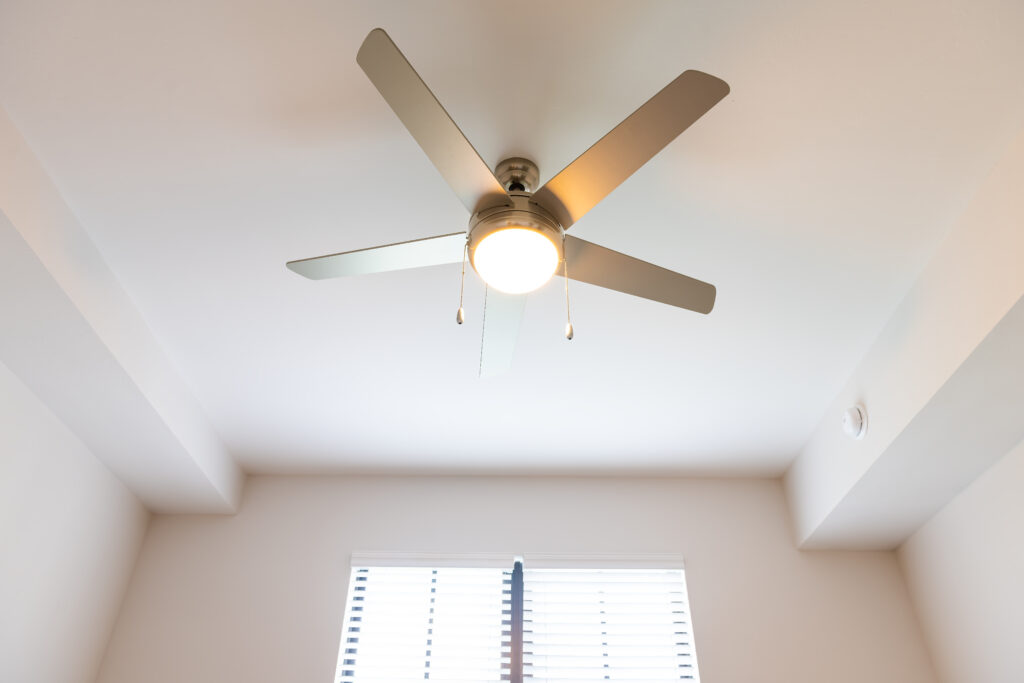
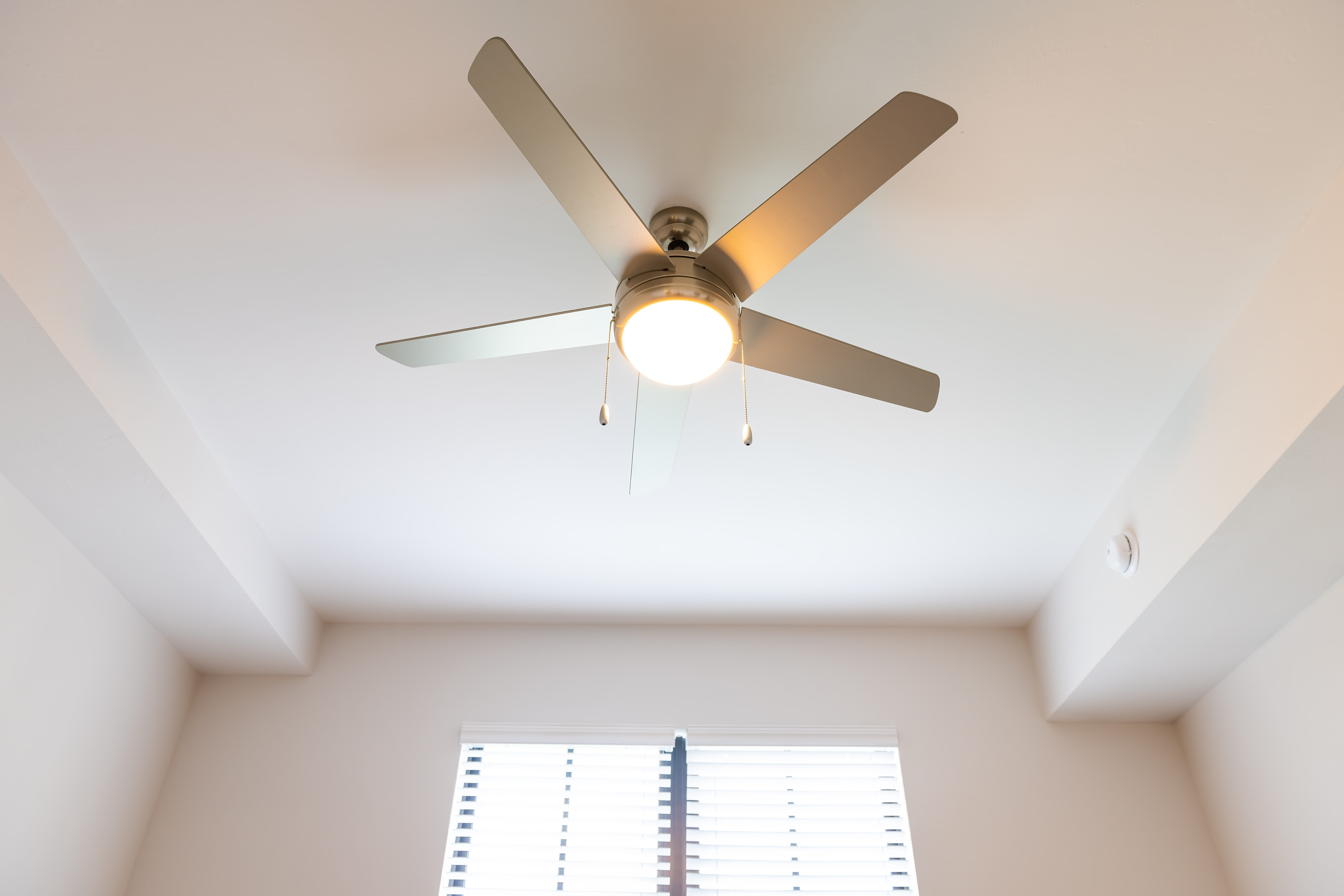
In cold weather months, your ceiling fan should rotate clockwise when viewed from below. This clockward direction, set at a low speed, gently pulls the cooler air upward, which displaces the warm air that has gathered near the ceiling. That displaced warm air is then pushed down along the room’s walls and recirculated to inhabitants below. The fan should spin slowly to avoid creating a breeze; instead, it should be just strong enough to mix the air without chilling the room. Most modern ceiling fans come with a small switch on the motor housing that allows you to alternate between the summer (counter-clockwise) and winter (clockwise) settings. If your fan has a remote control, this function may be digitally programmed into the device’s interface.
Energy Efficiency Benefits: How a Ceiling Fan Reduces Heating Costs
The Department of Energy estimates that proper use of a ceiling fan can lower heating bills by up to 15 percent during winter. While the percentage may vary depending on the size and layout of your home, even moderate gains can be meaningful over several months. The real advantage lies in relief for your central heating system. Reversed ceiling fans allow thermostats to be set at lower temperatures without disrupting indoor comfort. Less cycling for furnaces and heat pumps means lower energy consumption and less long-term wear and tear—something that’s especially relevant if you think about your home warranty coverage and system longevity. Even rooms with high ceilings or open floor plans can benefit when fans are set to clockwise in winter, promoting more efficient air distribution in typically hard-to-heat areas.
Common Misconceptions and Drawbacks
A frequent misunderstanding is assuming that ceiling fans are meant solely for summer use. This leads many homeowners to overlook the winter functionality entirely. Another common error is rotating the fan at too high a speed in winter mode, which creates a cooling breeze and defeats the purpose. Not all ceiling fans are reversible—an issue in older homes—and some lower-end models may not offer adequate motor torque to circulate air effectively in larger or vaulted spaces. Additionally, improperly installed fans or poor placement in rooms with unusual architecture may limit the effectiveness of air recirculation. Homeowners should also be aware that while ceiling fans provide energy benefits, they consume electricity themselves, so leaving fans running in empty rooms wastes energy rather than conserving it.
How to Adjust Your Fan for Winter: Practical Steps for Homeowners
First, turn off your ceiling fan and allow the blades to come to a full stop. Locate the direction switch on the fan’s motor housing—often a small toggle or slide switch. Flip the switch to reverse the blade rotation to clockwise. Turn the fan back on at a low speed and observe the direction from directly underneath to confirm it’s set correctly. If you cannot find the switch or your fan operates solely with a remote, consult your fan’s model-specific manual or the manufacturer’s website for digital controls. Take note of any unusual noise, imbalance, or hesitation in rotation—indicators that a maintenance check may be necessary. If in doubt, contact a licensed electrician to assist or inspect the unit. This is a relatively minor adjustment that pays off in terms of system efficiency and home comfort, especially during the colder months where indoor heating dominates your energy usage.
When Ceiling Fan Use Can Supplement a Home Warranty Strategy
Ceiling fans, while not typically covered on their own under most standard home warranty plans, ultimately support the functionality of systems that are covered—like your HVAC system. When factoring in long-term home maintenance, even simple actions like reversing your fan direction in winter can delay the onset of wear in your heating system. Running a furnace less aggressively, because your fan is redistributing warm air more effectively, can contribute to fewer service calls, fewer breakdowns, and greater longevity for covered components. In addition, if you’re maintaining your ceiling fan properly, inspecting for wobbling, motor fatigue, or electrical irregularities, you’re proactively reducing the risk of overloads or failures that could affect larger home electrical systems. That type of preventative care aligns well with a smart home warranty strategy where homeowners anticipate issues before they arise, instead of reacting after costly repairs are needed.
Protecting Home Systems Year-Round with Armadillo Home Warranty
Managing home comfort and energy usage is about more than just monthly utility bills—it’s about protecting the long-term performance of your home systems. Something as straightforward as reversing your ceiling fan in winter can have a compound benefit when layered with robust home warranty coverage. Armadillo offers modern, digitally-managed home warranty solutions designed to complement your approach to smarter homeownership. By covering key home systems—like HVAC, electrical, and plumbing—we help fill the gap between routine maintenance and unexpected breakdowns. If you’re already taking proactive steps with ceiling fans, thermostats, and efficiency upgrades, make those efforts go further with a home warranty plan that’s just as intelligent. Learn more at armadillo.one or start building your own plan now at our custom plan builder. Together, we’ll keep your home not just warmer this winter—but ready for whatever comes next.