Which Direction Should a Ceiling Fan Rotate in Winter? A Homeowner’s Guide
When temperatures start to drop and your heating bill starts to climb, one secret weapon in your home might already be hanging above you: your ceiling fan. Most homeowners associate ceiling fans with summer breezes and staying cool, but flip a switch — literally — and that same ceiling fan can help you stay warm all winter long. Understanding the correct ceiling fan direction for winter isn’t just an energy-saving trick, it’s a small but important part of how your home’s heating system functions more efficiently. It also happens to be a frequent topic in the home warranty industry, often misunderstood or overlooked. So let’s clarify it once and for all.
How Ceiling Fans Work Year-Round
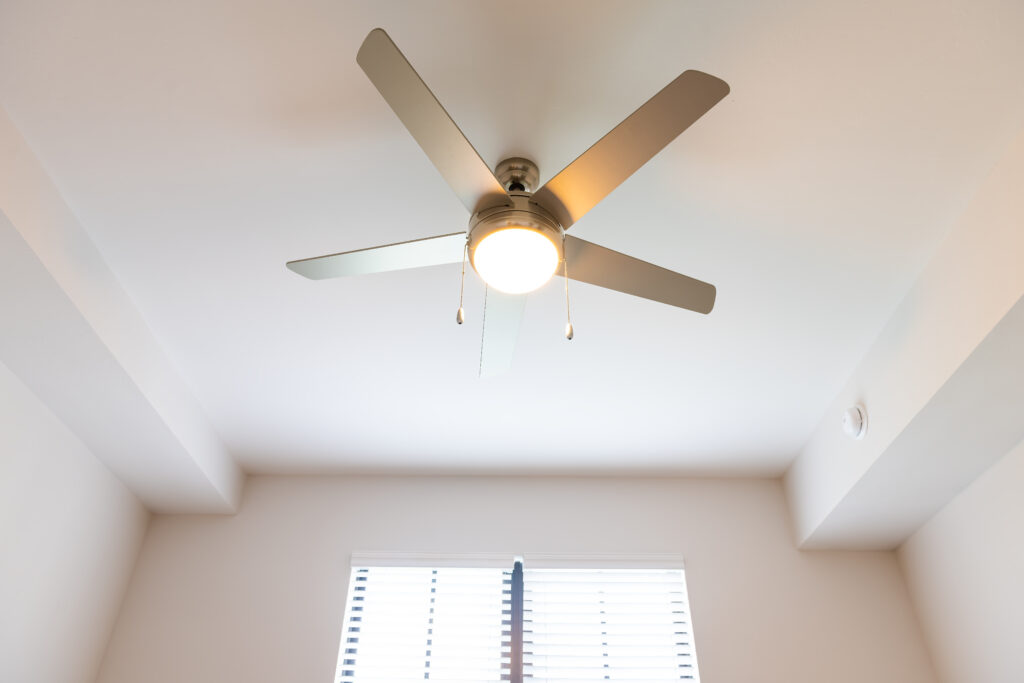
Ceiling fans don’t produce hot or cold air; they move existing air around the room. This simple principle can be incredibly effective at changing how you experience the temperature in your home. In summer, a counterclockwise fan direction pushes air downward, creating a “wind-chill” effect against your skin that can make the space feel cooler. In winter, though, you don’t want that draft. What you want is good air circulation — specifically, one that helps redistribute warm air that’s risen to the ceiling back down toward the living space. Set your fan to rotate clockwise at the lowest speed. This gentle upward pull draws cooler air up, which then pushes the trapped warm air back down along the walls to where you actually feel it.
The Efficiency Boost in Winter
Using your ceiling fan properly in winter can subtly but meaningfully ease the workload on your home heating system. As hot air rises, it accumulates near the ceiling — precisely where it does your comfort the least good. A clockwise-spinning ceiling fan reintroduces that warm air into the room without creating a breeze. This helps even out the room’s temperature, often allowing you to lower your thermostat by a couple of degrees without sacrificing comfort. Over the course of a cold season, that efficiency adds up. And if you have a home warranty, it may also help by cutting down the wear on your HVAC components through more balanced load and reduced cycling — a factor warranty companies consider in routine use and system care.
How to Change Your Ceiling Fan’s Direction
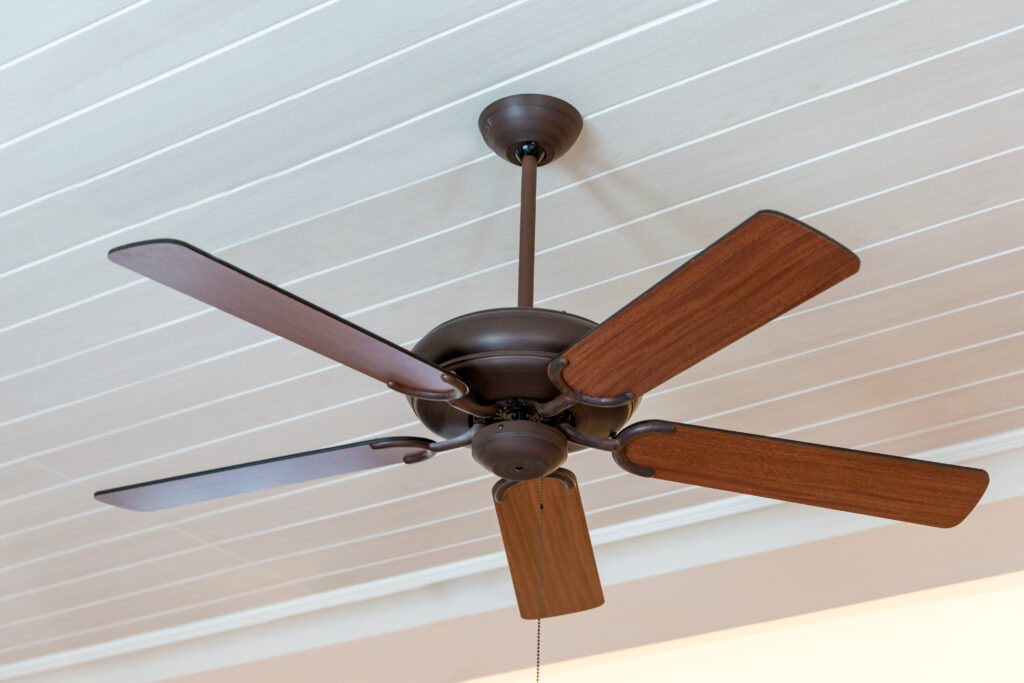
Most residential ceiling fans have a small toggle switch on the base of the motor. It’s usually a two-position switch that you can flip to alternate the direction of blade rotation. This is typically found on the fan’s motor housing, and may require a step ladder for easy access. Make sure the fan is completely turned off and the blades have stopped moving before adjusting the direction. After switching to clockwise, turn the fan back on at its lowest speed. If you don’t see a switch, or if your fan includes a remote or wall control, check the product manual for manufacturer-specific instructions. High-tech ceiling fans may also allow you to change direction through a mobile app or a smart home integration platform.
Signs You’re Using the Wrong Direction
In winter, if your fan is making you feel cooler instead of warmer, that’s a problem. A fan in counterclockwise rotation during cold months will push air downward — often resulting in an unintended breeze that runs counter to the purpose of heating. You can usually tell the direction by standing directly underneath the fan and observing the blade motion. Counterclockwise will feel breezy, especially at higher speeds. Clockwise rotation, when done correctly, will be barely noticeable and may not produce an immediate perceptible temperature change, as it focuses on circulation rather than airflow. If your energy bills stay high and certain rooms still feel stuffy or overheated at the ceiling level while cool near the floor, improper air circulation could be a contributing factor.
Common Mistakes and How to Avoid Them
One common error is leaving ceiling fans on at high speed during winter. The goal isn’t to blast air — it’s to move it gently and subtly. Set your ceiling fan to its lowest speed when in clockwise mode to avoid creating a wind-chill effect. Another misstep is forgetting to adjust your fan direction altogether once the seasons change. Consider adding it to your seasonal home maintenance checklist. Some homeowners also overlook the ceiling fan’s size and height. Very high ceilings may benefit more from longer downrods to effectively move air, while shorter ceilings may only require minimal intervention. Compatibility also matters. Fans without directional switches or older models may need upgrading to deliver the full benefits of seasonal adjustment. In the home warranty realm, we frequently see underperforming fans or improper usage linked to avoidable wear-and-tear issues.
Pairing Fans with Your HVAC System
Your heating system and ceiling fans don’t work in isolation. Used together, they can create a harmonized heating environment that reduces stratification — that’s when separate layers of warm and cold air form in the same room. By using your furnace or heat pump to generate the warmth and your fan to distribute it effectively, you’re taking full advantage of your home’s heating potential. This reduces how frequently your HVAC system has to cycle on and off, lengthening equipment life and promoting better indoor air quality through even circulation. For warranty providers, proper equipment utilization demonstrates good homeowner responsibility — a factor that can be useful during claims or maintenance cycles.
The Home Warranty Advantage with Armadillo
Adjusting your ceiling fan direction in winter is a smart step toward maintaining a more efficient and comfortable home, but homeownership involves a lot more than airflow. Every system, from HVAC to electrical to plumbing, requires attention, care, and yes — sometimes repairs. That’s where Armadillo comes in. With a modern, easy-to-understand approach to home warranties, Armadillo helps protect your home’s essential systems, saving you time, stress, and unexpected expenses when breakdowns happen. Learn more about how a home warranty can support your comfort and your budget by visiting our homepage at armadillo.one, or get started by customizing your plan at our plan builder tool. You take care of your ceiling fans — we’ll take care of the rest.