Which Way Should Ceiling Fans Spin in Winter? A Homeowner’s Guide to Seasonal Comfort and Efficiency
As temperatures drop and winter sets in, many homeowners turn their attention to energy efficiency and comfort. One often-overlooked adjustment is the direction your ceiling fan should spin in winter. While commonly associated with cooling in summer, ceiling fans play an essential year-round role in managing indoor climate—and when set correctly in winter, they can help lower heating bills and increase comfort throughout your home. Understanding this small but impactful system can help you maximize the value of your home’s infrastructure, especially when paired with a comprehensive home warranty plan.
How Ceiling Fans Work: More Than Just Air Movement
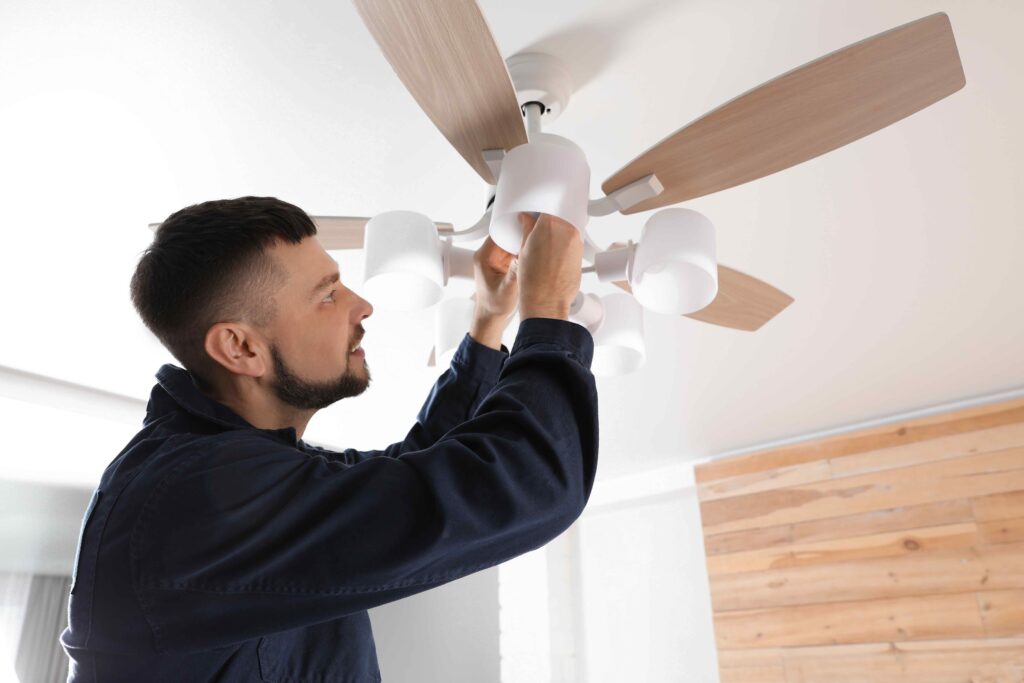
A ceiling fan doesn’t heat or cool a room in the traditional sense. Instead, it circulates air to create a wind-chill effect or to promote better thermal layering within a space. During warmer months, fans typically rotate counterclockwise. This pushes air downward, creating a breeze that helps you feel cooler. In winter, the goal shifts to reducing stratification—when warm air rises and collects near the ceiling, rather than staying at the level where you feel it. Your fan, if reversed and used at the proper speed, can reintroduce this warm air into the living space, reducing reliance on your heating system.
Clockwise in Winter: What That Really Means
To achieve optimal circulation in winter, your ceiling fan should be set to spin clockwise at a low speed. This subtle shift causes the fan blades to pull cooler air upward, displacing the layer of warm air pooled at the ceiling. This warm air is then gently pushed toward the walls and back down into the occupied parts of the room. The result is a more consistent room temperature with less dependency on central or auxiliary heat—especially in rooms with high ceilings, fireplaces, or large windows that affect thermal performance.
How to Change Your Ceiling Fan’s Direction
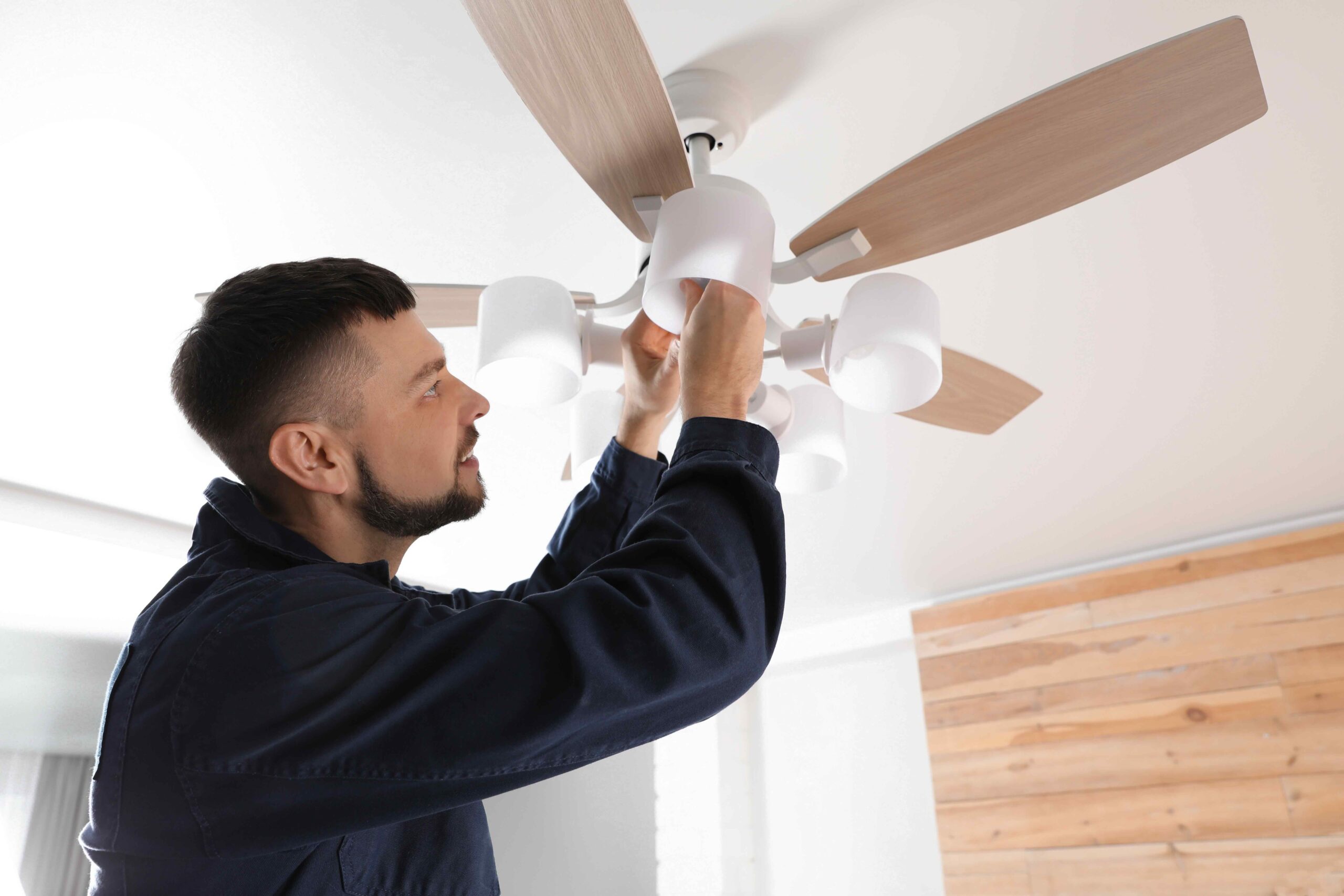
Most modern ceiling fans include a small switch on the motor housing labeled for directional adjustment. Typically, flipping this switch while the fan is off changes the blade rotation between clockwise and counterclockwise. On newer smart or remote-controlled units, the switch may be digital and available through an app or remote interface. In either case, taking a minute to reverse the direction before winter fully sets in can optimize your indoor climate throughout the colder months. It’s a simple step that aligns with a proactive approach to home maintenance—something every homeowner can benefit from.
The Benefits of Proper Winter Fan Settings
Optimizing your fan’s winter settings offers tangible advantages. First, by redistributing warm air more evenly, most homes will see a reduction in thermostat activity, which can lead to lower energy bills. HVAC systems no longer have to compensate as frequently for uneven room temperatures. Second, it enhances total space comfort—eliminating chilly lower zones and reducing the contrast between the air temperatures near the ceiling and floor. Finally, it offers value preservation. By relieving your heating system of excess workload, you reduce wear and tear, potentially extending the lifespan of your HVAC unit. In a broader home warranty context, this kind of maintenance-friendly adjustment supports the health of covered systems over time.
Challenges and Limitations to Consider
Ceiling fans are effective, but not without limitations. For the heating redistribution effect to take place successfully in winter, ceilings typically need to be about eight feet or higher to allow for meaningful circulation layering. In rooms with low or sloped ceilings, the effectiveness may be minimal or counterproductive if the fan generates too much airflow, leading to an unwanted cooling effect. Additionally, energy savings, while beneficial, are not dramatic on their own and must be combined with broader strategies—like weatherproofing, insulation, and thermostat optimization—to substantially impact your monthly bills. Finally, fans must be used consistently and properly to see measurable results, which depends on user awareness and good seasonal habits.
Ceiling Fan Winter Use and Home Warranty Coverage
From a home warranty standpoint, seasonal wear and minor operational issues with ceiling fans are generally within expected use patterns. A home warranty can help ensure repairs or replacements are less burdensome if your fan motor fails or its directional switch stops responding. But proper usage—like setting the fan direction correctly—contributes to broader energy management across major systems. Fans that assist in balancing heating might reduce the routine stress placed on covered HVAC units, indirectly supporting their longevity. This is where a home warranty plan becomes part of a strategic homeownership model: using your tools wisely, and having coverage when things go wrong despite your best efforts.
Other Ways Winter Fan Use Impacts Home Systems
Correct ceiling fan usage has implications beyond just keeping warm—it also contributes to the overall home environment. Improved air circulation can prevent moisture accumulation on windows, reduce condensation, and even discourage the growth of certain types of mold, particularly during long stretches of indoor heat use. Fans can also support healthier air quality by distributing filtered air from HVAC systems more evenly. If your home has multiple zones or inconsistent heating performance, ceiling fans can act as transitional tools to bridge that divide. They are one part of a much larger ecosystem working together to maintain home equilibrium, especially important when systems are supported under warranty for maximum homeowner peace of mind.
Protecting Every Spin and System with Armadillo
Taking control of small details—like adjusting your ceiling fan direction in winter—can lead to larger improvements in energy efficiency, comfort, and system longevity. But even the most proactive homeowners encounter breakdowns and system surprises. As you tend to these details this season, a home warranty from Armadillo can ensure key systems and appliances stay protected year-round. Armadillo offers modern, flexible plans designed to help homeowners tackle both the expected and the unexpected with confidence. Learn more about how to safeguard your home systems at armadillo.one, or take the first step to tailor a plan that fits your home’s needs with our simple setup tool at Plan Builder.