Which Way Should a Ceiling Fan Rotate in Winter? A Homeowner’s Guide to Maximizing Comfort and Efficiency
Ceiling fans are quietly powerful tools in your home comfort arsenal, but few homeowners realize they can—and should—adjust their fan’s rotation direction with the seasons. It’s not just about enhancing comfort; it’s about making your HVAC system work smarter, not harder. In winter, when the goal is to stay warm without sending your energy bills through the roof, understanding your ceiling fan’s rotation could lead to real savings. This article explains how ceiling fan direction works, why it matters during colder months, and what role it plays in maintaining your home’s efficiency. Backed by expertise from the home warranty industry, we’ll also touch on how this seemingly small adjustment ties into broader home system care and investment longevity.
Understanding Ceiling Fan Rotation: The Basics
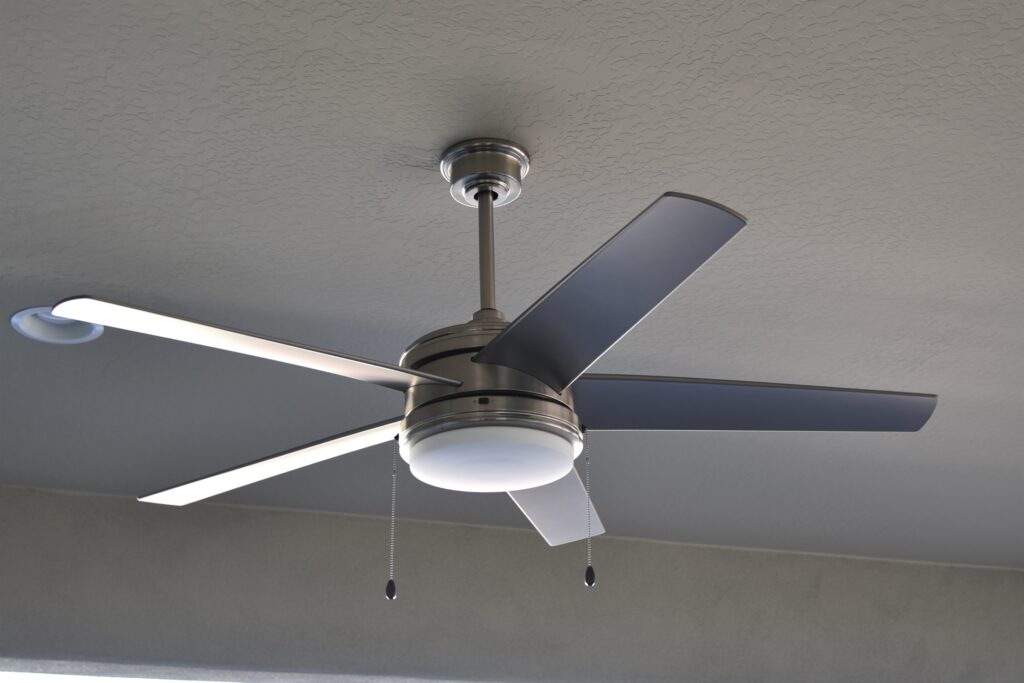
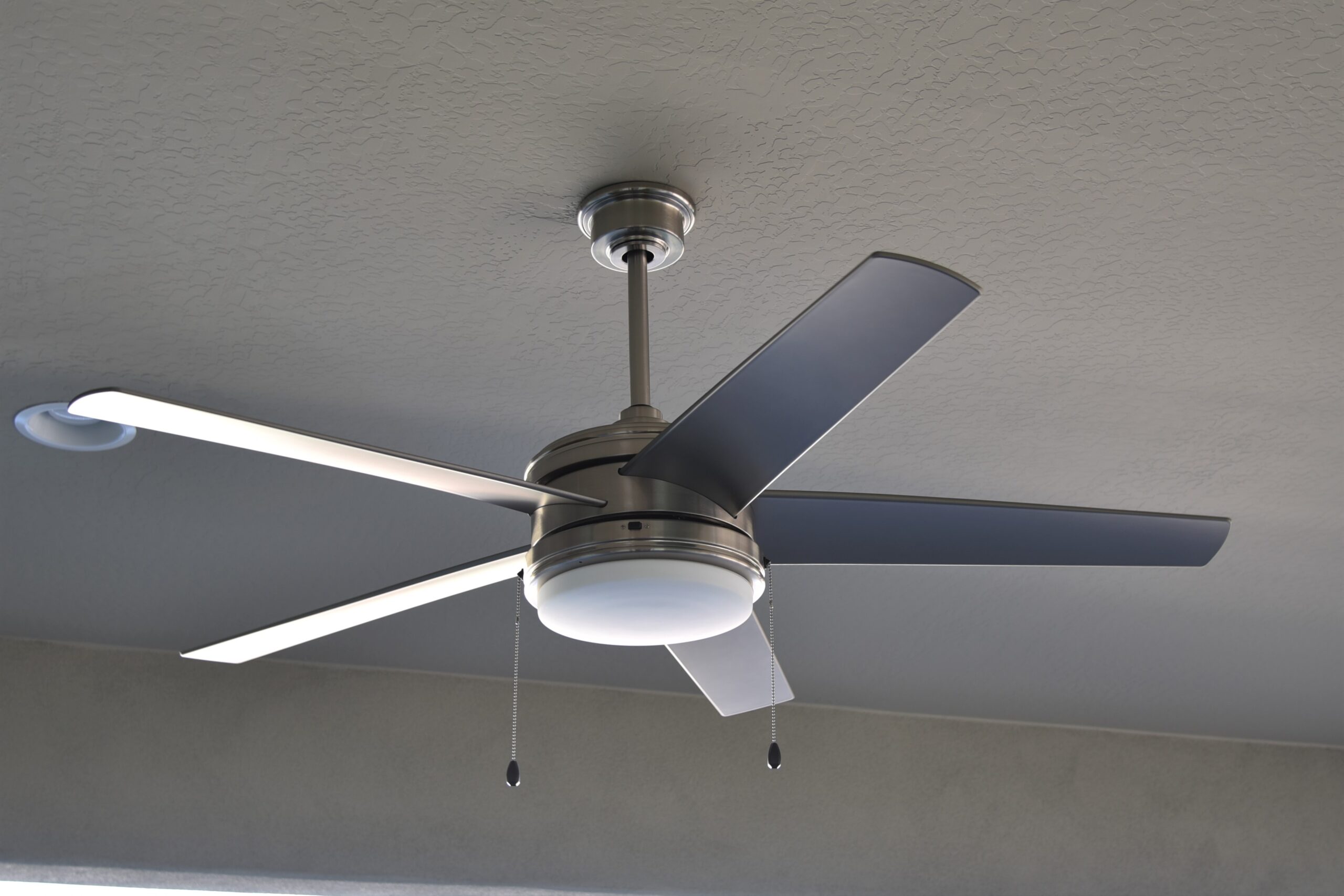
Let’s start with the fundamentals. A ceiling fan doesn’t actually change the temperature of a room—it redistributes air. The direction in which the blades rotate determines whether they’re pushing air down or pulling it upward. Most ceiling fans come with a reversible motor, which allows you to flip a small switch on the motor housing (often buried under a dust layer if we’re being honest) to change the direction of the spin.
In summer, fans should rotate counterclockwise. This pushes cool air down and gives the room a wind-chill effect that makes it feel cooler. In winter though, they should rotate clockwise. This pulls cold air up toward the ceiling and pushes the warm air—naturally rising from your HVAC system or heater—down the walls and back into the room, creating a more consistent temperature and reducing how hard your furnace needs to work.
Winter Mode: Why Clockwise Fan Rotation Matters
During winter, warm air tends to collect near the ceiling while the colder, denser air remains at the floor level. By setting your fan to a clockwise, low-speed setting, you trigger an updraft that gently pulls the colder air upward. This movement forces the warmer top-layer air out toward the walls and back down into your living space. It’s a subtle but effective redirection that eliminates thermal layering and helps maintain a warmer environment from floor to ceiling.
Too often, homeowners blast their thermostat just to feel a degree of warmth, not realizing warm air is already in the room—just in the wrong place. A strategically rotated fan can solve that by circulating heat more evenly, allowing you to lower the temperature setting and save on your utility bills—a benefit that compounds over time, especially in multi-story homes where heat naturally rises out of reach.
Energy Savings and Efficiency: A Closer Look
Adjusting your ceiling fan’s rotation is a low-effort, high-reward change. The Department of Energy supports using ceiling fans in tandem with heating systems to maximize energy efficiency. When run clockwise at a low speed in the winter, your fan reduces the load on your HVAC system by ensuring radiant heat circulates more evenly, decreasing the frequency at which your furnace kicks in.
This directly translates to financial savings. Even modest reductions in furnace runtime lead to lower maintenance costs and a longer operational lifespan. While your ceiling fan uses electricity too, its energy consumption is minimal compared to even the most efficient heating systems. It’s a trade-off that favors your wallet and your comfort level every time.
Common Misunderstandings and Drawbacks to Avoid
One of the most common mistakes is simply forgetting about the rotation switch. Many homeowners leave their fans in the summer setting all year, unknowingly counteracting their heating efforts come winter. Another frequent issue is using too high a fan speed in winter. The intent in the cooler months isn’t to create a breeze (which can make you feel colder), but to gently circulate the air—slow and steady wins here.
It’s also worth noting that not all ceiling fans are reversible. If your unit lacks the ability to change direction, it may be time to consider upgrading. When replacing a ceiling fan, look for models with a remote control or wall-mounted switch that makes directional changes easier to manage seasonally. That small convenience increases the chances that you’ll actually use this feature year-round.
Implementing Fan Rotation Changes Across Various Rooms
Not every room in your home will benefit equally from clockwise fan direction in winter. Rooms with high ceilings are perfect candidates, especially if they feel drafty or inconsistent in warmth. Bedrooms, living rooms, and open-concept spaces benefit the most. However, rooms that are already tightly insulated or don’t have much vertical space between floor and ceiling might see only minor improvements.
For multi-fan households, take the time in early winter to adjust all ceiling fans. A coordinated airflow strategy aligns with maintaining consistent ambient temperatures throughout the whole home and supports your heating system’s performance at scale. It’s also a good opportunity to do a quick cleaning while you’re up there—dust buildup on blades affects both performance and indoor air quality.
The Role of Ceiling Fans in HVAC Protection and Warranty Planning
So, where does a ceiling fan fit into the broader picture of home system health? That’s where the home warranty industry has valuable insight. Ceiling fans serve as passive protectors of HVAC systems by improving efficiency and reducing the frequency of heating cycles. Over time, this means less operational wear and lower risk of failure—benefits that tie directly into your home protection strategy.
A robust home warranty, like those offered by Armadillo, ensures your HVAC system is covered when unexpected mechanical issues arise. And by using ceiling fans correctly to enhance airflow and balance your indoor temperatures, you’re not only enhancing comfort—you’re making a more strategic use of your warranty coverage. With less mechanical strain, you’re less likely to need emergency maintenance calls and more likely to get the most out of your system’s operational life.
Why Armadillo is the Smart Choice for Your Home Warranty Strategy
At Armadillo, we understand that comfort isn’t just about how it feels—it’s about how your systems are protected. Ceiling fans are a quiet ally in maintaining efficient, reliable heating performance, which makes routine actions like adjusting fan direction crucial to a well-maintained home. When combined with the reliable protection of Armadillo’s customizable home warranty plans, you’re actively defending against risk while optimizing energy performance for every season. Ready to safeguard your systems while saving smarter? Explore how Armadillo can support your home with confidence and clarity at https://www.armadillo.one. Or start customizing a plan perfectly tailored to your home’s needs by visiting our plan builder today.