Which Way Should Your Ceiling Fan Turn in Winter? A Homeowner’s Guide to Comfort and Efficiency
If you’ve ever stood under your ceiling fan in winter and wondered whether it should even be on, this article is for you. Understanding the correct direction for your ceiling fan to spin during colder months can improve comfort and reduce heating costs. It’s a small detail in your home maintenance routine, but one that highlights the connection between smart seasonal adjustments and long-term savings. Let’s walk through how ceiling fans work, the reason behind reversing their direction, and the broader implications this has for your home comfort systems—and how you can protect them.
How a Ceiling Fan Works
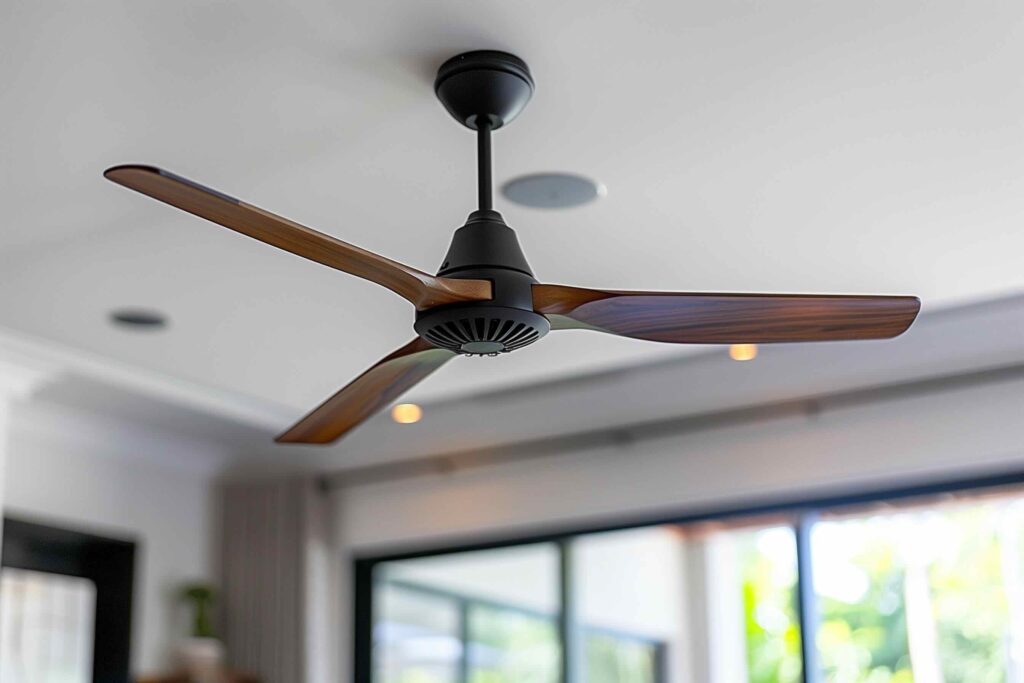
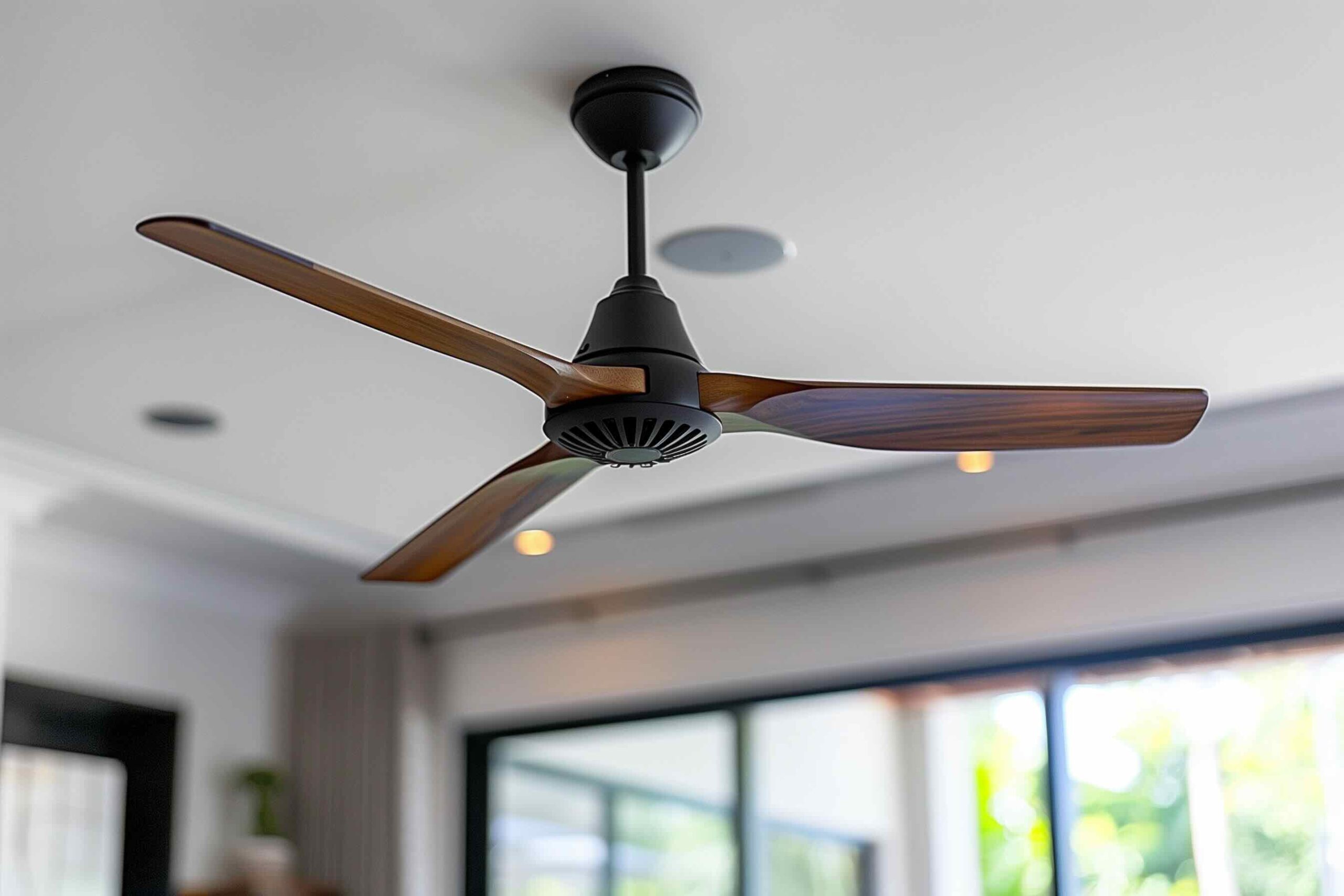
Ceiling fans don’t actually lower or raise a room’s temperature. What they do is move air, which influences how warm or cool the room feels based on your body’s perception of temperature. During warmer months, most ceiling fans spin counterclockwise when viewed from below. This direction pushes air downward, creating a breeze that accelerates the evaporation of moisture on the skin—making you feel cooler.
In colder months, reversing the fan’s direction to clockwise pulls cool air up toward the ceiling. There, the air displaces the rising warm air that naturally collects near the top of a room and redistributes it down the walls. When used correctly, this process helps maintain a more even room temperature without your heating system working overtime.
Winter Fan Direction: Why It Matters
In winter, ceiling fans should rotate clockwise at a low speed. This gentle updraft draws cooler air upward, displacing warmer air that rises with heat. The redistribution ensures the warm air doesn’t stagnate near the ceiling—which is notably inefficient if your thermostat is near the floor.
This small adjustment can lead to energy savings by allowing you to lower the thermostat by a few degrees while still maintaining perceived warmth in the room. According to the U.S. Department of Energy, this tactic can reduce heating costs by as much as 15%, depending on your home’s insulation and system efficiency.
What Type of Fan You Have Matters
Most modern ceiling fans come equipped with a switch on the motor housing that allows you to change the direction of rotation. Some newer models offer remote or wall switch operation, while smart fans can automate the process based on your seasonal settings or preferences through an app.
If your fan lacks direction controls, it may be an older model or designed for single-season use. While not necessarily inefficient, it limits your ability to adapt climate control to your current needs. In that case, replacing it with a dual-direction model may be worth considering—not just for comfort, but for your home’s overall energy profile.
Signs You’re Using Your Ceiling Fan Incorrectly
Using your ceiling fan incorrectly in winter can negate its efficiency benefits. If you feel a cold breeze while sitting or notice your heating system runs constantly, your fan may be spinning the wrong way. A properly set winter fan direction should not create wind chill—instead, the effect should be subtler, more like an ambient warmth evenly distributed across the room’s vertical space.
Checking the direction is easy. Stand directly beneath your ceiling fan. If it’s in winter mode, the blades should appear to move clockwise, and you should feel no direct breeze from below. If it’s subtle and upward-moving, you’re likely set correctly.
Other Heating System Implications
Ceiling fans work best when viewed as part of a balanced home heating system. Your HVAC setup, insulation, and even thermostat placement all interact with something as seemingly harmless as fan air movement. If a ceiling fan interrupts your thermostat’s temperature reading by altering airflow directly nearby, you might see the HVAC kicking on or off at unusual times—impacting comfort and efficiency.
It’s also worth noting that homes with radiant floor heating or high-efficiency heat pumps that distribute heat evenly may benefit less dramatically from ceiling fan adjustments. Still, in multi-story homes or rooms with high ceilings, the strategic use of ceiling fans in winter remains beneficial for heat circulation to lower areas where people actually live and move.
Maintenance Tips for Winter Fan Use
Before adjusting your ceiling fan direction for winter, take a few moments for maintenance. Clean the blades to remove dust accumulation, which not only reduces air quality but also strains the motor over time. Check for wobbling, tighten any loose screws, and inspect the fan’s switch or remote interface to ensure it toggles correctly between modes.
While up there, make sure the fan’s reverse switch is fully clicked into position. If not set securely, the motor may stall or cycle inefficiently. These small checks ensure your fan operates safely and reliably all season long, also extending its lifespan—a useful habit worth embracing as seasons shift.
Ceiling Fans and Your Home Warranty
Ceiling fans may seem low-maintenance, but they fall into a broader category of systems and appliances that play subtle yet essential roles in home comfort. Beyond air circulation, they interact with your HVAC, contribute to perceived energy efficiency, and serve as early indicators of electrical issues in aging wiring or breakers. That’s where home warranty protection becomes important.
Many homeowners don’t realize that ceiling fans fail not just due to motor wear, but from factors like power surges, control module failures, or integrated system issues—particularly in smart homes. A comprehensive home warranty bridges the gap between homeownership and preparedness by covering repair or replacement costs when systems like ceiling fans fail unexpectedly.
Safeguard Your Home Comfort with Armadillo
Seasonal adjustments like reversing your ceiling fan direction may seem small, but when paired with the right preventive strategies and a smart home warranty, they contribute to a healthier, more comfortable home. At Armadillo, we protect more than just the obvious appliances; we specialize in making sure all the details—ceiling fans included—continue running smoothly. With service plans tailored to suit your space and budget, we simplify home management, so you can focus on the comfort enhancements that matter.
Explore smarter protection for your home by visiting armadillo.one. Ready to customize your warranty solution? Build your perfect plan right now through our Plan Builder tool and take control of your home’s care today.