Ceiling Fan Direction: Why the Switch Matters for Comfort and Efficiency
Ceiling fans offer more than just a breeze—they can play an important role in improving indoor temperature control and energy efficiency. Still, one commonly overlooked feature of ceiling fans remains that small, easy-to-miss switch located on the motor housing. That switch changes the direction of the fan blades, a detail that has direct effects on airflow, comfort, and even your energy bills. Whether you’re a seasoned homeowner or navigating the intricacies of homeownership for the first time, understanding how and why to change your ceiling fan’s direction can be surprisingly beneficial. Let’s dive into how this simple function works, the advantages it offers, potential drawbacks, and what it all means in the context of your broader home maintenance strategy—including how a home warranty could help protect systems just like this one.
Understanding How Ceiling Fan Direction Works
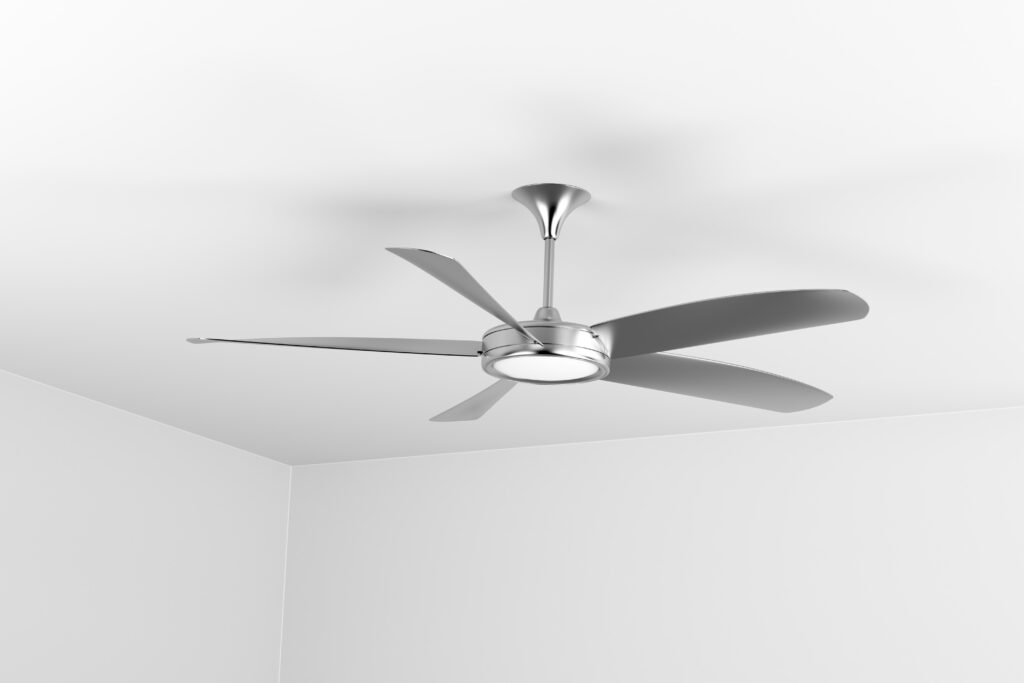
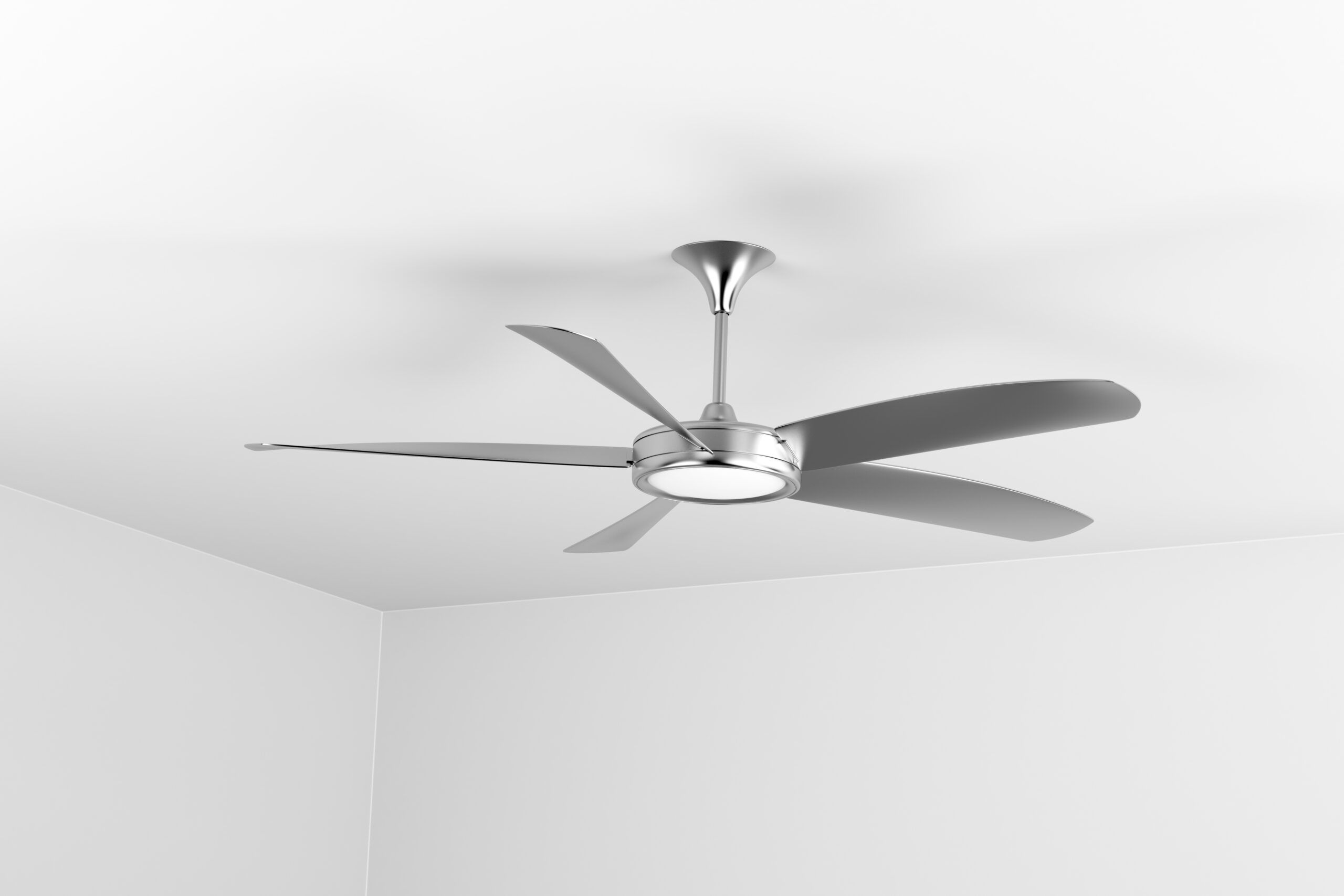
The direction of a ceiling fan’s blade rotation determines the direction of airflow in the room. Most standard ceiling fans come with a small switch on the side or bottom of the motor housing—this switch controls the motor’s rotation, letting users switch between clockwise and counterclockwise movement. But why does this matter? It changes how air is circulated in your space.
In the counterclockwise direction, a ceiling fan pushes air downward, creating a wind-chill effect that makes the room feel cooler. This is ideal for warmer months when cooling is the goal. In the clockwise direction, the fan gently redistributes warm air trapped near the ceiling without producing a breeze, making it perfect for colder months. This seasonal change in direction maximizes temperature comfort while reducing the burden on your HVAC system. Over time, this functionality not only contributes to indoor comfort but could also lead to measurable energy savings.
The Summer Setting: Counterclockwise for Cooling
During spring and summer, ceiling fans should spin in a counterclockwise direction. If you stand beneath your fan and look up, the blades should be moving left to right. This setting pushes air downward, creating a breeze that evaporates moisture from the skin, making you feel cooler even if the thermostat hasn’t moved.
One important thing to note is that this doesn’t actually lower the room’s temperature—it simply enhances your comfort. Since it creates a cooler-feeling environment, you may be able to raise your thermostat a few degrees, reducing the workload on your air conditioner. Less wear and tear on your cooling system not only saves energy but also supports the long-term performance of your home’s HVAC infrastructure. A system running less intensively tends to need fewer repairs, which is worth noting for homeowners invested in budgeting proactively for home repairs.
The Winter Setting: Clockwise for Warmth
In the colder months, your ceiling fan should rotate in a clockwise direction on a low speed. This positioning pulls cool air upward and pushes the warm air that naturally rises back down along the walls and into the living space. It’s an efficient way to make use of heat you’ve already paid for without blasting the furnace any harder than necessary.
For rooms with high ceilings, this setting can be especially valuable. Heated air that’s allowed to accumulate near the ceiling ultimately does nothing for comfort at ground level. By redistributing air more evenly, your heating system can work more efficiently and maintain consistent warmth. That means fewer on-and-off cycling events for your furnace or heat pump, which is kinder on the system and potentially your utility bill. All of this contributes to a home that operates more intelligently with the help of minimal effort from you—or even better, on a smart fan that adjusts automatically.
Common Drawbacks and What to Expect
Like any home convenience, ceiling fan direction changes aren’t without their nuances. First, not every fan has an easily accessible direction switch. You may need a ladder or step stool, which presents safety concerns. In rooms with very high or vaulted ceilings, the switch might be completely out of practical reach without specialized equipment, unless the unit supports remote or app-based control.
Another issue arises when fans are improperly installed or have aging motors. If the fan wobbles or makes noise when changing directions, that could be a sign of imbalance. Some homeowners also forget to switch their fans back when the season changes, which leads to reduced comfort and increased strain on HVAC systems. Worse still, non-functional switches or motors represent a more serious repair—one not usually top-of-mind until the system fails during a seasonal transition. This sets the stage for unexpected expense, unless the fan or relevant electrical system is covered by a home warranty.
Practical Tips for Using the Direction Switch Effectively
To optimize your ceiling fan’s output, use the switch at the beginning of each season. Before flipping the direction, make sure the fan is turned off for safety. Use a stable ladder if reaching the motor housing is necessary. Once you’ve adjusted the switch, turn the fan on low and make sure the blades spin in the correct direction for the current season. If your fan supports smart features, check its settings to enable automatic seasonal adjustments—that’s particularly useful when the fan is in a hard-to-access spot.
Another practical consideration? Use fans in coordination with your home’s existing HVAC system, rather than as a substitute. In the right setting, fans can prevent you from overusing heating or air conditioning, but they won’t replace either. Always remember to turn off fans when leaving a room—fans cool people, not spaces, and letting them run unnecessarily only wastes electricity.
Installation and Maintenance Considerations
If your ceiling fan lacks a functional reverse switch or is past its prime, replacement might be the best course. Newer fans often come equipped with remote controls or smart capability, letting you set the fan direction without needing to manually flip a switch. During installation, make sure the fan is mounted securely, properly balanced, and wired by a licensed professional. This prevents common issues like wobbling, reduced performance, or early motor failure.
When it comes to maintenance, monitor performance regularly. Listen for irregular sounds, vibration, or fluctuating speeds. Dust the blades and motor housing semi-annually when you switch directions. Check for any visible signs of wear or connection issues around the switch or mount. Some home warranty plans cover ceiling fans under electrical systems or appliance protections, which makes routine issues easier to manage and repair.
Why a Home Warranty With Armadillo Makes Sense
Ceiling fans may feel like small components in the grand scheme of home systems, but as we’ve outlined, they directly impact comfort, efficiency, and the wear and tear on your HVAC systems. A fan rotating in the wrong direction might seem like a simple fix, but when tied to electrical issues or part failures, it can escalate. This is exactly the kind of scenario where a quality home warranty can apply meaningful value. With Armadillo, you’re not only protecting your appliances and systems—you’re simplifying repair logistics when issues arise. Their digital-first approach, fast claims processing, and customizable plans keep you covered from foundation to ceiling fan. Consider safeguarding your home’s essential systems with a plan at Armadillo or start building your custom plan now at this link. Peace of mind starts with small details, like a fan switch, and ends with smart, comprehensive home protection.