What Is a Ceiling-Mounted Shower Head and Why Are Homeowners Obsessed With Them?
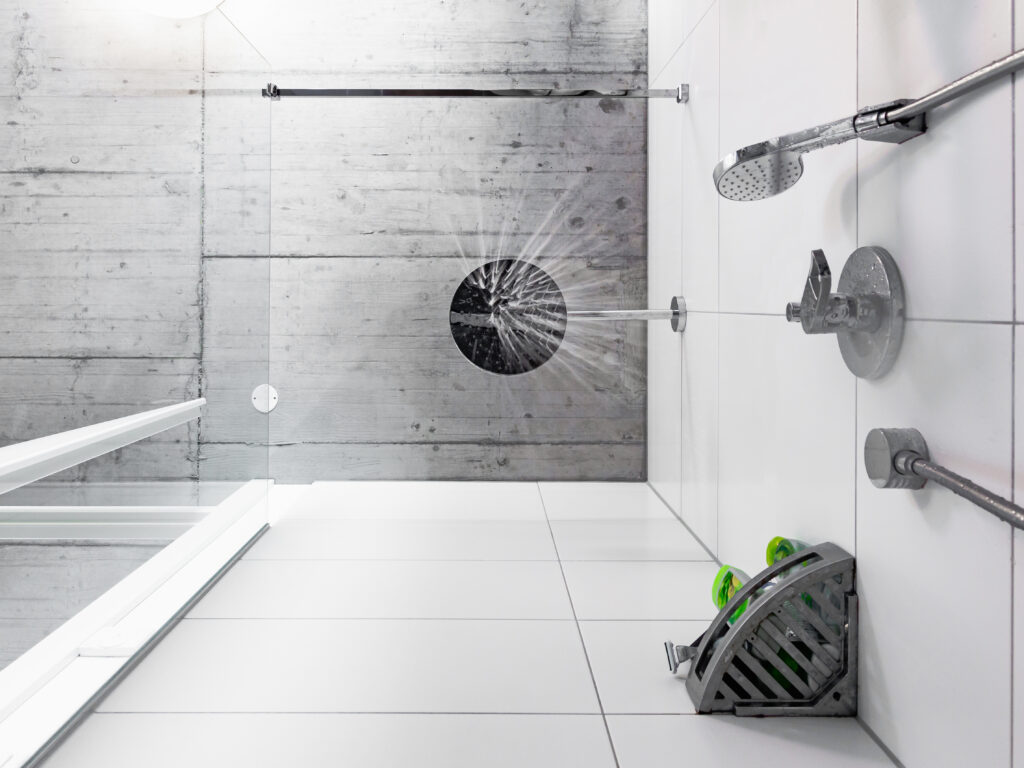
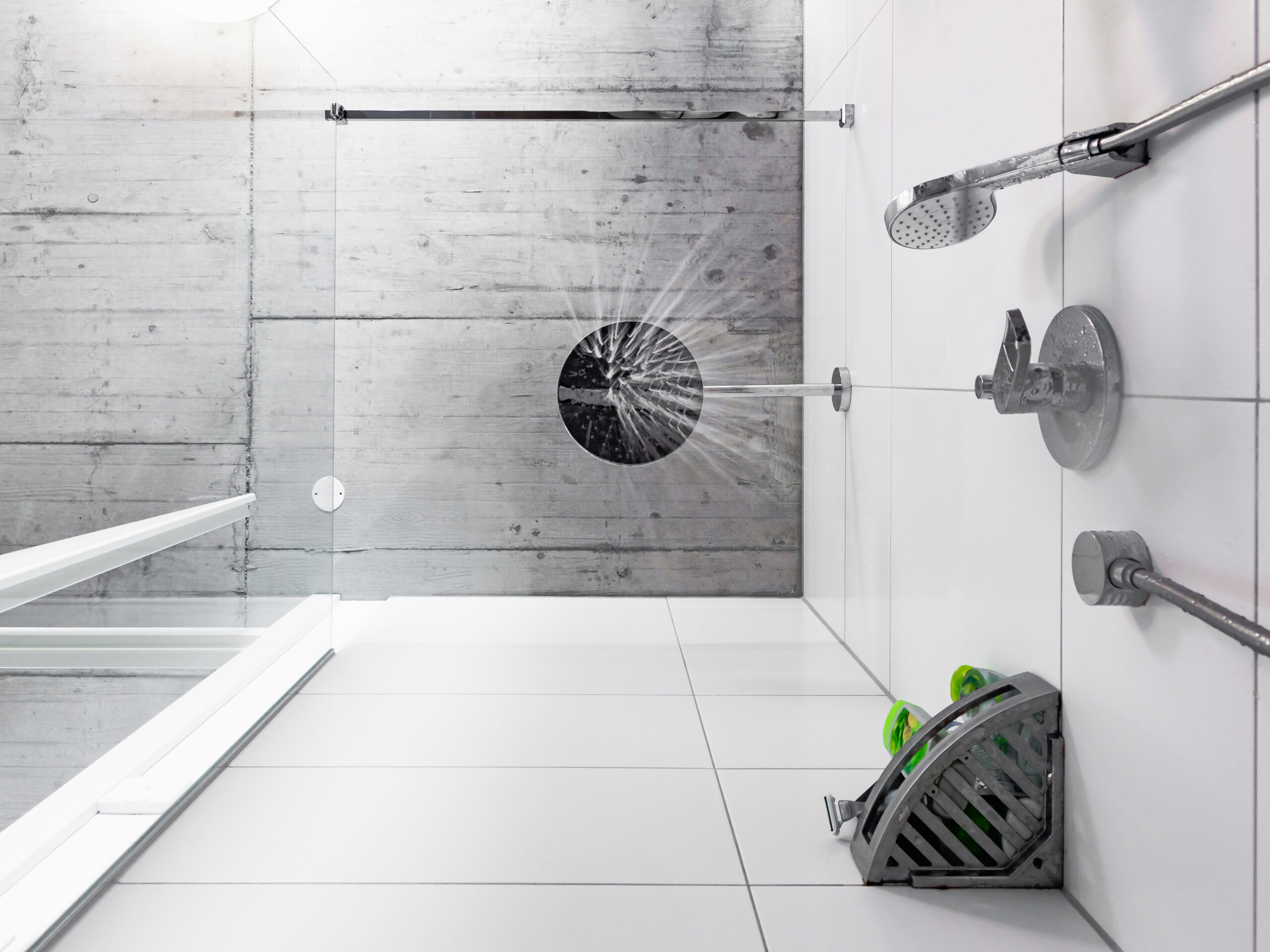
If you have spent any time browsing home renovation content or walked through a model home recently, you have probably noticed that flush, rain-style shower head mounted directly into the ceiling. It looks impossibly clean, almost like the ceiling itself is producing water. That is exactly the appeal. Ceiling-mounted shower heads, sometimes called rain shower heads or overhead shower systems, are no longer reserved for luxury hotels or high-end spa retreats. They have made a very real move into everyday residential bathrooms, and homeowners are paying close attention. Before you start tearing into your bathroom ceiling, though, it helps to understand exactly what you are getting into, both the beautiful parts and the less glamorous ones.
How a Ceiling-Mounted Shower Head Actually Works
The mechanics here are not overly complicated, but the installation side of things is where it gets interesting. A ceiling-mounted shower head is connected to your home’s existing plumbing supply lines, except instead of routing through the wall, the pipe travels up through the ceiling and connects to a fixture mounted flush above the shower area. The water drops straight down, simulating the sensation of standing in rainfall. Most systems use a wide shower head face, typically anywhere from eight inches to sixteen inches in diameter, which distributes water evenly across a broader surface area. Some higher-end models include pressure-compensating technology to maintain consistent flow even when water pressure fluctuates elsewhere in the home. The pipe routing is what makes installation more complex than a standard wall-mount swap, and that complexity has real implications for both cost and long-term maintenance.
The Key Advantages That Make This Upgrade Worth Considering
There is a reason ceiling shower heads have become such a sought-after feature in bathroom remodels. The benefits are genuine, and for the right homeowner, the investment makes a lot of sense.
- Full-body water coverage that eliminates the need to rotate or reposition under the spray
- A cleaner, more minimalist aesthetic that makes even modest bathrooms feel more intentional
- Compatibility with smart home systems and thermostatic valve setups in more advanced installations
- Potential increase in home resale value, particularly in markets where bathroom upgrades carry weight
- Reduced neck and shoulder strain compared to angled wall-mounted heads that require awkward positioning
Beyond the physical comfort, there is something to be said for the daily experience. A lot of homeowners describe it as transformative, which sounds dramatic until you actually stand under one. The relaxation factor is real, and that matters when you are thinking about long-term satisfaction with an upgrade.
Common Drawbacks You Should Know Before You Commit
No upgrade is without trade-offs, and ceiling-mounted shower heads come with a specific set of challenges that deserve honest attention. The most immediate concern is installation cost. Because the plumbing has to be rerouted through the ceiling, this is not a weekend DIY project for most homeowners. You are looking at professional plumbing work, potential drywall repair, and in some cases, waterproofing upgrades to the ceiling itself. Depending on your bathroom’s existing layout and access to plumbing lines, costs can range from a few hundred dollars to well over two thousand. Water pressure is another factor. These heads require adequate pressure to deliver that signature rainfall effect, and homes with naturally low water pressure may find the experience underwhelming without additional modifications. Hair washing can also be a challenge since the downward flow does not always rinse shampoo efficiently from all angles. These are not deal-breakers, but they are worth factoring in before you fall completely in love with the concept.

Installation Requirements Every Homeowner Should Understand
Getting a ceiling shower head installed correctly is not just about the plumbing connection. There are structural and moisture-related considerations that need to be addressed. The ceiling above the shower area must be waterproofed properly, because even minor water intrusion from a poorly sealed fixture can lead to mold, rot, and significant structural damage over time. Many installations require a drop ceiling or some form of accessible cavity to run the supply line cleanly without creating visible pipe runs. If your home has a second floor or attic space above the bathroom, that actually simplifies things considerably. Ground-floor bathrooms with no overhead access space present more of a challenge. In those cases, a contractor may need to open up drywall to create a clean path for the new pipe. Always hire a licensed plumber for this work, and confirm they have experience with ceiling-mount systems specifically, not just standard shower installations.
Ceiling Shower Heads and Water Usage: What to Expect
One question that comes up often is whether a ceiling-mounted rain shower head uses more water than a traditional wall unit. The honest answer is that it depends on the specific fixture. In the United States, federal standards require shower heads to flow at no more than 2.5 gallons per minute. Many modern ceiling shower heads are designed to meet or fall below that threshold while still delivering a satisfying experience. However, some older or imported models exceed those limits, and the wider face of a rain head can sometimes feel like it is using more water than it actually is. If water conservation is a priority in your household, look for WaterSense-certified models when shopping. These fixtures have been independently tested and verified to perform efficiently without sacrificing the experience you are paying for.
Maintenance Considerations for Long-Term Performance
Like any plumbing fixture, a ceiling shower head requires periodic maintenance to keep it functioning well. Mineral deposits from hard water are the most common issue, and because the fixture is overhead, cleaning it can be more awkward than a wall-mounted alternative. Most ceiling heads have rubber nozzles that can be rubbed clean by hand or soaked in a vinegar solution to dissolve calcium buildup. Some models include self-cleaning technology designed to minimize this chore. What homeowners often overlook, though, is the condition of the plumbing behind the fixture. Ceiling-mounted systems have supply connections that are less accessible than wall-mounted ones, which means a slow leak in that connection could go undetected for a longer period. Routine visual checks of the ceiling around the fixture and monitoring for soft spots, discoloration, or musty odors can help catch problems early before they escalate into costly repairs.
How Home Warranty Coverage Applies to Shower Plumbing Systems
This is where things get practical in a way that directly affects your budget. A ceiling-mounted shower head involves real plumbing infrastructure, and that infrastructure can and does fail over time. Supply line leaks, valve failures, and connection issues are all within the realm of possibility, especially as fixtures age or if the original installation had any imperfections. Home warranty plans vary widely in what they cover, but many reputable plans include coverage for interior plumbing supply lines and built-in shower components. Understanding what your plan covers before a problem occurs is one of the most valuable things a homeowner can do. Surprises are manageable when you have a financial safety net already in place. If your current plan does not address plumbing system components clearly, it may be worth reviewing what options are available to you.
Practical Tips for Choosing the Right Ceiling Shower Head
- Measure your shower footprint first, a head that is too large for a small enclosure will feel overwhelming rather than luxurious
- Check your home’s water pressure before selecting a model, most ceiling heads perform best between 45 and 80 PSI
- Choose a finish that matches your other bathroom fixtures to maintain a cohesive look
- Look for models with adjustable spray settings if you want flexibility beyond the standard rainfall mode
- Request a detailed quote from your plumber that breaks out labor, materials, and any necessary drywall or waterproofing work
Spending a little extra time in the research phase tends to save a significant amount of frustration down the road. The market for ceiling shower heads has expanded dramatically, which is genuinely good for consumers, but it also means there is more room for confusion about quality and compatibility. Stick to reputable brands with clear warranty terms and verified customer reviews.
Why Armadillo Is the Smart Choice for Protecting Your Bathroom Investment
You have done the work to upgrade your bathroom with something meaningful, and a ceiling-mounted shower system represents a real investment in your home’s comfort and value. Protecting that investment with reliable home warranty coverage is not just a smart move, it is a practical one. Armadillo offers straightforward, transparent home warranty plans designed specifically with modern homeowners in mind, covering the kind of plumbing infrastructure that makes upgrades like yours function day after day. When something goes wrong, and eventually something always does, you want a plan that responds quickly without drowning you in fine print. Homeowners who choose home warranty coverage for bathroom plumbing systems and fixtures find that the peace of mind alone is worth the investment. If you are ready to see what your home qualifies for, you can get a free quote for ceiling shower and plumbing system home warranty protection in just a few minutes. Armadillo keeps things simple, clear, and genuinely useful because that is exactly what homeowners deserve.

Frequently Asked Questions About Ceiling-Mounted Shower Heads
Answers to the most common questions homeowners ask before, during, and after installing a ceiling shower head.
What is a ceiling-mounted shower head?
A ceiling-mounted shower head is a plumbing fixture installed directly into the ceiling of a shower enclosure, routing water supply lines through the overhead structure rather than the wall. It delivers a downward rainfall-style spray across a wider surface area than traditional wall-mounted models.
Is it difficult to install a ceiling shower head in an existing bathroom?
Installation complexity depends on the existing plumbing layout and ceiling structure. Most ceiling shower head installations require a licensed plumber to reroute supply lines, which may involve opening drywall and applying waterproofing to the ceiling cavity. It is not a standard DIY project.
Do ceiling shower heads require more water pressure than standard fixtures?
Ceiling shower heads generally perform best at a water pressure between 45 and 80 PSI. Homes with pressure below that range may experience a weak spray that does not deliver the full rainfall effect. A pressure-boosting pump can sometimes address this issue.
Are ceiling-mounted shower heads covered by home warranty plans?
Coverage varies by provider and plan. Many home warranty plans cover interior plumbing supply lines and built-in shower components, which can include the infrastructure behind a ceiling shower system. Reviewing your specific plan terms or speaking with your provider is the best way to confirm.
How do I clean a ceiling shower head?
Most ceiling shower heads have rubber or silicone nozzles that can be cleaned by hand or soaked with a diluted white vinegar solution to remove mineral deposits. Periodic cleaning every one to three months is typically sufficient to maintain consistent water flow.
Can a ceiling shower head cause water damage to my home?
If improperly installed or if the ceiling is not adequately waterproofed, yes. Water intrusion through a poorly sealed connection can lead to mold growth, ceiling rot, and structural damage. Proper installation by a qualified professional significantly reduces this risk.
Do ceiling shower heads use more water than wall-mounted options?
Not necessarily. Federal standards cap shower heads at 2.5 gallons per minute regardless of mount type. WaterSense-certified ceiling shower heads are designed to meet efficiency standards while still delivering a satisfying experience. Flow rate is fixture-specific, not determined by mount location alone.
What ceiling height is recommended for a ceiling shower head installation?
Most design professionals recommend a minimum ceiling height of eight feet for a ceiling shower head installation, with nine feet or higher being ideal for a comfortable and visually balanced experience. Lower ceilings can make the fixture feel too close and may affect spray distribution.
Will adding a ceiling shower head increase my home’s resale value?
Bathroom upgrades consistently rank among the home improvements with a positive return on investment. A properly installed ceiling shower head in a clean, well-maintained bathroom can appeal to buyers and support a higher perceived value, though the exact impact varies by market.
What is the difference between a ceiling shower head and a rain shower head?
The terms are often used interchangeably, but technically a rain shower head refers to the fixture style, meaning a wide-face head that distributes water in a gentle downward flow. A ceiling shower head refers to the installation method. A rain-style head can be wall-mounted on an extension arm, while a ceiling shower head is embedded directly into the ceiling structure.