Ceiling-Mounted Shower Heads: What Every Homeowner Should Know Before Installing One
There is something undeniably appealing about a shower head mounted directly into the ceiling. It looks clean, it feels luxurious, and it turns an ordinary bathroom into something that actually makes you want to get up in the morning. But before you start knocking holes in drywall or calling a plumber, it helps to understand exactly what you are getting into. Ceiling shower heads, sometimes called rain shower heads or overhead shower heads, are a specific type of fixture with their own installation requirements, performance characteristics, and long-term maintenance considerations. This guide walks through all of it so you can make a confident, informed decision for your home.
What Is a Ceiling Shower Head and How Does It Work
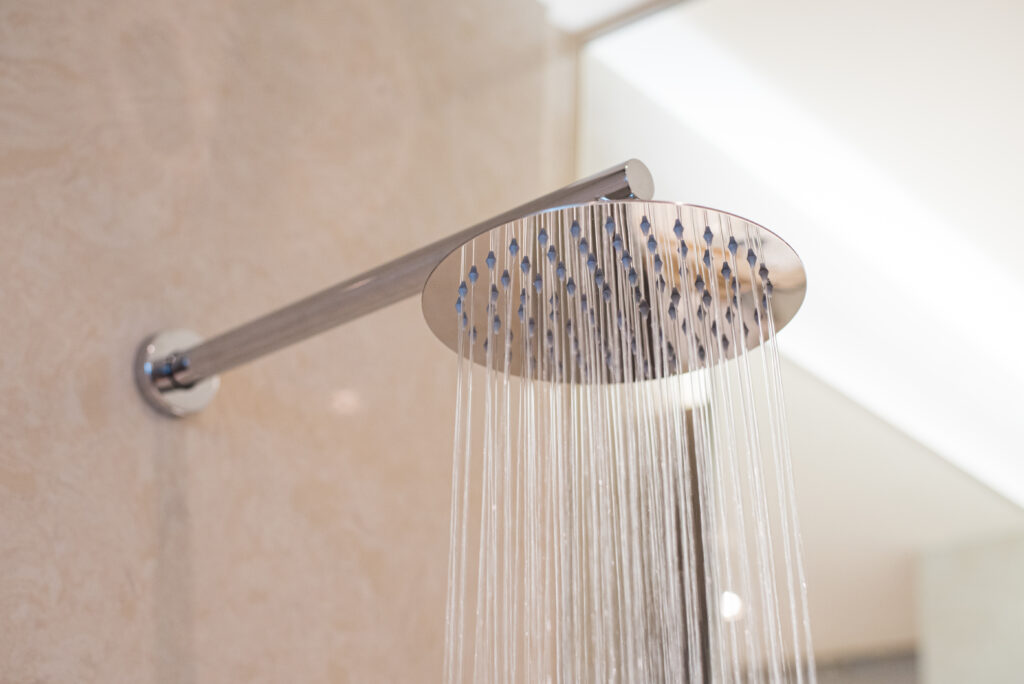
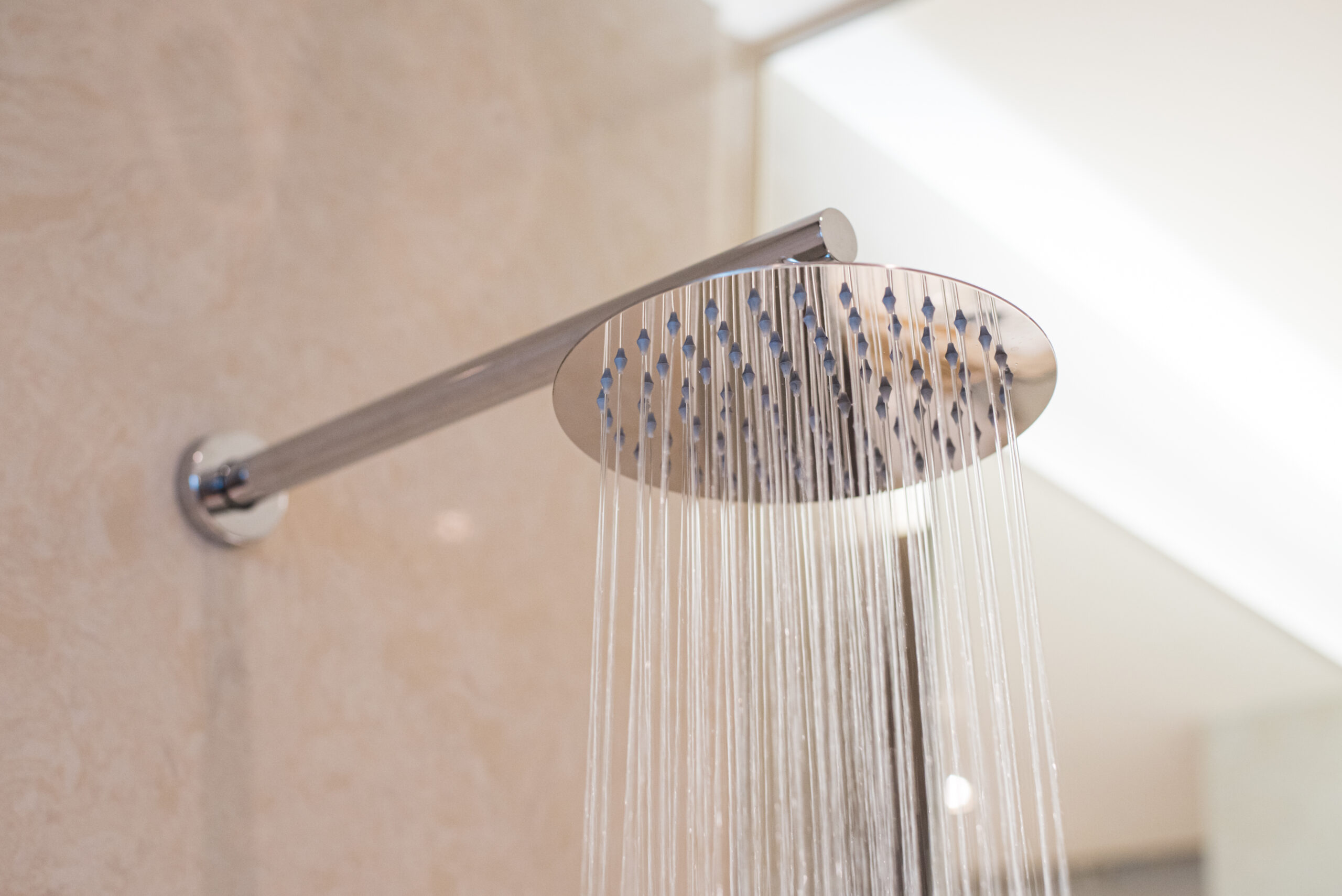
A ceiling-mounted shower head is a fixture installed flush or near-flush into the ceiling of a shower enclosure, designed to deliver water from directly overhead. Unlike a wall-mounted shower head that angles water at the body, a ceiling version drops water straight down in a wide, even pattern that mimics natural rainfall. The effect is immersive and uniform, covering more surface area with each pass. Most ceiling shower heads connect to water supply lines that run through the ceiling cavity and connect to your home’s existing plumbing. Some models are recessed entirely into the ceiling, while others drop down on a short arm. The core mechanics are straightforward: pressurized water travels through the supply line, enters the shower head body, and disperses through a series of small nozzles or spray holes. The diameter of the head and the nozzle configuration determine the spray pattern, water volume, and overall experience.

Types of Ceiling Shower Heads Available for Homeowners
Not all ceiling shower heads are the same, and the differences matter more than most people realize when they are standing in a showroom comparing finishes. The main categories include rain shower heads, which are wide and flat and emphasize gentle, high-coverage flow; waterfall shower heads, which produce a sheet-like cascade rather than individual streams; and multi-function ceiling panels, which integrate multiple spray modes and sometimes include body jets or handheld components. Materials range from chrome and brushed nickel to matte black and oil-rubbed bronze. Some units are constructed from ABS plastic with a metallic finish coating, while higher-end models use solid brass or stainless steel bodies. The material choice affects both aesthetics and durability, particularly in areas with hard water where mineral buildup is a persistent concern.
Key Advantages of Installing a Ceiling Shower Head
The appeal of ceiling-mounted shower heads goes well beyond visual style. There are practical benefits that make them a worthwhile consideration for many homeowners.
- Even water distribution across the entire body without the need to move or reposition under the spray
- Reduced strain on the neck and shoulders, since there is no need to tilt the head or adjust posture to get adequate coverage
- A cleaner, more streamlined bathroom aesthetic with fewer visible fixtures cluttering wall space
- Potentially higher perceived home value, since spa-like bathroom features consistently attract buyer attention during resale
- Compatibility with smart home systems when paired with digital valve controls or programmable thermostatic fixtures
Beyond those practical points, there is the simple pleasure of the experience itself. A wide-coverage overhead shower feels fundamentally different from a standard wall-mounted fixture, and for many homeowners that daily quality-of-life improvement is reason enough to explore the option seriously.
Common Drawbacks and Installation Challenges to Consider
Ceiling shower heads are genuinely excellent, but they are not without complications, and glossing over those would be doing you a disservice. The most significant challenge is installation. Getting water supply lines routed through the ceiling requires opening up ceiling materials, coordinating with plumbing, and ensuring proper waterproofing around the fixture penetration point. This is not a weekend DIY project for most homeowners, and the cost of professional installation can add several hundred to several thousand dollars to the overall project budget depending on the complexity of the existing plumbing layout. Water pressure is another consideration. Many ceiling shower heads, particularly the larger rain-style models with wide diameters, require higher water pressure and flow rates to perform properly. Homes with older plumbing or naturally lower water pressure may experience a disappointing trickle rather than the immersive rainfall effect shown in marketing materials. Finally, ceiling-mounted fixtures are more difficult to clean and maintain than wall-mounted ones, and any leaks that develop within the ceiling cavity can cause significant water damage before they are even detected.
Plumbing and Structural Requirements You Need to Evaluate First
Before committing to a ceiling shower head installation, a few assessments are non-negotiable. First, evaluate your home’s water pressure. The minimum recommended flow rate for most ceiling rain shower heads is around 2.5 gallons per minute, though some larger models perform best at higher rates. A licensed plumber can measure your existing pressure and advise whether a booster pump is necessary. Second, consider ceiling height. Ceiling shower heads work best when the ceiling is at least eight feet high, ideally higher, to allow the water spray to expand properly before it reaches the body. Lower ceilings can result in a spray pattern that feels tight and compressed rather than spacious and enveloping. Third, the ceiling structure itself needs to accommodate the fixture weight and the plumbing connections without compromising insulation or structural integrity. This is especially relevant in multi-story homes where the shower exists on a lower floor with living space above.
Water Efficiency and What to Expect From Your Water Bills
Larger shower heads use more water. That relationship is fairly direct, and it is worth being honest about the implications. A standard shower head typically uses around 2.0 to 2.5 gallons per minute. Many ceiling rain shower heads exceed that, particularly models with diameters of ten inches or more. Over the course of a year, the cumulative increase in water consumption can be meaningful, especially in households with multiple daily users. That said, WaterSense-certified ceiling shower heads do exist and offer a more environmentally responsible option without completely sacrificing the immersive experience. If water conservation is a priority for your household, this certification label is worth seeking out specifically when comparison shopping.
Maintenance Tips to Extend the Life of Your Ceiling Shower Head
Ceiling shower head maintenance is manageable as long as it is not neglected entirely. Mineral deposits from hard water are the most common issue, and they gradually clog the spray nozzles and reduce performance. Regular cleaning with a descaling solution or a simple mixture of white vinegar and water keeps nozzles clear and extends the lifespan of the fixture noticeably. Most modern shower heads include rubber nozzle tips specifically designed to make descaling easier by allowing deposits to be loosened with a simple finger rub. For recessed ceiling fixtures, checking the surrounding ceiling area periodically for any signs of moisture intrusion or discoloration is a sensible habit. Catching a slow drip early is vastly preferable to discovering water damage that has been spreading inside the ceiling cavity for months.

Does a Home Warranty Cover Ceiling Shower Heads
This is a question homeowners often overlook until something breaks, which is exactly the wrong time to find out the answer. Home warranty coverage for plumbing systems typically includes interior supply lines, drain lines, and certain plumbing components, but the specific coverage for fixtures like shower heads varies depending on the provider and the plan selected. Ceiling shower heads fall into an interesting middle zone: the plumbing lines supplying them may be covered, but the fixture itself is sometimes categorized separately as a non-covered item. Reviewing your home warranty contract carefully, and asking specific questions about fixture coverage before purchasing a plan, can prevent unwelcome surprises when a repair becomes necessary.
Why Armadillo Belongs in Your Home Ownership Plan
Installing a ceiling shower head is an investment in your home’s comfort and value, and like any investment, it deserves protection. When plumbing components fail, whether that is the supply line feeding your new overhead fixture or another system entirely, repair costs can escalate quickly and arrive without warning. That is precisely the kind of financial uncertainty that comprehensive home warranty coverage for plumbing systems and fixtures is designed to address. Armadillo offers straightforward, homeowner-focused protection that takes the guesswork out of what is covered and what is not. If you are planning a bathroom upgrade or simply want to protect the systems already working hard in your home, now is the right time to get a personalized home warranty quote for bathroom and plumbing protection and see exactly what a plan looks like for your specific property. Armadillo keeps it honest, keeps it clear, and keeps your home covered when it counts most.
Frequently Asked Questions About Ceiling Shower Heads
What is the difference between a ceiling shower head and a rain shower head?
A rain shower head refers to the style of spray pattern, which mimics falling rain with gentle, wide coverage. A ceiling shower head refers to the mounting location. Many rain shower heads are ceiling-mounted, but rain-style heads can also be installed on wall-mounted arms. The two terms are often used interchangeably but describe different characteristics.
Do ceiling shower heads require special plumbing?
Yes, in most cases. Water supply lines must be routed through the ceiling cavity to reach the fixture, which typically requires opening ceiling materials and rerouting existing plumbing. This is a job for a licensed plumber in the majority of installations.
What ceiling height is recommended for a ceiling shower head?
A minimum ceiling height of eight feet is generally recommended, with nine or more feet being ideal. Lower ceilings can restrict the spray pattern and reduce the immersive quality that makes ceiling shower heads desirable.
Are ceiling shower heads compatible with low water pressure homes?
Many ceiling shower heads, especially large-diameter rain styles, perform best with adequate water pressure. Homes with low pressure may require a pressure booster pump or should consider a ceiling shower head specifically designed for low-pressure performance.
How do I clean a ceiling-mounted shower head?
For accessible models, soaking a cloth or bag filled with white vinegar or a commercial descaling solution around the nozzle area for thirty to sixty minutes dissolves mineral deposits effectively. For fully recessed ceiling fixtures, the process may require removing the fixture head according to manufacturer instructions.
Can a ceiling shower head cause water damage to my home?
If improperly installed or if the surrounding waterproofing fails over time, yes. Water intrusion into the ceiling cavity can cause structural damage, mold growth, and deterioration of surrounding materials. Proper installation by a licensed professional and periodic visual inspection of the ceiling area around the fixture significantly reduces this risk.
Does a ceiling shower head add value to a home?
Spa-like bathroom features, including ceiling-mounted shower heads, consistently rank among the upgrades that attract buyer interest during home sales. The degree to which it adds monetary value depends on the quality of the installation, the overall bathroom design, and the local real estate market.
Are ceiling shower heads covered under a standard home warranty?
Coverage varies by provider and plan. The plumbing supply lines connected to the fixture are more commonly covered, while the fixture itself may be categorized differently. Reviewing your specific contract terms and asking your warranty provider directly before purchasing a plan is the best approach.
What size ceiling shower head should I choose for my bathroom?
Shower enclosure size is the primary guide. For smaller enclosures, an eight to ten inch diameter head is typically sufficient. Larger walk-in showers can accommodate twelve inch or larger models without the spray pattern feeling overwhelming or wasteful.
How long do ceiling shower heads typically last?
With proper maintenance and regular descaling, a quality ceiling shower head constructed from solid brass or stainless steel can last ten to twenty years or longer. Lower-cost models with plastic components or thin metallic coatings tend to show wear and performance degradation within five to seven years.