Understanding Central Air Conditioning Systems: A Homeowner’s Guide to Comfort, Efficiency, and Protection
Your home is more than walls and ceilings—it’s your retreat from the world, and few systems impact your comfort more than your central air conditioner. Whether you’re upgrading an outdated unit or installing one for the first time, understanding how a central air system works, what makes it beneficial, and where potential pitfalls lie is essential. This guide will walk you through the basics of central air conditioning systems, so you can make informed decisions that keep your home cool, your energy bills in check, and your investment protected.
What Is a Central Air Conditioning System?
Central air conditioning is a whole-home cooling solution that distributes conditioned air through a system of ducts and vents. Unlike window or portable units that only impact a single room, central AC cools the entire home uniformly. It operates through a closed loop: the indoor unit pulls warm air from your home, sends it to the outdoor unit where it’s cooled, and then redistributes it inside through air ducts. Key system components include a compressor, condenser coil, evaporator coil, and air handler—all working in sync to manage temperature and humidity.
How Does Central Air Work?
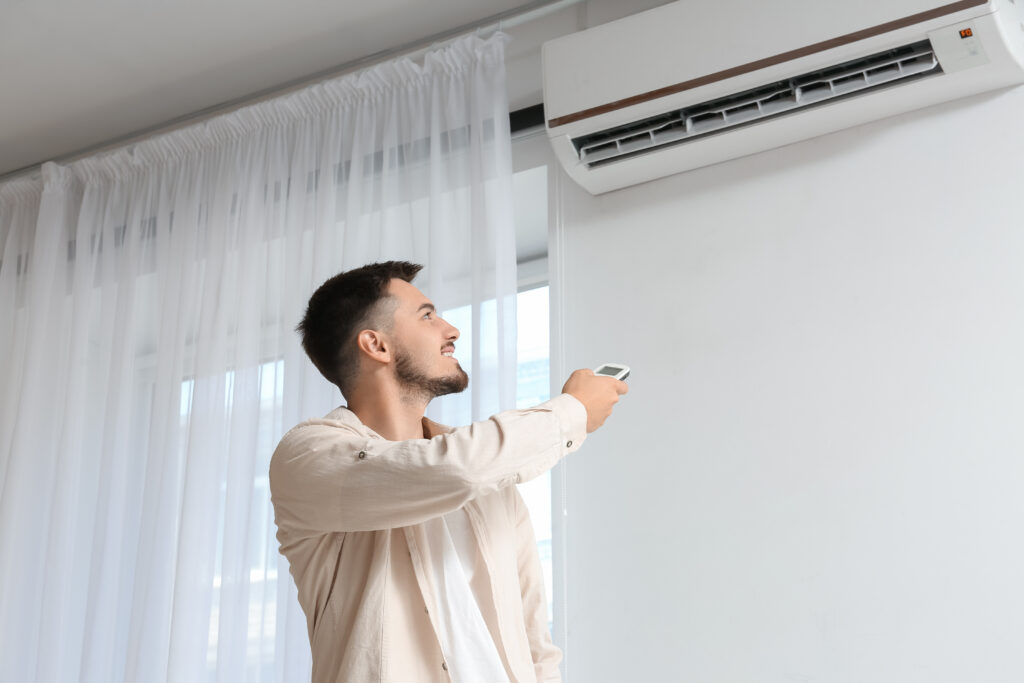
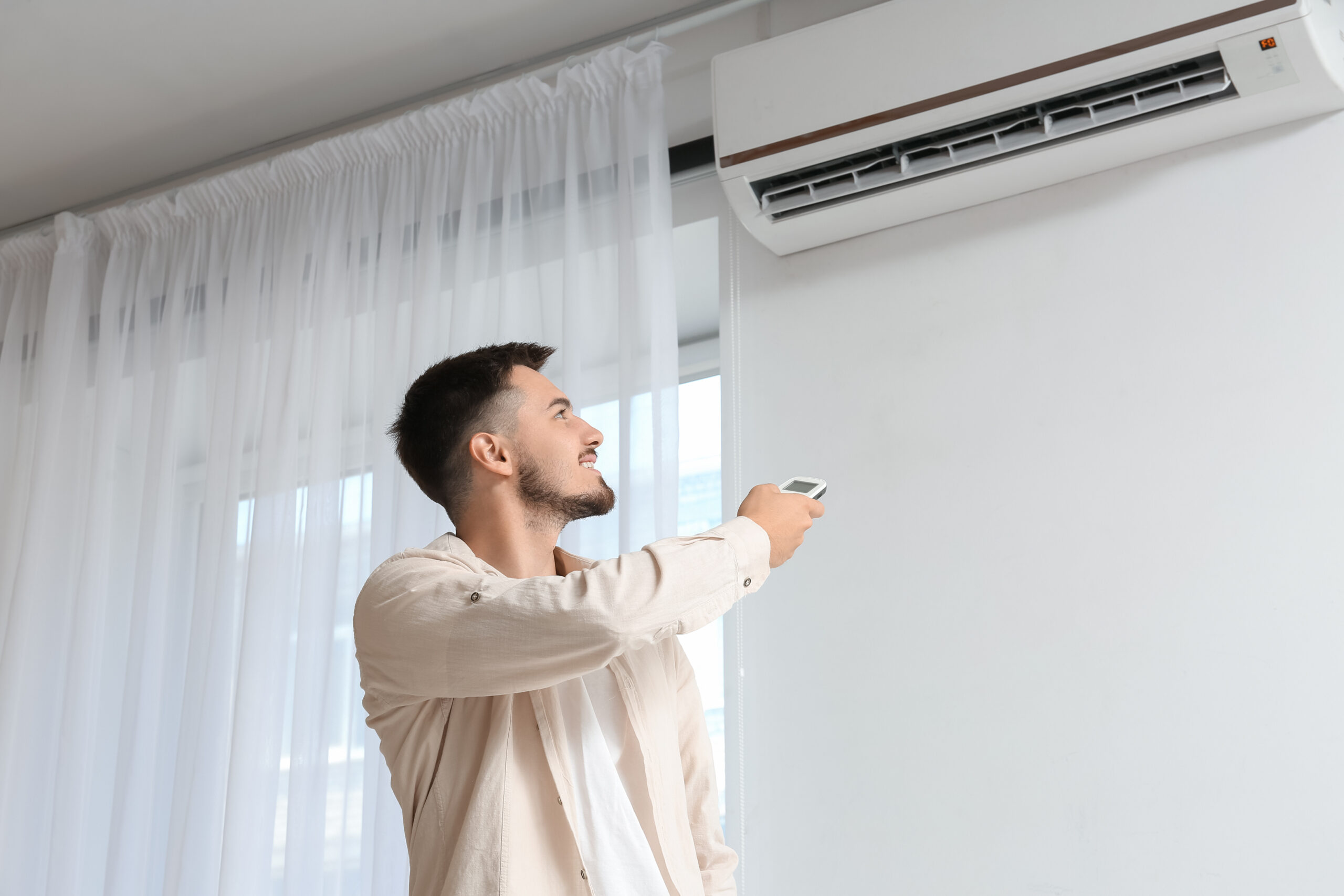
The entire process hinges on refrigerant. The indoor air handler pulls warm indoor air over an evaporator coil filled with refrigerant. As the refrigerant absorbs heat, it transforms from a low-pressure gas to a high-pressure vapor. This vapor then travels to the outdoor unit where the compressor condenses it, releasing the heat outdoors. The cooled refrigerant returns indoors to repeat the cycle. A thermostat monitors indoor temperatures and signals the system to cycle on or off based on your settings. The result is consistent, whole-home cooling that operates without requiring you to lift a finger.
Key Advantages of Central Air Conditioning Systems
The benefits of central air extend well beyond comfort. First and foremost, it provides even, reliable cooling throughout your home. Gone are the days when one room is freezing while another feels like a sauna. Central air also improves indoor air quality. Most systems come equipped with filters that trap dust, pollen, pet hair, and other pollutants before they circulate through your home. Then there’s energy efficiency. Modern units—especially those rated with high SEER (Seasonal Energy Efficiency Ratio) ratings—use less power to cool more space. That efficiency could translate into lower monthly utility bills and a smaller environmental footprint. Lastly, for homeowners thinking long-term, a well-maintained central air system can increase home resale value and market appeal.
Common Drawbacks to Consider
No system is without its flaws, and central AC is no exception. The initial investment is often high, especially for homes that don’t already have ductwork in place. Duct installation can be invasive and expensive. Maintenance is another consideration. From replacing filters monthly to annual inspections, central AC systems require regular upkeep to run efficiently. Breakdowns tend to involve complex components like the compressor or evaporator coil—high-ticket repairs that can be financially disruptive if not covered by a home warranty. Lastly, while central air is energy efficient, running it continuously during seasonal peaks can still contribute to high electricity bills. Strategic thermostat programming and proper home insulation can offset this, but it’s not automatic.
When Should You Upgrade or Replace a Central Air System?
AC systems typically last 10 to 15 years when properly maintained. If your current unit is approaching—or exceeding—that range, it’s more susceptible to malfunctions, energy inefficiency, and limited cooling power. Warning signs include unusually high energy bills, inconsistent temperatures, frequent short cycling, or strange noises during operation. If repairs become regular and increasingly expensive, replacement may offer a more cost-effective and reliable solution. Even if your system is operational, upgrading to a newer, high-efficiency model could significantly improve comfort and reduce monthly expenses. Homeowners should also factor in SEER ratings and rebate eligibility when considering a system replacement, as these can make a noticeable financial difference.
Choosing the Right Central Air System For Your Home
Matching a system to your home isn’t as simple as picking a brand or buying the most powerful unit. Size matters—a system that’s too small won’t adequately cool your space, while one that’s too large will cycle on and off inefficiently, wasting energy and compromising comfort. An HVAC technician can perform a load calculation, considering square footage, ceiling height, insulation quality, and local climate to determine the correct system capacity. Variable-speed systems, smart thermostats, and zoning options offer enhanced control and energy management features. Don’t overlook warranty options either; system coverage can offer significant peace of mind and financial protection over time.
The Role of Home Warranties in Central Air Protection
Central air systems are high-value, high-maintenance investments. When components like your compressor fail, repair costs can range from hundreds to thousands of dollars. A home warranty tailored to cover HVAC systems protects you from surprise costs and helps ensure timely, professional repairs. Plans often include annual system checks, discounted service calls, and coverage of both parts and labor. When paired with regular upkeep, this type of warranty can extend the lifespan of your system and reduce the long-term cost of ownership. Not all warranties are created equal—be sure to examine coverage limits, service response time, and customer reviews when evaluating providers.
Why Armadillo Is Your Partner in HVAC Peace of Mind
Your cooling system isn’t just an appliance—it’s infrastructure. At Armadillo, we specialize in protecting infrastructure. With plans that provide comprehensive HVAC coverage, straightforward service terms, and a transparent claims process, we remove the “what if” from central air ownership. Whether your cooling coil cracks in the heat of summer or your compressor calls it quits, our plans are designed to get you back to comfort with as little disruption as possible. Explore more about what makes us different at Armadillo. Ready to customize coverage and start protecting your most essential systems? Begin building your plan today at our plan builder.