Understanding Central Air Conditioning Systems: What Homeowners Need to Know
If homeownership is a journey, then managing your home’s climate is one of the major stops along the way. Central air conditioning systems may not be the flashiest upgrade, but they quietly shoulder a significant portion of your comfort. When temperatures spike, a functioning central AC goes from background feature to household hero. And if it happens to malfunction? Suddenly, every degree matters. Learning the ins and outs of this system not only empowers smart decisions but also connects directly with home value, energy efficiency, and long-term cost management.
What Is a Central Air Conditioning System?
At its core, a central air conditioning system is a whole-home solution that cools and dehumidifies indoor air by leveraging a closed-loop process of refrigeration and air circulation. Unlike window units or portable setups that treat individual spaces, central AC systems are integrated directly into the home’s ductwork, delivering even, reliable cooling to every room simultaneously.
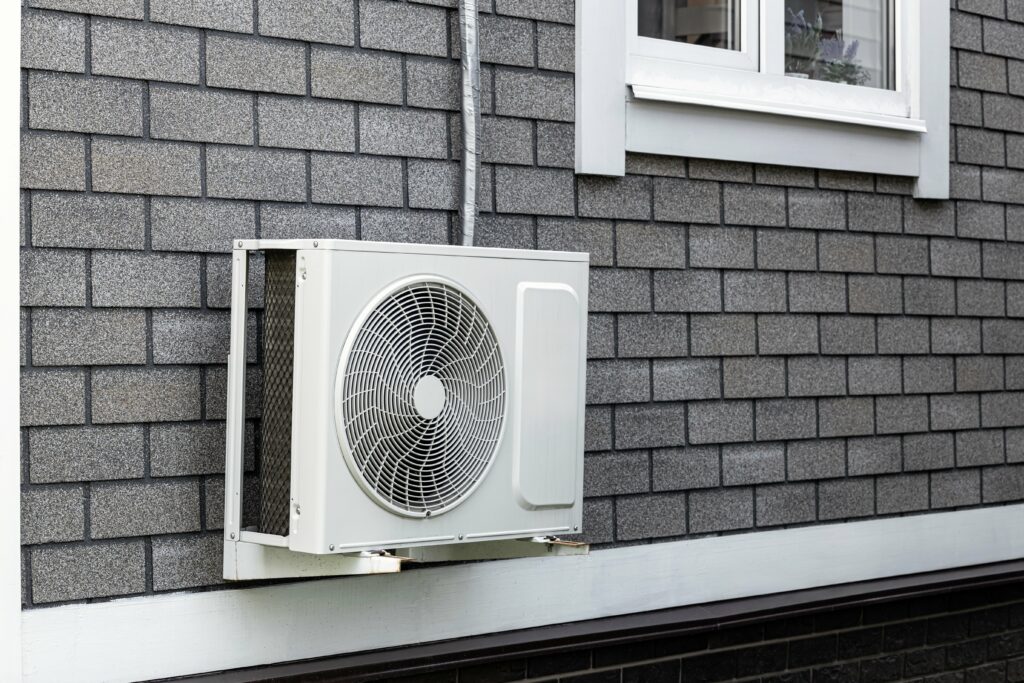
Every central AC system has a few essential components: a compressor and condenser located outside the home, and an evaporator coil typically housed within or near the furnace. Warm indoor air is pulled in through return ducts, cooled over the evaporator coil, and then pushed back into the home via the supply ducts.
How Central Air Conditioning Works in Practical Terms
Understanding what’s happening behind the scenes can demystify a lot of what seems like HVAC magic. The journey begins inside your home, where warm air is drawn in via return vents. That air circulates over cold evaporator coils filled with refrigerant. As the air cools, the refrigerant absorbs heat and moves it outside to the condenser coil. There, the heat is expelled, and the refrigerant cycles back indoors to continue the process. A blower fan then pushes the cooled air back through ductwork and into living spaces.
This cycle repeats until your home reaches the desired temperature you’ve set on your thermostat. Many modern thermostats can also optimize this running process, using zoning or programmable schedules to avoid overcooling areas that are unoccupied.
Advantages of a Central Air Conditioning System
Efficiency and convenience are the standout advantages. Central air systems cool the entire home with uniform results. They’re quiet, with the noisiest components located outside. Unlike multiple wall units or fans, there’s no visible equipment in each room, and modern designs are increasingly energy efficient, which contributes to lower utility bills over time.
Additionally, central systems often integrate seamlessly with existing HVAC structures, including furnaces and air purification systems. Zoned systems allow for room-by-room temperature control, and smart thermostats provide app-based conditions tracking and scheduling, giving homeowners more command over their indoor environment.
Common Drawbacks and Considerations
No system is without compromise, and central air conditioning is no exception. One of the major concerns is upfront cost. Equipment installation, ductwork, and architectural constraints—especially in older homes—can create financial and logistical hurdles. Plus, without regular maintenance, performance can degrade due to issues like clogged filters, refrigerant leaks, or duct inefficiencies.
Energy usage is also worth noting. When used inefficiently or in poorly insulated homes, central AC systems can drive up costs quickly. If the duct network isn’t properly sealed or the system isn’t right-sized for the home’s square footage, cooling can be uneven or ineffective, leading to overuse and strain on components.
Signs Your Central AC Might Be Underperforming
There are a few early indicators homeowners should look out for: inconsistent temperatures from room to room, unexpected increases in your energy bill, and prolonged cooling cycles that never quite reach the targeted temperature. Hissing or rattling noises, odd odors, or short-cycling (frequent on/off patterns) are also red flags. These are typically signs that maintenance—possibly even a full replacement—should be on the radar.
Routine servicing, preferably at the start of the cooling season, helps catch minor issues before they become systemic. That includes checking refrigerant levels, replacing filters, inspecting ductwork, and cleaning both the condenser and evaporator coils. It’s never glamorous, but it extends the system’s lifespan and maintains efficiency where it matters.
The Role of Central AC in a Home Warranty Plan
From a homeowner’s perspective, few investments are as unforgiving as a sudden AC failure during a summer heatwave. Repair costs can be unpredictable, and complete replacements can run into the thousands. That’s where a home warranty becomes crucial—not as a silver bullet, but as a safety net that shifts your exposure from surprise expenses to manageable expectations.
A warranty that covers central air conditioning, like those offered by Armadillo, ensures that when your system experiences a mechanical or electrical failure due to normal wear and tear, the repair or replacement cost doesn’t have to come directly out of your household budget. Coverage varies, so be sure to understand whether your system type, refrigerant type, and associated components (like thermostats or ducts) are included under your selected plan.
Why Armadillo Is the Right Fit for Your Home’s Comfort
Central air conditioning is about more than comfort; it’s about control, health, and protecting long-term value. At Armadillo, we’ve built our home warranty services with this in mind—focused, modern, and built to meet the realities homeowners face. If your central AC stops performing when you need it most, or if wear-and-tear reveals an issue you didn’t see coming, our coverage jumps in where traditional insurance doesn’t. That includes repairs within coverage terms and, when necessary, complete replacement support depending on policy details.
Building the right warranty plan for your home has never been more straightforward. Get started with Armadillo by visiting our homepage or build your custom protection with our plan builder. Protect your home, your investment, and your peace of mind—because no one thinks about HVAC until it’s gone, and with Armadillo, you won’t have to.