What Is a Central Air Conditioner and Why Does It Matter for Your Home?
If you have ever walked into a cool, evenly tempered home on a sweltering afternoon, there is a good chance a central air conditioning system made that possible. Central air conditioning is one of the most relied-upon home systems in the country, and yet most homeowners know surprisingly little about how it actually works. That knowledge gap tends to stay quiet until something goes wrong. Understanding your central AC system, including how it operates, what can fail, and how to protect it, puts you in a much better position as a homeowner. So let us get into it.
How a Central Air Conditioning System Works
A central air conditioner functions through a refrigeration cycle that removes heat from indoor air and releases it outside. The system has two main units: the indoor air handler or evaporator coil, which sits inside your home, and the outdoor condenser unit, which expels heat to the exterior. Refrigerant travels between the two, absorbing heat indoors and releasing it outdoors in a continuous loop. A blower fan pushes conditioned air through ductwork and into each room via supply vents, while return vents pull warm air back into the system to repeat the cycle. It sounds complicated, and mechanically it is, but the result is straightforward: cooler, more comfortable air circulating throughout your home.
The Key Components Inside Your Central AC System
Understanding the components that make up your central air conditioner helps you recognize warning signs and have more informed conversations with HVAC technicians. Each part plays a specific role, and a failure in one area can affect the performance of the entire system.
- Compressor: Pressurizes the refrigerant and drives the entire refrigeration cycle. It is located in the outdoor unit and is often considered the heart of the system.
- Condenser Coil: Releases heat absorbed from inside your home to the outdoor air. This coil sits inside the outdoor unit and works alongside the compressor.
- Evaporator Coil: Absorbs heat from indoor air as refrigerant passes through it. Located near the air handler, it is the component that actually cools the air.
- Air Handler and Blower Fan: Circulates conditioned air through the duct system and into your living spaces.
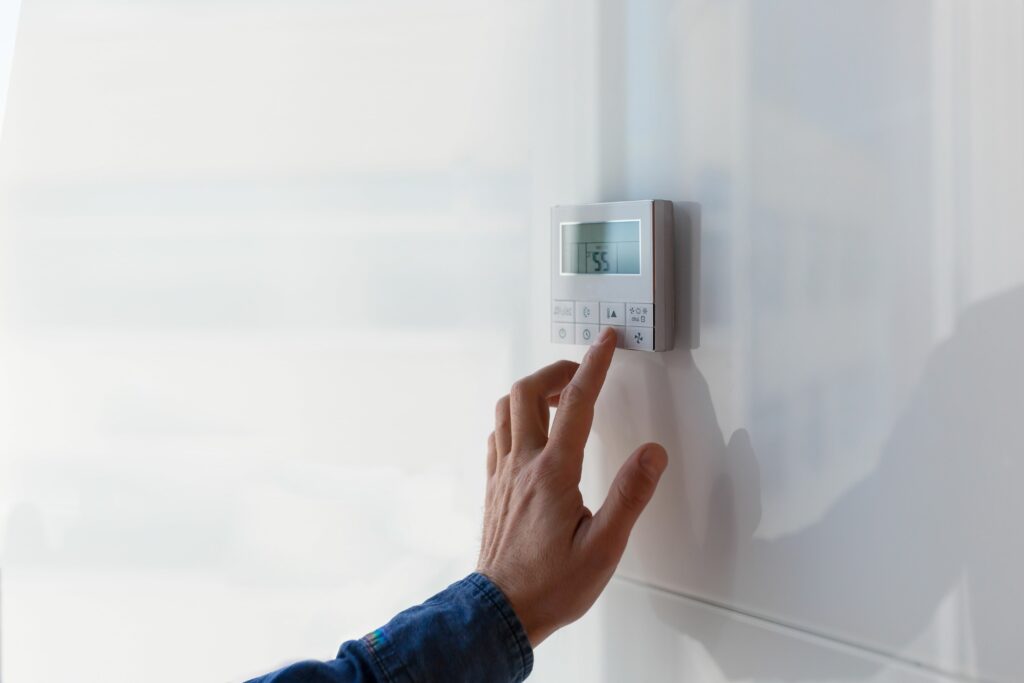
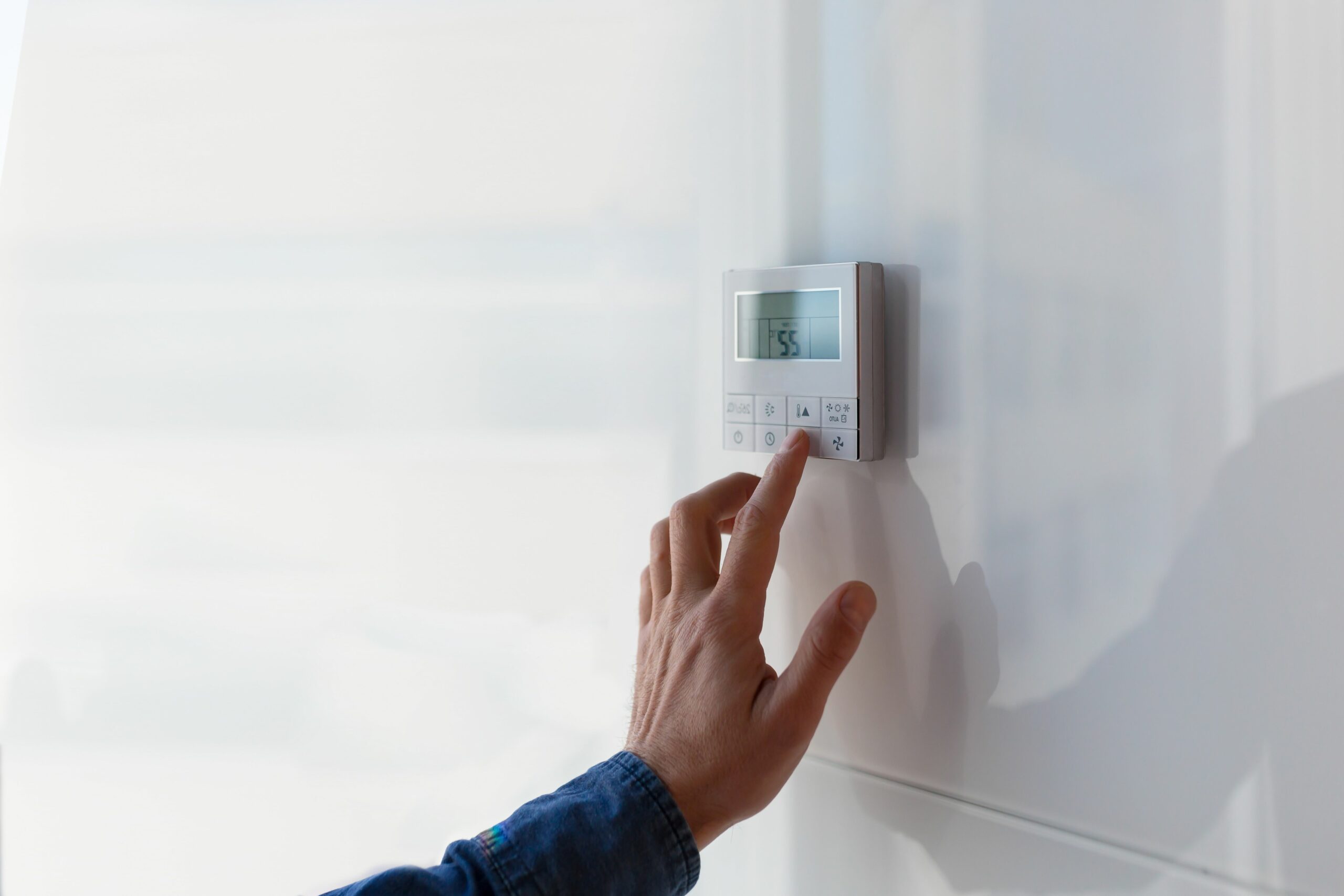
- Thermostat: Controls when the system turns on and off, maintaining your desired temperature setting.
- Refrigerant Lines: Connect the indoor and outdoor units, allowing refrigerant to travel between them.
- Ductwork: Delivers cooled air throughout the home and returns warm air back to the system.
- Air Filter: Captures dust, debris, and particles before air enters the system, protecting internal components and improving indoor air quality.

The Advantages of Central Air Conditioning
Central air conditioning offers several meaningful benefits that make it the preferred cooling solution for most single-family homes. First, it provides consistent, whole-home comfort. Rather than cooling one room at a time with window units, a central system conditions every room connected to the ductwork simultaneously. That uniformity is difficult to replicate with portable alternatives. Second, modern central AC systems are significantly more energy-efficient than older models, with high-efficiency units carrying SEER ratings well above the federal minimum. Third, central air conditioning also filters and dehumidifies indoor air as it cools, which contributes to better air quality and reduced humidity levels, both of which matter for comfort and health. Finally, a properly maintained central AC system can increase the overall value and marketability of your home.
The Drawbacks Worth Knowing Before You Commit
No system is without its limitations, and central air conditioning is no exception. Installation cost is the most significant barrier for homeowners who do not already have the system in place. Ductwork installation, if not already present, adds substantially to the upfront expense. The system also requires regular professional maintenance to operate at peak efficiency, including annual tune-ups, refrigerant checks, and coil cleaning. Duct leakage is another concern worth noting. When ducts are not properly sealed or insulated, conditioned air escapes before it reaches its intended destination, driving up energy costs. And perhaps most relevant to homeowners already living with a central AC system, repairs can be expensive. Compressor replacements, refrigerant recharges, and evaporator coil repairs are not small-ticket items. That financial exposure is exactly where home warranty coverage becomes relevant.
How Long Does a Central Air Conditioner Last?
The average central air conditioning system lasts between 15 and 20 years, though that range depends heavily on how well the system is maintained, the climate it operates in, and the quality of the original installation. Systems in hotter climates that run nearly year-round will typically wear out faster than those used seasonally. Skipping annual maintenance accelerates that decline. A system that is approaching the 12 to 15-year mark deserves more attention, both in terms of preventive care and financial planning for eventual replacement. If your unit is older and experiencing recurring issues, it may be worth evaluating the cost of repair versus replacement rather than continuing to invest in an aging system.
Essential Maintenance Tips to Keep Your Central AC Running
Routine maintenance is the single most effective way to extend the life of your central air conditioning system and reduce the likelihood of unexpected breakdowns. Most of these tasks are straightforward and can be handled by any homeowner with basic diligence.
- Replace air filters every one to three months, or more frequently in homes with pets or allergy concerns.
- Clear debris from around the outdoor condenser unit, including leaves, grass clippings, and dirt buildup.
- Schedule a professional HVAC tune-up once per year, ideally in the spring before peak cooling season begins.
- Check and seal ductwork if you notice inconsistent temperatures or rising energy bills.
- Keep supply and return vents unobstructed by furniture or drapes.
- Monitor your thermostat settings and consider upgrading to a programmable or smart thermostat for better efficiency.
When Central AC Repairs Get Expensive Fast
The most common and most costly central AC repairs tend to involve the compressor, the evaporator coil, or refrigerant-related issues. Compressor replacement alone can run anywhere from one thousand to over two thousand dollars depending on the unit. Refrigerant leaks require both leak repair and refrigerant recharging, which adds up quickly, especially with the ongoing transition away from older refrigerant types. Evaporator coil replacement is another high-cost scenario, often running into the hundreds or low thousands. These are not hypothetical risks. They are the kinds of repairs that catch homeowners off guard when a system that seemed fine last month suddenly stops cooling in the middle of July. Having a financial plan in place before that moment arrives is not overcautious, it is just smart homeownership.
Why a Home Warranty Makes Sense for Central AC Coverage
Owning a home means accepting that mechanical systems will eventually break down. Central air conditioning, with its many moving parts, refrigerant lines, and electrical components, is one of the more likely candidates for an untimely and expensive failure. A home warranty is designed specifically for situations like this. It covers repair or replacement costs for covered systems and appliances when they fail due to normal wear and tear, which is exactly how most central AC failures occur. If you are looking for a provider that takes central air conditioning coverage seriously, Armadillo home warranty plans for central air conditioning systems are built around real homeowner needs, with transparent terms and straightforward service. When you are ready to stop leaving your HVAC repairs to chance, you can get a free home warranty quote that covers your central AC system in just a few minutes. The cost of a home warranty is a fraction of a single major repair, and the peace of mind it provides is worth considerably more than that.

Frequently Asked Questions About Central Air Conditioning
Here are answers to the questions homeowners most commonly ask about central air conditioning systems, how they work, and how to protect them.
What is the difference between a central air conditioner and a heat pump?
A central air conditioner only cools, while a heat pump can both cool and heat a home by reversing the refrigeration cycle. In mild climates, heat pumps are an efficient all-in-one solution, but in regions with harsh winters, a traditional furnace and AC combination may perform better.
How often should I have my central AC system serviced?
You should schedule professional maintenance at least once per year, ideally in the spring before the cooling season begins. Annual servicing helps catch small issues before they become costly repairs and keeps the system running at peak efficiency.
What SEER rating should I look for in a central air conditioner?
SEER stands for Seasonal Energy Efficiency Ratio. The federal minimum is currently 14 or 15 SEER depending on your region, but higher-efficiency models rated 18 SEER or above offer significant long-term energy savings, especially in warmer climates where the system runs frequently.
Why is my central air conditioner running but not cooling the house?
Several issues can cause this, including a dirty air filter, a refrigerant leak, a frozen evaporator coil, or a failing compressor. If changing the air filter does not resolve the problem, contact a licensed HVAC technician to diagnose the issue.
How do I know if my central AC system needs refrigerant?
Signs of low refrigerant include warm air blowing from the vents, ice forming on the refrigerant lines or evaporator coil, and higher than normal electricity bills. Refrigerant does not deplete on its own, so low levels typically indicate a leak that must be repaired before recharging.
How long does a central air conditioner typically last?
Most central AC systems last between 15 and 20 years with proper maintenance. Systems in hot climates or those that are poorly maintained may fail sooner, while well-maintained units in moderate climates can sometimes exceed that range.
Does a home warranty cover central air conditioning?
Many home warranty plans include central air conditioning coverage for mechanical failures caused by normal wear and tear. Coverage details vary by provider, so it is important to review what components are included, such as the compressor, evaporator coil, and refrigerant lines, before selecting a plan.
What size central AC system do I need for my home?
System sizing is measured in tons of cooling capacity and should be determined by a licensed HVAC professional through a load calculation that accounts for your home’s square footage, insulation, ceiling height, window placement, and local climate. An oversized or undersized unit will reduce comfort and efficiency.
Can I run my central AC system without changing the air filter?
Running your system with a dirty or clogged filter restricts airflow, forces the system to work harder, reduces efficiency, and can lead to component failures over time, including a frozen evaporator coil or an overworked blower motor. Filter changes are one of the simplest and most impactful maintenance tasks you can do.
What should I do if my central AC stops working suddenly?
Start by checking the thermostat settings, replacing the air filter, and inspecting the circuit breaker for a tripped breaker. If none of those resolve the issue, contact a licensed HVAC technician. If you have a home warranty, contact your provider first to initiate a service request and avoid out-of-pocket repair costs.