
Understanding Central Air Conditioning Systems: A Homeowner’s Guide to Comfort, Efficiency, and Protection
As homeowners seek affordable housing options, many are turning their eyes toward West Virginia—consistently one of the states with the lowest median home prices in the nation. Whether you’re settling into a budget-friendly bungalow in Charleston or a rural haven near Morgantown, ensuring your home systems are functioning at their best is essential. One of the most critical—and complicated—systems in your home is central air conditioning. In a state that experiences warm, humid summers, central AC isn’t just a convenience. It’s a necessity. Let’s break down what central air conditioning really is, how it works, its benefits and drawbacks, and what you can do to protect your investment.
What Is a Central Air Conditioning System?
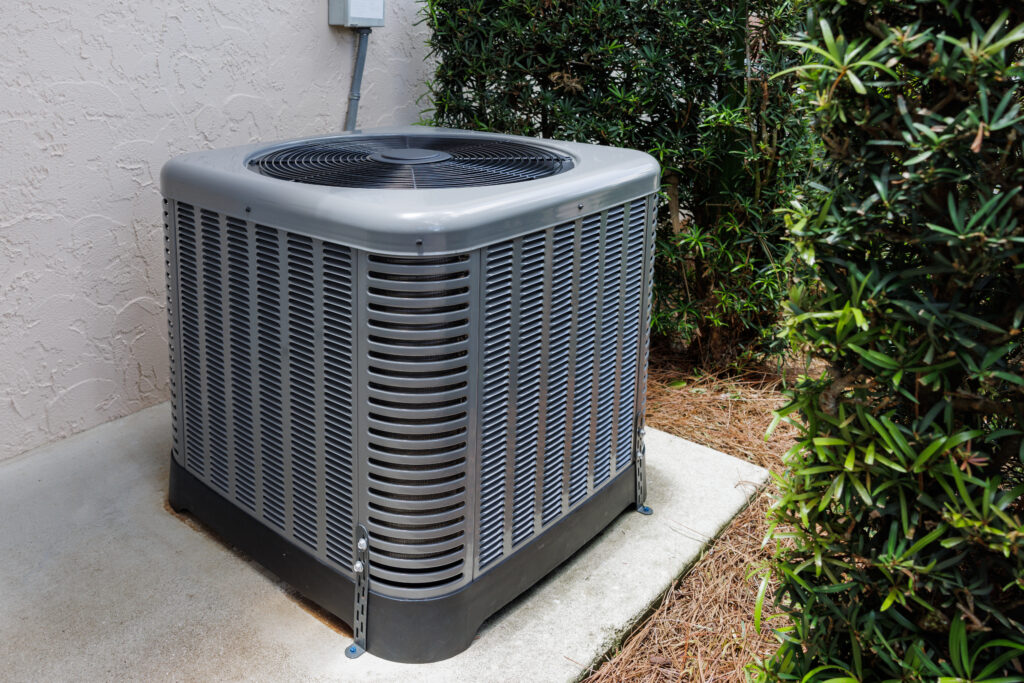
Central air conditioning is a whole-home cooling solution that regulates indoor temperature and humidity by distributing cooled and dehumidified air through a network of ducts and vents. Unlike portable units or window air conditioners, which target individual rooms, a central air system maintains consistent comfort throughout your entire home. It consists of several key components, including an outdoor compressor unit, an indoor air handling unit (often integrated with your furnace), a series of ducts, and a thermostat that controls the temperature settings.
How Central AC Systems Work
At its core, a central air conditioning system functions on a fundamental principle of physics: removing heat from the indoor air and releasing it outside. The process begins when your thermostat signals the system to cool the home. The compressor circulates refrigerant through the coils, which absorb indoor heat and transport it to the outdoor unit. A fan in the outdoor unit then expels the heat into the surrounding air. Concurrently, the cooled refrigerant circles back to pull more heat, while the air handler pushes the cooled air through ductwork into your living spaces. This continuous cycle offers steady, reliable climate control across your home.
Key Advantages of Central Air Conditioning
When installed and maintained properly, central air conditioning systems offer several distinct advantages over stand-alone cooling solutions. First, there’s uniformity—every room benefits from the same cooling performance. Second, central systems are far quieter indoors, since most of the noisy components are located outside. In terms of long-term value, central AC adds appeal and appraisal value to your home, especially in regions like West Virginia where affordability gives room for strategic upgrades. They also tend to be more energy-efficient than operating multiple window units—particularly if integrated with smart thermostats and high-efficiency filters, reducing your monthly utility bills while promoting better indoor air quality.
Common Drawbacks and Challenges
Even with all the benefits, central air conditioning isn’t without its drawbacks. The most significant might be the upfront installation cost, which can run into the thousands depending on the complexity of your ductwork and the size of your home. For homes without existing ducts—common in older West Virginia properties—installation may require significant renovation. Additionally, maintenance is crucial. Filters need to be replaced regularly, and the entire system should be inspected seasonally to prevent issues like refrigerant leaks, frozen coils, and compressor failures. Without consistent care, inefficiencies can build, shortening the system’s lifespan. And if your AC breaks during a West Virginia heatwave? Repairs without protection can be financially draining.
The Role of a Home Warranty in Central AC Coverage
Given the reliance homeowners place on central air, extending coverage beyond the manufacturer’s warranty makes practical sense. A home warranty acts as a layer of protection against unexpected system failures or wear-related breakdowns. Most plans that include HVAC systems will cover the repair or replacement of key components like the compressor, evaporator coils, and air handler—providing crucial support when your AC system calls it quits. In regions where homeownership already offers cost advantages, such as West Virginia, pairing a reliable HVAC setup with ongoing warranty coverage is a savvy move to prevent costly surprises during peak cooling seasons.
Maintenance Tips for Long-Term System Health
Keeping your central air system running smoothly doesn’t require a mechanical engineering degree, but it does require consistency. Begin by changing your air filters every 30 to 90 days, depending on usage and pets in the home. Ensure your outdoor unit remains unobstructed by debris, grass clippings, or snow accumulation—anything that restricts airflow compromises energy efficiency. Schedule professional inspections annually, ideally before the cooling season kicks in. And don’t ignore small signs: weak airflow, warm spots, and strange noises aren’t just annoyances—they’re early warnings. Proactive action today can mean fewer headaches tomorrow.
Protecting Your Investment with Armadillo
If you’re a West Virginia homeowner—or thinking of becoming one—the blend of low housing costs and necessary system upgrades provides a unique opportunity to build equity while staying mindful of maintenance expenses. That’s where we come in. Armadillo offers home warranty protection that covers essential systems including your central air conditioning, helping you stay cool during the summer and warm during the winter—without breaking the bank when things go wrong. With customizable coverage, smart diagnostics, and a refreshingly clear claims process, we empower homeowners to take control of their home’s health. Visit our homepage at armadillo.one to learn more, or start building your custom protection plan today at this link. Protect your comfort. Protect your home. Choose Armadillo.