Understanding Central Air Conditioning Systems in American Homes
Central air conditioning plays a vital role in maintaining comfort in American homes, particularly during the sweltering summer months. Despite how integrated these systems have become in modern home design, most homeowners still find themselves uncertain about how they actually work, what makes them efficient, and what pitfalls to watch out for. Whether you’re upgrading your current system or trying to better maintain what you have, knowing the ins and outs of central AC can save you time, money, and stress. This guide covers exactly how central air units function, their key benefits for homeowners, the drawbacks they carry, and how a home warranty can offer broader peace of mind.
What Is a Central Air Conditioning System?
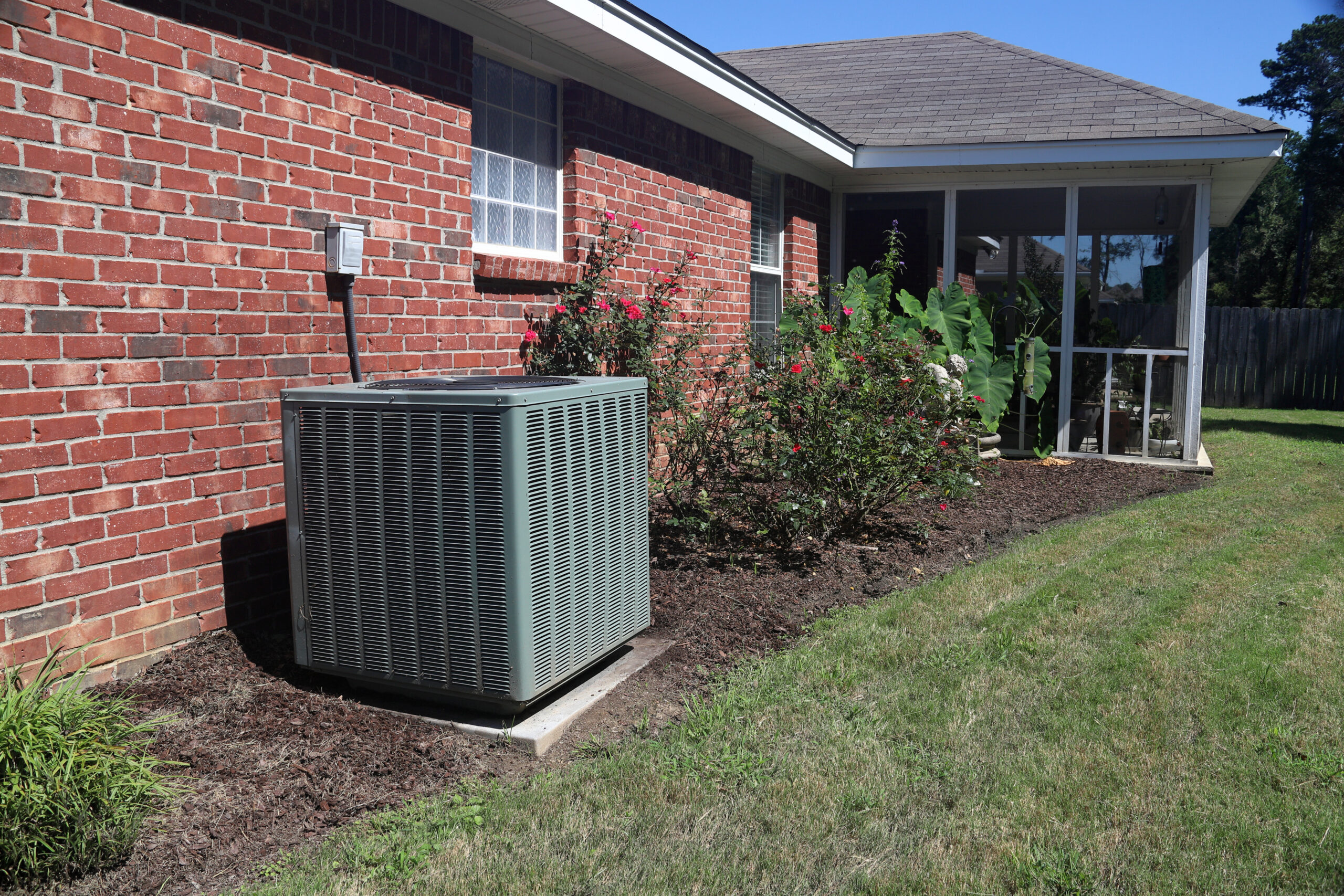
Central air conditioning is a system designed to cool an entire home from one central unit. It operates differently from portable or window air conditioners, which only cool a single room or a small zone. A central AC system typically consists of two primary components: an outdoor condenser unit and an indoor evaporator coil, usually housed within a furnace or air handler. These two units are connected by a series of refrigerant lines and ducts that distribute cool air evenly across your home.
Most central AC systems function using a split-system configuration. The outdoor condenser is responsible for releasing heat collected from inside the home to the outside air. Meanwhile, the indoor evaporator coil absorbs heat and moisture from indoor air and transfers it to the refrigerant fluid. A blower fan then circulates the cooled air through the duct system, reaching each room via air vents. The entire process is regulated by a thermostat that controls when and how hard the system works to maintain your desired temperature.
How Does Central Air Actually Work?
The science behind central AC isn’t all that complicated, though the materials and engineering certainly are. Simply put, the system removes heat and humidity from indoor air and replaces it with cooler, conditioned air. It starts when your thermostat signals the need for cooling. The compressor in the outdoor unit pressurizes the refrigerant and sends it through the coils to absorb indoor heat. That heated refrigerant then travels back outside, where the heat is released and the refrigerant cools down again to repeat the cycle.
This entire exchange is enabled by various complex components working in unison—compressor, condenser coil, evaporator coil, expansion valve, and fans. Each part must be in excellent condition for the system to function efficiently. Even a small blockage in the ductwork or refrigerant leak can cause major energy loss and performance issues. That’s why maintenance isn’t just smart—it’s vital.
Why Homeowners Prefer Central Air Systems
Central AC systems offer several advantages over other cooling methods. First, they provide consistent and even cooling throughout the home. Unlike window units, which can leave some rooms hot and others cool, a properly sized and installed central system maintains a balanced temperature across every space. This makes life far more comfortable, especially in multi-story homes that tend to have significant heat differentials between floors.
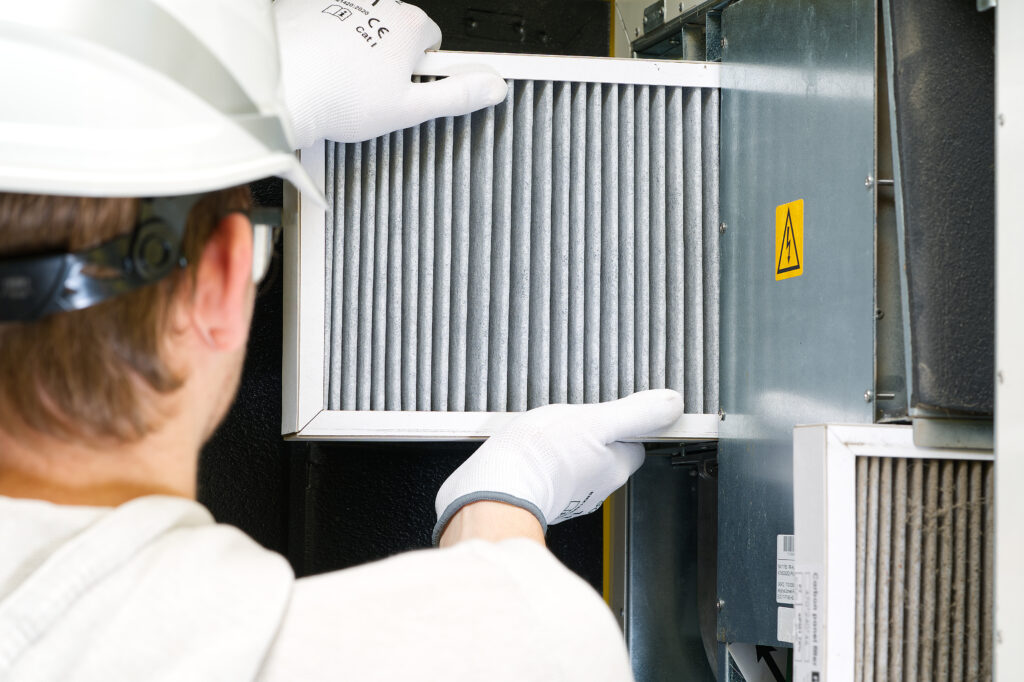
Another reason homeowners love central air is indoor air quality. Most systems are integrated with filters that remove airborne contaminants such as dust, mold spores, and pollen. Some advanced models even include UV light or ionizing features that neutralize microbes. With allergies and respiratory sensitivities on the rise, healthier air has become a priority in many households.
Lastly, central air can actually increase your home’s value. It’s regularly cited by real estate professionals as a top-tier selling point in residential properties. Buyers often view it not just as a comfort amenity but as a modern essential. A home with a well-maintained central air system may fetch a higher asking price and spend less time on the market.
Common Drawbacks and Considerations
Despite the many upsides, central AC systems do come with a few considerations. The first and most obvious is cost. Installation is not cheap, especially if your home does not already have a ductwork system in place. The expense can range widely depending on your location, system size, home design, and specific technology preferences such as zoning or smart controls.
Another drawback is energy consumption. Central air can be one of the highest energy drains in your home, especially in regions with long, hot summers. Poor insulation, outdated windows, or inefficient thermostats can all force your system to work harder than necessary, compounding energy use. While newer systems are more efficient today than ever before—thanks to federal SEER (Seasonal Energy Efficiency Ratio) regulations—not all older homes have upgraded. Choosing the right model and keeping it maintained can offset some of these issues.
Finally, central AC systems will eventually break down. Whether it’s a failing compressor or a simple clogged drain pan, mechanical systems age, wear down, and require upkeep. Unexpected repairs can be expensive and inconvenient, especially during peak usage months.
Signs Your Central AC May Need Repair or Replacement
Knowing when your central AC needs attention can prevent catastrophic failure. Keep an eye—or rather, an ear—out for unusual noises like grinding, hissing, or rattling. These may indicate refrigerant leaks or motor issues. Uneven cooling, poor airflow, and rising utility bills are also key indicators something isn’t right. It’s good practice to service your unit annually before the cooling season begins and continually monitor its performance throughout high-demand months.
If your system is more than 10 to 15 years old, it may be time to consider replacement rather than repair. Newer systems aren’t just more efficient; they’re also compatible with smart home technologies that improve energy management and monitoring. Investing in a modern setup can be a long-term cost saver.
Best Practices for Maintaining Your Central AC
Preventive maintenance is non-negotiable if you want your system to run smoothly. Changing air filters monthly during peak seasons, clearing debris from around the outdoor condenser unit, and checking for visible wear and tear along duct lines can go a long way. It’s also smart to schedule professional inspections at least once per year. A licensed technician can detect and address small issues before they become large, costly problems.
Thermostat calibration, refrigerant level checks, electrical component testing—these are not tasks most homeowners are equipped to handle. Trusting a professional ensures safety and system longevity. And when that maintenance happens on schedule, your air conditioner operates more quietly, with less strain and lower risk of emergency failure.
Why Central AC Coverage With a Home Warranty Is a Smart Move
When a central air unit breaks down, the financial impact can be steep. Compressors and evaporator coils are some of the most expensive components to replace, often costing between $1,000 and $3,000. That’s not including the labor or potential need for refrigerant recharge or secondary fixes. A home warranty can provide a vital layer of protection, covering major components of your system and offering quick repair or replacement services when needed.
With the right warranty plan, you can dramatically reduce out-of-pocket expenses. It also adds convenience. No more hunting down reliable contractors on short notice or waiting days for an available appointment. Home warranty providers typically offer access to a pre-vetted contractor network, faster response times, and support when you need it most. For any homeowner with central air, this kind of coverage isn’t just helpful—it’s practically necessary.
Protect Your Home With Armadillo
Your central air conditioning system isn’t just a luxury—it’s an essential component of comfort and livability in your home. Ensuring it stays in peak condition should be a priority, and a modern home warranty can ease the burden. At Armadillo, we offer straightforward, tech-enabled home protection plans that cover your air conditioning system—so you can enjoy peace of mind, even on the hottest days. Get started today with our easy Plan Builder and see how effortless home ownership can be when you’re protected by a team that truly gets it.