What Is a Central Air Conditioning System and Why Does It Matter?
Central air conditioning is one of those things most homeowners do not think about until it stops working on the hottest day of the year. Which, honestly, is how it goes. But understanding what your central AC system actually is and how it does its job can save you a lot of stress, a lot of money, and a few very uncomfortable nights. Central air conditioning is a whole-home cooling system that uses a network of ducts to distribute conditioned air throughout your living spaces. It is the standard setup in most American homes, and for good reason. It is effective, relatively efficient, and when it is maintained properly, it runs quietly in the background without demanding much attention at all.
How a Central AC System Actually Works
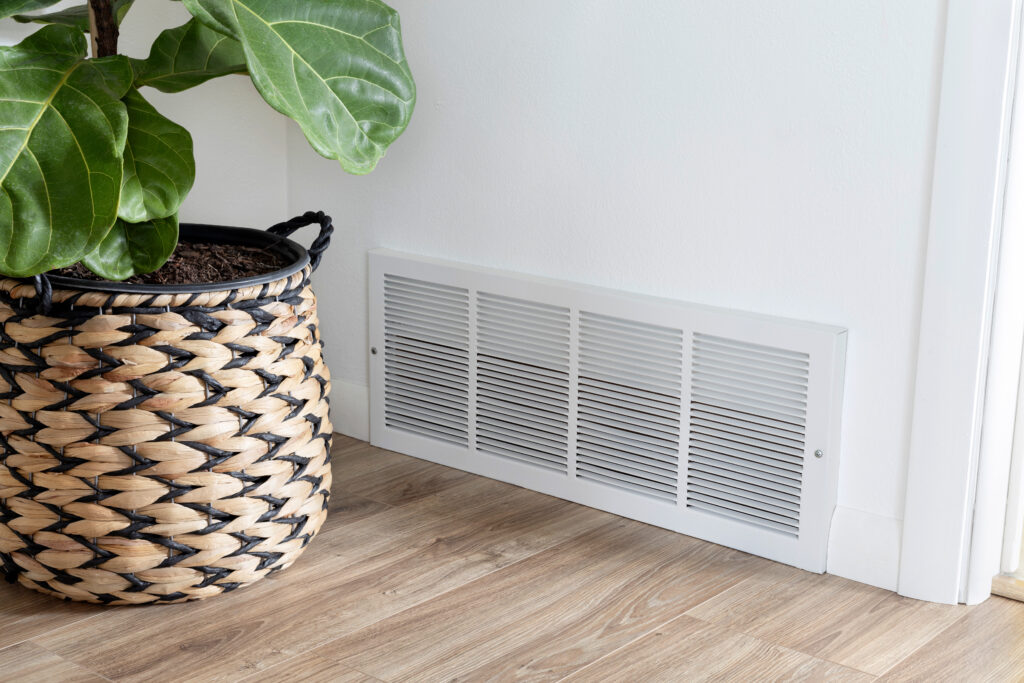
Here is the part most people skip over, but it genuinely helps to know. A central air conditioning system works through a refrigeration cycle that pulls heat out of your indoor air and releases it outside. There are two main components: an indoor unit, typically an air handler or furnace with a coil, and an outdoor unit, which is the condenser. Warm air from inside your home is pulled through return vents, passes over the cold evaporator coil inside, and the refrigerant inside that coil absorbs the heat. The cooled air is then pushed through your duct system and out through supply vents into each room. Meanwhile, the outdoor unit expels that absorbed heat outside. It is a continuous loop, and the whole thing is regulated by your thermostat. That is really it. Simple in concept, a little more complex in execution.
The Key Components You Should Know About
Central AC systems are made up of several parts that all have to function together. Knowing what they are makes troubleshooting and maintenance conversations much less confusing.
- Compressor: Located in the outdoor unit, it pressurizes the refrigerant and keeps the cycle moving.
- Condenser Coil: Also outside, it releases heat from the refrigerant into the outdoor air.
- Evaporator Coil: Located inside, it absorbs heat from your indoor air.
- Air Handler or Furnace: Circulates the air over the evaporator coil and through the ducts.
- Thermostat: The control hub that tells the system when to run and when to stop.
- Ductwork: The delivery network that moves cooled air to every room.
- Air Filter: Captures dust and debris before air reaches the coil, protecting the system and your air quality.

The Real Advantages of Central Air Conditioning
Central AC has earned its place as the go-to cooling solution for a reason. First, it cools your entire home evenly, which window units and portable systems simply cannot replicate at scale. Second, it filters and dehumidifies the air as it runs, which makes a noticeable difference in comfort, especially in humid climates. Third, modern central AC systems are significantly more energy efficient than older models, with SEER ratings that have improved dramatically over the past decade. There is also the convenience factor. One thermostat, one system, consistent comfort throughout every room. And from a home value perspective, central air conditioning is widely considered a standard feature by buyers, so having a well-maintained system is a genuine asset.
Common Drawbacks Worth Knowing Before You Commit
No system is without its trade-offs, and central AC is no exception. The upfront cost of installation can be significant, particularly if your home does not already have ductwork in place. Retrofitting ducts into an older home can add thousands of dollars to the project. The system also requires regular maintenance to run efficiently, and skipping those annual tune-ups tends to catch up with homeowners in the form of higher energy bills and unexpected repairs. Duct leaks are another common issue. Conditioned air escaping into unconditioned spaces like attics or crawl spaces is wasted energy, and it is more common than most people realize. Central AC also does not allow for zone-by-zone temperature control without additional equipment, which can be a frustration in larger homes where preferences vary room to room.
How to Maintain Your Central AC System the Right Way
Maintenance is where most homeowners either protect their investment or inadvertently shorten it. The basics are not complicated. Change your air filter every one to three months depending on your home and filter type. Keep the area around your outdoor condenser unit clear of debris, plants, and obstructions. Schedule a professional tune-up once a year, ideally in the spring before the cooling season begins. That annual visit should include checking refrigerant levels, cleaning coils, inspecting electrical connections, testing the thermostat, and clearing the condensate drain line. That last one is easy to overlook, but a clogged condensate drain can cause water damage and trigger the system to shut down automatically. Small habits make a real difference over the life of a system.
Signs Your Central AC System Needs Attention
Even well-maintained systems eventually signal that something is off. Knowing what to watch for means you can act before a minor issue becomes a major repair.
- Warm air blowing from vents when the system is set to cool
- Weak airflow throughout the home
- Unusual sounds like grinding, banging, or persistent clicking
- Moisture or ice buildup around the indoor unit
- Noticeably higher energy bills without a change in usage
- Frequent cycling on and off in short intervals
- Uneven temperatures from room to room
When to Repair Versus When to Replace
This is the question every homeowner eventually faces. The general industry guidance is the ten-year rule combined with cost assessment. If your system is more than ten to fifteen years old and a repair would cost more than half the price of a new unit, replacement usually makes more financial sense. Newer systems are significantly more efficient, which means lower monthly energy costs that help offset the upfront investment over time. That said, if the system is younger and the repair is isolated, fixing it is typically the smarter short-term move. Getting a second opinion from a licensed HVAC technician before committing to either path is always a reasonable step.
Why Home Warranty Coverage Makes Sense for Central AC Systems
A central air conditioning system is one of the most expensive components in your home, and it is also one of the most likely to need a significant repair at some point. That combination is exactly why HVAC coverage is one of the most valuable features a home warranty can offer. If your compressor fails in July, you are looking at a repair bill that can reach well into the thousands. That kind of unexpected expense is precisely what trusted home warranty protection for central air conditioning systems is designed to absorb. Armadillo offers straightforward, honest coverage that does not bury the important details in confusing language. When your AC goes down, the last thing you need is a claims process that makes everything harder. With Armadillo, you get clear coverage, qualified technicians, and a process that actually works. If you want to see what protecting your central AC system looks like in real terms, you can get a free home warranty quote for your HVAC system today and find out exactly what your home qualifies for.

Frequently Asked Questions About Central Air Conditioning Systems
Here are straightforward answers to the questions homeowners ask most often about central AC.
How long does a central air conditioning system typically last?
Most central AC systems last between 15 and 20 years with proper maintenance. Systems in hotter climates or those that run frequently may have a shorter lifespan closer to 12 to 15 years.
How often should I have my central AC serviced?
Once per year is the standard recommendation. Spring is the ideal time to schedule a professional tune-up before the peak cooling season begins.
What does SEER rating mean for a central AC system?
SEER stands for Seasonal Energy Efficiency Ratio. It measures how efficiently a system cools over a season. Higher SEER ratings indicate greater energy efficiency and lower operating costs.
Why is my central AC running but not cooling the house?
This is commonly caused by a dirty air filter, low refrigerant levels, a frozen evaporator coil, or a failing compressor. A licensed HVAC technician can diagnose the exact cause.
Can a central AC system also heat my home?
A standard central AC system only cools. However, a heat pump system uses similar technology and can provide both heating and cooling through the same equipment.
How much does it cost to replace a central air conditioning system?
Replacement costs vary widely based on system size, efficiency rating, and whether ductwork needs modification. Most homeowners spend between $5,000 and $12,000 for a full system replacement.
Does a home warranty cover central air conditioning repairs?
Many home warranty plans include coverage for central AC systems, covering components like the compressor, evaporator coil, and electrical parts. Coverage terms vary by provider, so reviewing the specifics of your plan matters.
What causes a central AC system to freeze up?
Frozen coils are typically caused by restricted airflow from a dirty filter, low refrigerant, or blocked vents. Turning off the system and allowing it to thaw before addressing the root cause is the right first step.
Is it normal for my central AC to run all day in hot weather?
During extreme heat, extended run cycles are normal. However, if the system runs continuously without reaching the set temperature, there may be an efficiency issue, a refrigerant problem, or sizing mismatch that warrants professional evaluation.
What is the difference between an air handler and a furnace in a central AC system?
Both serve as the indoor air-moving component. A furnace uses fuel combustion for heating and works with a cooling coil for AC. An air handler is typically used with a heat pump and does not burn fuel. Both circulate air through the duct system.