
The Value of Central Air Conditioning in Southern Homes and Why Protection Matters
In the southern United States, where heat and humidity often define everyday life, central air conditioning is not just a luxury—it’s a necessity. From the colonial charm of Charleston to the spread-out ranch-style homes across Texas, the architecture of the region often demands centralized climate control. But understanding central air conditioning systems goes beyond knowing they keep you cool. For homeowners, recognizing how these systems work, where they can fail, and how to make smart choices about protecting them is essential. Whether you’re settling into a Georgian-style home or updating a mid-century bungalow, this guide offers a comprehensive, homeowner-first breakdown of central air systems, with insights grounded in the realities of the home warranty industry.
What Is Central Air Conditioning and How Does It Work?
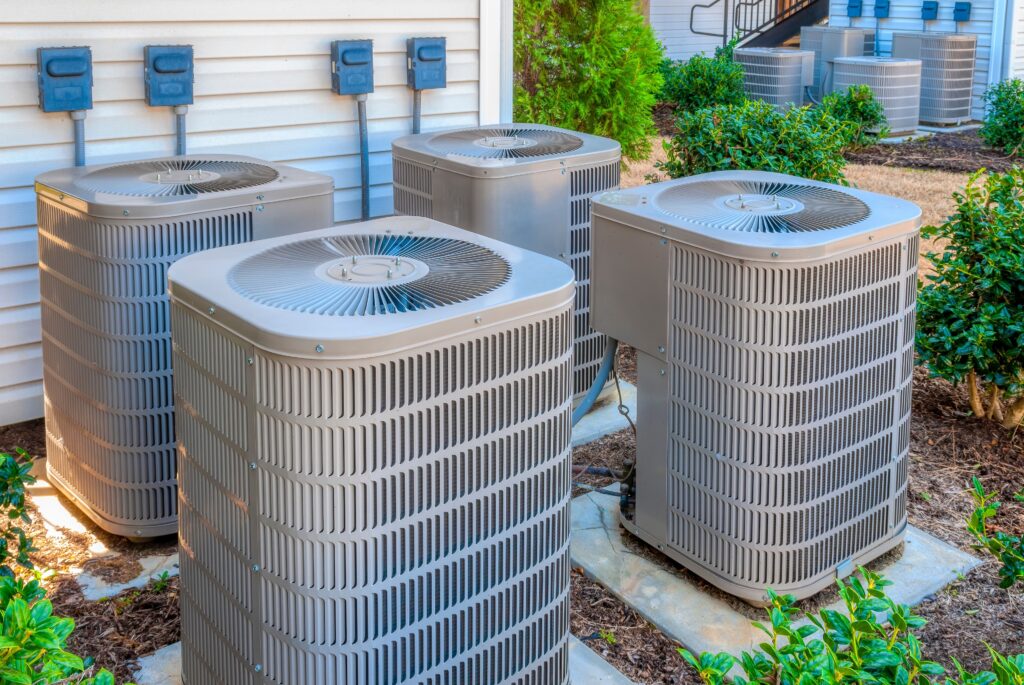
Central air conditioning is an integrated system designed to cool an entire home from a single, central unit. It operates through a closed-loop refrigeration cycle that draws warm air from your rooms, cools it through an evaporator coil, and then redistributes the cooled air via ductwork. Each component—the condenser, evaporator, compressor, and air handler—works in tandem to regulate temperature and humidity with precision. This system is typically installed as part of the home’s HVAC (Heating, Ventilation, and Air Conditioning) infrastructure, especially in southern homes built or remodeled in the last few decades. Its strength lies in its ability to maintain uniform temperatures and improve indoor air quality, a must in muggy southern climates.
Why Central Air Is Especially Critical in Southern Architecture
Homes in the South face a very different challenge than homes up north. With average summer temperatures often reaching the upper 90s, combined with high humidity, proper cooling is more than comfort—it’s preservation. Many southern homes, particularly the Greek Revival or Antebellum styles, feature high ceilings and expansive floor plans meant to encourage natural airflow. But these features also mean larger spaces to cool. Central air meets this architectural demand without disrupting the historic or stylistic integrity of southern homes, easily integrating into attic or crawlspace ductwork with minimal visual impact. The system doesn’t just fight the heat—it supports the structural longevity of homes by controlling moisture that can lead to mold or wood deformation.
Key Advantages of Central Air Conditioning for Homeowners
First, there’s consistency. Unlike window units or portable systems, central air maintains even temperatures across multiple rooms simultaneously. It also operates more quietly and unobtrusively. Second, central air systems often include filtration that can capture dust, pollen, and other allergens common in southern regions, including ragweed and grass pollens at their peak in spring and early fall. Finally, modern central air systems can be married to smart thermostats and zoning technology, allowing homeowners even more control and energy efficiency—adjusting settings by room based on time of day, occupancy, or preferences. In short, your comfort can be both intelligent and stylishly integrated.
Common Drawbacks and Repair Concerns
Of course, no system is perfect. Central air can be expensive to install, particularly in older homes that weren’t initially designed with ductwork in mind. Energy bills can also surge during peak summer months if units aren’t properly maintained. Perhaps most significantly, repairs to central air systems can be complex and costly. A failing compressor or refrigerant leak isn’t often a weekend DIY fix—it usually requires skilled labor and specialized parts. That’s where a home warranty that includes coverage for systems like air conditioning becomes crucial. With unpredictable weather and sometimes inconsistent electricity infrastructure in rural southern areas, protection against sudden breakdowns isn’t optional—it’s strategic.
Maintaining Performance Through Seasonal Upkeep
To make a central air system last, homeowners must invest time in scheduled maintenance. Spring tune-ups by licensed HVAC specialists can identify refrigerant leaks or electrical issues before the system is put into high demand. Changing filters monthly during peak usage months and clearing the area around the outdoor condenser unit can greatly influence efficiency and longevity. And don’t forget duct cleaning—dust and pest buildup in southern crawlspaces and attics can negatively affect air quality and system output. Staying on top of these small tasks can help prevent the kind of major breakdowns that ruin both weekends and budgets.
What to Look for When Buying or Upgrading a Central Air System
If you’re building or renovating, understanding the SEER (Seasonal Energy Efficiency Ratio) rating is key. The minimum rating is set at 14 in most southern states, but systems rated 16 or higher offer long-term energy savings. Matching unit size with home square footage is also critical; an oversized unit will short-cycle and wear out faster, while an undersized one will overwork and fail to adequately cool the home. And always seek a licensed contractor with verifiable experience in your region—they’ll understand not just installation best practices, but also how southern weather patterns influence system performance over time.
Why a Home Warranty With Armadillo Is a Smart Move
For homeowners in the South, where climate conditions place constant demands on cooling systems, partnering with a provider like Armadillo provides peace of mind. Armadillo Home Warranty plans specialize in precise, system-specific protection tailored to the challenges your central air system faces. Whether it’s compressor failure in mid-July or a fried control board during spring’s first heat wave, repairs that might usually cost upward of $2,000 can be covered under a customized plan. It’s not just about fixing things when they break—it’s about not having to pause your life (or refinance parts of it) to stay cool and comfortable. Start protecting your central air today with a quick, transparent sign-up process at this link. Your home—and your budget—will be glad you did.