Central Heating Maintenance: What Every Homeowner Needs to Know
Your central heating system is one of those things you probably never think about until something goes wrong. And honestly, that is completely understandable. It hums along in the background, keeping your home warm through the coldest months of the year, and most of the time it just works. But here is the thing — central heating systems require consistent maintenance to stay efficient, reliable, and safe. Skipping that maintenance is one of the more common and more costly mistakes homeowners make. This guide is here to change that. Whether you have a gas furnace, a heat pump, or a boiler, understanding how your central heating system works and how to take care of it can save you real money and a lot of headaches.
How Central Heating Systems Actually Work
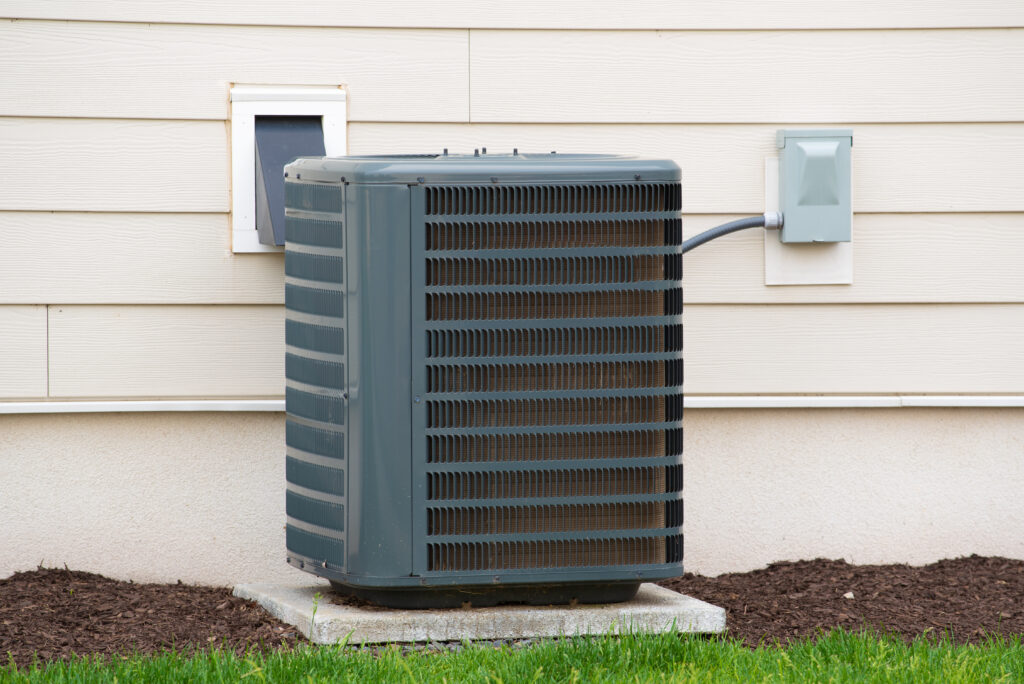
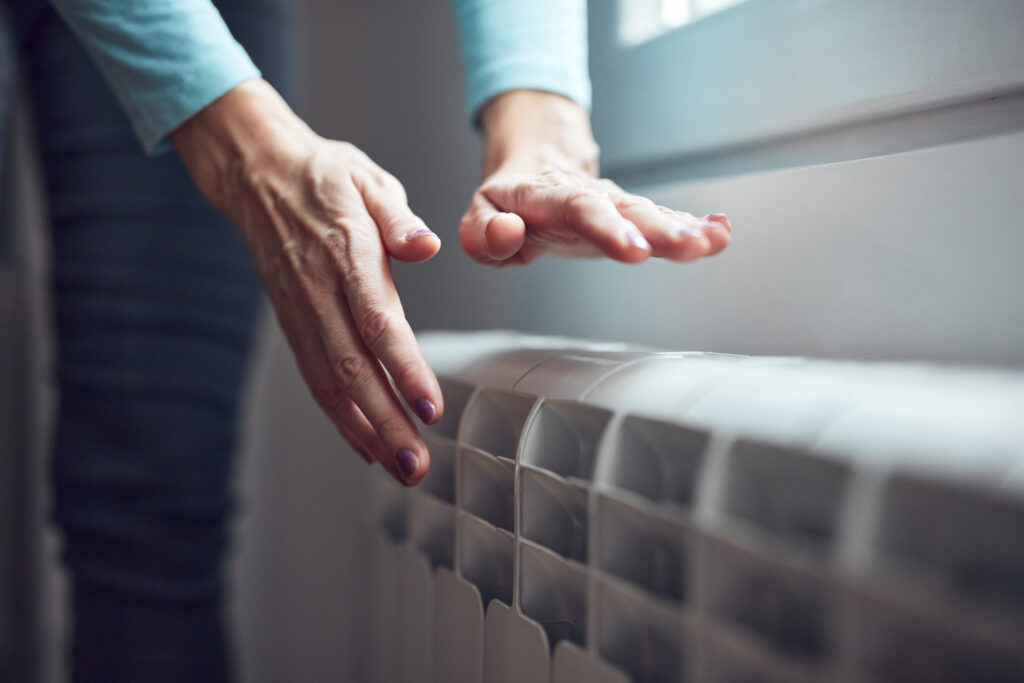
Central heating is a fairly straightforward concept at its core. A heat source — typically a furnace, boiler, or heat pump — generates warmth, which is then distributed throughout your home via a network of ducts, pipes, or radiant panels. In forced-air systems, which are by far the most common in American homes, a furnace heats air and a blower pushes that air through a system of ducts and out through vents in each room. Boiler-based systems work a bit differently — they heat water and circulate it through radiators or radiant floor tubing. Heat pumps are increasingly popular because they move heat rather than generate it, making them more energy-efficient in moderate climates. Each system has its own quirks and maintenance demands, but they all share one thing in common: they need regular attention to perform at their best.
The Key Components That Need Regular Attention
Knowing your system means knowing its parts. Most central heating systems share a handful of critical components that are the usual suspects when something starts to go wrong.
- Air filters — These trap dust, debris, and allergens before they enter the system. A clogged filter forces your system to work harder, driving up energy bills and accelerating wear.
- The heat exchanger — In furnaces, this is the component that separates combustion gases from circulated air. Cracks here can be a serious safety hazard.
- The blower motor — Responsible for pushing heated air through your ductwork. If it fails, you get heat with nowhere to go.
- The thermostat — Your system’s brain. A faulty thermostat leads to erratic temperatures, short cycling, and wasted energy.
- Ductwork — Leaky or obstructed ducts mean your system is working overtime to heat spaces that may not even need it.
- The flue or exhaust system — Critical for safely venting combustion gases out of the home. Blockages here are a carbon monoxide risk.
Why Central Heating Maintenance Is Non-Negotiable
There is a version of this where maintenance feels optional — a nice-to-have rather than a necessity. That version of events tends to end with an emergency repair bill in January. Regular maintenance keeps your system running at peak efficiency, which translates directly into lower monthly energy costs. It also extends the lifespan of expensive equipment. A well-maintained furnace can last 15 to 20 years. One that gets ignored tends to bow out much earlier. Beyond the financial case, there is a safety argument that is even more compelling. Cracked heat exchangers, blocked flues, and failing ignition systems are not just inconvenient — they can be genuinely dangerous. Annual inspections catch these issues before they escalate.
A Practical Central Heating Maintenance Checklist
Most homeowners can handle a portion of central heating maintenance on their own without any special training. The rest should be left to a licensed HVAC technician. Here is a reasonable breakdown of what to do and when.
- Replace or inspect air filters every 1 to 3 months, depending on filter type and household conditions.
- Check and clean vents and registers to ensure they are not blocked by furniture or debris.
- Test your thermostat at the start of each heating season to confirm it is reading and responding accurately.
- Inspect visible ductwork for gaps, disconnected sections, or obvious damage.
- Schedule a professional HVAC tune-up once a year, ideally in early fall before the system is under heavy demand.
- Test your carbon monoxide detectors and replace batteries as needed — this is directly tied to heating system safety.

What a Professional HVAC Inspection Actually Covers
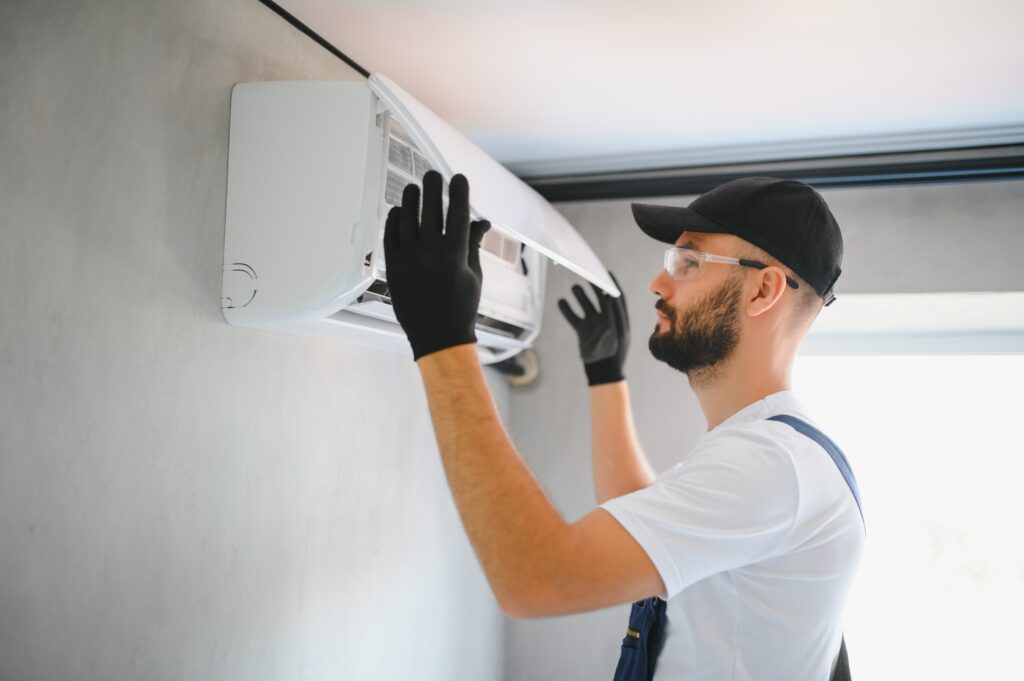
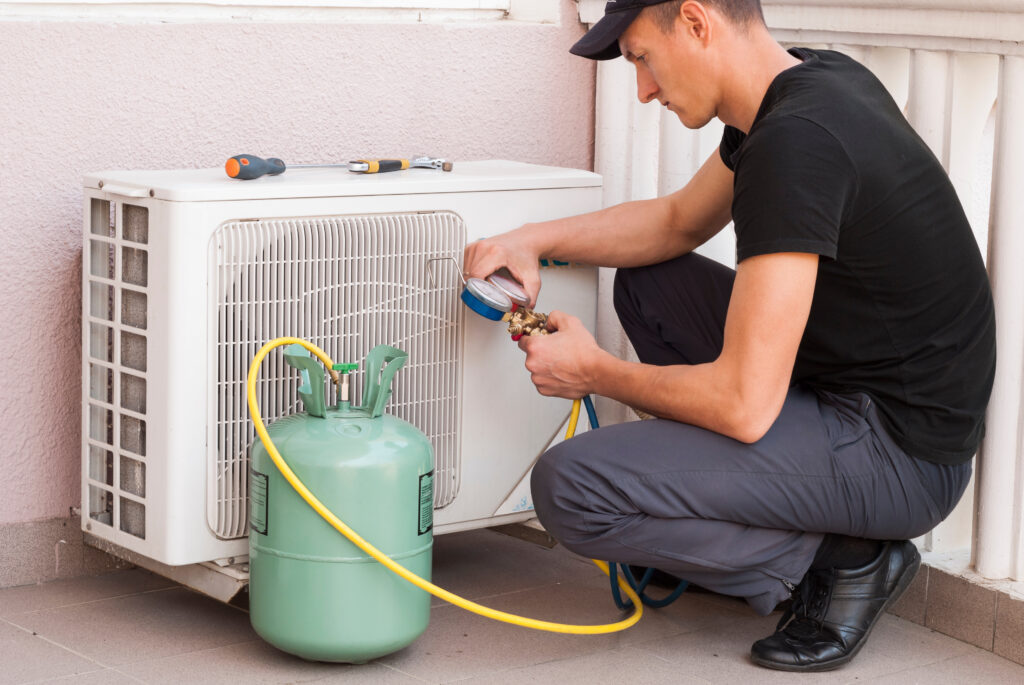
A lot of homeowners are not sure what they are paying for when they schedule a professional heating system inspection. A thorough tune-up from a qualified technician should include a combustion analysis to verify the burner is operating safely and efficiently, an inspection of the heat exchanger for cracks or corrosion, lubrication of moving parts in the blower assembly, a check of electrical connections and controls, a flue inspection to confirm proper draft and venting, and a review of refrigerant levels if you have a heat pump. The technician should also walk you through any findings and flag anything that warrants closer attention. If they are not doing most of this, it might be worth asking why — or finding a different provider.
Common Central Heating Problems and What They Signal
Even well-maintained systems develop problems over time. Knowing what certain symptoms indicate can help you respond quickly and avoid compounding damage. Unusual noises — banging, squealing, or rattling — often point to mechanical issues with the blower or motor. A system that cycles on and off too frequently may be short-cycling due to a dirty filter, thermostat issues, or an oversized unit. Uneven heating across rooms can suggest duct leaks, blocked vents, or airflow imbalances. A spike in your energy bill without an obvious explanation is frequently a sign that your system is working harder than it should, which often means something is restricting airflow or a component is beginning to fail. None of these symptoms are emergencies on their own, but they all warrant prompt attention.
The Advantages of Staying Ahead of Heating System Maintenance
There is a compounding benefit to consistent maintenance that tends to get overlooked. It is not just about preventing the next breakdown — it is about building a track record for your system. When you stay on top of annual tune-ups and keep records of what has been serviced, inspected, and replaced, you have a much clearer picture of your system’s overall health. That matters when you are trying to decide whether to repair or replace a component, and it matters if you ever sell your home. A documented maintenance history is a legitimate selling point. Buyers and home inspectors take note of it. And beyond all of that, a heating system that runs efficiently is simply better for the environment — lower fuel consumption means a smaller carbon footprint, which is increasingly relevant to homeowners today.
Common Drawbacks and Limitations Worth Knowing
Central heating systems are effective and widely relied upon, but they are not without their drawbacks. Forced-air systems in particular can circulate dust, allergens, and dry air throughout the home if filters are not maintained properly. Ductwork is expensive to repair or replace, and leaks can go undetected for years while silently driving up energy costs. Older systems may struggle to distribute heat evenly, leaving some rooms too warm and others noticeably cool. Fuel costs — whether natural gas, oil, or electricity — remain a significant and variable expense for homeowners. And no matter how diligently you maintain a central heating system, components will eventually wear out. Motors fail, heat exchangers crack, and ignition systems degrade. That is the natural lifecycle of mechanical equipment, and it is worth planning for financially.
How Armadillo Helps Protect Your Central Heating Investment
When your central heating system breaks down in the middle of February, the last thing you want is sticker shock on top of an already stressful situation. That is exactly the kind of scenario a home warranty is designed to address, and it is where Armadillo’s central heating system coverage plans make a genuine difference for homeowners. Armadillo provides straightforward, honest home warranty protection that covers the critical components of your heating system — so when something fails, you are not left scrambling to find a technician or covering the full cost of repair out of pocket. If you want to understand exactly what your home is exposed to and find coverage that actually makes sense for your situation, take two minutes to get a personalized home warranty quote for your heating system and see what protection looks like for your specific home. Armadillo keeps things simple, transparent, and built around what homeowners actually need — not what sounds good in fine print.

Frequently Asked Questions About Central Heating Maintenance
The most common questions homeowners have about central heating maintenance, answered directly.
How often should a central heating system be serviced?
Once a year is the standard recommendation. Scheduling a professional tune-up in early fall — before the heating season begins — ensures your system is inspected and ready before it is under full demand.
How often should I change my furnace filter?
Most standard 1-inch filters should be replaced every 30 to 90 days. Thicker media filters can last up to 6 months. Check your filter monthly and replace it when it appears visibly dirty or clogged.
What are the signs that my central heating system needs repair?
Common warning signs include unusual noises during operation, inconsistent temperatures between rooms, frequent on-and-off cycling, higher-than-usual energy bills, and visible signs of soot or corrosion near the unit.
Can I perform central heating maintenance myself?
Homeowners can safely handle filter changes, vent cleaning, and thermostat checks. However, anything involving the heat exchanger, gas lines, electrical components, or flue system should be performed by a licensed HVAC technician.
How long does a central heating system typically last?
A well-maintained gas furnace typically lasts 15 to 20 years. Heat pumps average 10 to 15 years. Boilers can last 20 to 30 years with proper care. Neglecting maintenance significantly shortens these timelines.
What causes a furnace to short-cycle?
Short cycling — where the furnace turns on and off rapidly without completing a full heating cycle — is commonly caused by a clogged air filter, an overheating system, a faulty thermostat, or a unit that is improperly sized for the home.
Is a cracked heat exchanger dangerous?
Yes. A cracked heat exchanger can allow combustion gases, including carbon monoxide, to enter the home’s air supply. This is a serious safety hazard. If a technician identifies a cracked heat exchanger, the system should be shut down until it is repaired or replaced.
Does a home warranty cover central heating systems?
Many home warranty plans include coverage for central heating system components, such as the furnace, heat pump, or boiler. Coverage details vary by provider and plan, so it is important to review what is specifically included before purchasing.
What is the most energy-efficient type of central heating system?
Heat pumps are generally the most energy-efficient option because they transfer heat rather than generate it. High-efficiency gas furnaces with AFUE ratings of 90 percent or above are also a strong choice in colder climates where heat pumps may struggle.
What should I do if my central heating system stops working completely?
Start by checking your thermostat settings, your circuit breaker, and your filter. If those are all in order and the system still will not run, contact a licensed HVAC technician. If you have a home warranty, contact your provider first — they can coordinate service and help manage repair costs.