Why Your Chest Freezer Isn’t Freezing — And What You Can Do About It
Chest freezers are a staple in many homes for good reason: they offer additional storage for frozen foods, help cut down on waste, and provide convenience for large households or meal preppers. But when a chest freezer stops freezing, it’s more than an inconvenience — it’s a ticking clock. Spoiled food, safety concerns, and unexpected repair costs come quickly into play. Understanding why your chest freezer may not be freezing properly is the first step in resolving the issue before it escalates. Whether you’re a new homeowner or someone who has relied on these appliances for years, this guide gives you the clarity you need to make confident decisions around repair, replacement, or prevention.
What Is a Chest Freezer and How Does It Work?
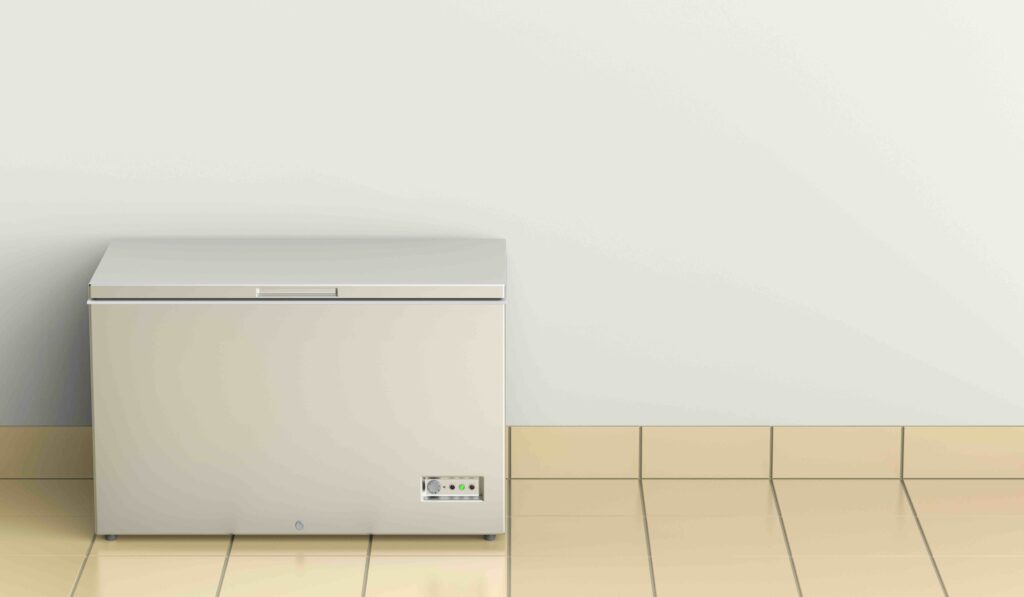
Unlike upright freezers, chest freezers open from the top and resemble horizontal storage bins. Their design supports stable, low temperatures with minimal air circulation disruption when opened. A chest freezer operates by using a refrigeration cycle involving a compressor, condenser coils, an evaporator, and a refrigerant — all working together to remove heat from the interior and keep your food preserved. When working correctly, the unit maintains temperatures below 0°F, ideal for long-term storage of meats, produce, pre-cooked meals, and bulk frozen goods.
Common Causes When a Chest Freezer Stops Freezing
When your chest freezer suddenly stops freezing, the issue can stem from a range of mechanical or environmental causes. In some cases, the problem may be deceptively simple. For instance, if the thermostat is set too high or inadvertently changed, the system won’t generate enough cold. Another frequent issue involves the compressor — if it fails or works inefficiently, cooling becomes inconsistent or nonexistent.
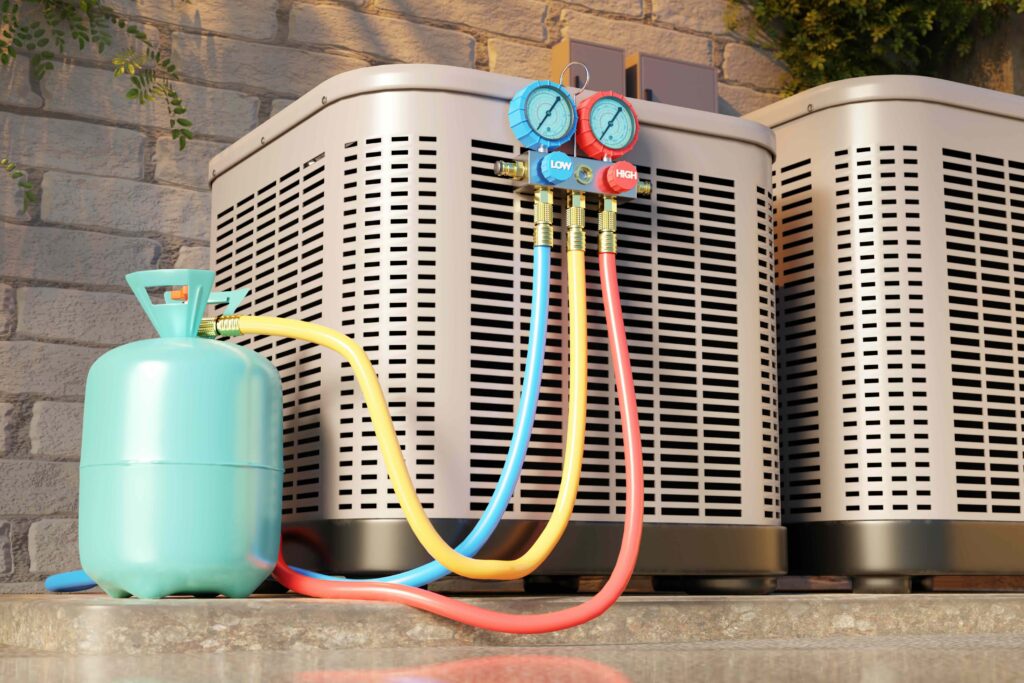
Dust-clogged condenser coils can also obstruct effective heat dissipation, forcing the unit to work harder and ultimately leading to premature wear or inadequate freezing. Sometimes, the evaporator fan may be damaged or blocked, restricting the cold air flow needed to maintain low internal temperatures. In older models, refrigerant leaks may develop, which disrupt the entire cooling cycle. Lastly, power problems — a tripped breaker, damaged cord, or poor grounding — can momentarily or permanently impact performance.
Why Electrical Grounding Matters in a Chest Freezer
Electrical grounding isn’t just a recommendation — it’s an essential safety and performance component of any major appliance, especially with high-energy equipment like a chest freezer. Grounding allows excess electricity to safely travel to the earth, preventing electrical overloads, surges, or fire hazards. A poorly grounded freezer can suffer intermittent failures that affect performance inconsistently, such as a compressor that shuts off unexpectedly or a fan that fails to regulate airflow. This leads to temperature spikes, thus compromising food preservation.
Homeowners often overlook grounding unless an issue arises. However, verification is simple with a multimeter and, in many cases, can be quickly corrected via a licensed electrician. If your chest freezer has never worked properly or has had persistent issues, checking grounding may help unlock the deeper mechanical issues preventing it from maintaining required freezing temperatures.
Repair or Replace? Making the Right Call
Once you’ve identified that your chest freezer is not freezing — and ruled out basic issues like thermostat misplacement or blocked air vents — the next question becomes cost versus value. How much should a repair cost? Is a replacement more efficient long-term?
For freezers that are under five years old, a single component failure — like a start relay or fan — can often be repaired cost-effectively. However, if the issue lies in the sealed system (compressor, condenser, or refrigerant lines), the repair usually exceeds 50 percent of the unit’s original value. In those cases, you’re better off investing in a new, energy-efficient model. Be mindful that newer units tend to bring higher ratings in energy savings along with better support for external conditions like garage placement or high humidity environments.
Key Advantages of a Chest Freezer
Despite occasional maintenance challenges, chest freezers remain a wise investment. They’re generally more energy efficient than upright models due to their design. The airtight seal minimizes temperature fluctuations, and the internal layout allows for deep, consistent cooling that extends the shelf life of food. Chest freezers also tend to be more durable, with fewer moving parts or self-defrosting cycles that can introduce wear over time.
For households with significant food storage demands, the minimalist design ensures greater capacity without sacrificing floor space. And in the event of a power outage, chest freezers maintain their temperature longer than uprights, offering a protective buffer against food spoilage.
Common Drawbacks and What to Expect
Of course, no appliance is without flaws. A few of the more notable drawbacks of a chest freezer include limited organizational structure — it’s often difficult to reach items buried beneath a frozen pile. Manual defrosting, while rare for other appliances today, remains standard for chest freezers, making routine maintenance more hands-on. And then there’s placement: these units need ventilation space and perform best in cooler environments, which limits where they can be installed within a home.
There’s also the issue of reliability over time. Even well-maintained units can lose efficiency as insulation breaks down, vapor barriers weaken, or older electrical components begin to degrade under peak load. These performance declines can seem gradual until one day, the unit stops freezing entirely.
Preventative Tips to Maximize Lifespan
Keeping a chest freezer functional isn’t overly complex, but it does require routine attention. Always ensure proper airflow by spacing the unit several inches away from walls or other obstructions. Clean the condenser coils every six months, especially if your unit is stored in a dusty or garage environment. Monitor the internal temperature (ideally with an appliance-safe thermometer) to catch subtle drops in performance before they become severe.
Check seals annually for any signs of warping or air leaks — a dollar bill test along the edge when the door is closed can help identify problem spots. For units older than five years, consider having a technician conduct a full diagnostic at least once to preempt any major failures. Most importantly, keep the unit on a grounded outlet and avoid using extension cords or multi-socket adapters that could compromise electrical integrity.
Protect Your Chest Freezer — and Your Wallet — with Armadillo
A chest freezer isn’t just another appliance; it’s a safeguard for your family’s food and budget. When it stops freezing, the unexpected costs and stress add up fast. With Armadillo, you can protect your home systems and appliances with a comprehensive home warranty plan tailored to your lifestyle. Our plans make sure covered repairs and replacements are handled quickly, professionally, and without surprise costs. Whether it’s a failing compressor or a faulty electrical connection, we’ve got your back. Learn more about how Armadillo can defend your home at armadillo.one, and start customizing your warranty coverage with our easy-to-use plan builder at our signup page.