When Your Chest Freezer Stops Freezing: What Every Homeowner Needs to Know
You open the lid expecting a wall of cold air and instead get — nothing. The food inside feels soft, the ice cream has gone to soup, and suddenly a chest freezer that was supposed to be one of the most reliable appliances in your home has become a very expensive cooler. It happens more often than people expect, and the reasons behind it range from something you can fix in five minutes to something that requires a professional repair. Understanding how a chest freezer actually works, why it fails, and what your options are when it does — that is the kind of knowledge that saves you money and headaches in equal measure.
How a Chest Freezer Actually Works
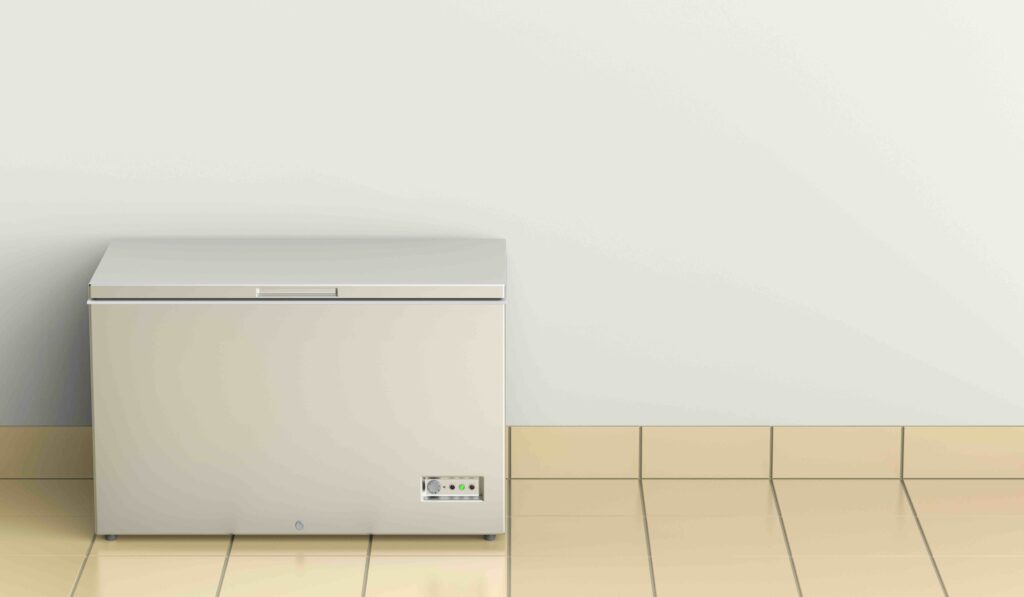
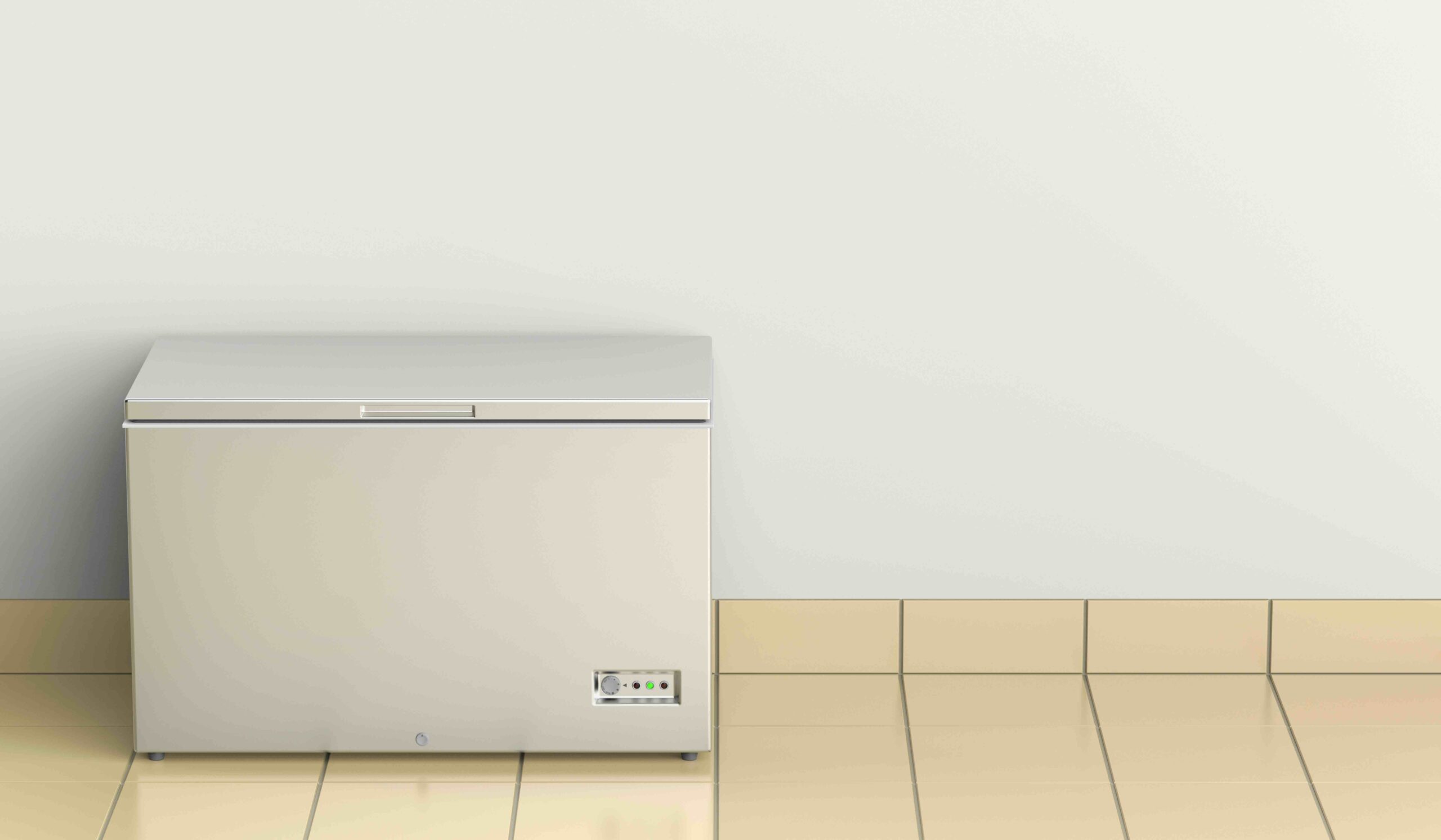
A chest freezer operates on the same fundamental refrigeration cycle as every other cooling appliance in your home. A refrigerant fluid circulates through a closed loop system, moving heat from inside the freezer cabinet to the outside environment. The compressor pressurizes the refrigerant, which causes it to release heat as it passes through the condenser coils. It then expands through the evaporator coils inside the freezer, absorbing heat from the interior and keeping temperatures well below freezing — typically between zero and ten degrees Fahrenheit. What makes a chest freezer distinct from an upright model is its horizontal orientation and top-opening design, which naturally retains cold air better because cold air is denser and sinks. This design also means fewer moving parts, simpler internal mechanics, and historically, longer appliance lifespans. When the system breaks down, it is almost always one of a handful of components that has failed.
Common Reasons a Chest Freezer Stops Freezing
When a chest freezer is running but not maintaining temperature, the cause is usually traced back to one of several core issues. Knowing what to look for can help you determine whether this is a DIY situation or a job for a qualified technician.
- Dirty or blocked condenser coils that prevent heat from dissipating properly
- A faulty or failing compressor that can no longer pressurize the refrigerant
- Low refrigerant levels due to a leak in the sealed system
- A defective start relay, which prevents the compressor from engaging
- A damaged or worn door gasket allowing warm air to infiltrate the cabinet
- A failed thermostat or temperature control board giving incorrect readings
- Overloading the freezer or placing it in an environment that is too warm
Some of these issues are inexpensive and relatively straightforward to address. Others — particularly sealed system repairs involving refrigerant — require EPA-certified technicians and can cost as much as replacing the unit outright. Knowing which category your problem falls into is step one.
Signs Your Chest Freezer Is Failing Before It Fully Gives Out
Appliances rarely fail without warning. A chest freezer will often give you signals that something is wrong weeks before it completely stops freezing. The compressor may start cycling more frequently or running longer than usual. You might notice frost building up unevenly on the interior walls, or condensation forming on the outside of the unit. The motor may sound louder than normal, or you might detect a faint burning smell near the back of the appliance. Food that used to stay frozen for months may develop freezer burn faster than expected, which suggests inconsistent temperature regulation. Catching these warning signs early gives you time to schedule a diagnostic visit before the situation escalates into a full appliance failure and potential food loss.

DIY Troubleshooting Steps Worth Trying First
Before calling a repair technician, there are a few things worth checking on your own. Start by verifying the power supply — confirm the unit is plugged in securely and the outlet is functioning. Check the thermostat setting to make sure it has not been accidentally adjusted. Pull the freezer away from the wall and clean the condenser coils with a vacuum or coil brush, as dust accumulation is one of the most overlooked maintenance failures. Inspect the lid gasket by closing the lid on a piece of paper and trying to pull it out. If it slides out with little resistance, the seal has deteriorated and needs replacing. Also check the start relay by shaking it near your ear — a rattling sound typically means it has failed and needs to be swapped out, which is a low-cost repair most homeowners can manage themselves.
When to Call a Professional Repair Technician
Some chest freezer repairs are clearly outside the scope of a DIY fix. If the compressor is not starting at all, if you suspect a refrigerant leak, or if the control board appears to have failed, these are situations that require a licensed appliance repair technician. Refrigerant handling is federally regulated, and working inside a sealed refrigeration system without the proper certification and equipment is not a realistic option for most homeowners. A qualified technician will perform a diagnostic assessment, measure refrigerant levels, test electrical components, and give you an honest cost-versus-replacement analysis. In many cases, if the repair estimate exceeds fifty to sixty percent of the replacement cost of the unit, replacement is the more financially sound decision.
The True Cost of a Chest Freezer Repair
Repair costs for a chest freezer that is not freezing vary widely depending on the root cause. A start relay replacement might cost thirty to fifty dollars in parts and minimal labor. A thermostat or temperature control board replacement typically runs between one hundred and two hundred fifty dollars. A compressor replacement, which is one of the more serious repairs, can range from three hundred to six hundred dollars once parts and labor are factored in. Sealed system repairs involving refrigerant can exceed that range significantly. For context, a new mid-size chest freezer typically costs between two hundred and six hundred dollars, which means that on the higher end of repair estimates, the math often favors replacement. Understanding these cost thresholds before you authorize a repair protects you from spending good money on a repair that does not deliver long-term value.
How Chest Freezer Age and Maintenance Affect Longevity
Chest freezers are among the longer-lived appliances in the home, with a typical lifespan of fifteen to twenty years under normal operating conditions. That longevity, however, is not passive — it depends on consistent maintenance. Keeping condenser coils clean, ensuring adequate ventilation around the unit, avoiding overloading, and monitoring the door gasket condition all contribute meaningfully to how long the appliance performs reliably. Units stored in garages or uninsulated spaces face additional thermal stress, particularly in climates with extreme summer heat. If a chest freezer is operating in an environment where ambient temperatures regularly exceed ninety degrees Fahrenheit, the compressor works significantly harder to maintain interior temperatures, accelerating wear over time. Factoring in both age and maintenance history is critical when deciding whether to repair or replace a struggling unit.
What Homeowners Often Overlook About Appliance Coverage
One thing that catches many homeowners off guard is the realization that standard homeowners insurance does not cover appliance mechanical failures. Homeowners insurance protects against sudden and accidental damage — fire, flood, theft — but a compressor that wears out naturally over time falls entirely outside that scope. This is where home warranty coverage becomes relevant. A home warranty is a service contract that covers the cost of repair or replacement for home systems and appliances that fail due to normal wear and tear. For an appliance like a chest freezer, which operates continuously and silently in the background until it suddenly does not, this kind of proactive coverage can be the difference between a manageable inconvenience and an unexpected several-hundred-dollar expense.
Why Armadillo Is the Right Partner When Your Chest Freezer Fails
When a chest freezer stops freezing and you are staring down a repair bill you did not budget for, having a home warranty in place changes the entire experience. Armadillo is built specifically for homeowners who want straightforward, honest coverage without the fine print frustration that has defined the home warranty industry for too long. If you have been looking for a home warranty that covers chest freezers and major appliance repairs without layers of confusing exclusions, Armadillo is worth a serious look. The plans are designed to be transparent, the claims process is built around simplicity, and the coverage is structured to reflect how real homeowners actually live. There is no reason to wait until something breaks to think about coverage — you can get a free home warranty quote for appliance and system protection in just a few minutes and know exactly what you are covered for before the next unexpected repair lands on your doorstep.

Frequently Asked Questions About Chest Freezers Not Freezing
Answers to the questions homeowners ask most often when their chest freezer stops working properly.
Why is my chest freezer running but not freezing?
The most common reasons include a dirty condenser coil, a failed start relay, a faulty thermostat, low refrigerant due to a sealed system leak, or a compressor that is beginning to fail. Start with basic maintenance checks before assuming a major repair is needed.
How do I know if my chest freezer compressor is bad?
A failing compressor may produce unusual clicking or humming sounds, run continuously without cooling the unit, or not start at all. A technician can confirm compressor failure through diagnostic testing, including checking electrical continuity and refrigerant pressure.
Can a chest freezer be repaired, or should I replace it?
It depends on the age of the unit and the nature of the repair. If the freezer is under ten years old and the repair involves a minor component, repair is usually worthwhile. If it is older and requires a compressor or sealed system repair, replacement is often the better financial decision.
How long does a chest freezer typically last?
With proper maintenance, chest freezers commonly last between fifteen and twenty years. Units stored in extreme temperature environments or that are rarely maintained may have shorter operational lifespans.
Does homeowners insurance cover a chest freezer that stops working?
Standard homeowners insurance does not cover appliance mechanical failures. It covers sudden and accidental events like fire or storm damage. A home warranty is the appropriate coverage vehicle for wear-and-tear appliance failures.
What temperature should a chest freezer maintain?
A properly functioning chest freezer should maintain an interior temperature at or below zero degrees Fahrenheit. Temperatures above ten degrees Fahrenheit indicate a performance issue that warrants investigation.
Can a dirty condenser coil cause a chest freezer to stop freezing?
Yes. When condenser coils are clogged with dust and debris, the freezer cannot efficiently release heat to the surrounding environment. This forces the compressor to work harder and reduces cooling performance significantly.
How often should I clean my chest freezer coils?
Cleaning condenser coils once or twice per year is a reasonable maintenance interval for most households. Units in dustier environments, such as garages or workshops, may benefit from more frequent cleaning.
Is it normal for a chest freezer to make noise?
Some operational sounds, like the hum of the compressor cycling on and off, are normal. Clicking, rattling, or loud buzzing sounds are not normal and typically indicate a component that needs attention, such as a failing start relay or a struggling compressor.
Does a home warranty cover chest freezer repairs?
Many home warranty plans include coverage for freestanding freezers and major kitchen and laundry appliances, though coverage specifics vary by provider and plan tier. Reviewing what is included before a failure occurs is always the smarter approach.