What Does It Mean When a Circuit Breaker Is Broken or Grounded?
There is a good chance you have stood in front of your electrical panel at some point, staring at it like it owes you an explanation. Maybe the lights went out, an outlet stopped working, or something tripped and now nothing makes sense. Circuit breakers are one of those components that most homeowners know exist but rarely think about until something goes wrong. And when something does go wrong — specifically when a breaker is broken or grounded — the confusion can feel immediate and a little overwhelming. This article breaks down exactly what that means, how your electrical panel works, what causes these issues, and what you can expect when it comes to repairs and home warranty coverage.
Understanding Your Electrical Panel and How Circuit Breakers Work
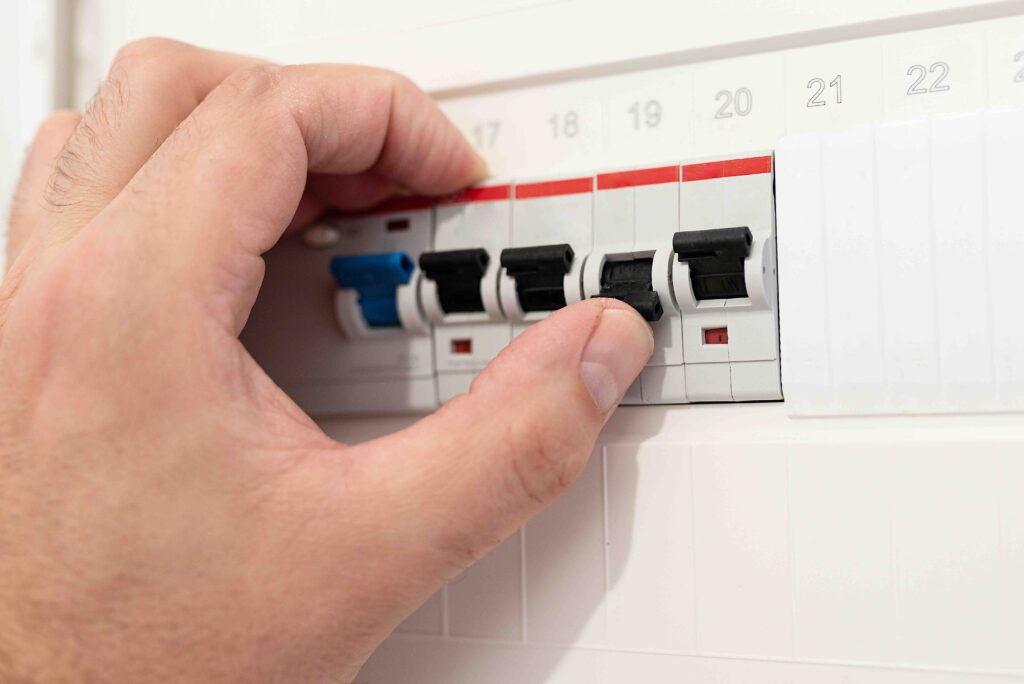
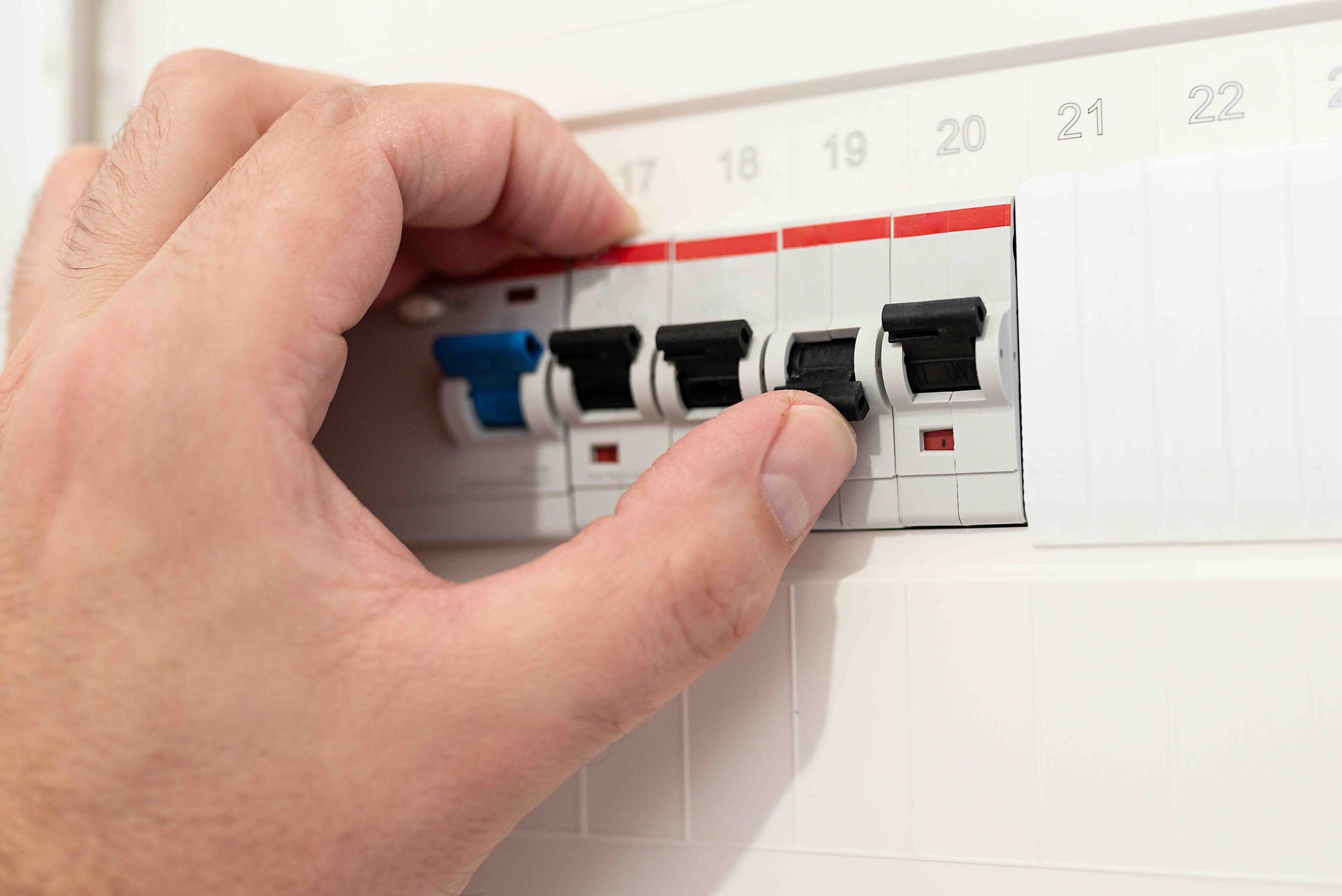
Your electrical panel is essentially the command center for every powered system in your home. It receives electricity from the utility provider and distributes it through individual circuits that power specific rooms, appliances, or systems. Each circuit is protected by a breaker — a small switch-like device designed to automatically stop the flow of electricity when something goes wrong. The whole point of a breaker is protection. If too much current runs through a circuit, the breaker trips, cutting power before wires overheat or a fire starts. It is a remarkably simple concept that does a lot of quiet, important work behind the scenes. Most panels contain anywhere from 10 to 40 individual breakers, each rated for a specific amperage load.
What Does a Broken Circuit Breaker Actually Mean?
A broken circuit breaker is one that no longer performs its intended function correctly. This can show up in a few different ways. The most common sign is a breaker that trips repeatedly under normal load conditions — meaning it is cutting power when it should not be. Another sign is a breaker that will not reset at all, staying in the tripped position no matter what. Some breakers fail in the opposite direction, remaining in the on position even when they should trip. That last scenario is actually the most dangerous because it means the circuit no longer has protection against overloads. Physical signs of a broken breaker can include a burning smell near the panel, visible scorch marks, or a breaker that feels hot to the touch. If you notice any of these, that panel deserves attention quickly.
What Does Grounded Mean in the Context of a Circuit Breaker?
Grounding is a different but related concept, and it is worth taking a moment to explain it properly. In electrical systems, grounding refers to a safety mechanism that provides a path for excess electrical current to travel safely into the earth rather than through people or appliances. A properly grounded circuit has three components in its wiring: a hot wire that carries current to the device, a neutral wire that carries it back, and a ground wire that acts as the emergency exit for fault current. When someone says a circuit breaker is grounded, they are typically referring to the grounding wire or connection associated with that breaker and its circuit. A ground fault occurs when electricity strays from its intended path and travels somewhere it should not — potentially through a person or through a metal component of your home’s structure. Ground fault circuit interrupters, or GFCIs, are specifically designed to detect these faults and cut power within milliseconds.

Common Causes Behind Circuit Breaker Failure
Breakers do not usually fail without reason. There are some well-documented causes that tend to show up repeatedly in residential electrical systems. Knowing them can help homeowners stay ahead of problems before they escalate.
- Age and wear: Most breakers are rated for decades of use, but older panels from the 1970s and 1980s may contain breakers that have simply reached the end of their reliable lifespan.
- Overloaded circuits: Running too many high-draw appliances on a single circuit puts stress on the breaker over time, degrading its internal components.
- Moisture intrusion: Water near an electrical panel — from a roof leak, condensation, or flooding — can cause corrosion and internal damage to breakers.
- Loose wiring connections: Vibration, heat cycling, and time can cause wire connections within the panel to loosen, creating resistance and heat that damages breakers.
- Manufacturing defects: Less common, but it happens. Some breaker brands have well-documented reliability issues that have led to recalls and class-action lawsuits over the years.
The Risks of Ignoring a Faulty Circuit Breaker
It is tempting to reset a tripping breaker and move on with your day. Sometimes that is all that is needed. But repeated tripping, failure to reset, or signs of overheating are not something to ignore. A breaker that has stopped functioning correctly is no longer protecting your home from electrical faults. The downstream risk includes damaged appliances, electrical fires, and in worst-case scenarios, serious injury. The National Fire Protection Association consistently identifies electrical failures and malfunctions as one of the leading causes of home structure fires in the United States. A faulty breaker sits directly in that chain of risk, which is why addressing the issue quickly matters.
How Circuit Breaker Repairs and Replacements Work
The good news is that replacing a single circuit breaker is typically a straightforward job for a licensed electrician. It involves turning off the main power, removing the faulty breaker, and installing a compatible replacement. The entire process can often be completed in under an hour. Costs for a single breaker replacement generally range between $150 and $300 depending on the breaker type and local labor rates. Panel-level issues, such as corroded bus bars or damaged panel enclosures, can push costs higher. It is worth noting that homeowners should not attempt to work inside a live electrical panel. Even with the main breaker switched off, certain components inside the panel remain energized from the utility feed. This is licensed electrician territory, full stop.
Key Advantages of a Well-Maintained Electrical Panel
Taking care of your electrical panel — and replacing faulty breakers when needed — pays off in several meaningful ways. A functioning panel keeps your home’s electrical system running efficiently, reduces the risk of appliance damage from electrical irregularities, and keeps your home insurable. Many homeowners’ insurance companies ask about panel type and age during underwriting, and some older or problem-prone panels can create coverage complications. There is also the peace-of-mind factor, which is genuinely hard to put a dollar amount on. Knowing your home’s electrical protection is working the way it should is worth the investment of a periodic inspection and timely repairs.
Common Drawbacks and Limitations to Be Aware Of
Even well-maintained panels have limitations. A breaker replacement fixes the broken component, but it does not necessarily address the underlying condition that caused the failure in the first place. If the circuit is consistently overloaded, replacing the breaker without redistibuting the load just sets you up for the same problem again. Panel age is another factor — if your home has an older 100-amp service panel and your household’s electrical demand has grown significantly over the years, individual breaker replacements may be treating symptoms rather than the root issue. An electrician can evaluate whether a full panel upgrade or service increase makes more sense for your specific situation.
Why Home Warranty Coverage for Electrical Systems Makes Sense
When a circuit breaker fails, the repair cost alone might feel manageable. But electrical issues rarely arrive alone. A grounded breaker can signal larger wiring issues, and panel problems sometimes coincide with related failures in other home systems. That is where having reliable home warranty coverage changes the equation entirely. Armadillo home warranty plans that cover electrical systems and circuit breakers are built specifically to protect homeowners from the kind of unexpected repair bills that tend to show up at the worst possible time. Armadillo covers the mechanical failures that home insurance does not, including the components inside your electrical panel that keep your home running safely. If you have been putting off thinking about what happens when something breaks, now is a good time to stop putting it off. Get a free home warranty quote that includes electrical system coverage and see exactly what a plan would look like for your home. The process takes minutes, and the protection lasts well beyond that.

Frequently Asked Questions About Broken and Grounded Circuit Breakers
These are the questions homeowners ask most often when dealing with circuit breaker issues. The answers are designed to be direct and practical.
How do I know if my circuit breaker is actually broken or just tripped?
A tripped breaker will typically sit in a middle position between on and off, and it can be reset by switching it fully off and then back on. A broken breaker may refuse to reset, may trip again immediately after being reset, or may show physical signs of damage such as discoloration or a burning smell near the panel.
Is a grounded circuit breaker the same as a tripped breaker?
No, these are different conditions. A grounded circuit refers to the grounding pathway in a circuit, which is a safety feature rather than a failure. A ground fault, however, occurs when current escapes its intended path, which can trigger a GFCI breaker to trip. A standard tripped breaker usually indicates an overload or short circuit rather than a grounding issue.
Can a broken circuit breaker cause a fire?
Yes. A breaker that fails in the closed position — meaning it stays on when it should trip — no longer protects the circuit from overloads. This can allow wiring to overheat and is a recognized fire hazard. Signs of overheating near the panel should be treated as urgent.
How long do circuit breakers typically last?
Most circuit breakers are designed to last 30 to 40 years under normal conditions. However, breakers that trip frequently, are exposed to moisture, or are part of older or recalled panel brands may degrade significantly faster than that.
Does homeowners insurance cover a broken circuit breaker?
Standard homeowners insurance covers sudden and accidental damage caused by certain events, such as a lightning strike, but it generally does not cover mechanical failure or wear-related breakdown of electrical components. A home warranty is typically the product designed to cover that type of repair.
What brands of circuit breakers or panels are known to have problems?
Federal Pacific Electric panels with Stab-Lok breakers and Zinsco panels are two brands that have been widely identified as problematic and potentially hazardous. Homes with these panels are often flagged during real estate inspections, and many electricians recommend proactive replacement regardless of whether a failure has occurred.
Can I replace a circuit breaker myself?
While it is technically possible for a knowledgeable homeowner to replace a breaker, it is strongly discouraged without proper training and licensing. The interior of an electrical panel contains components that remain energized even with the main breaker turned off, and contact with these components can be fatal. This work should be performed by a licensed electrician.
What does it cost to replace a circuit breaker?
The average cost for a single breaker replacement by a licensed electrician typically falls between $150 and $300, including parts and labor. Costs can increase if the panel requires additional work, if a specialized breaker type is needed, or if the panel itself needs to be replaced rather than just the individual breaker.
How does a home warranty handle a broken circuit breaker claim?
When a covered component such as a circuit breaker fails due to normal wear and mechanical breakdown, the homeowner contacts the warranty provider to file a claim. The provider arranges for a qualified technician to diagnose and repair or replace the failed component, with the homeowner typically responsible only for a pre-set service fee rather than the full cost of the repair.
Should I get my electrical panel inspected even if I have not had any issues?
Yes, particularly if your home is more than 20 to 25 years old or if you have never had the panel evaluated. Electrical panels can develop issues gradually without triggering obvious symptoms, and a licensed electrician can identify early warning signs before they become urgent or dangerous problems.