What Does “Circuit Breaker On or Off” Actually Mean for Your Home Warranty Coverage?
If you have ever stared at your electrical panel wondering whether a tripped breaker is your problem or your home warranty company’s problem, you are not alone. The phrase “circuit breaker on or off” shows up more often than you might expect in home warranty claims, and it tends to create confusion at the worst possible moments — usually right after something stops working. Understanding what that terminology actually means, how your electrical panel functions, and where home warranty coverage typically begins and ends can save you a significant amount of frustration and money over time.
What Is a Circuit Breaker and What Does It Actually Do?
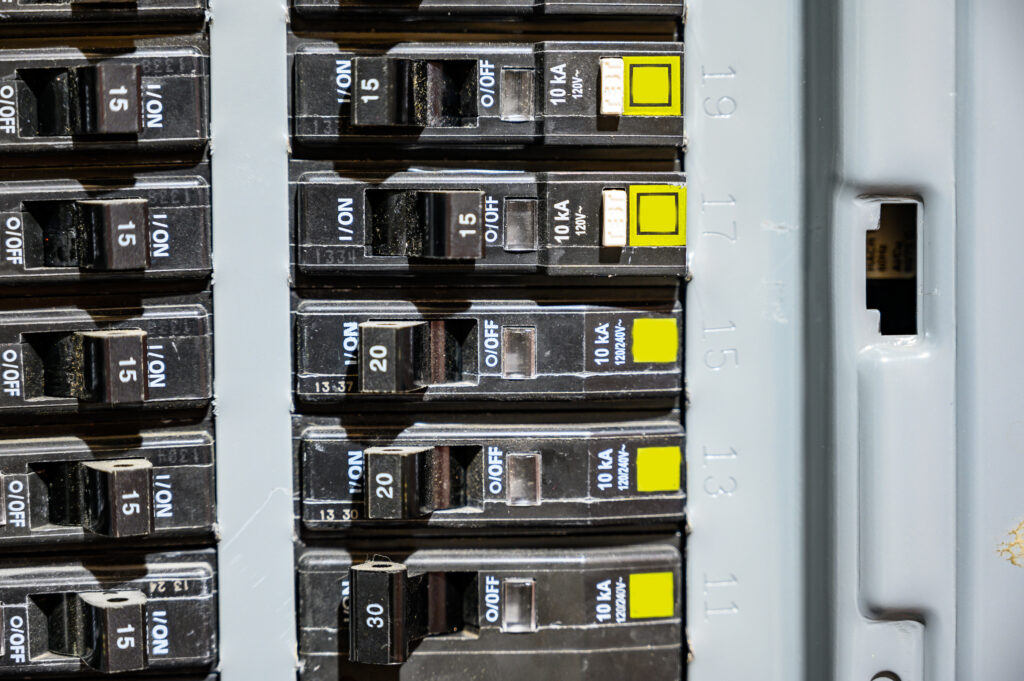
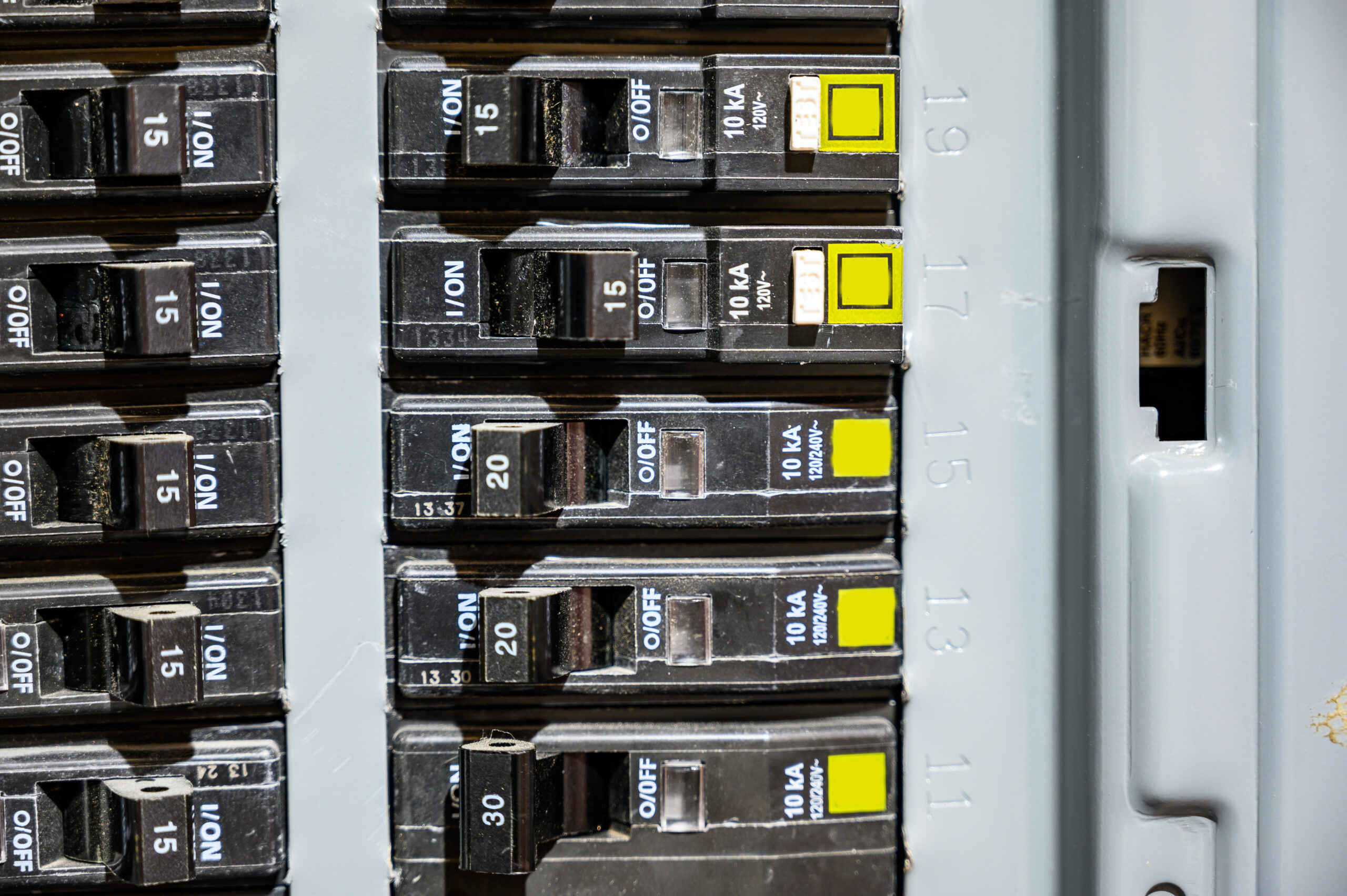
A circuit breaker is an automatic safety switch built into your home’s electrical panel. Its entire job is to monitor the flow of electricity through a specific circuit and cut the power if something goes wrong — too much current, a short circuit, a ground fault. Think of it as a self-resetting fuse. When a breaker trips, it moves from the “on” position to either “off” or a middle position that indicates it has been triggered. Resetting it is usually straightforward: flip it fully to “off,” then back to “on.” But when a breaker keeps tripping, that is where things get more serious, and that is when the conversation about home warranty coverage becomes very relevant.
Understanding the “On or Off” Condition in Home Warranty Terms
In the home warranty industry, the condition of a circuit breaker — whether it is on, off, or grounded — plays a direct role in how a claim is evaluated. Many home warranty contracts include specific language about electrical systems being in working condition at the time of claim. If a breaker is in the “off” position due to a trip caused by an underlying mechanical or electrical failure covered under the policy, that claim has a reasonable path forward. However, if the breaker was simply never turned on, was manually switched off, or was in an improper state before coverage began, the claim picture changes considerably. Grounded circuits add another layer, since proper grounding is a safety baseline that affects how the entire electrical system is assessed.

How Circuit Breakers Work: A Slightly More Technical Look
Without getting too deep into electrical engineering, here is what is actually happening inside that panel. Each breaker is rated for a specific amperage — commonly 15 or 20 amps for standard household circuits, and higher ratings for large appliances like dryers, HVAC units, or electric ranges. When the current flowing through a circuit exceeds that rating, the breaker’s internal mechanism heats up and trips the switch. Grounding, meanwhile, refers to a separate safety pathway that redirects excess electricity into the earth rather than through the home’s wiring or, worse, through a person. A properly grounded circuit is not just a best practice — it is a code requirement in modern construction and a factor that home warranty providers often look at when evaluating electrical claims.
Key Advantages of a Well-Maintained Electrical Panel
Keeping your electrical panel and circuit breakers in good working order is one of the most impactful things you can do for your home’s safety and long-term value. Here is why it matters:
- Proper breaker function prevents electrical fires by cutting power during overload situations before wiring overheats.
- A well-maintained panel means appliances and systems operate within their designed electrical parameters, reducing wear and extending their lifespan.
- Grounded circuits protect both people and electronics from dangerous voltage spikes and fault conditions.
- Documented panel maintenance supports stronger home warranty claims because it demonstrates the system was in serviceable condition.
- An updated panel increases home resale value and satisfies home inspection requirements, which matters during sale or refinance.
Common Issues Homeowners Face With Circuit Breakers
Circuit breakers do not last forever. Most residential breakers have a lifespan of around 30 to 40 years, though environmental conditions, usage patterns, and panel quality can shorten that considerably. Breakers that trip frequently, feel warm to the touch, make buzzing or clicking sounds, or simply will not reset are all signs of potential failure. There is also the issue of obsolete panel brands — certain manufacturers produced panels that are now known to be fire hazards, and homes still carrying those panels may face complications not just with safety, but with insurability and warranty eligibility. If your home has an older panel, getting a professional inspection before filing any electrical-related claim is a genuinely smart move.
What Home Warranties Typically Cover in Your Electrical System
Coverage for electrical systems varies across home warranty providers, but most standard plans address the interior wiring, outlets, switches, and the panel itself — including the breakers housed within it. The critical factor is the “on or off” condition at the time of service. A breaker that has failed mechanically and is no longer holding its position or tripping correctly is generally a covered component. What tends to fall outside coverage includes pre-existing conditions, cosmetic issues, breakers that were intentionally disabled, and any damage resulting from external events like flooding or lightning. Understanding these distinctions before you need a repair is the difference between a smooth claim and a frustrating denial.
Practical Tips for Homeowners to Stay Ahead of Electrical Problems
Being proactive about your electrical panel is not complicated, but it does require some attention. A few habits that go a long way:
- Label every breaker in your panel clearly so you always know which switch controls which circuit — this is basic and often overlooked.
- Test your GFCI outlets monthly by pressing the test and reset buttons; if they do not respond, that circuit needs professional attention.
- Schedule a panel inspection every five to ten years, especially if your home is older or has had electrical work done by multiple contractors over the years.
- Never ignore a breaker that trips repeatedly — repeated tripping usually signals something deeper than a simple overload.
- Keep the area around your electrical panel clear and accessible at all times for safety and to meet code requirements.
How the “Grounded” Condition Affects Your Coverage Eligibility
Grounding is one of those electrical concepts that sounds technical but has very real, practical implications for homeowners navigating warranty claims. A grounded electrical system provides a safe exit path for stray electrical current. Modern homes are required by code to have grounded circuits throughout. Older homes, particularly those built before the 1960s, often have two-prong ungrounded outlets and panels that were never upgraded. When a home warranty provider sends a technician to assess an electrical issue, the grounding status of the affected circuit is part of the diagnostic picture. If the system is found to be improperly grounded or completely ungrounded, the warranty company may determine that the issue falls outside normal coverage parameters, since the system did not meet baseline safety and code standards to begin with.
Why Armadillo Is the Right Home Warranty Partner for Electrical Coverage
When your circuit breaker trips at the wrong moment and you are trying to figure out whether that repair is coming out of your pocket or covered under your plan, you want a home warranty provider that is clear, responsive, and straightforward about what is included. That is exactly where Armadillo home warranty coverage for electrical systems and circuit breakers stands apart from the typical home warranty experience. There are no layers of confusing fine print designed to create friction at claim time — just honest coverage built around how homes actually work. If you are ready to stop guessing and start protecting your home with confidence, you can get a personalized home warranty quote that covers your electrical panel and more in just a few minutes. Your electrical system works hard every single day. Your warranty coverage should match that effort.

Frequently Asked Questions About Circuit Breakers and Home Warranty Coverage
These are the questions homeowners ask most often when it comes to circuit breakers, electrical panels, and how home warranty coverage applies to both.
Does a home warranty cover circuit breakers?
Most standard home warranty plans do cover circuit breakers as part of the electrical system, provided the breaker has failed due to normal mechanical wear and was in working condition when coverage began.
What does it mean when a circuit breaker is in the “off” position?
A breaker in the “off” position has either been manually switched off or has tripped due to an overload, short circuit, or ground fault. A tripped breaker will often sit in a middle position between on and off before it can be reset.
Will a home warranty cover damage caused by an ungrounded circuit?
Generally, no. If a circuit is found to be improperly grounded or not grounded at all, home warranty providers may exclude related damage since the system did not meet standard safety and code requirements at the time of the claim.
How do I reset a tripped circuit breaker?
Turn the breaker fully to the “off” position first, then firmly switch it back to “on.” If it trips again immediately or will not hold the “on” position, that is a sign of a deeper electrical issue that needs professional evaluation.
Can a home warranty cover an entire electrical panel replacement?
Some home warranty plans include coverage for the electrical panel itself, including the cost to repair or replace it if it fails. Coverage limits and conditions vary by provider, so reviewing your specific contract terms is essential.
What electrical issues are typically excluded from home warranty coverage?
Pre-existing conditions, damage from external events such as floods or lightning strikes, cosmetic damage, code upgrades required by local ordinance, and issues resulting from improper installation are commonly excluded from electrical coverage.
How often should I have my electrical panel inspected?
A licensed electrician should inspect your panel every five to ten years at minimum. If your home is older than 25 years or has never had the panel evaluated, scheduling an inspection sooner is a reasonable precaution.
Is a breaker that trips frequently covered under a home warranty?
A breaker that fails mechanically and can no longer perform its intended function is typically a covered component. However, if tripping is caused by an overloaded circuit due to the homeowner’s usage habits, coverage may not apply to every associated cost.
What is the difference between a grounded and an ungrounded outlet?
A grounded outlet has three slots including a round grounding hole, while an ungrounded outlet has only two slots. Grounded outlets provide an added safety pathway for stray electrical current and are required by modern building codes.
Does the age of my electrical panel affect home warranty eligibility?
Age alone does not automatically disqualify a panel from coverage, but older panels that have known defects, obsolete designs, or code violations may be reviewed more closely during the claims process. Documenting your panel’s condition before purchasing coverage is always a good practice.