Why Is Your Circuit Breaker Tripping With Nothing Plugged In?
You walk over to the breaker panel, flip the switch back on, and within minutes — or sometimes seconds — it trips again. And here is the part that throws most homeowners off: nothing is even plugged in. No appliances running, no lights drawing power, nothing obvious to blame. So what is actually going on? This situation is more common than most people realize, and understanding what is happening inside your electrical system is the first step toward addressing it properly — and knowing whether your home warranty has anything to say about it.
What a Circuit Breaker Actually Does
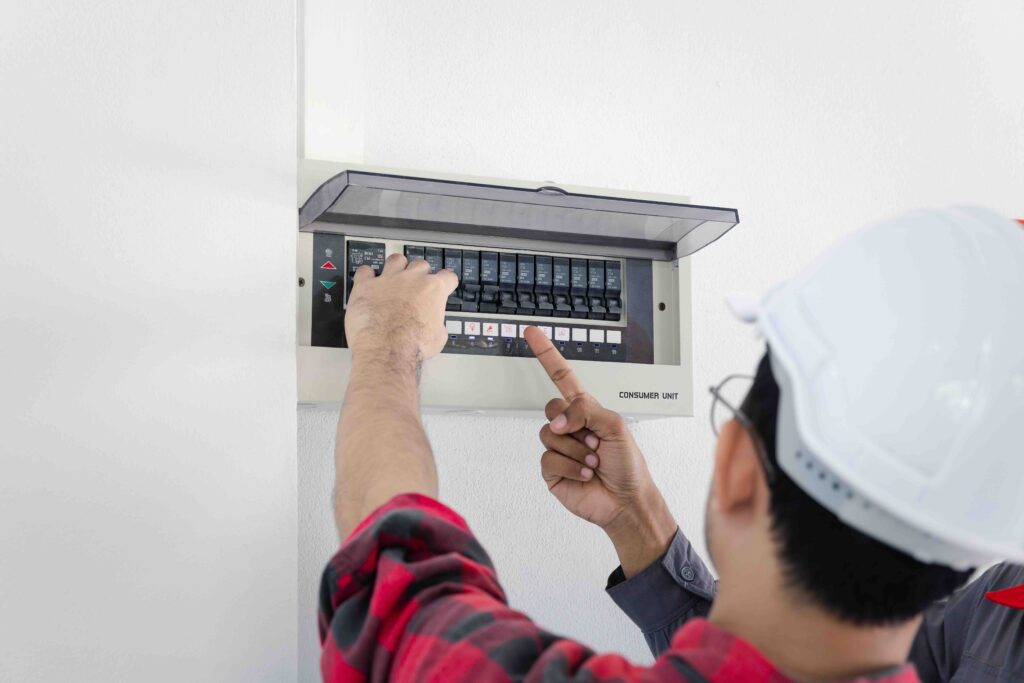
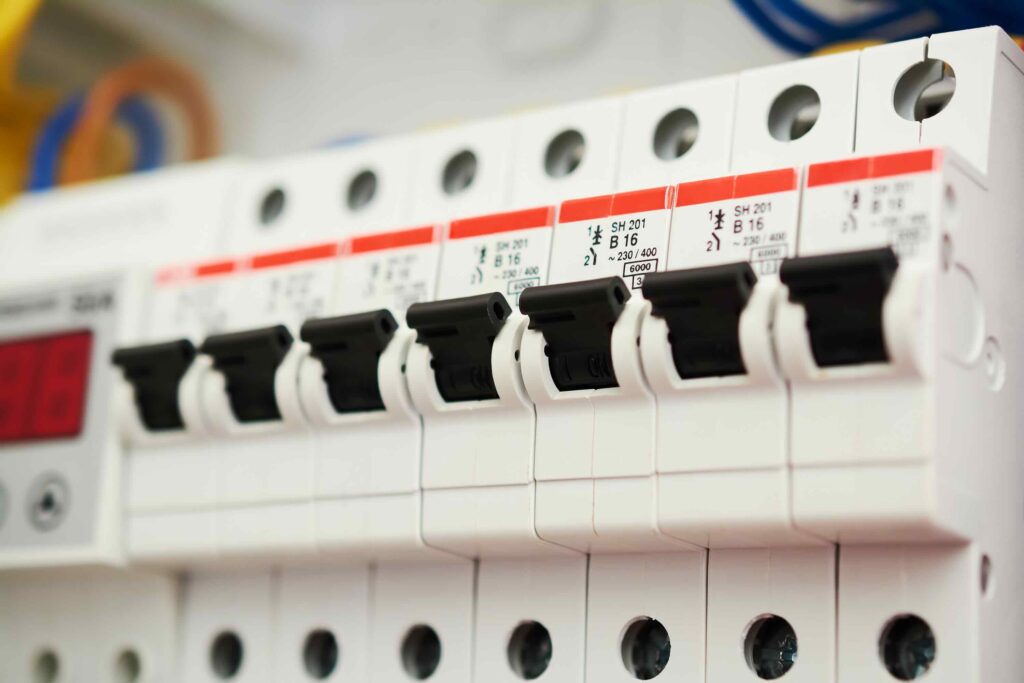
A circuit breaker is essentially a safety switch built into your electrical panel. Its entire job is to detect when too much current is flowing through a circuit and shut it down before that excess electricity causes overheating, a fire, or equipment damage. When a breaker trips, it is doing exactly what it was designed to do. The issue is not the breaker misbehaving — the issue is whatever condition is causing it to sense a problem. That distinction matters a lot, especially when diagnosing a breaker that trips with nothing visibly drawing power from the circuit.
The Most Likely Culprits Behind a Tripping Breaker With Nothing Plugged In
When all devices are unplugged and the breaker still trips, the problem has shifted from something you control to something inside the wiring or the panel itself. This changes the conversation significantly. A few of the most common causes include ground faults in the wiring, a short circuit somewhere along the circuit path, a failing or worn-out breaker, moisture intrusion into outlets or junction boxes, and in some cases, wiring damage from pests. Each of these scenarios requires a different approach, but all of them have one thing in common — they are not problems a homeowner should attempt to diagnose or fix without qualified help.
Ground Faults and What They Mean for Your Home
A ground fault happens when electrical current finds an unintended path to the ground — often through damaged wire insulation, a compromised outlet, or moisture. This is why GFCI outlets in bathrooms and kitchens trip so frequently; they are specifically designed to detect ground faults at a very sensitive level. However, a ground fault in a standard circuit can also cause a breaker to trip repeatedly, even without anything plugged into that circuit. The fault exists in the wiring itself, not in the appliance, which is why removing devices from the equation does not resolve anything. Left unaddressed, ground faults represent a legitimate fire and shock hazard.
Short Circuits Inside the Walls
A short circuit occurs when a hot wire comes into contact with a neutral wire — or sometimes a ground wire — somewhere along the circuit path. This creates a sudden surge of current that the breaker immediately detects and shuts down. Short circuits in the wiring behind your walls can happen due to physical damage, improper installation, aging insulation that has cracked or deteriorated, or pest activity that has chewed through the wire jacket. The tricky part is that a short circuit inside a wall is invisible, making it nearly impossible for a homeowner to locate without the right tools and training.
When the Breaker Itself Is the Problem
Breakers do not last forever. Like any mechanical and electrical component, they degrade over time. A breaker that has tripped hundreds of times throughout its life may eventually develop internal wear that causes it to trip under normal or even minimal load conditions — sometimes with nothing on the circuit at all. If an electrician inspects the wiring and finds nothing wrong, the next logical step is evaluating whether the breaker itself needs replacement. This is a relatively straightforward fix, but it still belongs in the hands of a licensed professional, since working inside an electrical panel carries serious risk.

How Home Warranties Typically Handle Electrical Issues
Here is where things get genuinely useful for homeowners navigating this kind of problem. Home warranties vary widely in how they define covered electrical components, and the specifics matter. Most standard home warranty plans cover the internal wiring of the home, the electrical panel, and circuit breakers under normal failure conditions. However, there are common exclusions worth knowing about before you file a claim.
- Damage caused by pest infestation is frequently excluded, since it is classified as a maintenance issue rather than a mechanical failure.
- Moisture or water intrusion damage to wiring is often excluded as well, depending on the source of the moisture.
- Pre-existing conditions that were present before the warranty coverage began are generally not covered by any provider.
- Code violations or improper installation discovered during a repair may result in partial coverage or denial, depending on the plan terms.
Understanding these nuances before a problem occurs is exactly what separates homeowners who are frustrated by their home warranty from those who feel supported by it. Reading the fine print is not glamorous, but it is genuinely worth the time.
What Homeowners Should Do When a Breaker Keeps Tripping
The practical steps here are straightforward, but sequence matters. Start by unplugging everything on the affected circuit and resetting the breaker once. If it trips immediately with nothing on the circuit, that confirms the problem is in the wiring, the outlet, or the breaker itself — not in a device. Do not continue to reset the breaker repeatedly, as this can worsen an underlying issue or create a hazard. Contact a licensed electrician to inspect the circuit. If you have a home warranty, contact your provider before authorizing any repair work, since having an approved service technician handle the job is typically required for the work to be covered. Skipping that step and hiring someone independently can result in a denied reimbursement claim.
Preventive Measures That Reduce Electrical Headaches Over Time
Electrical systems do not get enough attention during routine home maintenance, and that oversight tends to catch up with homeowners eventually. A few habits that protect your electrical system and reduce the likelihood of surprise breaker issues include scheduling a full electrical inspection every three to five years, replacing aging outlets and switches that show discoloration or feel warm to the touch, checking crawl spaces and attics periodically for signs of pest activity near wiring, keeping moisture out of utility spaces where junction boxes are located, and having the panel evaluated if your home is more than 25 years old and still has the original equipment. None of these are expensive individually, and each one reduces the probability of a more serious issue developing.
Why Armadillo Is Worth Knowing Before Your Next Electrical Problem
Dealing with a tripping breaker is stressful enough without also worrying about whether the repair is going to cost you several hundred dollars out of pocket. That is where having the right home warranty coverage becomes less of a luxury and more of a genuinely practical financial tool. Armadillo was built with exactly this kind of situation in mind — real homeowners dealing with real system failures, needing straightforward answers and fast service. If you want to understand how electrical coverage works under a modern home warranty plan, explore Armadillo’s home warranty coverage for electrical systems and major home components to see how the plans are structured and what they actually protect. If you are ready to stop guessing and start preparing, you can get a personalized home warranty quote that covers circuit breakers and electrical panel failures in just a few minutes. The time to have coverage in place is before the breaker trips for the third time in a week.

Frequently Asked Questions About Circuit Breakers Tripping With Nothing Plugged In
Homeowners dealing with this issue tend to have a lot of the same questions. Here are the most common ones, answered directly.
Why does my circuit breaker keep tripping even when nothing is plugged in?
When a breaker trips with nothing drawing power from the circuit, the cause is typically a fault within the wiring itself, such as a ground fault, short circuit, damaged insulation, or a breaker that has worn out and is no longer functioning reliably.
Is it safe to keep resetting a breaker that keeps tripping?
Resetting a breaker once to test whether it holds is reasonable, but repeatedly resetting a breaker that trips quickly is not safe. It can mask a serious underlying problem and potentially worsen a hazardous condition. Contact a licensed electrician instead.
Can a bad outlet cause a breaker to trip with nothing plugged in?
Yes. A damaged or deteriorated outlet can create an internal ground fault or short circuit even without a device inserted into it. Outlets with cracked faceplates, scorch marks, or loose wiring are common sources of this type of problem.
Does a home warranty cover circuit breaker replacement?
Most standard home warranty plans include coverage for circuit breakers that fail due to normal wear and tear. However, coverage terms vary by provider, so it is important to review your specific plan documents to understand what is and is not included.
How do I know if the problem is my wiring or the breaker itself?
A licensed electrician can test the circuit to determine whether the fault is in the wiring or in the breaker. This typically involves isolating the circuit and using diagnostic equipment to identify the source of the fault, which is not something a homeowner can reliably determine without professional tools.
Can moisture cause a breaker to trip with nothing plugged in?
Yes. Moisture inside an outlet, junction box, or conduit can create a ground fault that causes the breaker to trip. This is especially common in areas like basements, garages, and outdoor circuits after heavy rain or flooding.
What is the difference between a ground fault and a short circuit?
A ground fault occurs when electrical current travels an unintended path to the ground, often through damaged insulation or moisture. A short circuit occurs when a hot wire directly contacts a neutral or ground wire. Both cause sudden current surges that trip the breaker, but they have different causes and locations.
How long do circuit breakers typically last?
Circuit breakers are generally rated for a lifespan of 30 to 40 years under normal conditions, but the number of times they have tripped over their life can accelerate wear. Breakers in older homes or panels that have experienced frequent trips may fail earlier than expected.
Will a home warranty cover electrical issues caused by pest damage?
Pest damage to wiring is typically excluded from home warranty coverage because it is considered a maintenance or pest control issue rather than a mechanical failure. Homeowners dealing with pest-related wiring damage usually need to address the repair through a separate channel, such as a homeowners insurance claim or out-of-pocket repair.
When should I consider replacing my electrical panel entirely?
If your panel is more than 25 to 30 years old, contains outdated breaker technology such as Federal Pacific or Zinsco panels, shows signs of corrosion, or has been experiencing multiple circuit issues, a full panel evaluation by a licensed electrician is warranted. Replacement is often recommended rather than continued repair on aging equipment.