When Your Circuit Breaker Won’t Reset: What Every Homeowner Needs to Know
You flip the breaker back. Nothing happens. You try again. Still nothing. At this point, most homeowners are standing in front of their electrical panel with a flashlight in one hand and a thousand questions running through their head. A circuit breaker that refuses to click back on is one of those home problems that feels both urgent and mysterious at the same time. The good news is that it is not always catastrophic. The less good news is that it is also not something to ignore. Understanding what is happening inside your electrical system — and what role a home warranty can play — could save you time, money, and a fair amount of frustration.
What a Circuit Breaker Actually Does
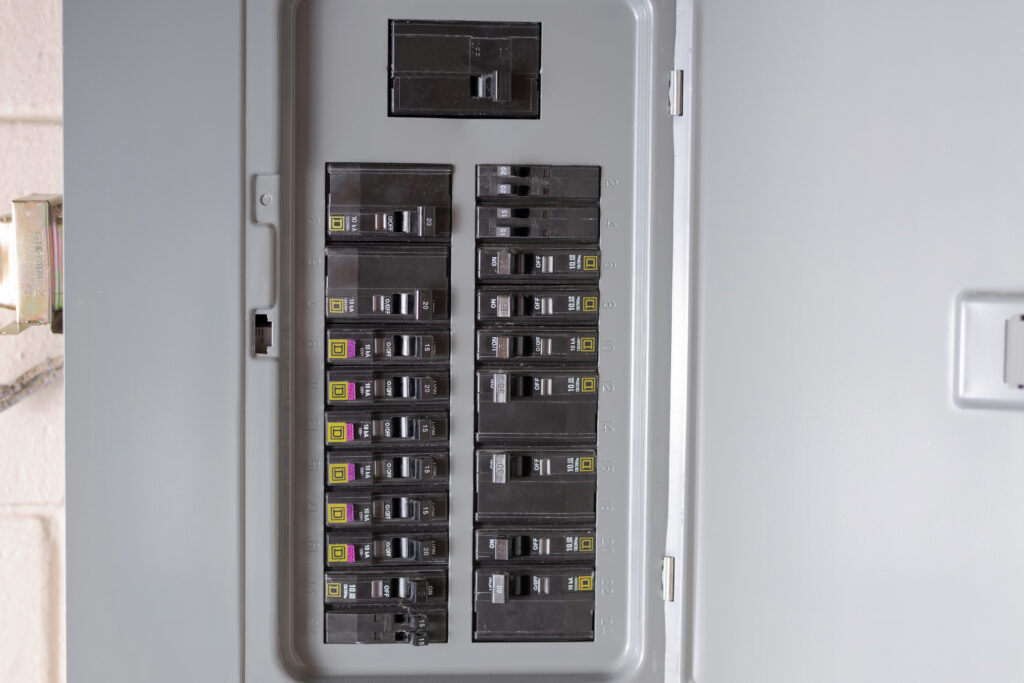
Before diving into why a breaker will not reset, it helps to know what it is doing in the first place. A circuit breaker is a safety device built into your home’s electrical panel. Its job is to monitor the flow of electricity through a specific circuit and automatically shut off when something goes wrong — too much current, a short circuit, a ground fault. Think of it as a protective switch that keeps your wiring from overheating, which is what causes electrical fires. Every time you plug in a space heater and the lights go out, that is your breaker doing exactly what it is supposed to do. It trips, cutting power, and waits for you to fix the issue before it allows electricity to flow again.
The Most Common Reasons a Breaker Will Not Reset
So you’ve tried to flip it back and it just will not stay on. There are a few reasons that happens, and some are simpler to resolve than others.
- The circuit is still overloaded — too many devices drawing power at once, and the breaker is protecting you from yourself.
- There is a short circuit somewhere in the wiring or a connected appliance, meaning electricity is taking an unintended path.
- A ground fault is present — electricity is leaking to a grounding path rather than completing the circuit normally.
- The breaker itself has worn out or failed internally and simply cannot hold its position anymore.
- There is physical damage to the wiring in the wall, which keeps triggering the protective shutoff every time you attempt a reset.
Each of these scenarios calls for a different solution, which is why jumping straight to resetting without investigating first is not the right move.
How to Safely Attempt a Circuit Breaker Reset
If you find yourself staring at a tripped breaker, there is a correct way to approach it. First, unplug or turn off all devices connected to that circuit. A tripped breaker usually sits in a middle position — not fully on, not fully off. Push it firmly to the off position first, then flip it back to on. If it immediately trips again or refuses to stay engaged, that is your signal that something deeper is going on. Do not keep forcing it. Repeated attempts without addressing the underlying cause can damage the breaker further or, in a worst-case scenario, create a hazard. When the breaker will not reset and you have already removed the load from the circuit, it is time to call a licensed electrician.

What a Ground Fault Is and Why It Matters
Ground faults are worth understanding on their own because they come up constantly in conversations about electrical issues. A ground fault occurs when an electrical current escapes its intended path and finds an alternate route to the ground — sometimes through water, sometimes through a person, sometimes through a building material that was never meant to carry electricity. Bathrooms, kitchens, garages, and outdoor outlets are especially vulnerable to ground faults, which is why those locations are required by code to have GFCI outlets — the ones with the small test and reset buttons in the middle. If a ground fault is tripping your breaker, the fix may be as straightforward as replacing a GFCI outlet, or it may point to something more serious inside the wall.
When a Breaker Needs to Be Replaced
Breakers are not designed to last forever. Most have a lifespan of 30 to 40 years, but frequent tripping, heat exposure, and age-related wear can shorten that significantly. Signs that your breaker may need replacing rather than resetting include a burning smell near the panel, visible scorch marks, a breaker that feels warm to the touch, or one that trips repeatedly without an obvious cause. Replacing a breaker is not a DIY project for most homeowners. It involves working inside a live electrical panel, and that work should always be done by a licensed electrician. The cost of a breaker replacement is typically modest, but the labor and diagnostic work can add up depending on what the electrician finds.
The Broader Electrical Panel Picture
Sometimes a single stubborn breaker is a symptom of a bigger electrical panel issue. Older panels — particularly those from brands that have since been flagged for safety concerns — may have systemic problems that go beyond one tripped circuit. If your home is more than 30 years old and has never had the electrical panel inspected or upgraded, this might be the moment to have that conversation with a professional. Panel upgrades are not cheap, often running between $1,500 and $4,000 or more depending on your home’s size and the complexity of the work. However, they are also one of the most impactful safety investments a homeowner can make.
Understanding What a Home Warranty Covers in Electrical Systems
Here is where things get practical from a financial standpoint. A home warranty is a service contract that covers the repair or replacement of major home systems and appliances when they break down due to normal wear and use. Electrical systems — including wiring, panels, and breakers — are commonly covered under home warranty plans. That means if your circuit breaker fails due to age or standard deterioration, a home warranty could cover the cost of repair or replacement, minus your service fee. It is worth reading the fine print of any plan carefully. Coverage limits, exclusions for pre-existing conditions, and definitions of what qualifies as “normal wear” vary between providers. Knowing what your warranty covers before something breaks is always better than finding out in the middle of an outage.
Practical Tips for Preventing Electrical Circuit Issues
Prevention does not eliminate all electrical problems, but it can reduce how often you end up troubleshooting a breaker panel at midnight. A few habits worth building include scheduling periodic electrical inspections — every five to ten years is a reasonable baseline for most homes — and being thoughtful about how much load you place on any single circuit. High-draw appliances like air conditioners, electric dryers, and space heaters should ideally be on dedicated circuits. Surge protectors add another layer of defense for sensitive electronics. And if you are planning a home renovation that involves new outlets or additional load, always have the work permitted and inspected.
Why Armadillo Is the Right Home Warranty Partner for Electrical Protection
When a circuit breaker fails or your electrical system starts showing its age, the last thing you want is to navigate repair costs alone. That is exactly the kind of situation a well-structured home warranty is built for. Armadillo home warranty plans for electrical system coverage are designed with transparency and real homeowner needs in mind — no confusing tiers, no fine print designed to leave you empty-handed when it counts. Armadillo covers the systems that matter most, including electrical, and backs that coverage with responsive service that does not leave you waiting. If you are ready to stop worrying about what a breaker repair or panel issue might cost you, get a free home warranty quote for electrical and system protection and see what coverage looks like for your home today. Peace of mind around your electrical system is not a luxury — it is a practical decision that pays for itself the first time something goes wrong.

Frequently Asked Questions About Circuit Breakers and Home Warranty Coverage
Why won’t my circuit breaker reset after it trips?
A breaker that refuses to reset is usually indicating that the underlying problem causing the trip has not been resolved. This could be an overloaded circuit, a short circuit, a ground fault, or a failed breaker. Remove all devices from the circuit and try again. If it still will not reset, contact a licensed electrician.
Is it safe to keep resetting a tripping circuit breaker?
No. Repeatedly resetting a breaker without identifying and addressing the root cause can damage the breaker itself and may pose a fire or shock hazard. One reset attempt after removing the load is reasonable. Beyond that, professional diagnosis is warranted.
How do I know if my circuit breaker needs to be replaced?
Common signs include a breaker that will not hold its on position, a burning smell near the electrical panel, visible scorch marks, a breaker that feels warm, or one that trips consistently without an obvious overload reason. A licensed electrician can confirm whether replacement is necessary.
What is the difference between a tripped breaker and a blown fuse?
A circuit breaker is a resettable switch that trips to interrupt power during a fault. A fuse is a one-time-use device that physically burns through when overloaded. Modern homes use breakers. Older homes may still have fuse boxes, and blown fuses require replacement rather than resetting.
Does a home warranty cover circuit breaker replacement?
Many home warranty plans include electrical system coverage, which can encompass circuit breakers and panels when failure is due to normal wear and use. Coverage details vary by provider, so it is important to review your specific plan terms before assuming a repair is included.
What is a ground fault and how does it affect my circuit breaker?
A ground fault occurs when electrical current flows outside its intended path and reaches a grounding surface. This can trigger a breaker trip as a protective response. Ground faults are common in areas exposed to moisture and are often related to GFCI outlets or wiring issues in wet locations.
How much does it cost to replace a circuit breaker?
The cost of a single breaker replacement typically ranges from $150 to $300 including labor, though costs can be higher if the panel requires additional work or inspection. Full panel replacements or upgrades are significantly more expensive and can range from $1,500 to over $4,000.
Can I reset a circuit breaker myself or do I need an electrician?
Resetting a tripped breaker is something most homeowners can do safely by following the proper steps — turning it fully off before flipping it back on. However, if the breaker will not stay on, trips immediately, or shows any signs of damage, professional service is required. Do not open the electrical panel itself without proper training.
How long do circuit breakers typically last?
Most circuit breakers are designed to last between 30 and 40 years under normal operating conditions. However, breakers that trip frequently, are exposed to heat, or are part of older panels may degrade faster. Regular electrical inspections help identify aging components before they fail.
What should I do if multiple breakers are tripping at the same time?
Multiple breakers tripping simultaneously often points to a larger issue such as a main breaker problem, a panel fault, or a significant surge or fault event affecting the whole system. This situation requires immediate attention from a licensed electrician and should not be treated as a routine reset situation.