How to Clean Out an AC Drain Line: What Homeowners Need to Know
Air conditioning—reliable, consistent, and usually taken for granted until something goes wrong. One of the most overlooked but essential components of your HVAC system is the AC drain line. A clogged drain line may not immediately scream “major issue,” yet ignoring it can lead to water damage, mold growth, and even system failure over time. This seemingly minor tube quietly manages condensation and redirects moisture safely away from your living space. When it gets jammed up, the consequences ripple far beyond what meets the eye.
What Is an AC Drain Line and What Does It Do?
The AC drain line, also known as the condensate drain line, is your HVAC system’s way of controlling and expelling condensation that builds up during regular operation. As warm air moves over the evaporator coil, moisture from the air condenses and drips into a drain pan. From there, the water funnels into the drain line and exits the home, typically via a pipe leading outside or to a plumbing line.
Simple enough, right? A quiet player in your cooling system’s orchestra. But when the line gets blocked, the drain pan overflows—and water doesn’t choose its escape route carefully. That’s when ceilings stain, drywall warps, and concealed mold colonies take up residence. Most homeowners only notice the problem post-damage. Regular maintenance, however, can help you steer clear of those downstream issues.
Signs Your AC Drain Line Might Be Clogged
It’s not always obvious. Most of the drain line is hidden, and problems tend to build silently. Still, there are several red flags worth paying attention to. If you notice standing water near your indoor AC unit, damp insulation, or moldy odors near the vents, a clogged drain line is one of the first things to check. Another telltale indicator? Your AC unexpectedly shuts off. Many systems have a safety switch that triggers when water backs up, preventing flooding—but also preventing cooling.
Proactively checking and cleaning the drain line reduces the odds of being caught by surprise. It’s not difficult, and it doesn’t require complex tools. Doing so even once or twice a year can make a significant difference in your system’s longevity—and by extension, your home’s comfort and value.
How AC Drain Lines Get Clogged in the First Place
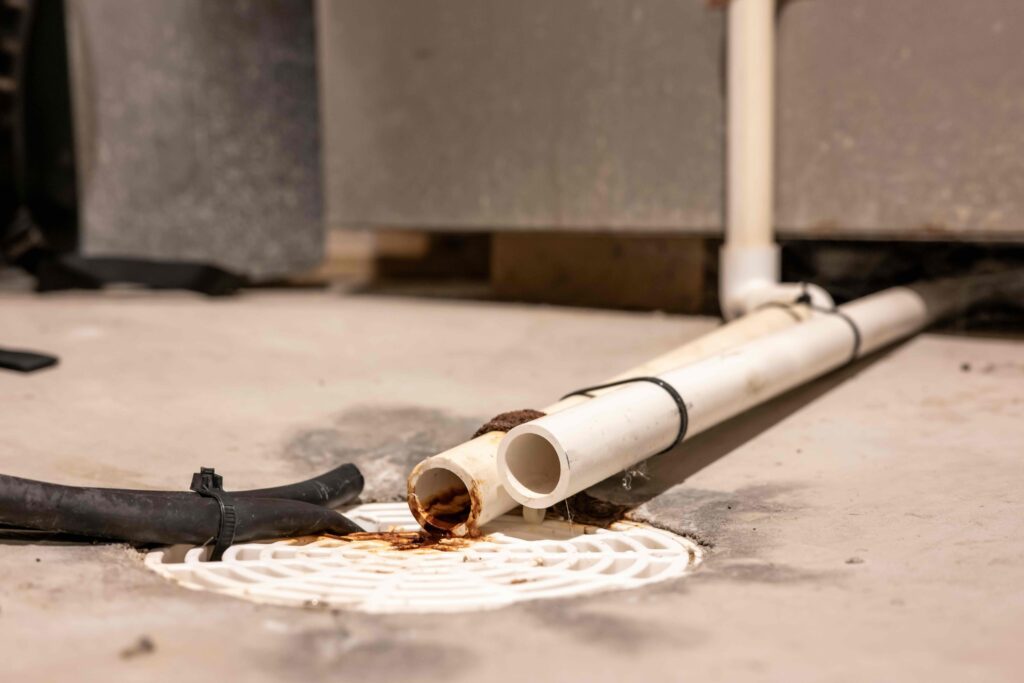
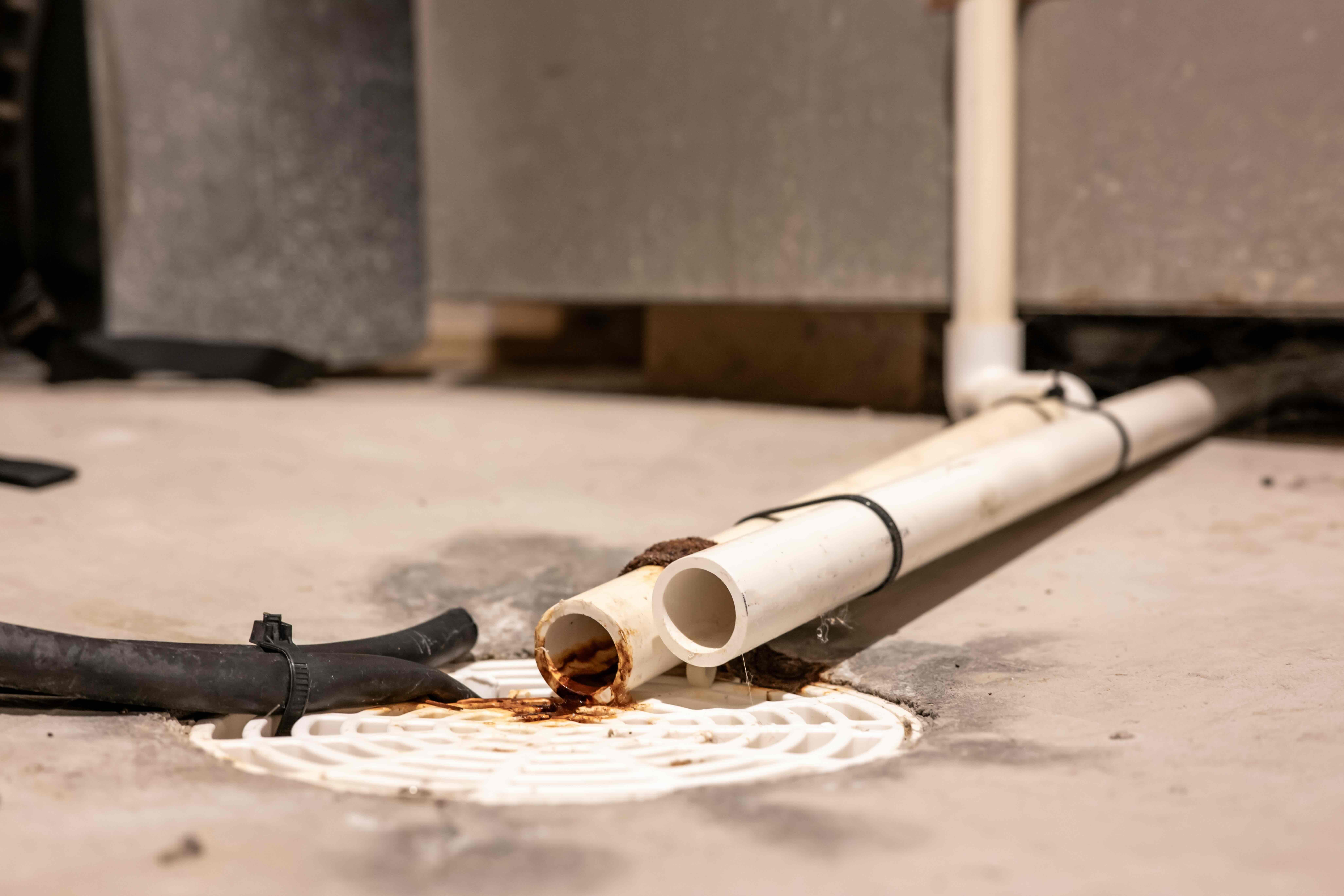
Condensate drain lines are small, moist, and rarely flushed—perfect conditions for mold, algae, and sediment to build up. Over time, even dust from your home’s airflow can accumulate and combine with moisture to form a sludgy clog. If the AC runs frequently, as it typically does during the summer months, that moist environment becomes a breeding ground. Leaves or debris from the outdoor environment can also make their way into lines that exit outside the home, exacerbating the issue.
The good news is that it doesn’t take much to prevent these problems—just a few minutes of attention every so often. Think of it like brushing your teeth: simple, fast, and crucial if you want to avoid issues that become expensive down the road.
Step-by-Step: How to Clean Your AC Drain Line
You won’t need much: a bit of white distilled vinegar, a funnel or a turkey baster, and optionally a wet/dry vacuum. Start by locating the AC drain line access point—usually a T-shaped vent with a removable cap near the indoor air handler. Once you’ve removed the cap, inspect for visible buildup. Pour about a cup of vinegar into the pipe using your funnel. Let it sit for 30 minutes to an hour to naturally break down algae and sludge.
If you have a wet/dry vacuum, attach it to the drain line’s exterior exit point outside the home and vacuum for a few minutes to remove loosened clogs. It’s a straightforward process, but wear gloves if you’re hesitant about what you’ll find. While bleach is sometimes recommended, vinegar is safer for both the pipe and surrounding HVAC components.
When Should You Call a Professional?
While this is a task many homeowners can handle on their own, there are situations when a certified technician is a wiser option. If you’ve tried flushing the line and the problem recurs within weeks, it could point to a more serious issue within the condensate pan or associated plumbing—with risks you don’t want to guess at. Strong odors, persistent leaks, or lack of cooling performance after cleaning attempts are all signals it’s time to bring in a professional.
In those cases, an HVAC pro can assess the broader system to ensure fans, coils, and ducts are functioning in harmony. This prevents recurring problems and gives you peace of mind that the solution isn’t just a temporary fix.
Why Regular Maintenance of the AC Drain Line Matters
Routine AC drain line maintenance isn’t just about preventing overflow. Left unchecked, excessive moisture inside your home’s air system can lead to unhealthy indoor air quality, encourage mold growth, deteriorate insulation, and increase the frequency of HVAC repairs. Investing 15 to 30 minutes every few months is a small but powerful gesture that protects your home, health, and unit performance. Plus, if you’re covered under a home warranty plan, proper maintenance helps ensure your claim won’t be denied due to neglect.
It’s also worth noting that preventing moisture damage has a long game benefit—it protects your home’s resale value. Water damage, even after remediation, leaves behind a history on inspections and reports. Something as small as a frequently overlooked pipe can ultimately ripple into larger decisions should you ever decide to sell.
Protecting Your HVAC System and Your Home with Armadillo
Your home’s comfort systems—like its air conditioning—should work quietly and reliably while you focus on, well, literally anything else. That’s where Armadillo comes in. A home warranty can cover unexpected repairs and replacements of the systems and appliances that keep your life running smoothly. From HVAC issues like clogged AC drain lines to broader system disruptions, Armadillo gives you access to expert service and budget protection when you need it most. Learn more about how we support proactive homeowners at Armadillo, or get started building your plan today at this link. Your home should take care of you, and with Armadillo, it can.