How to Clear a Main Sewer Line Clog
Homeownership comes with its fair share of maintenance puzzles, and one of the most frustrating—and often the least talked about—challenges is a clogged main sewer line. It’s not only disruptive, but it can also escalate quickly into costly damage if not handled correctly. Whether you’re dealing with slow-draining sinks, gurgling toilets, or even raw sewage backing up into your home, understanding how the main sewer line works and how to respond effectively is essential. With the right approach and a little knowledge, homeowners can navigate this disruption with clarity and confidence.
Understanding Your Main Sewer Line
The main sewer line is the critical artery that connects your home’s internal plumbing to your municipal sewage system or septic tank. It guides wastewater from sinks, showers, toilets, and appliances out of your home. Because all household drains eventually lead to this pipeline, any obstruction in the main sewer can trigger a chain reaction of drainage issues throughout the property.
Most main lines run underground and are made of materials like cast iron, PVC, or clay, depending on the age and location of your home. Their job seems straightforward, but over time, misuse, natural wear, and environmental stressors can result in serious clogs. Once a blockage forms, the water has nowhere to go, and the results can be messy—literally and financially.
Common Causes of Sewer Line Clogs
Clogs typically originate from one or more predictable sources. Excessive toilet paper, grease buildup from kitchen drains, and foreign objects sent down toilets are frequent offenders. But another significant culprit—and one homeowners rarely anticipate—is tree root intrusion. Roots seek out moisture and can grow into even the smallest cracks in a sewer pipe, gradually creating a blockage.
Materials used in the line itself contribute to the issue. Older clay or cast iron pipes are more prone to cracking and corrosion, both of which create entry points for roots or potential hang-ups for solids. In contrast, newer PVC systems offer smoother internal surfaces and tighter joints, but no system is completely immune. Even washing large quantities of laundry back-to-back can overwhelm a partially blocked line that’s already under pressure.
Signs of a Main Sewer Line Blockage
Diagnosis begins with observation. One of the earliest and most reliable signs is a slow or gurgling drain—not in a single sink or toilet, but across multiple fixtures. If water backs up in the tub when you flush a toilet, or your basement drains start bubbling, that’s highly indicative of a sewer line clog.
The smell is another giveaway. Sewer gases trapped below the blockage can escape through floor drains or fixtures, producing a foul, unmistakable odor. If ignored, wastewater can back into the home, affecting low-lying fixtures first—like basement toilets or laundry sinks—which places those areas at highest risk for damage.
Safe and Effective Methods to Clear Sewer Line Clogs
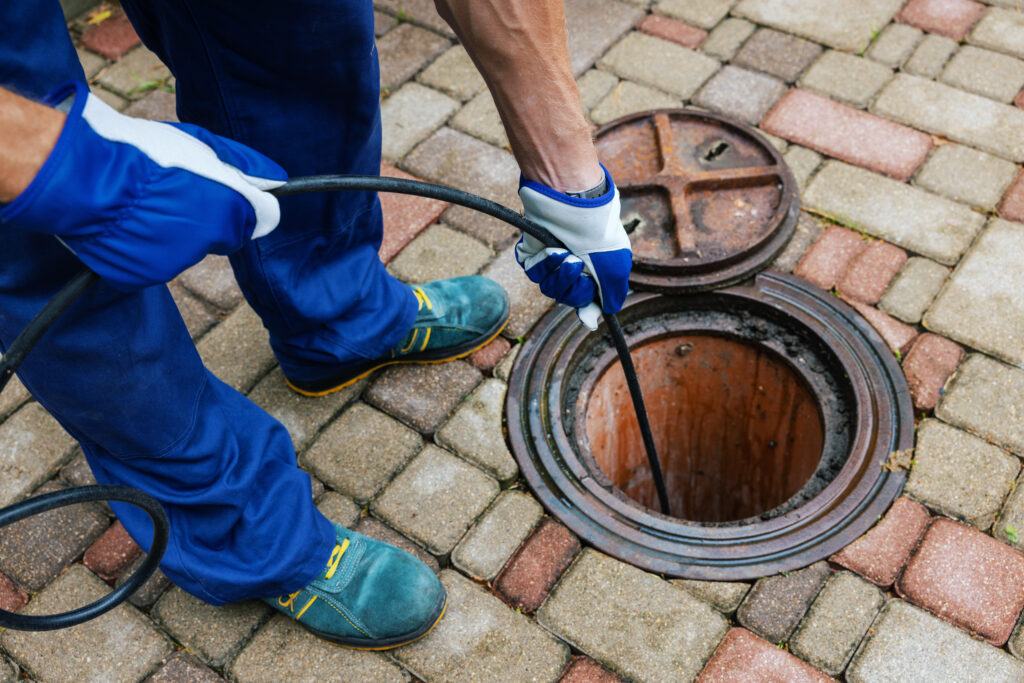

Once a clog is suspected, clearing it properly is crucial. For smaller obstructions, homeowners may turn to a sewer cleanout, a capped pipe located outside or in the basement. Removing the cap allows access for clearing tools or a sewer auger (also called a plumbing snake). These long, flexible cables can sometimes break up or retrieve the clog without requiring professional intervention.
Hydro jetting is another powerful option, where a high-pressure water jet cleans the pipe wall and dislodges debris. This method is especially useful against grease or scale build-up. However, it’s more aggressive, and older pipes might not withstand the pressure, making a professional inspection important beforehand.
Chemical treatments, especially acidic ones, are typically discouraged. While widely available, they can corrode older plumbing systems and pose environmental hazards. If you’re using any chemical, be certain it is sewer-safe and compatible with your pipe material.
When to Call a Professional
There’s a distinct point where DIY solutions turn into damage control. If repeated attempts to clear the clog don’t alleviate the symptoms, it’s time to get a licensed plumber involved. Professionals use video inspection tools to assess the exact location and cause of the blockage. This not only confirms the problem but helps avoid unnecessary excavation or future recurrence.
In cases of collapsed or severely corroded pipes, replacement may be the only solution. Trenchless options like pipe bursting or lining offer less invasive alternatives to traditional dig-and-replace techniques. These methods require significant expertise but can restore system integrity without tearing up landscaping or driveways.
Preventive Practices and Maintenance Tips
The most cost-effective way to deal with sewer clogs is preventing them altogether. Be mindful of what you flush. Only toilet paper and human waste should go down toilets. Avoid pouring fats, oils, or food debris down sinks. Use drain screens to catch hair and soap scum in showers and tubs.
If you have a lot of trees or suspect your lines are aging, smartphone-connected sewer cameras or annual inspections can offer insights into early warnings. Consider scheduling a yearly hydro jet cleaning or enzyme-based drain treatment to maintain cleanliness. These practices help detect and manage small issues before they escalate into major repairs.
Why Armadillo Can Make All the Difference
Even with the best preventive care, plumbing systems remain vulnerable to surprise failures and hidden weaknesses. That’s exactly why a home warranty with a trusted service partner like Armadillo is so valuable. Armadillo offers customizable protection plans tailored to your needs—helping cover the repairs and service calls that come with critical sewer line issues. Beyond peace of mind, it provides reliable, vetted professionals and fast response times when your home systems need help the most. Visit Armadillo’s homepage to learn more, or start building your custom protection plan now at Plan Builder.