What Is an AC Drain Line and Why Does It Matter?
Your air conditioner does more than cool the air inside your home. It also pulls moisture out of that air, which is a big part of why your house feels comfortable on a humid summer day. That moisture has to go somewhere, and that somewhere is your AC drain line — a small but critically important component of your cooling system. When that line gets clogged, things can go sideways fast. We are talking water damage, mold, and a system that may shut down entirely until the problem is resolved. Understanding how this works, and what to do about it, is one of the more practical things a homeowner can invest a few minutes learning.
How the AC Drain System Actually Works
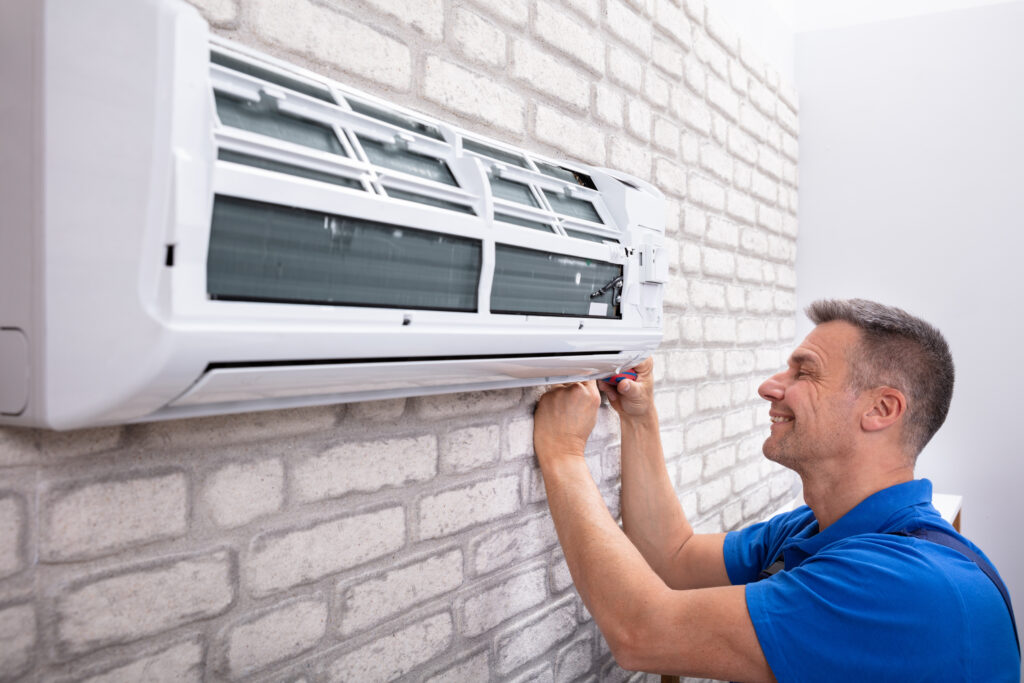
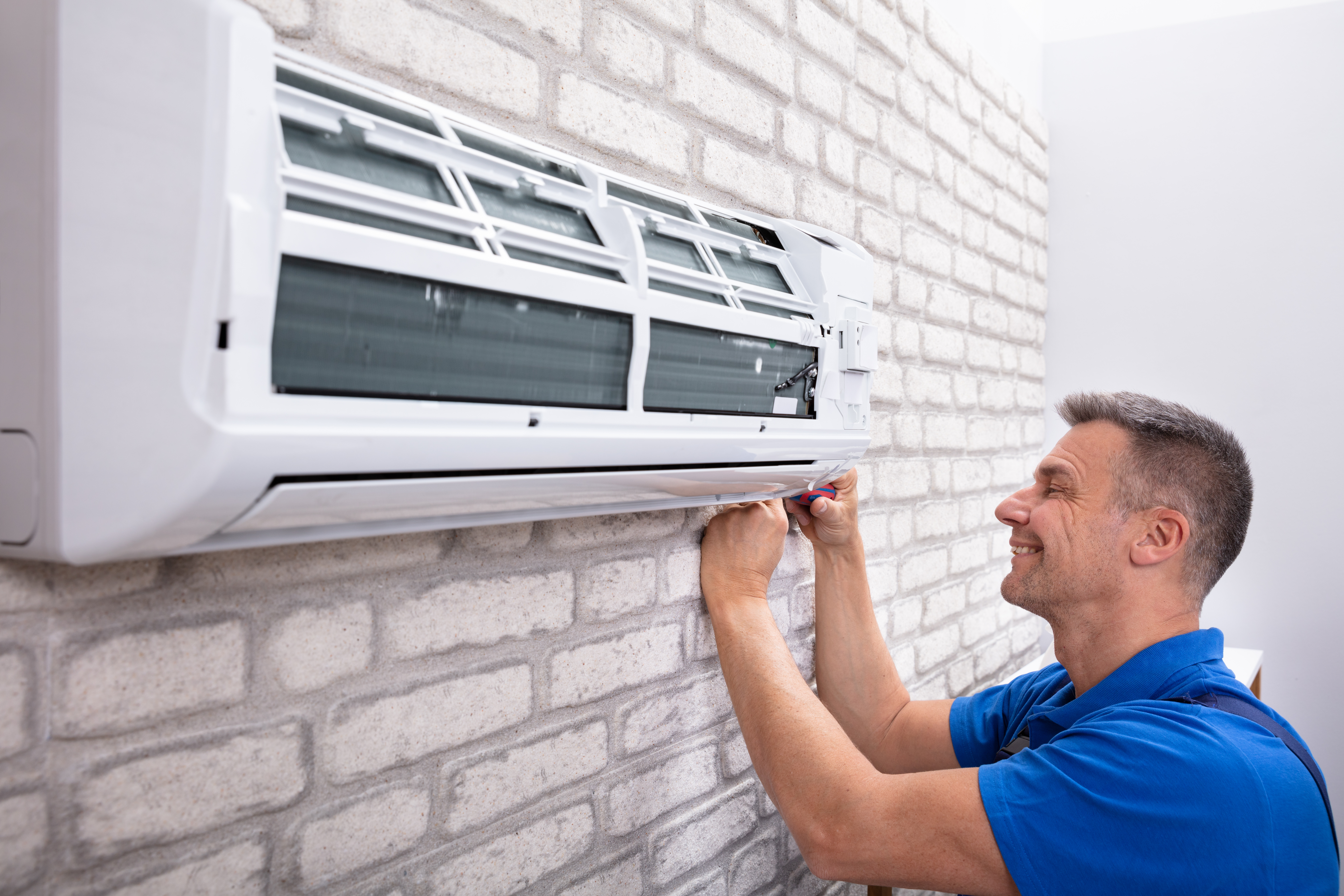
Inside your air handler or indoor unit, there is a component called the evaporator coil. Warm air from your home passes over this coil, which causes refrigerant inside it to absorb heat and cool the air. As a byproduct of this process, moisture condenses on the coil — the same way a cold glass of water sweats on a hot day. That condensation drips down into a drain pan sitting directly beneath the coil. From there, it flows out through the condensate drain line, which is typically a PVC pipe routed to a floor drain, utility sink, or outside your home. Under normal conditions, this process is invisible and effortless. The problem starts when that drain line becomes blocked.
What Causes a Clogged AC Drain Line?
The condensate drain line is a dark, damp, slow-moving pipe — which makes it basically a welcome mat for algae, mold, mildew, and even small insects. Over time, biological growth builds up inside the line and restricts or completely blocks the flow of water. Dust and debris that gets pulled through the system can also accumulate in the drain pan and eventually work its way into the line. In some cases, the drain line is simply installed at an insufficient slope, causing water to sit and stagnate rather than drain freely. None of these causes are rare or unusual. A clogged AC drain line is one of the most common HVAC service calls, and it tends to happen when homeowners least expect it — usually during the hottest stretch of summer when the system is running hardest.

Warning Signs Your AC Drain Line Is Clogged
Catching a clog early can be the difference between a minor fix and a significant repair bill. Your system will often give you signals before the situation becomes a full emergency. Some of the most common warning signs include the following.
- Standing water around the base of your indoor air handler unit
- Water stains on walls, ceilings, or floors near the air handler
- A musty or moldy odor coming from your vents or the unit itself
- Your air conditioner shutting off unexpectedly or failing to start
- The drain pan visibly full of water
- Increased humidity levels inside the home despite the AC running
Most modern HVAC systems are equipped with a float switch in the drain pan. When water reaches a certain level, this switch triggers a system shutdown to prevent overflow and water damage. So if your AC suddenly stops working and you cannot figure out why, a clogged drain line should be near the top of your diagnostic checklist.
Can You Clear a Clogged AC Drain Line Yourself?
In many cases, yes — with some important caveats. The most widely recommended DIY approach involves flushing the drain line with a mixture of distilled white vinegar and water, or using a wet-dry vacuum to suction out the blockage from the exterior end of the drain line. Pouring about a cup of undiluted white vinegar into the drain line access point near your air handler every one to three months is also a well-regarded preventive measure. That said, if the clog is deep in the line, if there is already water damage present, or if the issue keeps recurring, that is a situation for a licensed HVAC technician. Attempting to force a clog out without knowing where it is can sometimes push debris further into the line or damage the pipe itself.
The Real Cost of Ignoring a Clogged AC Drain
Here is where homeowners tend to underestimate the stakes. A clogged drain line that goes unaddressed long enough can cause the drain pan to overflow. That overflow can leak into walls, ceilings, subfloors, insulation, and drywall — none of which are cheap to fix. In humid climates, standing water in and around the air handler can also trigger mold growth within days. Remediation for mold is expensive, disruptive, and in some cases a health concern. Beyond the structural risks, an AC system that repeatedly shuts down on high-heat days due to a tripped float switch is not doing its job, which creates discomfort and can put added strain on the system when it does cycle back on. The drain line is a small component, but its failure can create a cascade of consequences that reach far beyond the mechanical closet.
Preventive Maintenance That Actually Works
Keeping your condensate drain line clear does not require a lot of effort, but it does require consistency. A few habits can significantly reduce the likelihood of a clog forming in the first place.
- Flush the drain line with white vinegar or a diluted bleach solution every one to three months during active cooling season
- Change your air filter regularly — dirty filters allow more debris into the system, some of which ends up in the drain pan
- Schedule professional HVAC tune-ups at least once a year, ideally before cooling season begins
- Keep the area around your air handler clean and free of dust accumulation
- Inspect the drain pan periodically for standing water, rust, or visible debris
These are not complicated steps, but they are the kind of things that get skipped when life gets busy. Building them into a seasonal home maintenance routine is the most reliable way to stay ahead of a problem that has no interest in waiting for a convenient time to surface.
What Home Warranties Typically Cover — and What They Do Not
This is a question worth addressing directly, because the answer is not always straightforward. Home warranties are service contracts that cover the repair or replacement of home systems and appliances when they fail due to normal wear and tear. Many home warranty plans do cover HVAC systems, including certain components related to the condensate drain. However, coverage specifics vary considerably between providers and plan tiers. Some plans will cover the labor and parts involved in clearing a clogged drain line, while others may treat it as a maintenance issue and exclude it. What most home warranties do not cover is the resulting water damage from a drain overflow — that falls under homeowners insurance, not a warranty. Reading the fine print matters here, and it matters more than most people realize until they are standing in a puddle next to their air handler.
Why Armadillo Is Worth Considering When Your AC Has Other Plans
A clogged AC drain line is a perfect example of the kind of problem that feels small until it is not. It is the type of failure that sneaks up on you, often during the worst possible time of year, and suddenly you are juggling HVAC service calls, potential water damage assessments, and the stress of not knowing what anything is going to cost. That is exactly the situation a solid home warranty is designed to address. Armadillo home warranty coverage for HVAC systems and essential home components is built around transparency — clear terms, honest pricing, and coverage that is actually designed to hold up when something breaks. No runaround, no wall of exclusions written in font that requires a magnifying glass. When your condensate system fails and your air conditioner shuts down in July, the last thing you want is ambiguity about whether you are covered. Get a free home warranty quote to protect your AC system and more and find out exactly what your home could be covered for before the next surprise shows up uninvited.

Frequently Asked Questions About Clogged AC Drain Lines
Homeowners dealing with AC drain issues tend to have a lot of the same questions. Here are straightforward answers to the most common ones.
How do I know if my AC drain line is clogged?
The most common signs are water pooling around your indoor unit, a musty odor from the vents, your AC shutting off unexpectedly, or a visibly full drain pan. Any one of these symptoms warrants a closer look at the condensate drain system.
Can a clogged AC drain line cause water damage?
Yes. When the drain pan overflows due to a blocked line, water can seep into surrounding walls, flooring, insulation, and drywall. In humid conditions, mold can begin developing within 24 to 48 hours of water exposure.
How often should I clean my AC drain line?
Flushing the condensate drain line with white vinegar or a diluted bleach solution every one to three months during active cooling season is a reasonable maintenance schedule for most homes.
Why does my AC keep shutting off by itself?
A common reason is a triggered float switch in the drain pan. When water backs up due to a clogged drain line, the float switch shuts the system down automatically to prevent overflow and damage. Clearing the clog typically restores normal operation.
Is clearing a clogged AC drain line a DIY job?
Minor clogs near the access point can often be addressed using a wet-dry vacuum or a vinegar flush. Persistent, deep, or recurring clogs are better handled by a licensed HVAC technician to avoid making the problem worse.
Does a home warranty cover a clogged AC drain line?
It depends on the provider and plan. Some home warranties cover HVAC drain line issues under normal wear and tear, while others classify it as a maintenance item and exclude it. Reviewing your coverage terms carefully before a problem occurs is strongly advisable.
What is the white pipe coming out of my house near the AC unit?
That is almost certainly the condensate drain line. It is designed to carry moisture collected from the evaporator coil to the exterior of the home. If you notice water dripping from it, that is normal. If it appears dry during heavy cooling periods, the line may be blocked.
Can a clogged drain line damage my AC compressor?
Not directly, but a system that repeatedly shuts down due to a triggered float switch experiences interrupted cooling cycles, which can add stress to components over time. Keeping the drain clear supports overall system longevity.
How much does it cost to have an HVAC technician clear a drain line?
Costs vary by region and provider, but professional condensate drain cleaning typically ranges from around fifty dollars to two hundred dollars depending on the severity of the clog and whether additional components need attention.
Does homeowners insurance cover water damage from an AC drain overflow?
Homeowners insurance may cover sudden and accidental water damage depending on your policy, but coverage for gradual leaks or maintenance-related failures is often excluded. A home warranty covers the mechanical failure itself, while homeowners insurance addresses the resulting property damage — the two work differently and ideally together.