The Modern Clothes Dryer: Lifespan Expectations, Functionality, and Home Warranty Protection
The clothes dryer is one of the most valuable appliances in a modern household, adding efficiency and convenience to a mundane task. Yet, like every mechanical system in a home, it operates on borrowed time. Understanding what makes a dryer tick, how long it typically lasts, and how homeowners can protect their investment is key to making smart, economical decisions. Whether you’re already relying on your dryer daily or considering an upgrade, this guide breaks down the essentials—from internal mechanics to common issues, from maintenance tips to the benefits of home warranty coverage.
Understanding the Role and Operation of a Clothes Dryer
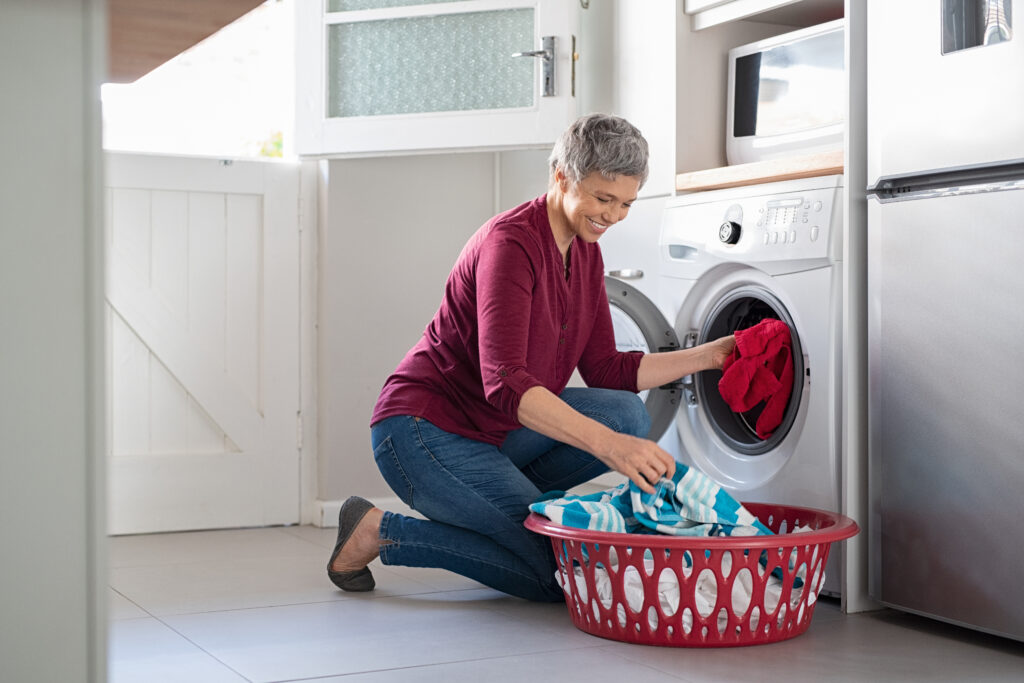
A clothes dryer is more than a metal box that blows hot air. It’s a complex system of components working together to transform damp laundry into ready-to-wear garments. Modern dryers use either electric or gas energy sources to generate heat, which is then circulated throughout a rotating drum. The moist air is vented out, and sensors monitor moisture levels to avoid over-drying. Add in control boards, thermostats, blowers, heating elements or gas burners, all working together, and the system becomes vulnerable to gradual wear—and periodic failure. Dryers typically come in vented or ventless models, each with their own mechanical peculiarities and maintenance demands.
Average Life Expectancy of a Dryer
According to most manufacturers and consumer reports, the average life expectancy of a residential clothes dryer hovers around 10 to 13 years. This depends on several variables including brand, usage frequency, maintenance practices, and whether it’s a gas or electric model. Electric dryers tend to have fewer maintenance issues over time but may lose efficiency in the long term. Gas dryers may deliver better performance at first, but service calls related to gas connections, ignition systems, or clogged venting lines tend to add up over the years. Most dryers don’t fail overnight—they decline through a series of smaller symptoms: inconsistent heating, strange noises, extended drying times. These problems often indicate internal wear long before the appliance stops working altogether.
Common Dryer Problems and Warning Signs
Understanding the common points of failure can help homeowners make smarter decisions about repair versus replacement. A dryer that’s taking longer than usual to dry clothes might signal a failing moisture sensor or clogged exhaust vent. Frequent overheating could point to a faulty thermostat or heating element. A sudden refusal to start could stem from a failed thermal fuse, damaged door switch, or control board malfunction. Strange noises often come from weakened drum bearings or worn-out belts. Each of these parts has a different expected lifespan. Most belts and rollers may last 8-10 years. Heating elements tend to fail after six or seven. Drums can last the full duration—if not damaged by consistent overloading. Unfortunately, repair bills can snowball quickly, especially when labor costs are factored in. A $30 fuse becomes a $200+ service call, while complex failures may lean toward full replacement territory.
Maintenance Tips to Extend the Lifespan
Routine maintenance is the most effective way to extend your dryer’s usable years. Clean the lint filter after every cycle—not occasionally, every single time. Deep-clean exhaust vents and ductwork at least twice each year. Accumulated lint is not only a fire hazard but also a primary reason dryers lose efficiency over time. Don’t overload the drum. Oversized loads put stress on the belt, motor, and internal sensors. Schedule a yearly inspection or do a self-check if comfortable—listen for changes in motor pitch, monitor drying times, and inspect seals and gaskets. Ensure the dryer is properly leveled to reduce vibration and premature wear on shaft components. Consistent maintenance delays the costly decision point between repair and full replacement.
Repair vs. Replace: The Decision Framework
The average cost of a dryer repair lands between $150 and $400 depending on the part and local labor pricing. When a dryer is more than eight years old and your repair estimate hits the high end, it becomes cost-effective to consider replacement. However, if the issue is with replaceable parts like sensors or fuses, and your dryer is under eight years, repair may make more sense financially. A new mid-range dryer costs between $600 and $1,000, and high-efficiency or smart models push well beyond. Homeowners need to weigh repair frequency, energy efficiency, and daily inconvenience. Don’t forget to consider electrical or gas line upgrades that may accompany replacing an older unit. The equation isn’t always straightforward—which is where a home warranty delivers real strategic value.
Where a Home Warranty Comes In
Dryers have one big weakness—they fail inconveniently. A home warranty offsets those unplanned disruptions. With a home protection plan that includes clothes dryer coverage, repair and replacement costs for covered faults can be significantly reduced. This is especially beneficial for homeowners with appliances approaching the end of their average lifecycle. Rather than attempting to budget for unexpected repairs across multiple systems, a warranty provides a predictable financial safeguard. Plans often cover the main components responsible for frequent dryer failures: thermostats, heating elements, control boards, belts, and more. It’s also a way to streamline repair logistics—homeowners contact their warranty provider, who handles dispatching qualified service technicians. This keeps repair timelines under control while protecting your investment.
Why Armadillo is the Right Fit for Dryer Coverage
A well-functioning home should not be interrupted by appliance failures. Armadillo offers a modern, digitally managed home warranty experience grounded in clarity, speed, and total reliability. Clothes dryers are just one of the many systems we protect—because homes are more than walls and wires; they’re living ecosystems. With a plan from Armadillo, you’re not gambling on repair bills. You’re building peace of mind through predictable coverage. Whether you’re safeguarding a newer model or extending the value of an aging unit, our customizable plans are designed to grow with your home. You can learn more at www.armadillo.one or begin building your home protection plan today with just a ZIP code at our plan selection tool. Make the smart choice—because when your home works, everything works.