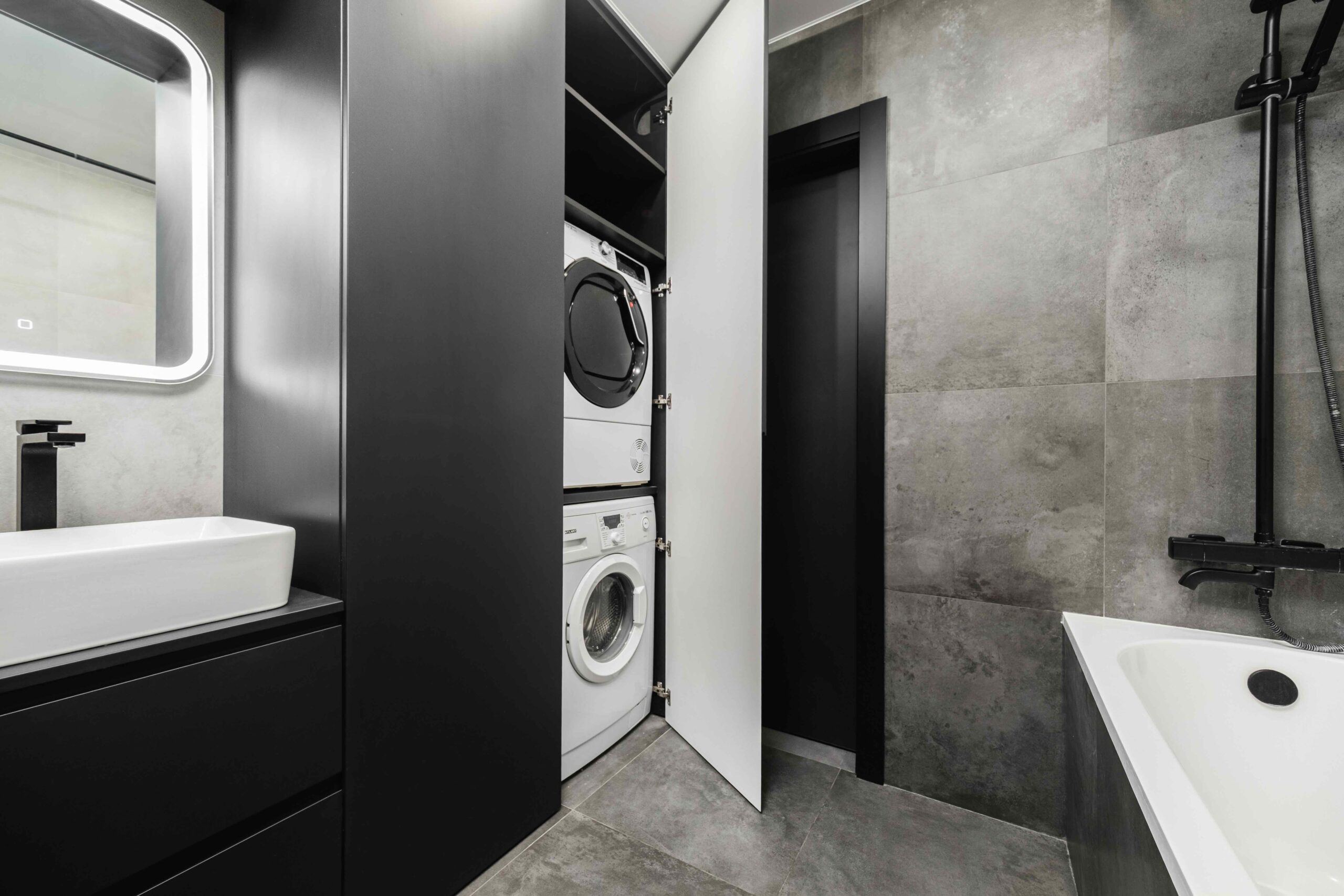
What Is a Compact Small Washing Machine and Do You Actually Need One?
So here is the thing about laundry — it never stops. Whether you live in a studio apartment, a tiny home, a college rental, or just have a smaller household, the idea of squeezing a full-size washing machine into your space is sometimes a non-starter. That is exactly where the compact small washing machine comes in. These units are designed to handle real laundry loads without demanding the real estate of a traditional washer. They are not a compromise. They are a calculated choice, and for the right homeowner, they make a lot of sense.
How a Compact Small Washing Machine Actually Works
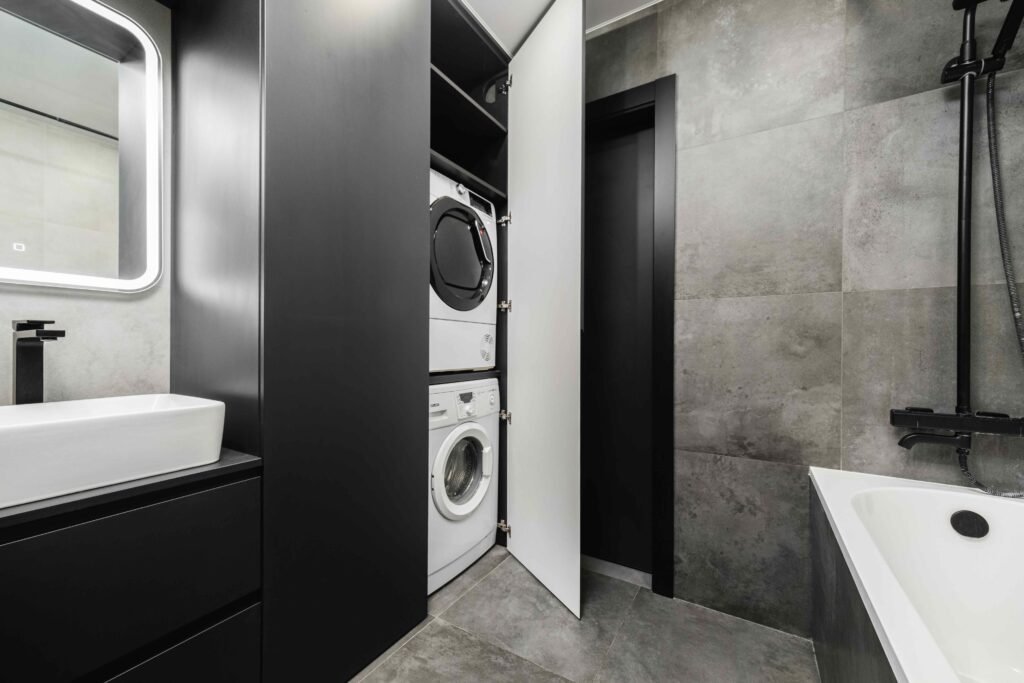
Compact washing machines operate on the same fundamental principles as full-size units. Water enters the drum, detergent breaks down dirt and oils in the fabric, the drum agitates the clothing, and then the machine drains and spins the load to remove excess moisture. The difference lies in the drum capacity, overall dimensions, and sometimes the water connection type. Many compact washers are designed to connect directly to a standard sink faucet rather than requiring dedicated hot and cold water hookups. Some are portable and require no permanent installation at all. Others are built-in compact models that fit under counters or in closets. Electrically, most run on a standard 120-volt outlet, which is another significant advantage over the 240-volt requirement of full-size machines.
Types of Compact Washing Machines You Should Know About
Not all compact washers are the same, and understanding the categories helps you choose the right one for your setup. The most common types include portable tabletop washers, compact front-loaders, compact top-loaders, and twin-tub machines. Portable tabletop models are the smallest and most budget-friendly, typically handling two to three pounds of laundry per cycle. Compact front-loaders tend to be the most efficient and highest performing of the group, often stacking with a companion dryer. Twin-tub machines split the wash and spin functions into separate compartments, giving the user more manual control over the process. Each type has a distinct use case, and no single option is universally superior.

Key Advantages of Choosing a Compact Washer for Your Home
The benefits of a compact small washing machine are surprisingly substantial when you align them with the right lifestyle. Here is what makes these machines genuinely appealing to a wide range of homeowners and renters.
- Space efficiency: Most compact washers measure between 24 and 27 inches wide, compared to the standard 27 to 30 inches, and many are dramatically smaller than that.
- Lower upfront cost: Compact washers are generally more affordable than full-size models, making them accessible to budget-conscious buyers.
- Energy and water savings: Smaller drum capacity means smaller water consumption per cycle, which adds up on utility bills over time.
- Flexible installation: Many models require no permanent plumbing connections, making them ideal for renters or anyone in a transitional living situation.
- Portability: Some units can be stored when not in use, which is a genuine advantage in tight living spaces.
Common Drawbacks Worth Considering Before You Buy
Compact washers are not without their limitations, and being realistic about those limitations will save you frustration down the road. The most immediate drawback is load capacity. If your household generates significant laundry volume — think families with kids, active athletes, or anyone washing bulky bedding regularly — a compact machine will require more frequent cycles to keep up. That can offset some of the efficiency gains. Additionally, not all compact models offer the full range of wash settings found on full-size units, and spin speeds are sometimes lower, which means clothing may come out wetter than expected. Some portable models also require manual draining, which adds a step to the process. These are real trade-offs, not dealbreakers, but they deserve honest consideration.
Installation and Setup: What Homeowners Should Expect
One of the quieter advantages of compact washing machines is how straightforward the setup process tends to be. For portable models that connect to a sink faucet, the installation typically involves attaching a hose adapter to the faucet aerator, running the inlet hose to the machine, and positioning a drain hose over the sink or into a drain. The entire process can take under thirty minutes and requires no tools beyond possibly a wrench. Built-in compact units that connect to permanent plumbing are a bit more involved and may require a licensed plumber if dedicated water lines are not already in place. Either way, the electrical setup is generally uncomplicated given the standard voltage requirements.
Maintenance Tips to Keep Your Compact Washer Running Efficiently
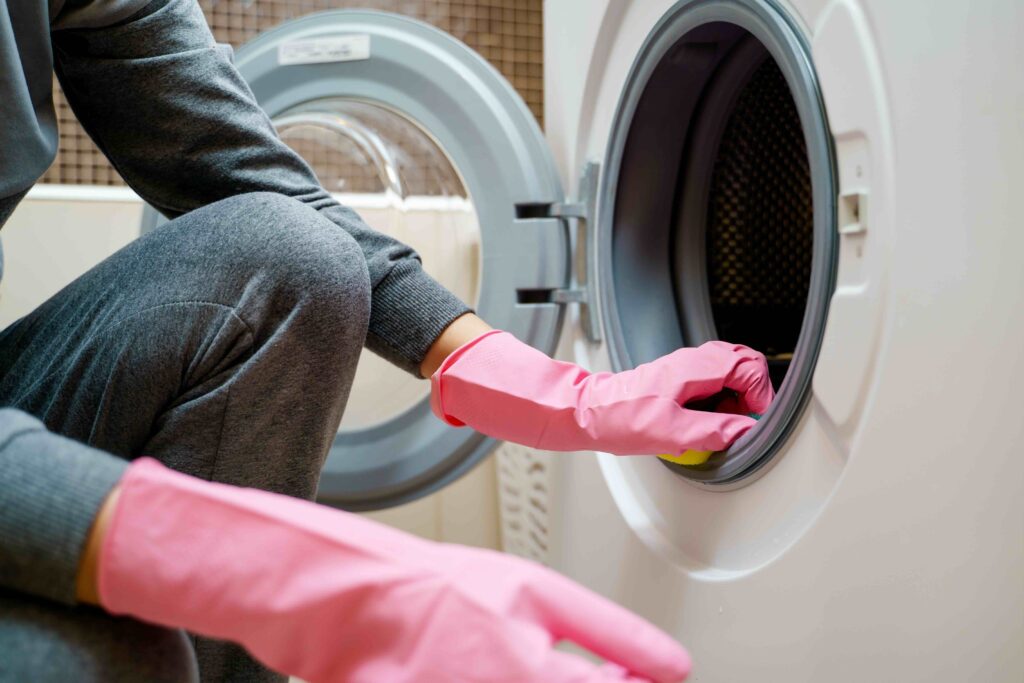
Routine maintenance extends the life of any appliance, and compact washers are no exception. Because these machines are smaller, certain issues — like lint buildup, detergent residue, and mildew — can develop more quickly if ignored. Running a monthly cleaning cycle with a washing machine cleaner or a mixture of white vinegar and baking soda helps prevent odor and residue buildup. Leaving the door or lid open after each cycle allows the drum to dry out, which discourages mildew growth. Checking hose connections periodically for signs of wear or leaking is also a smart habit, particularly on portable units where the hoses are frequently attached and detached. Using high-efficiency detergent in the correct quantity prevents soap scum from accumulating inside the drum.
Is a Compact Washing Machine the Right Fit for Your Household?
The honest answer depends on your specific circumstances. A single professional living in a city apartment who does laundry once a week is an ideal candidate for a compact washer. A family of five with a full basement and dedicated laundry room probably is not. Where compact washers genuinely shine is in situations where space is the primary constraint or where portability is a non-negotiable need. Vacation homes, guest houses, RV setups, and basement apartments are all environments where a compact washer fills a real gap. If you find yourself regularly hauling laundry to a laundromat because you lack the space for a full-size unit, a compact machine may pay for itself in convenience alone within the first year.
How Home Warranty Coverage Applies to Compact Washing Machines
This is a part of the conversation that homeowners often overlook until something breaks. Compact washing machines, like their full-size counterparts, are mechanical appliances that can and do fail. Motors wear out. Pumps stop working. Control boards malfunction. When a compact washer breaks down, the repair cost can sometimes approach or exceed the cost of replacing the unit, particularly for mid-range models. That is where a home warranty can provide meaningful financial protection. Coverage for washers under a home warranty plan typically includes repair or replacement of components that fail due to normal wear and use. However, it is important to review the plan specifics carefully, as some warranties distinguish between portable appliances and built-in units.
Why Armadillo Is the Smart Choice for Protecting Your Home Appliances
When your compact washing machine stops mid-cycle and there is a pile of wet laundry waiting, the last thing you want is to navigate a complicated claims process or wonder whether the repair is covered. That is exactly the kind of situation that Armadillo home warranty protection for appliances and home systems is built to handle. Armadillo offers straightforward, transparent coverage designed for real homeowners dealing with real appliance failures. No confusing fine print. No endless hold times. Just reliable support when your covered appliances need attention. Whether you are protecting a compact washer in a studio apartment or a full suite of home systems in a larger property, getting started is simpler than you might think. You can get a free home warranty quote for compact washer and appliance coverage in just a few minutes and know exactly what protection looks like for your home before anything goes wrong. That kind of peace of mind is worth having before the next breakdown, not after.

Frequently Asked Questions About Compact Small Washing Machines
Below are answers to the most common questions homeowners have when considering a compact small washing machine for their home.
What is the average drum capacity of a compact small washing machine?
Most compact washers offer between 1.5 and 2.5 cubic feet of drum capacity, compared to the 4.5 to 6 cubic feet found in full-size models. This is sufficient for small to moderate loads but requires more frequent washing for larger households.
Can a compact washing machine handle full-size bedding like comforters or duvets?
Most compact washers are not well-suited for bulky items like king or queen comforters. Smaller items such as twin blankets or throw blankets may fit depending on the specific model and its drum size.
Do compact washing machines require a dryer to complete the laundry cycle?
No. Many compact washers include a high-speed spin cycle that removes significant moisture from clothing, allowing items to air dry effectively. However, pairing with a compact dryer or ventless dryer speeds up the process considerably.
Are compact washing machines energy efficient?
Generally yes. Because they use less water per cycle and operate on standard 120-volt power, compact washers tend to consume fewer resources per load than full-size machines, though running multiple small cycles can offset those savings.
How long does a compact small washing machine typically last?
With proper maintenance, a quality compact washer can last between seven and twelve years. Budget portable models may have a shorter lifespan closer to five to seven years, depending on frequency of use and care.
Do I need a plumber to install a compact washing machine?
For portable models that connect to a sink faucet, no plumber is required. For built-in compact units that need dedicated water line connections, a licensed plumber is recommended to ensure proper installation and prevent water damage.
Is a compact washing machine covered under a standard home warranty plan?
Coverage varies by provider and plan. Many home warranty plans cover washers as part of their appliance protection, but it is important to confirm whether the specific policy includes portable or compact units, as some plans focus on built-in appliances only.
What type of detergent should I use in a compact washing machine?
High-efficiency detergent is recommended for most compact washers, particularly front-loaders and models with lower water volume cycles. Using standard detergent in excess quantities can lead to soap residue buildup and reduced machine performance over time.
Can I use a compact washing machine in an apartment without laundry hookups?
Yes. Many compact and portable washing machines are specifically designed for use in apartments without dedicated laundry connections. These models typically attach to a standard kitchen or bathroom faucet and drain into a sink, requiring no permanent installation.
What is the difference between a portable washing machine and a compact washing machine?
The terms are often used interchangeably, but there is a distinction. Portable washers are designed for temporary placement and typically connect to sink faucets. Compact washers may be portable or built-in, and the category more broadly refers to machines with reduced overall dimensions compared to standard full-size units.