What Is a Compact Washer Dryer Set and Why Are Homeowners Talking About It?
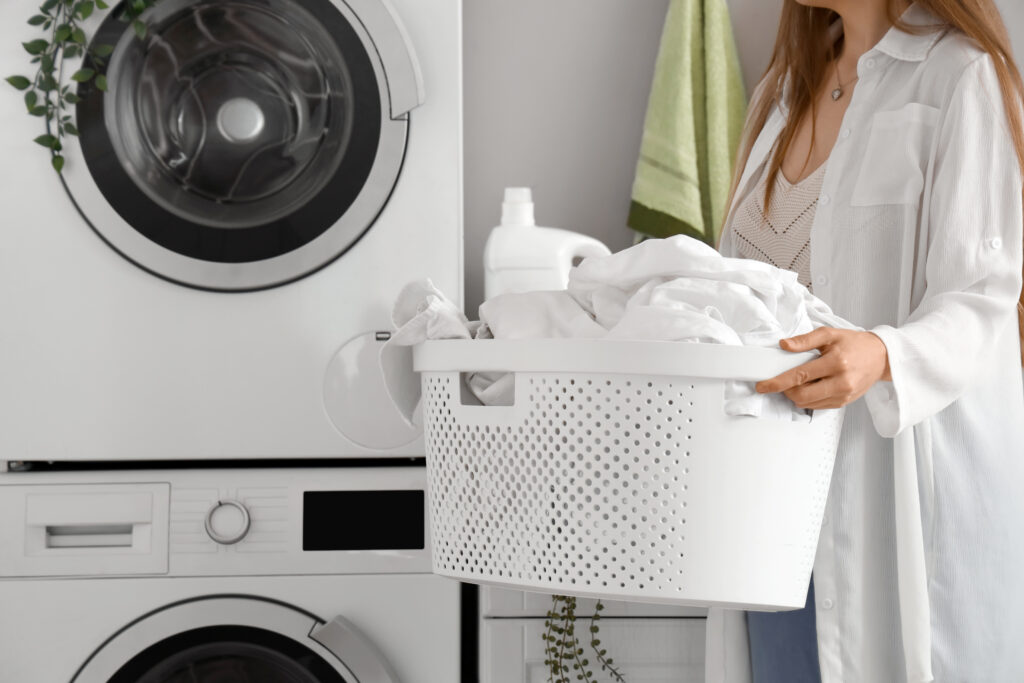
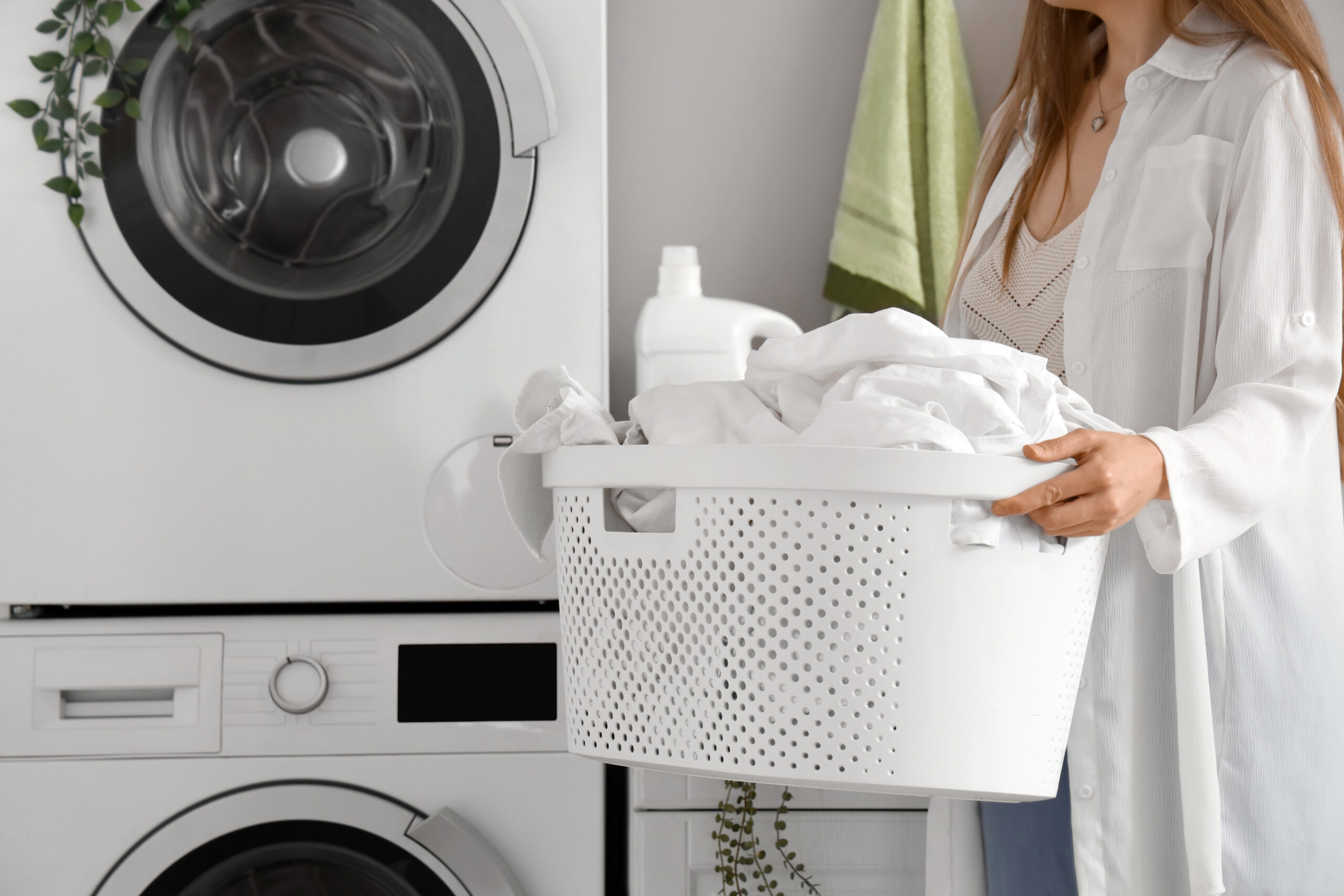
If you have ever stood in a laundry room that barely fits one person, let alone two full-sized appliances, you already understand the appeal of compact washer dryer sets. These space-saving units are designed to deliver the same core functionality as their full-sized counterparts while occupying a fraction of the footprint. Whether stacked vertically, installed side by side in a closet, or tucked beneath a countertop, compact laundry appliances have moved from novelty status to a genuinely practical solution for a wide range of homes. Condos, apartments, smaller single-family homes, and even vacation properties have all embraced this shift. And as home values climb and square footage stays at a premium, the conversation around compact washer dryer sets is only getting louder.
How Compact Washer Dryer Sets Actually Work
At their core, compact washers and dryers operate on the same fundamental principles as standard-sized machines. The washer agitates, spins, and rinses clothing using water and detergent. The dryer applies heat and airflow to remove moisture from clothes after the wash cycle. What changes in a compact configuration is the drum size, the physical dimensions of the unit, and in some cases, the technology used to generate heat. Many compact dryers use condensation drying rather than traditional venting, which means they do not require an external exhaust duct. Instead, moisture from clothes is collected and either drained away or stored in a reservoir. This is a meaningful distinction because it gives homeowners far more flexibility in terms of where the units can be installed. A ventless compact dryer can sit in a hallway closet or under a kitchen counter without any duct modifications to the home.
The Key Advantages of Going Compact
The benefits here extend well beyond saving floor space, though that alone is enough for many homeowners to make the switch. Compact washer dryer sets come with a range of practical advantages that are worth laying out clearly.
- Space efficiency: Units typically measure around 24 inches wide, compared to the standard 27 to 30 inches, making them compatible with closets, alcoves, and tight utility areas.
- Installation flexibility: Ventless dryer models eliminate the need for external ductwork, opening up installation options in locations where traditional laundry rooms are not feasible.
- Energy considerations: Smaller drum sizes generally mean smaller load capacity, which can translate to lower energy and water usage per cycle when loads are sized appropriately.
- Stackability: Most compact sets are engineered to stack, allowing both appliances to occupy the same square footage as a single full-sized unit.
- Cost accessibility: Compact units often carry a lower upfront price point compared to premium full-sized appliances, making them an attractive option for budget-conscious homeowners.
Common Drawbacks You Should Know Before You Buy
No appliance is without its limitations, and compact washer dryer sets are no exception. The reduced drum capacity is the most commonly cited frustration among homeowners. If your household regularly produces large loads of laundry, bulky bedding, or heavy towels, you may find yourself running multiple cycles to get through what a full-sized machine handles in one pass. Condensation dryers, while convenient from an installation standpoint, also tend to run longer drying cycles than vented alternatives, which can add up in both time and electricity costs over the long run. Additionally, some compact models offer fewer wash cycle options or temperature settings, which may matter depending on your laundry habits. Repair costs can also be a consideration, since compact units sometimes require specialized technicians and parts that are not as widely available as components for standard machines.

Stacked vs. Side-by-Side: Choosing the Right Layout
One of the first configuration decisions homeowners face is whether to stack the units or place them side by side. Stacking makes the most sense when floor space is severely limited but vertical clearance is available. Most manufacturers offer a stacking kit specifically designed for their compact sets, and it is strongly recommended to use the kit made for your specific model rather than improvising. Side-by-side installation works well in wider but shallower spaces, like a dedicated laundry closet with a bifold door. It also tends to make loading and unloading slightly more ergonomic since both machines sit at a lower, more accessible height. Whatever layout you choose, make sure to account for door swing clearance, access to controls, and proximity to water hookups and electrical outlets before finalizing placement.
Vented vs. Ventless Compact Dryers: A Practical Breakdown
This distinction matters more than most homeowners initially realize. A vented compact dryer exhausts hot, moist air through a duct to the outside of the home, similar to a traditional dryer. It typically dries faster and is less expensive to operate per cycle. However, it requires an existing duct path or the installation of one, which limits placement options. A ventless compact dryer uses either condensation technology or a heat pump system to remove moisture without external exhaust. Heat pump dryers, in particular, are gaining significant traction because they are notably more energy-efficient than resistance-heating models. They do cost more upfront, but the long-term savings on utility bills can offset that investment over time. If your home does not have existing dryer venting and you want the maximum placement flexibility, ventless is generally the smarter path forward.
Maintenance Tips to Keep Your Compact Set Running Smoothly
Compact appliances require consistent upkeep, just like their full-sized counterparts. In fact, because the components are engineered into a smaller frame, airflow and drainage pathways can become restricted more quickly if maintenance is deferred. Clean the lint trap after every single dryer cycle without exception. If you have a condensation dryer, empty the water reservoir regularly and periodically clean the condenser unit according to the manufacturer’s instructions. Inspect hoses on the washer for signs of wear or leaking at least once a year, and replace rubber hoses every three to five years as a general best practice. Leaving the washer door slightly ajar after cycles helps prevent mold and odor buildup inside the drum, which is a common complaint with front-loading compact models. A little routine attention goes a long way with these appliances.
How Home Warranties Relate to Compact Washer Dryer Sets
Here is where things get particularly relevant for homeowners thinking long-term. Compact washer dryer sets are mechanical appliances, and like all mechanical appliances, they will eventually experience component failures. Motors wear out. Control boards malfunction. Water pumps fail. When that happens, repair costs can be significant, especially for compact units where parts may be harder to source. A home warranty plan that covers laundry appliances can act as a financial buffer against these unexpected expenses. Rather than absorbing a several-hundred-dollar repair bill out of pocket, a home warranty connects you with a qualified technician and covers eligible repair or replacement costs based on your plan terms. For homeowners who rely on compact units in spaces where no backup laundry option exists, that kind of protection is not just convenient. It is genuinely valuable.
Is a Compact Washer Dryer Set the Right Choice for Your Home?
The honest answer depends on your household size, laundry volume, and available space. For one or two-person households, compact sets often provide more than adequate capacity. For families of four or more with high laundry demand, the reduced drum size may create real friction in the weekly routine. That said, some homeowners use compact units as supplementary laundry solutions in addition to a primary full-sized setup, which is a smart approach for larger homes with multiple floors or accessory dwelling units. If your situation involves limited square footage, a layout without existing dryer venting, or a budget that favors lower upfront appliance costs, a compact washer dryer set is worth serious consideration. Just go in with realistic expectations about cycle times, load capacity, and long-term maintenance needs.
Protect Your Compact Laundry Investment with the Right Home Warranty
Compact washer dryer sets represent a real investment in your home’s functionality, and protecting that investment is a responsible move that too many homeowners overlook until something breaks at the worst possible moment. That is exactly where Armadillo comes in. As a trusted home warranty provider for appliance and system protection, Armadillo offers straightforward, transparent coverage built around what homeowners actually need. No confusing fine print, no runaround when it is time to file a claim. If your compact washer motor gives out or your dryer control board stops responding mid-cycle, you want a plan that moves quickly and does not leave you guessing about what is covered. Take a few minutes to explore home warranty plans that cover compact washers and dryers and find coverage that fits your home and your budget. The best time to get covered is before something breaks, not after.

Frequently Asked Questions About Compact Washer Dryer Sets
Answers to the most common questions homeowners ask about compact laundry appliances.
What is the standard size of a compact washer or dryer?
Most compact washers and dryers measure approximately 24 inches wide, 33 to 34 inches tall, and 22 to 26 inches deep, which is noticeably smaller than the standard 27 to 30-inch width of full-sized units.
Can a compact washer dryer set handle large items like comforters or bedding?
Compact sets can handle smaller comforters and lightweight bedding, but oversized items like king-sized duvets may exceed the drum capacity and require a trip to a commercial laundromat.
Do compact dryers need to be vented to the outside?
Not necessarily. Ventless compact dryers use condensation or heat pump technology to remove moisture without external ductwork, making them suitable for interior closets, apartments, and spaces without existing dryer venting.
Are compact washer dryer sets more energy-efficient than full-sized models?
They can be, particularly when loads are sized appropriately for the smaller drum capacity. Heat pump compact dryers are especially efficient and carry Energy Star certification in many cases.
How long do compact washers and dryers typically last?
With proper maintenance, compact washers generally last around 10 to 12 years, while compact dryers tend to have a similar lifespan, though this varies by brand, usage frequency, and maintenance consistency.
Is it safe to stack a compact washer and dryer?
Yes, when done correctly using a manufacturer-approved stacking kit. Improvised stacking solutions are not recommended as they can create safety hazards and may void the appliance warranty.
How often should I clean or service my compact washer dryer set?
The lint trap should be cleared after every drying cycle. The condenser unit and water reservoir on ventless models should be cleaned monthly. Hoses and connections on the washer should be inspected annually.
Does a home warranty cover compact washer and dryer units?
Many home warranty plans do include coverage for washers and dryers, including compact models. Coverage terms vary by provider, so it is important to review plan details to confirm compact appliances are explicitly included.
What is the difference between a combo unit and a compact washer dryer set?
A compact washer dryer set consists of two separate appliances, either stacked or side by side. A combo unit is a single machine that performs both washing and drying functions within one drum, which saves even more space but typically involves longer cycle times.
Can I install a compact washer dryer set in an apartment or rental unit?
In many cases, yes, particularly ventless models that do not require permanent ductwork modifications. Always check with your landlord and local building codes before installation to ensure compliance with lease terms and safety regulations.