The HVAC System Explained: What Every Homeowner Should Know
Your home should be a place of comfort. Central to keeping it that way—year-round—is your HVAC system. That three-letter acronym stands for Heating, Ventilation, and Air Conditioning. It’s not just another home term to skim past. In fact, if you’re a homeowner looking to control energy costs, maintain indoor air quality, and avoid emergency repair bills, it’s time to understand exactly how your HVAC works, how to care for it, and what signs indicate it needs attention. A well-functioning HVAC system goes beyond just climate control—it impacts your health, wallet, and overall home value. And if you’re managing your home on a budget, keeping this system running efficiently becomes even more important. Let’s take a closer look at what makes HVAC systems essential and how smart maintenance—combined with reliable coverage—can help you get the most from this critical home appliance.
What Is an HVAC System?
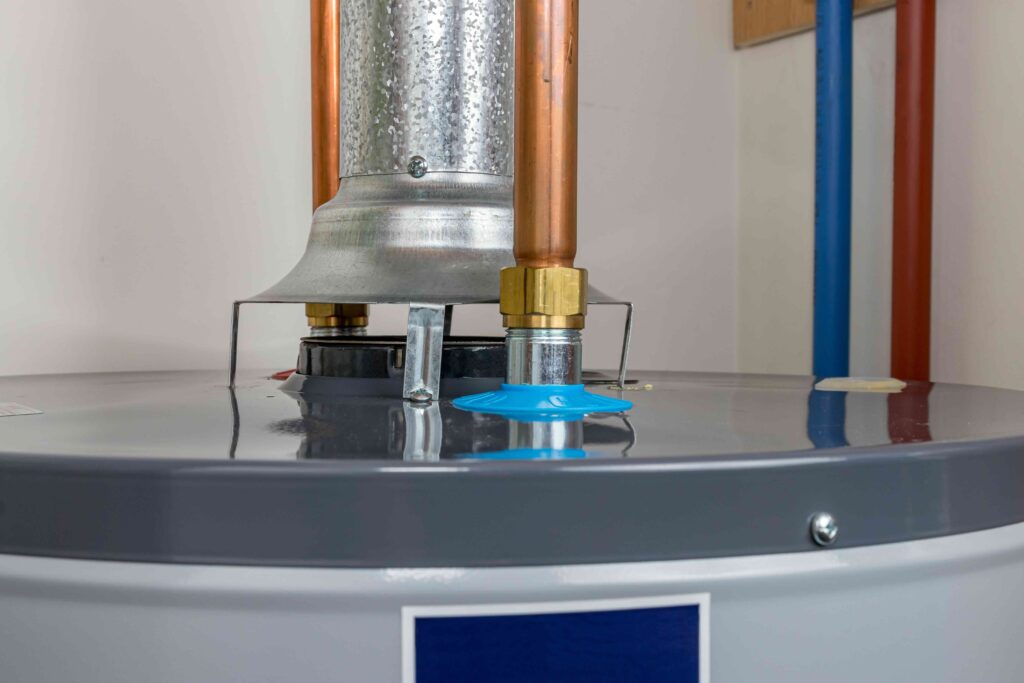
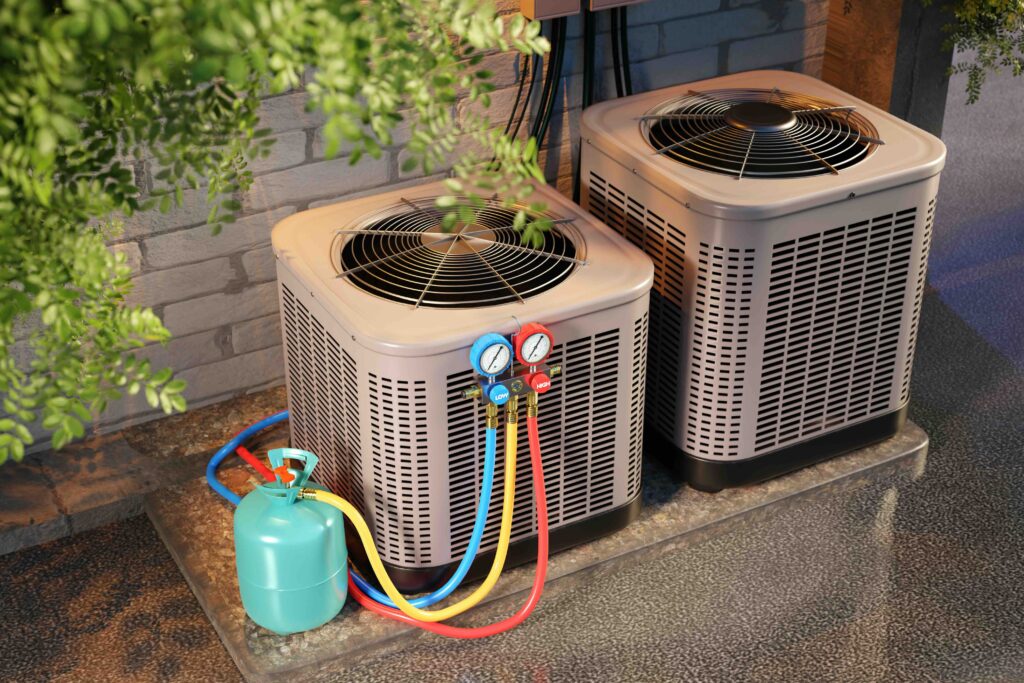
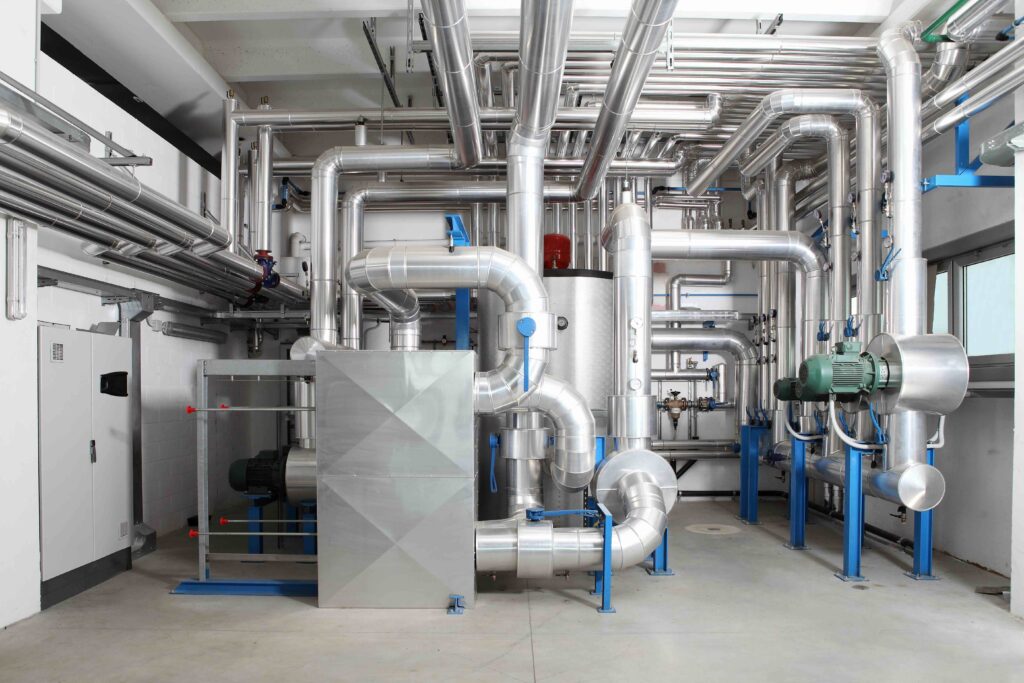
An HVAC system is the backbone of indoor environmental comfort. In most homes, it includes several core components: a furnace or heat pump for heating, an air conditioning unit for cooling, ductwork for air distribution, a thermostat for control, and often, added ventilation systems or air purifiers. All of these parts work together to keep your home cool in summer and warm in winter, all while filtering the air you breathe. Some systems even manage humidity levels. Whether your setup is a central air system, a ductless split, or a packaged unit, the basic principle stays the same: your HVAC system regulates temperature and air quality to make your home livable all year round.
How Does the HVAC System Work?
In heating mode, your HVAC pulls in air, warms it using either a gas furnace or electric heat pump, and then distributes it via ducts throughout the home. In cooling mode, warm air is extracted from your living space, passed over refrigerant-filled coils to cool it, and then circulated back in. Ventilation is the often-overlooked third function. It involves bringing in fresh air, expelling stale air, and balancing the airflow between rooms. A thermostat acts as the brain of the operation, signaling when to activate heating or cooling cycles based on your desired indoor temperature. Altogether, it’s a dynamic system that constantly monitors, adjusts, and delivers indoor air to your preferences—automatically, when working properly.
Key Advantages of a Well-Maintained HVAC System
First and foremost, an efficient HVAC system keeps your home comfortable with minimal energy waste. Regular maintenance—think seasonal filter changes and annual checkups—helps the system operate at peak performance. This translates to lower utility bills and reduced environmental impact. Second, a properly working HVAC system directly contributes to better indoor air quality. Cleaner filters and ducts mean fewer allergens, pollutants, and pollutants in the home. Third, a healthy system extends the life of the equipment. Furnaces and air conditioners aren’t cheap to replace. Routine care minimizes breakdowns and can buy you extra years before a costly upgrade is necessary. Finally, a reliable HVAC keeps you prepared. No one wants to wake up sweating in a heatwave—or shivering in a freeze—because their system failed unexpectedly.
Common Drawbacks and Failures in HVAC Systems
Like any system with mechanical and electrical components, HVAC units can—and do—fail, especially without routine care. One of the most common issues is clogged air filters. When ignored, they reduce airflow and overwork the system, leading to inefficient performance and possible breakdowns. Refrigerant leaks in the cooling system are another culprit, causing both a dip in cooling efficiency and higher energy costs. Older thermostats also tend to misread temperatures or cause short cycling. Worn-out motors, dirty condenser coils, and leaky ductwork all chip away at operational efficiency and add up in utility bills. The truth is, homeowners often don’t notice HVAC problems until they can feel them—and by then, costs spike. That’s precisely where a home warranty can shift the narrative from reactive repair to proactive protection.
Practical HVAC Maintenance Tips You Can Do Yourself
While major servicing should be handled by professionals, there are steps every homeowner can take to extend the health of their HVAC system. The first line of defense: change air filters every one to three months depending on usage and filter type. This simple habit can significantly boost airflow efficiency and air quality. Next, keep vents and registers unblocked by furniture or rugs. Clean visible parts of indoor and outdoor HVAC units regularly to remove dust, leaves, or debris. During seasonal shifts, run your system to test performance before extreme weather hits. Finally, listen for new sounds—whining, rattling, or clanking noises can be early indicators of internal issues. Staying alert saves money later.
When to Call the Professionals
If your HVAC bill suddenly climbs, indoor temperatures remain inconsistent, or you notice leaking around the system, schedule a professional inspection. A licensed technician can assess refrigerant levels, inspect duct integrity, and calibrate your thermostat. If your HVAC system is more than 10 years old, you may want to consider an efficiency evaluation. Higher SEER-rated units (Seasonal Energy Efficiency Ratio) are not only greener but could qualify you for local tax credits or rebates. It’s worth weighing repair costs against the long-term savings of an upgrade. Regardless, bringing in an expert for regular annual maintenance is one preventive measure you’ll rarely regret.
Where Home Warranty Coverage Makes a Difference
No matter how diligent your maintenance routine is, parts break. Systems fail. Unfortunately, HVAC repairs can cost thousands of dollars—especially if you need a full-system replacement. That’s where home warranty coverage becomes more than helpful—it becomes strategic. With a warranty plan that includes HVAC systems, you can avoid the financial shock of sudden repairs or replacements. These plans typically cover major system components like compressors, coils, fans, and ductwork, depending on the provider and coverage tier. The real value lies in budget predictability and peace of mind. You won’t need to tap into emergency savings to get your system running again. Instead, you’re protected against the unexpected, and service is only a call away.
Why Choose Armadillo to Protect Your HVAC System?
A faulty HVAC system doesn’t just affect comfort—it affects your bottom line. Armadillo delivers customizable home warranty plans that fit your life, and your HVAC system is a key part of that defense strategy. With Armadillo, you get reliable service, transparent pricing, and real-time support without red tape or hassle. We cover essential components of your HVAC system and back it with professional service when you need it most, helping you avoid surprise repair bills that can throw a budget off course. Modern homes need modern solutions. Armadillo’s digital-first approach lets you build your plan in minutes. Head to our homepage to learn more or start customizing your coverage with the plan builder today. Investing in your HVAC system’s protection is a smart move—and we’re here to help you make it.