What is a Home HVAC System? Your Complete Guide for Homeowners
Among the most essential systems in your home, the HVAC system tends to be both critical and commonly overlooked—at least until it stops working. Whether you’re a current homeowner trying to understand your system, preparing to sell your property, or just planning long-term maintenance, knowing the ins and outs of your home’s HVAC matters. From how it works to benefits, potential issues, and where home warranties come in, this guide offers a clear, practical explanation of your heating, ventilation, and air conditioning system.
Understanding What HVAC Means in Your Home
HVAC stands for Heating, Ventilation, and Air Conditioning. It’s a comprehensive system of components that regulate the indoor air temperature, humidity, and overall air quality in your home. It keeps you warm in the winter, cool in the summer, and ensures airflow and filtration throughout the year. Typically, an HVAC system includes furnaces, air conditioners, ductwork, thermostats, filters, and sometimes even air purifiers or humidifiers.
In most modern homes, all three functions—heating, cooling, and ventilation—are integrated and centrally controlled via a thermostat. The goal is to maintain a balanced and comfortable indoor environment regardless of outdoor conditions. These systems aren’t just about comfort; they’re tied directly to your home’s livability, energy efficiency, and in many cases, its resale value.
How an HVAC System Works Step-by-Step
Think of the HVAC system as a loop. In heating mode, the furnace draws in air from your home, heats it using gas, oil, or electricity, and pushes that warmed air through ducts into rooms. In cooling mode, your air conditioner or heat pump removes warm air from inside and moves it outside, simultaneously pushing cool, conditioned air back in. Ventilation is the constant balancing act of drawing in fresh air, filtering particles, and exhausting stale or contaminated indoor air.
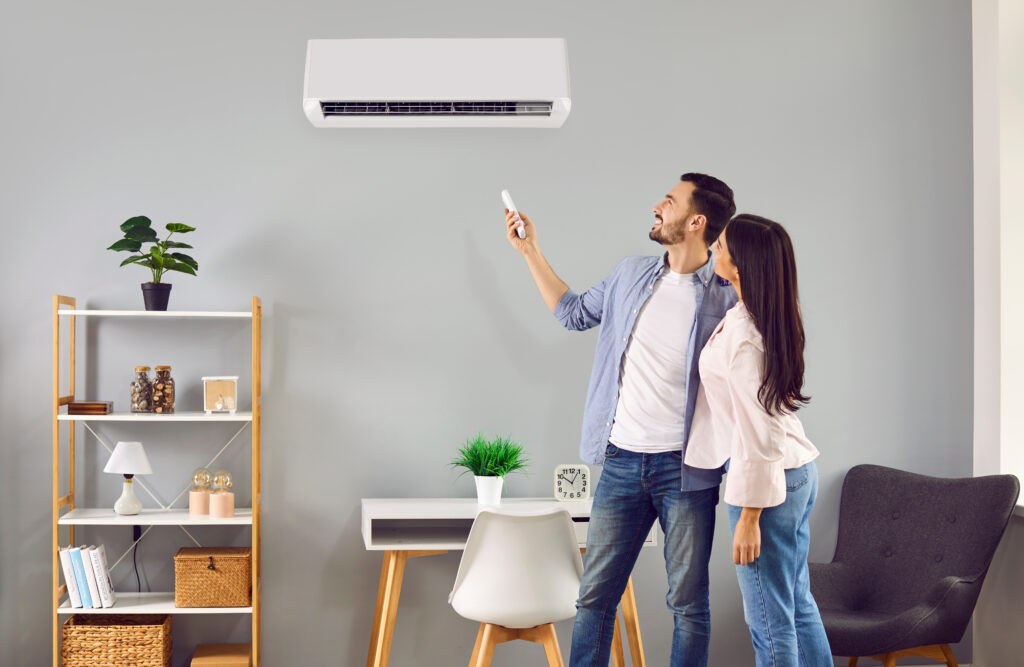
Central to this operation is the thermostat—it sends signals to activate either the heating or cooling elements based on your settings. Fans and blowers distribute the air, ducts carry it throughout various rooms, and filters catch dust, allergens, and pollutants. It’s a coordinated system of mechanics, chemistry, and control engineering, all working in real-time to stabilize your environment.
Advantages of a Properly Functioning HVAC System
A well-maintained HVAC system offers both immediate and long-term advantages. Most prominently, it’s about indoor comfort. You can expect consistent temperatures, controlled humidity levels, and improved air quality. Energy efficiency is another notable benefit—modern systems reduce consumption and can lower monthly utility bills significantly when installed and operated correctly.
Beyond comfort and cost, a good HVAC system boosts home value. Prospective buyers often ask about HVAC age or condition during home tours because replacing a failed system is expensive. If you’re thinking of selling your home, an up-to-date HVAC system makes it far more attractive. Additionally, a working HVAC means less strain on other parts of your home—like windows and insulation—because it balances the interior climate automatically.
Common Drawbacks and Problems Homeowners Face
While HVAC systems bring many benefits, they’re not without downsides. First and foremost is cost—installation, replacement, or even major repairs can be expensive. A new system can easily exceed several thousand dollars, and ongoing maintenance costs also add up over time. Parts break, filters clog, and thermostats falter.
Energy efficiency also depends heavily on upkeep. A dirty filter reduces airflow. Leaky ducts cause heating and cooling loss. Refrigerant leaks reduce cooling ability and drive up energy use. And if your system is more than 10–15 years old, it may struggle to keep up with today’s energy standards even when maintained.
Moreover, HVAC systems occasionally become invisible hazards. Poorly managed ventilation can harbor mold or dust buildup, worsening indoor air quality. Faulty furnaces can leak carbon monoxide if left unchecked. These aren’t issues to overlook.
Things to Consider Before Upgrading or Maintaining
When evaluating your HVAC system—whether for maintenance, replacement, or to prepare your home for sale—it helps to take a strategic approach. First, consider the age of the system. Once a unit hits the 10-year mark, it’s often more cost-effective to replace rather than repair, especially if it’s had frequent breakdowns.
Next, think about efficiency. Systems with higher SEER (Seasonal Energy Efficiency Ratio) or AFUE (Annual Fuel Utilization Efficiency) ratings consume less energy. Smart thermostats and zoned heating and cooling can further improve comfort while cutting costs. Proper insulation and air sealing make a big difference, too, regardless of what machinery you have running.
If you’re selling, having documentation for recent HVAC servicing or upgrades is valuable. It demonstrates maintenance and gives buyers confidence that they’re not walking into major repair bills. In many cases, sellers even use home warranties as a sweetener to reassure buyers that if something does go wrong post-sale, they’re covered.
What a Home Warranty Covers for Your HVAC System
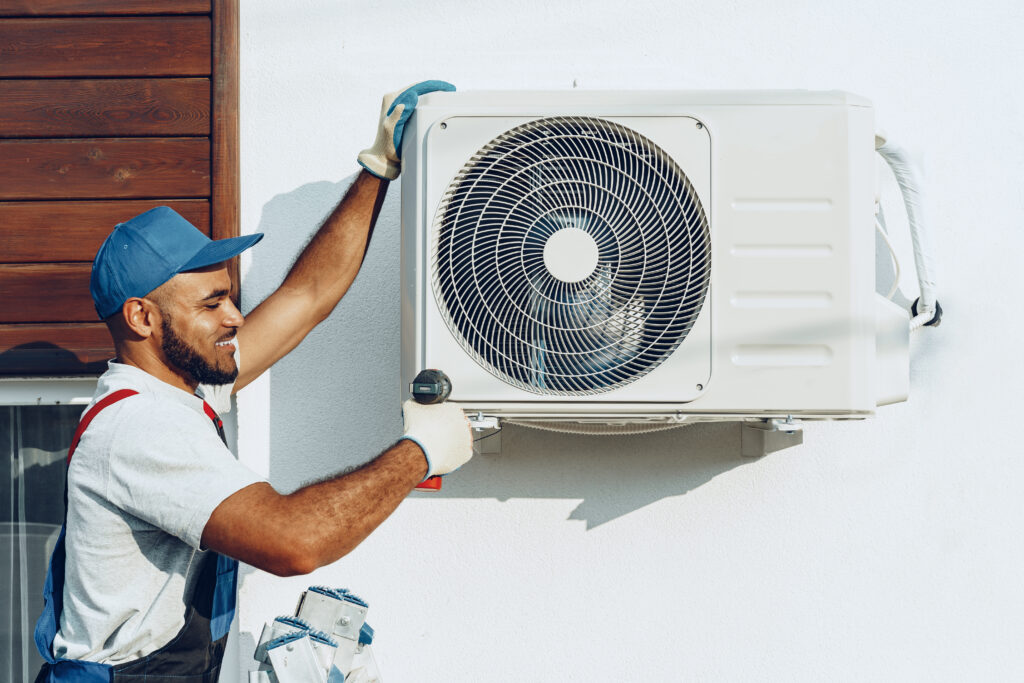
This is where home warranties provide real peace of mind. A quality home warranty plan typically covers major HVAC components, such as your furnace, air conditioner, heat pump, ductwork, and thermostats. If these systems experience mechanical breakdown from normal wear and tear, the warranty provider will coordinate and cover repairs or replacements, reducing out-of-pocket costs and minimizing disruption.
This coverage can be especially useful during a home sale. Sellers often add a home warranty to attract wary buyers, who appreciate the guarantee that unexpected HVAC issues in the first year won’t lead to financial strain. In fact, home warranty plans can be negotiated into the sale, offering value without requiring costly upgrades pre-sale. They’re also highly relevant in seasonal climates where heating or cooling failures can’t wait.
Tips for Homeowners to Maximize HVAC Efficiency
Managing your HVAC system doesn’t require deep mechanical knowledge, but a few best practices go a long way. Change your filters regularly—every one to three months, depending on usage. Schedule professional maintenance checks at least once a year, ideally before heating or cooling seasons begin. Watch for signs like uneven temperatures, strange noises, or unexpected energy spikes.
Don’t block vents with furniture or rugs, and consider getting your ducts cleaned occasionally, especially if you live in an older home or notice reduced airflow. If your thermostat uses batteries, check them annually. Smart thermostats are easy investments for more precise climate control and energy savings.
Finally, be honest about your HVAC system’s limitations. Try to resist the urge to “nurse along” systems that are clearly past their prime. If repairs become frequent, you’ll likely save time, money, and stress by exploring replacement options or supplementing with a home warranty that offsets those costs.
Why Armadillo Is the Smart Choice for HVAC Home Warranty Coverage
Whether preparing to sell or managing your home long-term, HVAC failures can happen without notice. That’s where Armadillo stands out. Armadillo offers comprehensive HVAC coverage as part of their straightforward and transparent home warranty plans. With flexible options tailored to your home and budget, they’re redefining what homeowners can expect from protection services. Quick claims processing, local service professionals, and no-nonsense support make them an obvious choice for homeowners who want both coverage and clarity.
Explore smart protection today by visiting Armadillo’s homepage or start building your custom plan directly at this link. With HVAC systems (and so much more) covered, Armadillo keeps your home running smoothly—so you can stay comfortably focused on living in it.