Why Cleaning Your Washer and Dryer Is More Important Than You Think
Most homeowners spend a lot of time thinking about what goes into the washer and dryer, but almost no time thinking about the machines themselves. That is a problem. Your washer and dryer work hard every single week, and over time they accumulate residue, lint, bacteria, and mineral buildup that quietly chip away at performance and longevity. Neglecting routine cleaning is one of the most common reasons these appliances fail prematurely, and it is also one of the easiest problems to prevent. Understanding how to clean a washer and dryer properly is not just about hygiene — it is about protecting a major investment in your home.
How Washers and Dryers Actually Work
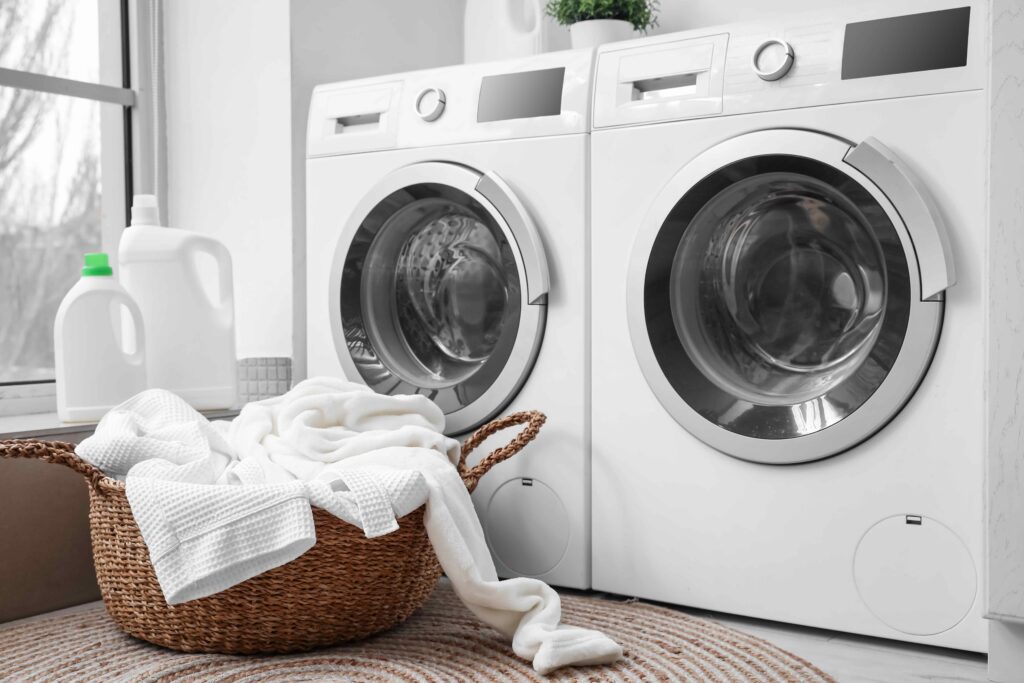
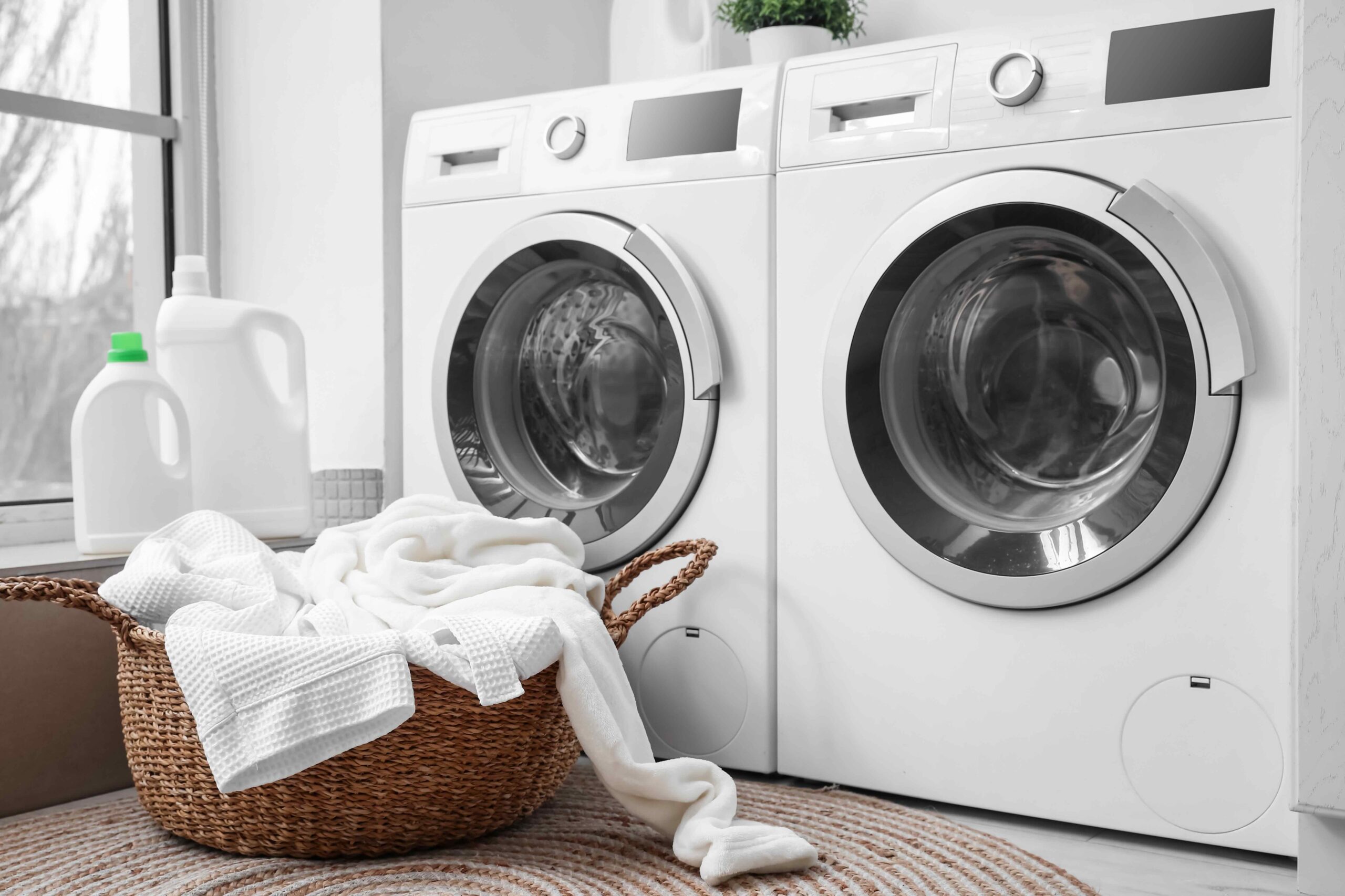
Before diving into cleaning methods, it helps to understand what you are dealing with. A washing machine works by agitating clothes in water mixed with detergent, then spinning them at high speed to expel moisture. Front-loaders use a horizontal drum, while top-loaders use a vertical agitator or impeller. In both cases, water flows through the drum, pump, and drain hose — and residue from detergent, fabric softener, and hard water minerals can cling to all of those surfaces. Dryers, on the other hand, use heat and tumbling motion to evaporate moisture from your clothes. That moisture, along with fabric fibers, travels through a lint trap and exhaust duct. When those pathways get clogged, your dryer has to work harder, runs hotter, and becomes a legitimate fire hazard.
How to Clean a Washing Machine Step by Step
Cleaning your washer does not require expensive products or professional tools. The process varies slightly depending on the machine type, but the core steps are consistent. For front-load washers, start by wiping down the rubber door gasket with a damp cloth and a mixture of white vinegar and water. That gasket is where mold thrives — dark, damp, and ignored. Then run a hot water cycle with two cups of white vinegar poured directly into the drum, followed by a second cycle with half a cup of baking soda. For top-load machines, fill the drum with hot water, add two cups of vinegar, allow it to agitate briefly, then pause the cycle and let it soak for an hour before completing the wash. After either process, leave the door open to allow the drum to dry fully. Here are some additional cleaning steps to keep in mind:
- Remove and rinse the detergent dispenser drawer monthly to prevent buildup
- Wipe down the drum interior with a microfiber cloth after each cleaning cycle
- Inspect the door seal for mold every two to four weeks
- Run a manufacturer-recommended cleaning cycle if your machine has one
How to Clean a Dryer the Right Way
Dryer cleaning goes beyond emptying the lint trap after every load, though that step is non-negotiable. At least every three to six months, the lint trap itself should be washed with warm soapy water and allowed to dry completely before being reinstalled. Residue from dryer sheets can coat the mesh and reduce airflow even when it looks clean. Beyond the trap, the exhaust duct is where the real risk lives. Disconnect the duct from the back of the dryer and use a long flexible dryer vent brush to remove accumulated lint from the inside of the duct. Also check the exterior vent cap where the duct exits your home — it should open and close freely and should not have debris blocking the flap. Inside the dryer drum, wipe down the interior walls with a damp cloth and a small amount of dish soap to remove dryer sheet residue and any marks left by clothing items.
Common Mistakes Homeowners Make When Cleaning These Appliances
One of the most widespread mistakes is using too much detergent. It seems counterintuitive, but excess detergent does not make clothes cleaner — it leaves behind a film inside the drum and hoses that builds up over time and contributes to mold growth and odor. Another frequent error is ignoring the dryer vent entirely until something goes wrong. Clogged dryer vents are responsible for thousands of house fires every year, and most of them were preventable. Homeowners also tend to skip cleaning the exterior surfaces of both machines, which can harbor dust and grime that eventually find their way inside the units. Using harsh chemical cleaners not approved for appliance use can also damage internal components or leave residues that affect your laundry.

How Often Should You Clean Your Washer and Dryer
Frequency matters here. The lint trap should be cleared after every single load without exception. The dryer drum and vent system should be cleaned every three to six months depending on usage volume. Your washing machine drum and gasket should be cleaned monthly, while the detergent drawer and water inlet filters should be inspected and cleaned every two to three months. If you have hard water, you may need to clean more frequently because mineral deposits accumulate faster. High-usage households — families with children, athletes, or anyone doing five or more loads per week — should treat the shorter end of these intervals as the standard rather than the exception.
Key Benefits of Keeping These Appliances Clean
There is a meaningful payoff for putting in the effort. Clean appliances operate more efficiently, which translates to lower energy bills and shorter cycle times. They also last longer. A washer or dryer that has been properly maintained can easily run ten to fifteen years, while a neglected machine may show serious problems in five to seven. Beyond the financial angle, clean appliances produce better results — clothes come out fresher, dryer, and less likely to carry that musty smell that signals bacteria growth in the drum. Perhaps most importantly, a clean dryer is a safe dryer. Removing lint buildup from the exhaust system significantly reduces the risk of a dryer-related fire.
Signs Your Washer or Dryer Needs Attention Beyond Cleaning
Sometimes what looks like a cleaning issue is actually a mechanical one. If your washer smells bad even after a thorough cleaning cycle, the drum seal, drain pump, or internal hoses may need professional inspection. A dryer that takes multiple cycles to dry a single load even after cleaning the vent system could have a faulty heating element or a worn drum seal. Unusual vibrations, error codes, or water not draining completely are all signals that something mechanical is at play. At this point, regular maintenance crosses into repair territory, and that distinction matters — especially from a financial standpoint.
Why a Home Warranty Makes Sense for Washer and Dryer Owners
Keeping your washer and dryer clean is the best thing you can do to extend their lifespan, but even the most well-maintained appliances eventually break down. When they do, the repair costs can be significant — motor replacements, control board failures, drum bearing issues — these are not inexpensive fixes. That is exactly why home warranty coverage that protects your washer and dryer from unexpected mechanical failures is worth taking seriously. Armadillo offers transparent, homeowner-friendly plans that cover the appliances and systems you depend on every day, without the fine print surprises that frustrate most homeowners when they actually need to file a claim. If you are ready to stop worrying about what happens when your machines stop working, you can get a free home warranty quote that covers laundry appliances and more in just a few minutes. Routine cleaning protects your appliances day to day, and a home warranty protects your wallet when things go beyond what a cleaning cycle can fix.

Frequently Asked Questions About Cleaning Your Washer and Dryer
Homeowners have a lot of questions when it comes to maintaining their laundry appliances. Here are clear answers to the most common ones.
How often should I clean my washing machine?
You should run a cleaning cycle on your washing machine at least once a month. If you do laundry frequently or have a large household, cleaning every two to three weeks is a better target.
Can I use bleach to clean my washer?
Yes, diluted bleach can be used in washing machines for sanitization, but it should not be your only method. Alternating between a vinegar cycle and an occasional bleach cycle is more effective and less damaging to internal components over time.
Why does my front-load washer smell bad even after cleaning?
The rubber door gasket is almost always the source. Mold and mildew accumulate in the folds of the seal and are often missed during routine cleaning. Scrub the gasket thoroughly with a vinegar solution and leave the door open after every wash cycle to allow it to dry.
How do I know if my dryer vent is clogged?
Clothes taking longer than one cycle to dry, the dryer feeling unusually hot to the touch, or a burning smell during operation are all warning signs of a clogged dryer vent. Check the exterior vent flap as well — if it is not opening during operation, airflow is restricted.
Is it safe to use dryer sheets if they clog the lint trap?
Dryer sheets are safe to use, but they leave a waxy residue on the lint screen over time. Wash the lint screen with warm soapy water every month to remove that buildup and restore proper airflow.
What type of cleaner is best for the inside of a washer drum?
White vinegar and baking soda are the most widely recommended options because they are effective, non-toxic, and safe for machine components. Many manufacturers also offer proprietary cleaning tablets that work well and are designed specifically for the machine’s internal materials.
How do I clean the detergent dispenser on my washer?
Remove the dispenser drawer if it is detachable and soak it in warm water with a small amount of dish soap. Use an old toothbrush to scrub out any residue, rinse thoroughly, and allow it to dry before reinserting. Do this monthly.
Does cleaning my washer and dryer affect my home warranty coverage?
Most home warranty providers expect homeowners to perform routine maintenance on their appliances. Failing to maintain them can sometimes be cited as a reason to deny a claim. Regular cleaning supports your ability to demonstrate that the machine was properly cared for if a mechanical issue arises.
Can I clean a dryer vent myself or do I need a professional?
Most homeowners can clean a standard dryer vent themselves using a flexible dryer vent brush kit purchased at a hardware store. However, if the duct run is long, has multiple bends, or if you notice signs of significant blockage or damage, a professional cleaning service is the safer and more thorough option.
What happens if I never clean my washer or dryer?
Neglecting both appliances leads to reduced efficiency, persistent odors, mold growth, and eventually mechanical failure. For dryers specifically, a clogged vent system is a documented fire hazard. Routine cleaning is one of the simplest ways to extend appliance life and protect your home.