Understanding Circuit Breakers: The Protector of Your Home’s Electrical System
Your home’s electrical system is a complex network, designed to bring consistent power to every corner of your living space. At the heart of this system is the circuit breaker, a small device with a crucial role: to prevent electrical overload and potential fire hazards. While homeowners often overlook this component, understanding how circuit breakers work can empower you to maintain a safe and efficient electrical system. Let’s delve into the essentials of circuit breakers, identify their advantages and drawbacks, and share tips for ensuring they operate efficiently.
What is a Circuit Breaker?
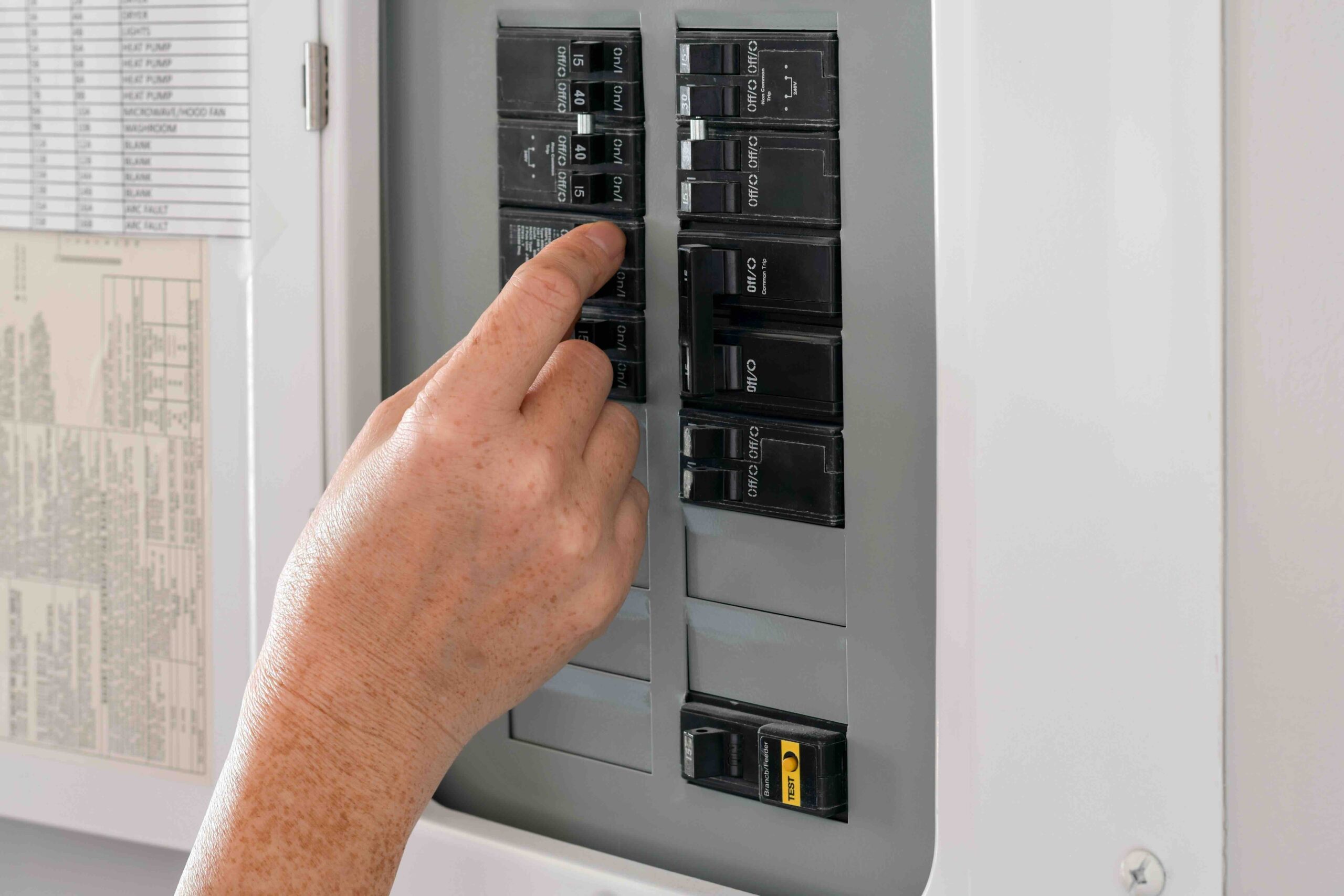
A circuit breaker is an automatic electrical switch designed to protect an electrical circuit from damage caused by excess current from an overload or short circuit. Its primary function is to interrupt current flow after a fault is detected. Imagine it as the vigilant guardian that ensures your electrical wiring remains safe and sound. Unlike fuses that must be replaced after one use, circuit breakers can be reset, making them much more convenient and sustainable in the long run.
How Does a Circuit Breaker Work?
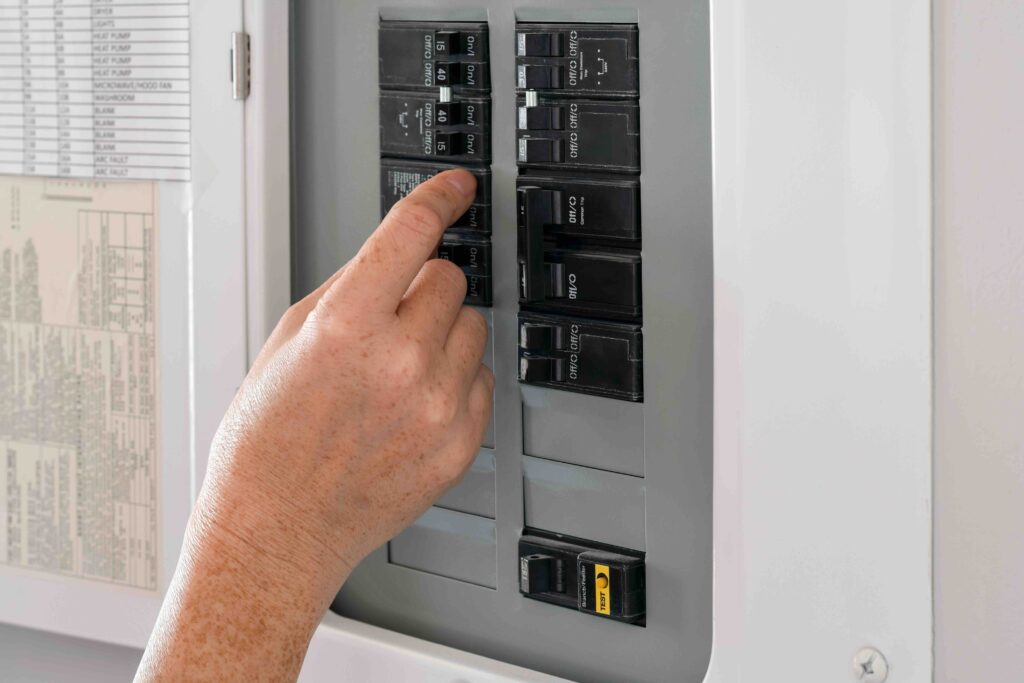
Understanding how a circuit breaker works requires a basic grasp of electricity flow. Circuit breakers are located within your home’s main electrical panel. When an electrical surge occurs, the breaker trips by disengaging the connection, halting the flow of electricity and preventing potential damage. This process involves two critical components: the switch and the electromagnet or bimetallic strip. When the current exceeds a safe level, these components trigger the switch to move, thus opening the circuit.
Key Advantages of Circuit Breakers
Circuit breakers offer several advantages. Their resettable nature means you won’t need to purchase replacements each time they’re activated. They also offer a quicker response time compared to fuses, thus providing enhanced protection against electrical fires. Additionally, circuit breakers are generally easier and safer for homeowners to operate; a simple flick can restore power after a trip. This usability contributes to their popularity and why they’re found in most modern homes.
Common Drawbacks of Circuit Breakers
Despite their many advantages, circuit breakers are not without drawbacks. Over time, constant tripping can wear down the breaker, reducing its effectiveness. It’s crucial to identify the underlying cause of frequent tripping, which could point to an overloaded circuit or faulty wiring — issues that require professional intervention. Additionally, while resetting a breaker is straightforward, improper handling can be dangerous. For example, repeatedly resetting a breaker without addressing the problem can lead to overheating and increase the risk of a fire.
Practical Tips for Maintaining Circuit Breakers
To ensure your circuit breakers operate effectively, regular maintenance is essential. Begin by periodically opening your breaker panel to check for signs of wear or damage, such as scorching or frayed wires. When adding appliances or making renovations, ensure that your home’s electrical system can handle the additional load. Consulting with an electrician for an inspection every few years can also help identify issues before they become major problems. Awareness and prompt action are your best allies in preventing electrical hazards.
Steps to Take if a Circuit Breaker Keeps Tripping
If your circuit breaker frequently trips, it’s a signal that something might be wrong. Start by unplugging devices and appliances that may cause an overload. Reset the breaker by switching it to the “off” position before slowly turning it back “on.” If the breaker trips immediately, you may have a short circuit or ground fault. In such cases, it’s advisable to consult a professional electrician to diagnose and repair the issue. Never attempt to fix electrical problems yourself if you’re not confident in your ability to do so safely.
Advancements in Circuit Breaker Technology
Modern advancements are reimagining the traditional circuit breaker. Smart breakers, for instance, integrate with home automation systems, allowing homeowners to control them remotely via an app. They offer detailed analytics on your power usage and can alert you to potential issues before they become significant. Investing in these advanced systems can provide increased security and peace of mind, knowing that your home is protected by state-of-the-art technology.
Why Armadillo is Your Go-To Solution for Circuit Breaker Protection
With the critical role that circuit breakers play in home safety, ensuring they remain in peak condition is paramount. This is where Armadillo comes into play. At Armadillo, we offer comprehensive home warranty plans that provide coverage for your home’s essential systems, including the electrical. With our plans, you can rest easy knowing that any issues with your circuit breakers will be addressed promptly and professionally. Curious to learn more about our offerings or ready to start your home warranty journey? Visit our home page or head directly to our plan builder to explore your options. Trust Armadillo to keep your home safe and sound.