Understanding Your Home’s HVAC System: A Homeowner’s Guide
The importance of having a reliable HVAC system in your home cannot be overstated. A well-functioning heating, ventilation, and air conditioning (HVAC) system ensures comfort across seasons, controlling indoor climate and improving air quality. For homeowners, understanding the basics of an HVAC system, its components, and maintenance needs can be beneficial in maintaining its efficiency and avoiding unexpected failures. This guide will delve into the essentials of what makes an HVAC system work and how to keep it in optimal condition.
What is an HVAC System?
An HVAC system is an integrated framework of machines and components designed to heat, cool, and ventilate a building. At its core, the system consists of units that handle heating, cooling, and air movement. Central to this system are the furnace, air conditioner, and ductwork that circulates air. The thermostat, acting as the brain of the system, directs the function of each part and maintains the desired temperature. The synergy between these components ensures the system meets the specific climate control needs of your home, enhancing comfort and energy efficiency.
How Does an HVAC System Work?
To appreciate how an HVAC system works, consider each component’s role. The furnace, typically located in the basement or a dedicated furnace room, heats air and distributes it throughout the home. In contrast, the air conditioner cools the air and removes humidity. Both systems use a network of ducts to disperse air through vents. The ventilation component ensures continuous airflow, removing indoor pollutants and maintaining air quality. The thermostat regulates operations, adjusting outputs based on the pre-programmed temperature settings, making the entire system responsive to both indoor and outdoor conditions.
Key Advantages of a Modern HVAC System
Modern HVAC systems come with many advantages. Foremost is their ability to maintain consistent indoor comfort, adapting to seasonal weather changes. Energy efficiency is another critical benefit, as contemporary systems employ advanced technology to minimize energy consumption and lower utility bills. Improved air quality is a significant advantage as well, with modern systems equipped with filters that trap pollutants, allergens, and dust. Additionally, smart thermostats and zoned systems allow for greater control and customization, adapting the climate control to different areas of the home based on occupancy and personal preferences.
Common Drawbacks of an HVAC System
Despite their benefits, HVAC systems are not without drawbacks. Installation costs can be significant, especially when upgrading older systems. Maintenance is another consideration; regular upkeep is essential to prevent breakdowns and ensure efficiency, which means an investment of time and resources. Furthermore, complex systems may present challenges in terms of repairs, requiring professional assistance that could incur additional costs. These systems can also be noisy, depending on the model and installation quality, potentially causing discomfort if placed near living or sleeping areas.
Maintaining Your HVAC System
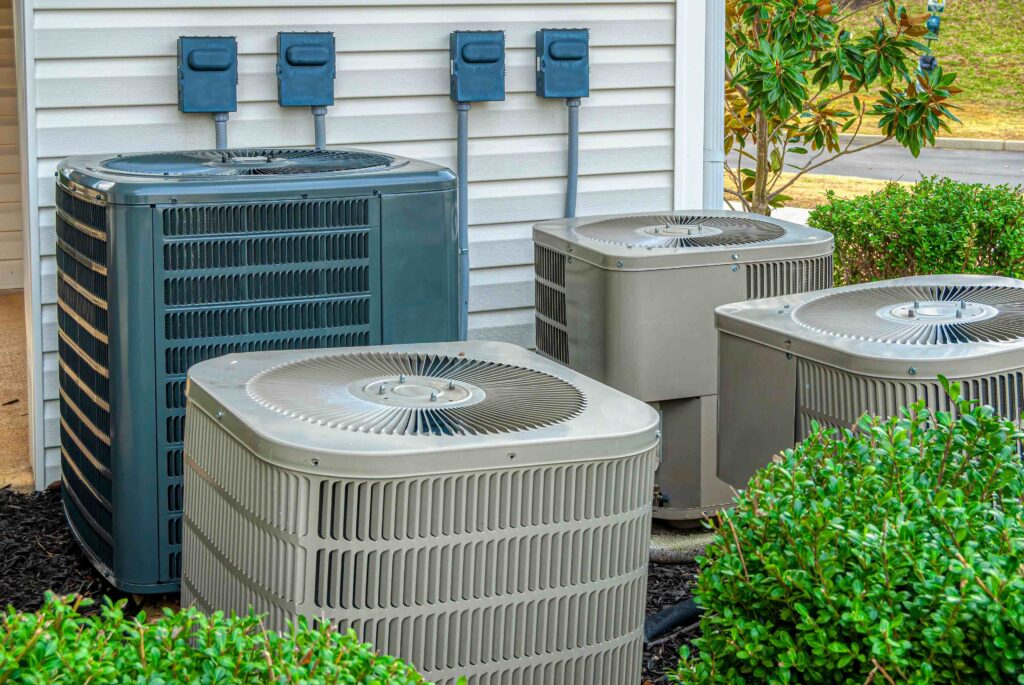
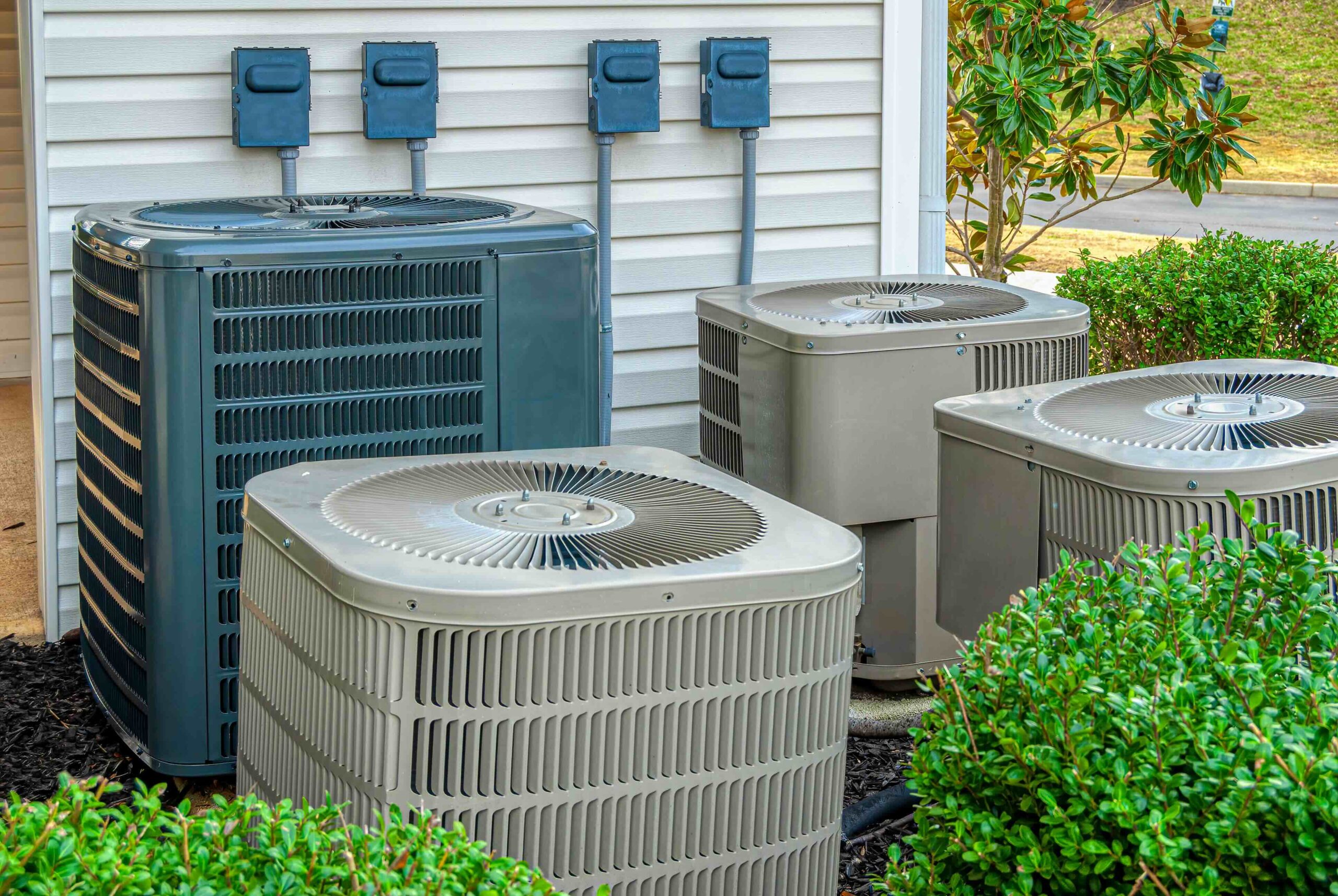
Proper maintenance of an HVAC system entails regular inspections and servicing. Change or clean air filters every 1-3 months to improve air quality and system efficiency. Schedule professional maintenance visits at least once a year for thorough cleaning and to catch potential issues early. Regularly check the thermostat batteries, and if your system has a programmable or smart thermostat, calibrate it for optimal performance. Keeping the outdoor unit free from debris and ensuring that the vents are unobstructed enhances system operations. Proactive maintenance not only extends the life of the system but also prevents costly repairs.
Upgrading Your HVAC System
Upgrading your HVAC system can increase your home’s energy efficiency and comfort level. New systems employ state-of-the-art technology that provides better performance, less noise, and enhanced reliability. When considering an upgrade, look for systems with high SEER (Seasonal Energy Efficiency Ratio) and AFUE (Annual Fuel Utilization Efficiency) ratings. These metrics indicate greater energy efficiency and potential cost savings. Pair an upgrade with a smart thermostat to leverage precise control over your home’s climate, further optimizing your heating and cooling costs.
Eco-Friendly HVAC Options
As environmental concerns rise, eco-friendly HVAC options are gaining popularity. Systems that incorporate geothermal heating, solar power, or dual-fuel pumps capitalize on renewable energy sources, significantly reducing carbon footprints and utility costs. Such systems, while requiring a higher initial investment, offer long-term savings and increased energy independence. Opting for eco-friendly models may also qualify you for state or federal tax incentives, helping to offset the initial costs associated with transitioning to sustainable energy solutions.
Why Choose Armadillo for Your Home Warranty Needs
Navigating the intricacies of HVAC maintenance and potential upgrades can be overwhelming. That’s where Armadillo’s home warranty service comes in. With comprehensive coverage plans tailored to your needs, Armadillo ensures peace of mind by protecting your HVAC system against unexpected breakdowns. Our hassle-free policy covers repairs and replacements while offering round-the-clock customer support to handle all your claims swiftly. Visit Armadillo’s homepage for more information, or click here to start building your custom plan. Trust Armadillo to keep your home systems running smoothly.