What Is Condensation in Air Ducts and Why Should You Care?
If you have ever noticed water stains on your ceiling near a vent, a musty smell coming from your HVAC system, or visible moisture around your ductwork, you have already met one of the more frustrating — and commonly misunderstood — problems in home maintenance. Condensation in air ducts is not just a nuisance. Left unaddressed, it can quietly cause significant damage to your home’s structure, air quality, and HVAC system. Understanding what causes it, how to spot it early, and what you can actually do about it is the kind of knowledge that separates a reactive homeowner from a prepared one.
How Condensation Forms Inside Your Air Ducts
Here is the basic science, and it is simpler than it sounds. Condensation forms when warm, humid air makes contact with a cooler surface. Your air ducts, especially those that carry cold conditioned air during the summer months, are prime candidates for this reaction. When the temperature inside the duct drops significantly below the dew point of the surrounding air, moisture from that air collects on the duct walls. It is the same principle that causes a cold glass of water to bead up on a hot day. In homes with poor insulation around ductwork, gaps or leaks in the duct system, high indoor humidity levels, or ducts routed through unconditioned spaces like attics and crawlspaces, this process happens regularly — sometimes constantly.
Recognizing the Signs of Duct Condensation in Your Home
One of the trickier aspects of this problem is that condensation inside ductwork is often invisible until secondary symptoms appear. By the time you see it, there is usually already something worth addressing. Here are the most common indicators homeowners encounter:
- Water stains or discoloration on ceilings and walls near air vents
- Musty or moldy odors when the HVAC system is running
- Visible moisture or dripping around duct connections or vents
- Mold growth on or around supply registers
- Increased allergy symptoms or poor indoor air quality
- Rust or deterioration on metal duct surfaces
If any of these are showing up in your home, it is worth investigating your ductwork sooner rather than later. Ignoring these signs tends to make the outcome more expensive over time.
The Most Common Causes Behind Duct Condensation Problems
There is rarely just one cause. More often, duct condensation is the result of a combination of factors working together. Inadequate insulation around ductwork is consistently at the top of the list — when ducts are not properly insulated, their outer surfaces cool quickly and become magnets for moisture. High indoor humidity, often driven by poor ventilation, weather conditions, or an oversized air conditioning system, compounds the issue significantly. An AC unit that is too large for the space it conditions will cool air too quickly without adequately dehumidifying it, leaving excess moisture in the air that then gravitates toward any cooler surface it can find. Duct leaks are another major contributor — when conditioned air escapes into unconditioned spaces, it creates localized temperature differences that accelerate condensation formation.

Why Duct Condensation Is a Bigger Problem Than It Looks
It can be tempting to treat this as a minor inconvenience. It is just a little water, right? Not quite. Persistent moisture inside or around ductwork creates ideal conditions for mold and mildew growth, and your HVAC system then distributes those spores throughout every room in the house every time it runs. Beyond air quality, sustained moisture exposure degrades duct materials — whether that is flexible duct, sheet metal, or duct board — shortening the lifespan of the entire system. Structural materials nearby, including ceiling joists, drywall, and insulation, can absorb that moisture over time and begin to deteriorate. What starts as a minor duct issue can eventually become a mold remediation project, a structural repair, or a full duct replacement. The cost trajectory on ignored condensation problems is not a gentle slope.
Practical Solutions for Managing and Preventing Duct Condensation
The good news is that most duct condensation problems are correctable, and many are preventable with the right approach. Improving duct insulation is often the most impactful first step — wrapping ducts in insulated material rated for your climate zone reduces the temperature differential that triggers condensation. Sealing duct leaks with mastic sealant or metal tape (not standard duct tape, which deteriorates quickly) addresses the airflow issues that worsen moisture accumulation. Managing indoor humidity through proper ventilation, exhaust fans in bathrooms and kitchens, and a whole-home dehumidifier if necessary brings the broader moisture environment under control. Having an HVAC technician evaluate whether your system is correctly sized for your home is also worth doing — it is a conversation more homeowners should be having.
The Role of Duct Insulation and Proper Installation
Insulation quality and installation technique matter more than most homeowners realize. Ducts running through attics are especially vulnerable because attic temperatures can swing dramatically — well above 130 degrees Fahrenheit in summer and below freezing in colder climates. Insulation with an appropriate R-value for your region is essential, and it needs to be installed without gaps, compression, or damage. Vapor barriers are also an important piece of the puzzle in humid climates. A vapor barrier on the exterior of duct insulation prevents ambient moisture from migrating into the insulation material and reaching the duct surface. When insulation is installed incorrectly — even with the right materials — it often creates more problems than it solves by trapping moisture rather than blocking it.
When to Call a Professional
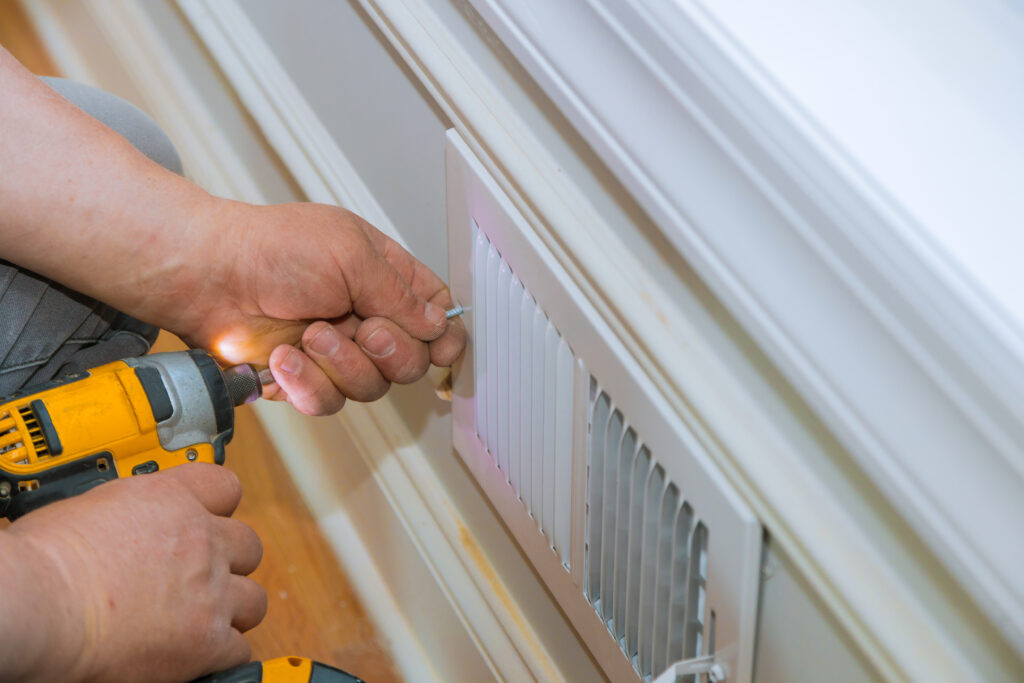
Some duct condensation situations are genuinely DIY-friendly. Checking visible ductwork for obvious leaks, replacing damaged insulation in accessible areas, and improving bathroom ventilation are all reasonable homeowner tasks. But when the problem involves ductwork in enclosed spaces, signs of mold growth, or system-wide humidity issues, professional assessment is the right call. An HVAC technician can perform a duct blower test to measure leakage rates, assess insulation integrity, and evaluate system sizing. An indoor air quality specialist can test for mold and help identify sources of excess humidity that may not be immediately obvious. Spending a few hundred dollars on a professional evaluation is almost always more cost-effective than discovering six months later that a correctable issue became a significant structural or air quality problem.
How a Home Warranty Can Help When HVAC and Duct Problems Arise
HVAC systems are among the most expensive components in any home, and when duct-related issues escalate into system failures or costly repairs, having protection in place makes an enormous difference. Armadillo home warranty coverage for HVAC systems and ductwork is designed precisely for moments like this — when a problem you did not see coming suddenly becomes a repair bill you were not prepared for. Armadillo offers straightforward, honest coverage with no confusing fine print, giving homeowners confidence that when their air system needs attention, they are not navigating the process alone. If your ductwork or HVAC system has been showing signs of wear, moisture damage, or declining performance, now is the right time to think about coverage. You can get a personalized home warranty quote that includes HVAC and duct system protection in just a few minutes — no lengthy forms, no pressure, just clear information so you can decide what works for your home and your budget.

Frequently Asked Questions About Condensation in Air Ducts
Homeowners dealing with duct condensation often have similar questions. Here are clear, direct answers to the ones that come up most often.
Is condensation in air ducts a serious problem?
Yes. While it may seem minor at first, duct condensation can lead to mold growth, deteriorating duct materials, poor indoor air quality, and structural moisture damage if left unaddressed for an extended period.
What causes condensation inside HVAC ducts?
The primary causes include poor duct insulation, high indoor humidity, duct leaks, and an improperly sized air conditioning system that cools without adequately dehumidifying the air.
Can duct condensation cause mold in my home?
It can. Persistent moisture inside or around ductwork creates conditions where mold and mildew thrive. Because the HVAC system circulates air throughout the home, mold spores can spread widely once a colony establishes itself.
How do I know if my ducts are sweating?
Look for water stains near vents, visible moisture on duct surfaces, musty odors when the system runs, rust on metal ducts, or mold growth on or near supply registers. These are the most reliable indicators.
Does high humidity cause duct condensation?
High indoor humidity is one of the leading contributing factors. When the moisture content of indoor air is elevated, any cooled surface — including duct walls — becomes a site where that moisture condenses.
How do I fix condensation in my air ducts?
The most effective fixes include improving duct insulation, sealing duct leaks with mastic sealant or metal tape, controlling indoor humidity levels, and ensuring your HVAC system is correctly sized for your home’s square footage.
Can an oversized AC unit cause duct condensation?
Yes. An oversized unit cools the air rapidly without running long enough to remove adequate moisture. This leaves excess humidity in the air, which then condenses on cooler duct surfaces throughout the system.
What type of insulation is best for preventing duct sweating?
Insulation with an appropriate R-value for your climate zone, installed with an exterior vapor barrier, is the standard recommendation. Flexible duct wrap and rigid duct board are both common options used by HVAC professionals.
Does a home warranty cover duct condensation damage?
Coverage varies by provider and plan. Many home warranty plans cover the HVAC system itself, including components affected by operational failures. Reviewing your specific plan details or speaking with your warranty provider will clarify what is included.
When should I call a professional about duct condensation?
Call a professional if you notice mold growth, if the problem involves ductwork in inaccessible areas, if indoor air quality is noticeably declining, or if your own efforts to reduce humidity and seal leaks have not resolved the issue.